Skeleton rubber strip plays an increasingly vital role in modern industries, offering a versatile solution for sealing, cushioning, and protecting a wide range of products. Its unique construction, featuring a hollow core, provides exceptional flexibility and compressibility, making it ideal for applications where traditional solid rubber strips fall short. This lightweight yet durable material is finding applications across automotive, construction, and even specialized industrial sectors.
Globally, the demand for effective sealing and protective materials is steadily growing, driven by stricter safety regulations and the need for improved energy efficiency. The skeleton rubber strip addresses these needs by providing a reliable barrier against dust, moisture, and vibration, enhancing product performance and longevity. The ability to customize its shape and size further contributes to its appeal in diverse environments.
Understanding the properties and applications of skeleton rubber strip is crucial for engineers, designers, and manufacturers looking to optimize their products and processes. Its cost-effectiveness, combined with its superior performance characteristics, positions it as a key material in a range of innovative solutions.
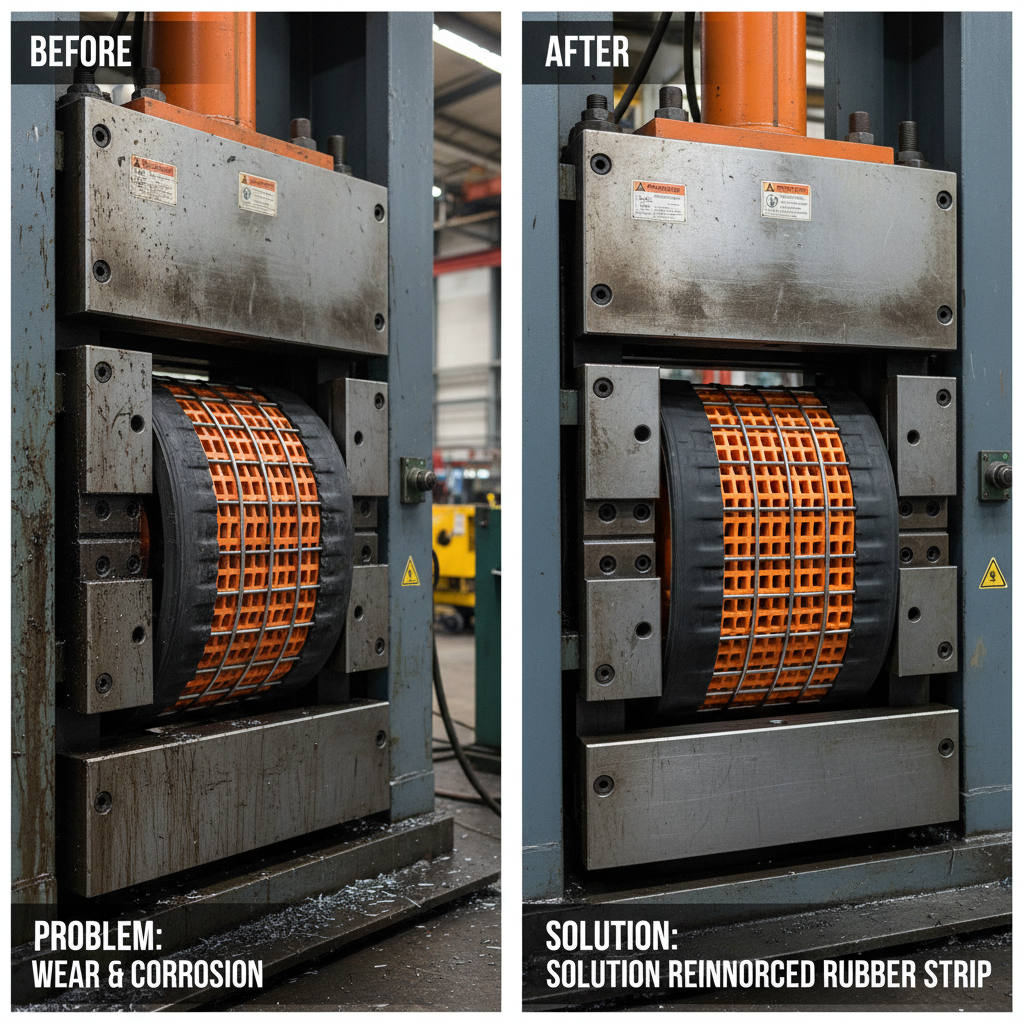
The Core Principles of Skeleton Rubber Strip
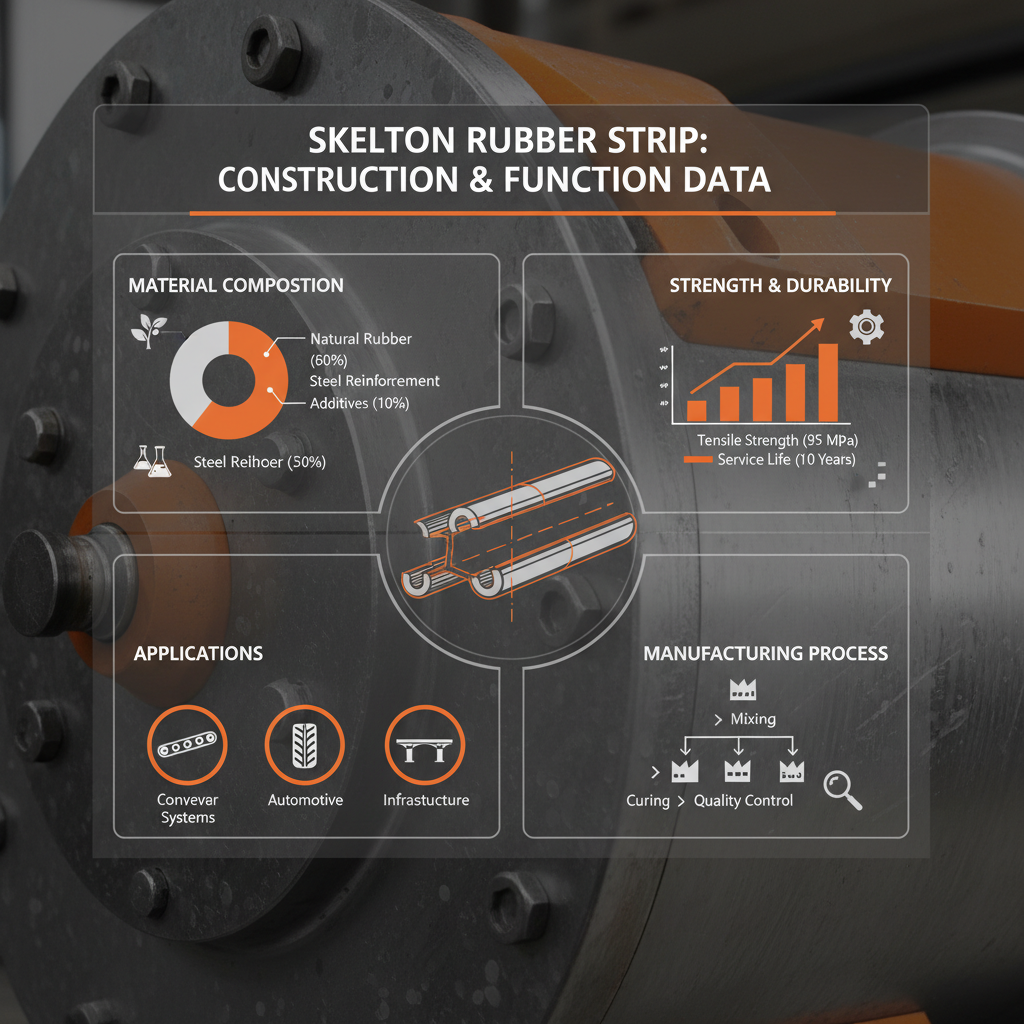
The core principle behind skeleton rubber strip lies in its unique structure. Unlike solid rubber profiles, it features a hollow central core, often supported by a web or skeletal framework. This design significantly reduces weight while maintaining impressive flexibility and compressibility. This makes it particularly useful in applications requiring dynamic sealing or cushioning.
The manufacturing process often involves extrusion or molding techniques, allowing for complex shapes and custom designs. The choice of rubber material – such as EPDM, silicone, or neoprene – dictates the strip’s specific properties, including temperature resistance, chemical compatibility, and UV stability. You can find skeleton rubber strip suited to various environments.
FAQS
Skeleton rubber strip offers significant advantages including reduced weight, enhanced flexibility, and improved compressibility. The hollow core design allows for a more dynamic seal, conforming to irregular surfaces and maintaining performance under vibration and movement. This results in increased durability, lower material costs, and potential energy savings.
Common materials include EPDM (excellent weather resistance), silicone (high-temperature applications), neoprene (oil and chemical resistance), Viton (severe environments), and natural rubber (general-purpose sealing). The choice depends on the specific application requirements, such as temperature range, chemical exposure, and UV resistance.
Yes, skeleton rubber strip is highly customizable. It can be extruded or molded into a wide variety of shapes and sizes to meet precise application needs. Manufacturers can adjust the core geometry, web thickness, and material composition to optimize performance for unique requirements.
The automotive, construction, industrial manufacturing, and aerospace industries are the primary consumers. Within these sectors, applications range from sealing systems and weatherstripping to vibration dampening and edge protection. Growing demand is also seen in renewable energy (wind turbines) and marine applications.
Its lightweight design reduces material consumption and lowers transportation costs. The possibility of using recycled rubber materials in the manufacturing process further enhances its sustainability profile. Improved sealing also contributes to energy efficiency in buildings and vehicles, reducing overall environmental impact.
Lifespan varies depending on the material, environmental conditions, and application. EPDM can last 10-20 years in outdoor applications, while silicone can withstand high temperatures for extended periods. Regular inspection and maintenance can further prolong its lifespan. Proper installation is critical to preventing premature failure.
Conclusion
In conclusion, skeleton rubber strip represents a significant advancement in sealing and protection technology. Its unique combination of lightweight design, flexibility, durability, and cost-effectiveness makes it a versatile solution for a wide range of industries. From automotive to construction, and beyond, its ability to enhance performance, improve energy efficiency, and reduce environmental impact positions it as a key material for the future.
Looking ahead, continued innovation in materials, manufacturing processes, and integration with smart technologies will further expand the applications and benefits of skeleton rubber strip. By embracing these advancements, engineers and manufacturers can unlock new possibilities and create more sustainable, efficient, and reliable products. Visit our website at www.xtshuoding.com to explore our range of skeleton rubber strip solutions.
Related Posts
-
Understanding Car Windshield Rubber Strip Technology Safety and Future Trends
-
The Crucial Role of PVC Sealing Strip in Modern Industrial Applications
-
Advancements in Rolling Press Machine for Cylindrical Battery Production Technology
-
Understanding Fire Sealing Strip for Enhanced Building Safety and Compliance