Extruded sealing strip plays a vital role in modern infrastructure and manufacturing, impacting industries ranging from automotive and construction to aerospace and renewable energy. These strips, created through a process of forcing material through a die, offer a versatile and cost-effective solution for preventing the ingress of dust, moisture, and air, ultimately enhancing performance, durability, and safety across a wide spectrum of applications. Understanding their properties and applications is critical for engineers, designers, and procurement professionals seeking optimal sealing solutions.
The global demand for extruded sealing strip is steadily increasing, driven by factors such as growing industrialization, stricter environmental regulations, and the need for energy efficiency. The market is valued at billions of dollars annually, and is projected to continue its upward trajectory as industries prioritize sealing performance to meet increasingly stringent standards. ISO certifications and adherence to international quality standards are crucial within this market, impacting material selection, production processes, and ultimately, product reliability.
From reducing energy consumption in buildings to enhancing the reliability of transportation systems, extruded sealing strip contributes significantly to both economic and societal advancements. Its adaptability to various materials, shapes, and sizes makes it an indispensable component in a vast array of products, underscoring its importance in maintaining operational efficiency and extending the lifespan of critical assets.
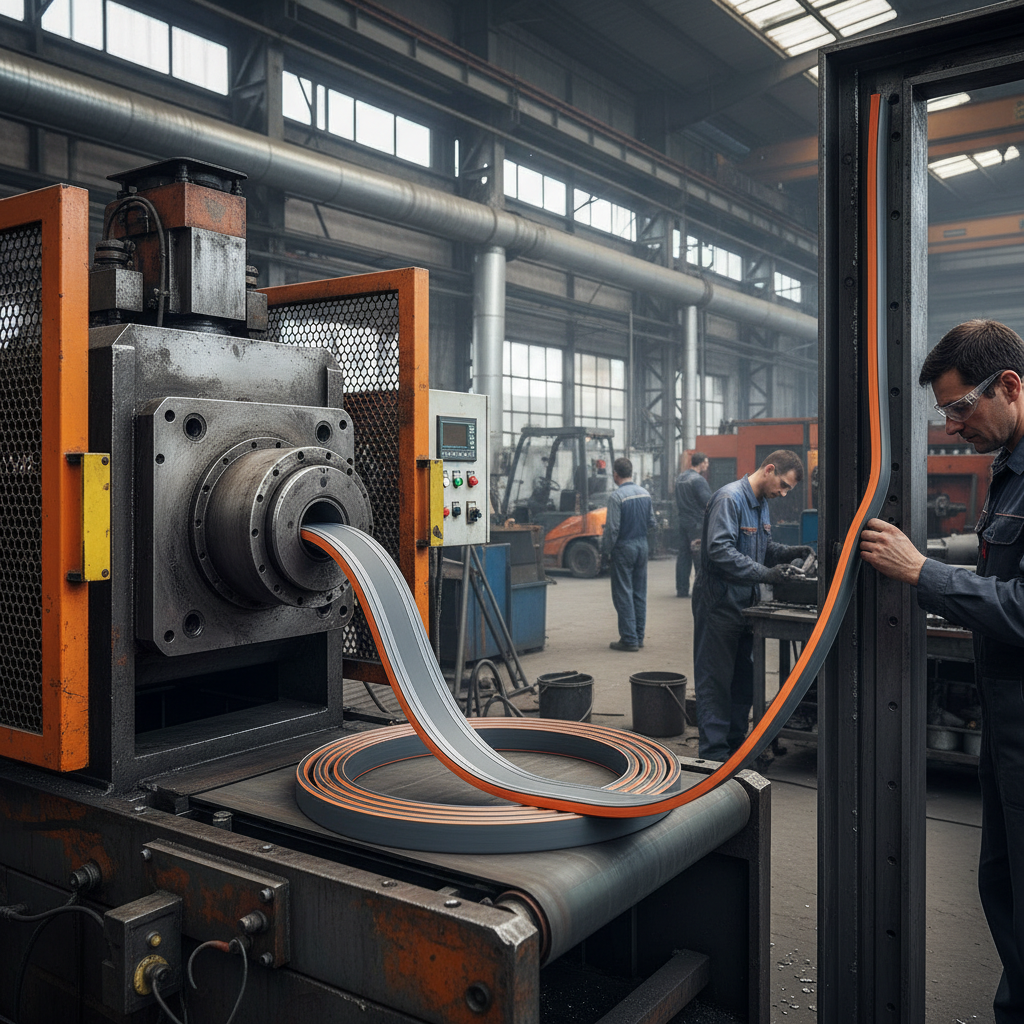
Introduction to Extruded Sealing Strip
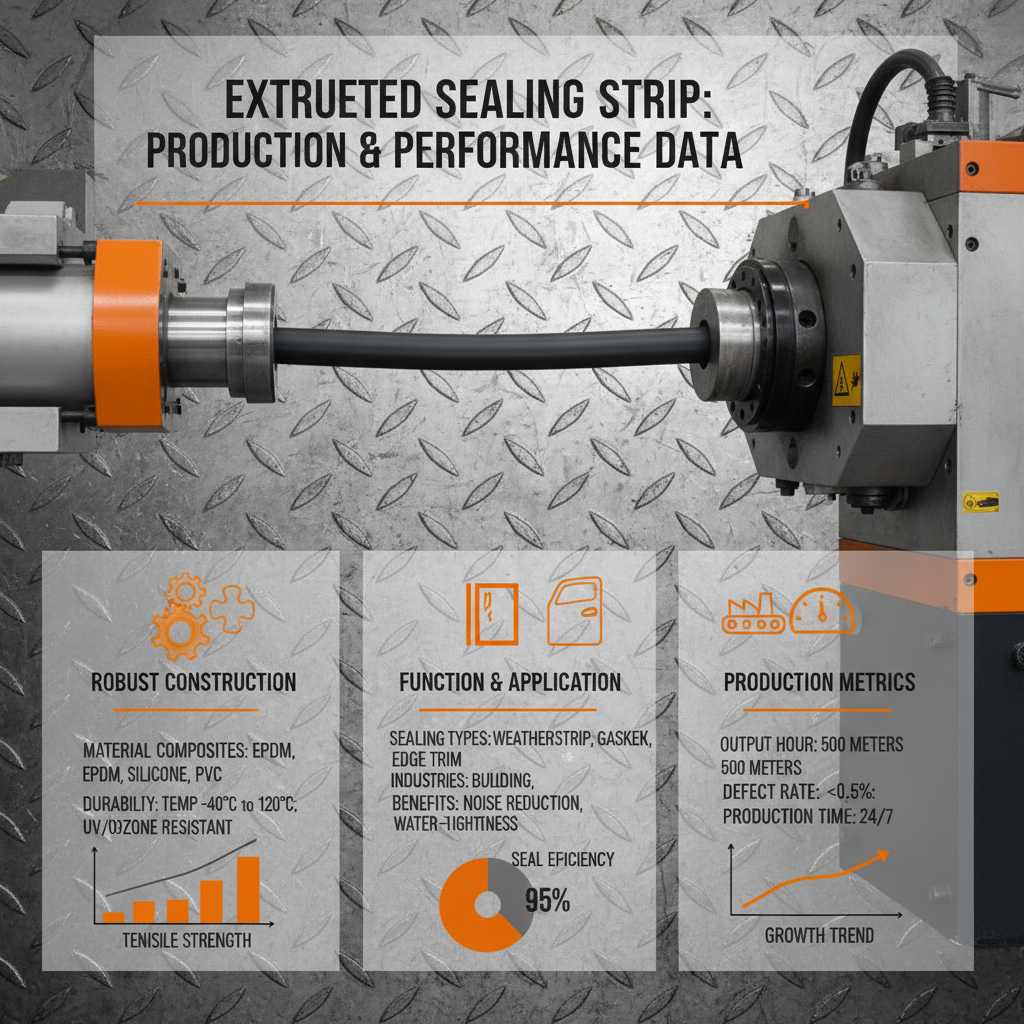
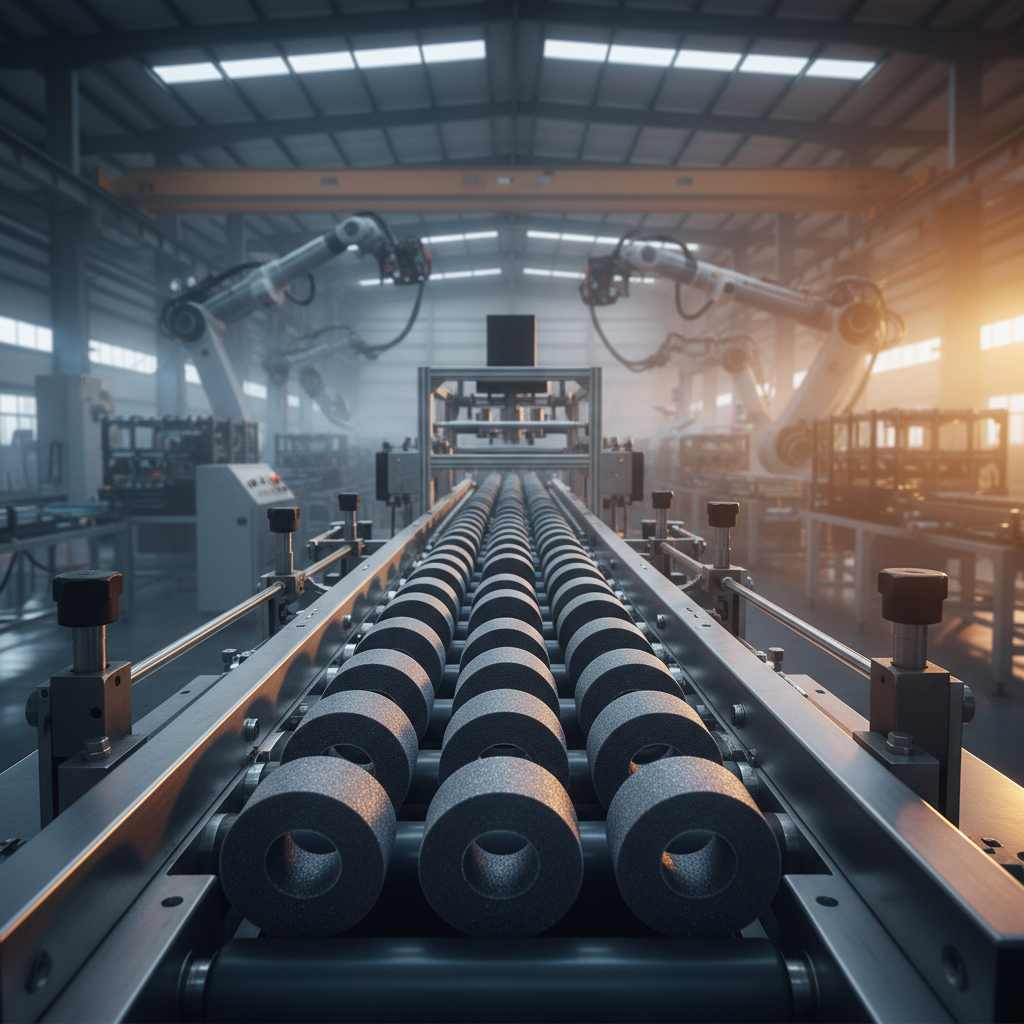
Extruded sealing strip are critical components used to prevent the passage of fluids, gases, dust, or noise between stationary components. They are produced by forcing a flexible material – often rubber, silicone, EPDM, or thermoplastic elastomers – through a shaped die, creating a continuous profile. This manufacturing process allows for the creation of complex geometries tailored to specific application requirements.
The versatility of extruded sealing strip lies in the extensive range of materials and shapes available. Selecting the appropriate material depends on the environment and specific performance requirements. For example, silicone is often chosen for high-temperature applications, while EPDM offers excellent resistance to weathering and ozone. Precise extrusion control ensures consistent dimensions and high-quality seals.
FAQS
The most common materials include EPDM, silicone, neoprene, and thermoplastic elastomers (TPEs). EPDM is known for its excellent weather resistance, silicone for high-temperature applications, neoprene for oil resistance, and TPEs for their versatility and cost-effectiveness. The best material depends on the specific application requirements and the environment it will be exposed to.
Accurate measurement of the gap you need to seal is crucial. Consider the compression rate of the material – how much it needs to compress to create a tight seal. Also, the shape should be chosen based on the geometry of the mating surfaces. Many manufacturers offer custom extrusion services to create seals tailored to your specific needs.
The lifespan varies significantly depending on the material, environmental conditions, and level of exposure to UV radiation, chemicals, and physical stress. EPDM can last for 10-20 years under normal conditions, while silicone may have a slightly shorter lifespan but greater temperature resistance. Regular inspection and maintenance can help prolong the lifespan of any sealing strip.
Yes, there's a growing trend towards sustainable materials. Some manufacturers offer extruded sealing strip made from recycled rubber or bio-based polymers. Additionally, choosing durable materials that extend the lifespan of the seal contributes to environmental sustainability by reducing the need for frequent replacements.
Proper installation is essential for optimal performance. Surfaces should be clean and dry before applying adhesive (if needed). Ensure the strip is properly aligned and compressed during installation. Avoid stretching or distorting the strip, as this can compromise its sealing ability. Follow the manufacturer's installation guidelines for best results.
Custom extrusion allows you to create a seal specifically tailored to your unique application, offering superior performance and fit. This eliminates the need for compromises with standard profiles and can result in improved sealing efficiency, reduced material waste, and enhanced product aesthetics. It's ideal for complex geometries or specialized material requirements.
Conclusion
In conclusion, extruded sealing strip are indispensable components across a multitude of industries, offering critical solutions for preventing leakage, enhancing energy efficiency, and ensuring the long-term reliability of various systems. Understanding the material properties, application considerations, and emerging trends within this field is essential for engineers, designers, and procurement professionals seeking optimal sealing performance. From automotive and construction to aerospace and renewable energy, their versatility and cost-effectiveness make them a cornerstone of modern infrastructure.
Looking ahead, continued innovation in materials, manufacturing processes, and integration with smart technologies will further enhance the capabilities of extruded sealing strip. Investing in high-quality sealing solutions not only reduces operational costs and improves product performance but also contributes to a more sustainable and efficient future. For reliable and customized sealing solutions, visit our website: www.xtshuoding.com.
Related Posts
-

Advanced Slitting Machine for Prismatic Battery Production and Enhanced Battery Performance
-
High Performance Rubber Sealing Strip for Doors and Windows Solutions
-
Advancements in Mechanical Sealing Strips for Industrial Applications
-
The Crucial Role of Foam Adhesive Strip in Modern Construction Projects