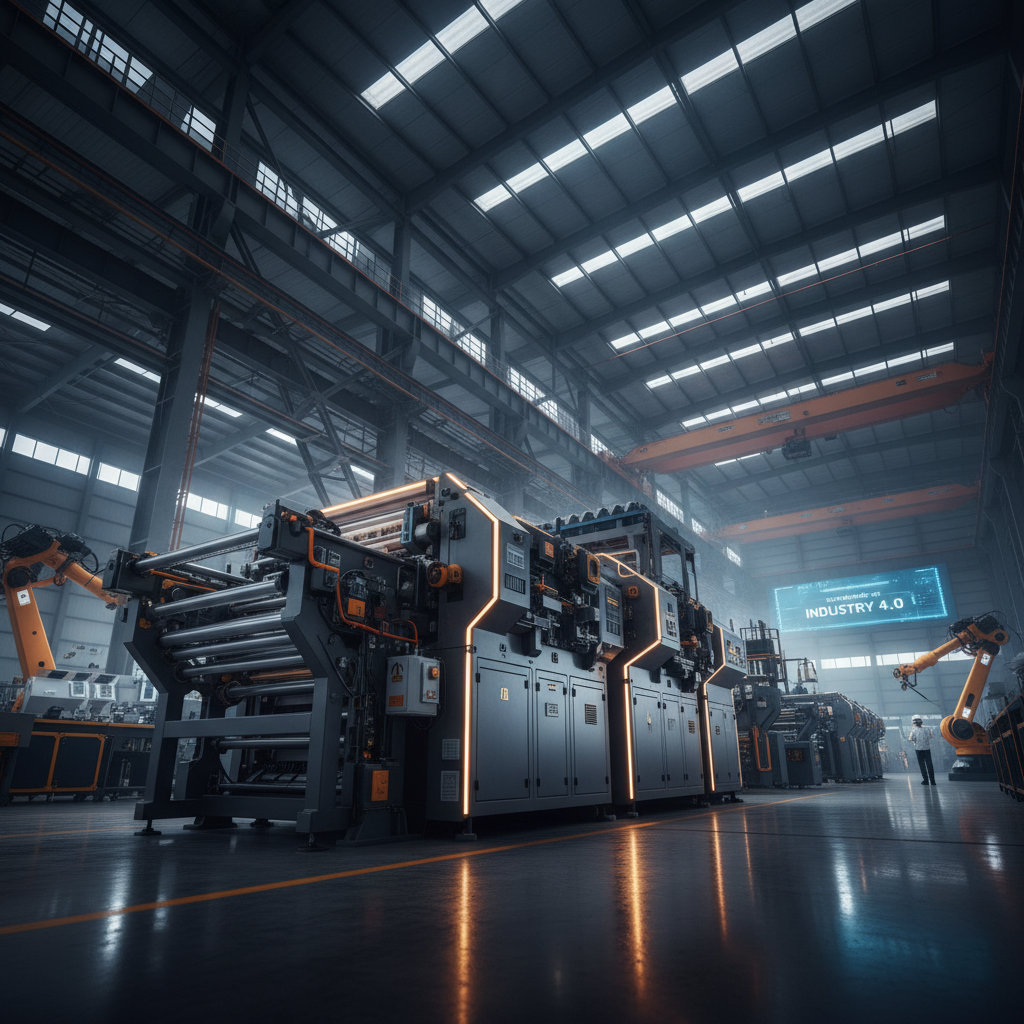
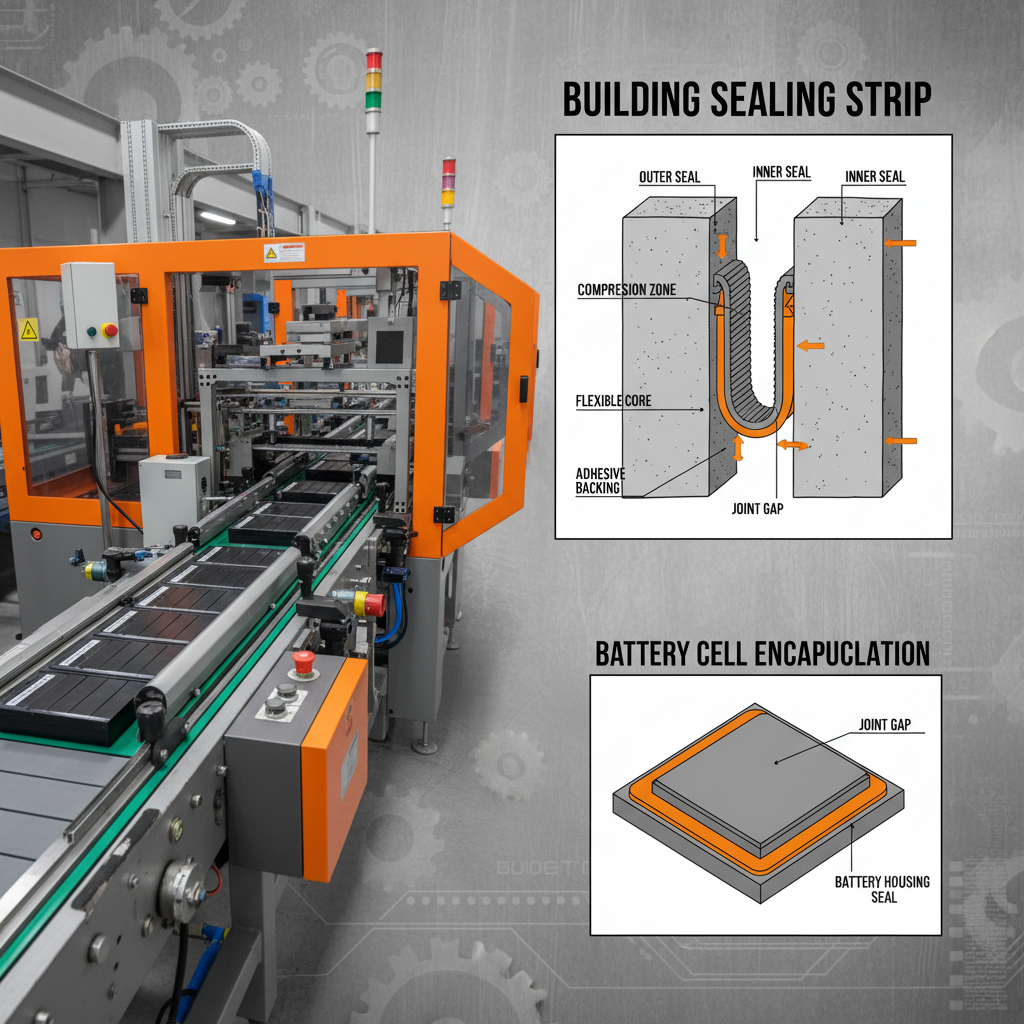
The global demand for efficient battery production is surging, driven by the exponential growth of electric vehicles (EVs), energy storage systems, and portable electronic devices. Central to this surge is the precise manufacturing of prismatic battery cells, and a critical step in this process is the slitting of electrode materials. A slitting machine for prismatic battery production ensures these materials are cut with exceptional accuracy, impacting battery performance, safety, and lifespan. Understanding the intricacies of this technology is paramount for anyone involved in the battery manufacturing ecosystem, from materials scientists and engineers to production managers and investors.
The advancement of slitting technology directly correlates with improvements in battery energy density, power output, and cycle life. Inefficient slitting can lead to defects, inconsistent electrode thickness, and ultimately, reduced battery quality. Therefore, optimizing this process is not simply about increasing production speed; it’s about achieving higher levels of precision and reliability. The global battery market is fiercely competitive, and companies that invest in cutting-edge slitting machine for prismatic battery production technologies will be best positioned to succeed.
Furthermore, the rising concerns around sustainability are driving demand for more efficient and waste-reducing manufacturing processes. Modern slitting machines are being designed to minimize material waste, reduce energy consumption, and integrate with automated production lines – all contributing to a more environmentally responsible battery manufacturing industry. Investing in innovative solutions for slitting machine for prismatic battery production is key to a sustainable energy future.
Introduction to slitting machine for prismatic battery production
A slitting machine for prismatic battery production is a specialized piece of equipment used in the manufacturing of prismatic batteries to precisely cut electrode materials – typically copper foil, aluminum foil, and polymer-coated substrates – into the required widths and lengths. This process is essential for ensuring the consistent performance, safety, and longevity of the final battery product. Without accurate slitting, the internal resistance of the battery can increase, leading to reduced capacity and potential thermal runaway.
The design and capabilities of these machines have evolved significantly alongside the rapidly growing demand for high-performance batteries. Modern machines incorporate advanced control systems, precision cutting blades, and automated features to optimize efficiency, minimize waste, and ensure consistent quality. Selecting the appropriate slitting machine for prismatic battery production is therefore a critical decision for battery manufacturers.
The Global Context of Prismatic Battery Slitting
The demand for prismatic batteries is soaring globally, primarily fueled by the electric vehicle revolution. According to the International Energy Agency (IEA), EV sales accounted for 18% of all car sales worldwide in 2023, and this number is projected to continue increasing rapidly. This growth directly translates to a greater need for efficient and high-quality battery manufacturing processes, including precise slitting of electrode materials. Asia, particularly China, currently dominates the prismatic battery production landscape, representing the largest market for slitting machine for prismatic battery production technologies.
Furthermore, the increasing deployment of energy storage systems (ESS) for renewable energy sources – such as solar and wind power – is further driving demand for prismatic batteries. These ESS require large quantities of batteries to store intermittent energy, creating another significant market for slitting technologies. The World Bank estimates that global investments in renewable energy infrastructure will reach trillions of dollars in the coming decades, further amplifying the need for robust battery supply chains and optimized manufacturing processes.
However, the rapid growth in battery production presents challenges. Maintaining consistent quality, reducing production costs, and minimizing environmental impact are critical concerns for manufacturers. Slitting machine for prismatic battery production technologies play a crucial role in addressing these challenges, and continuous innovation is essential to keep pace with the evolving demands of the market.
Defining a slitting machine for prismatic battery production
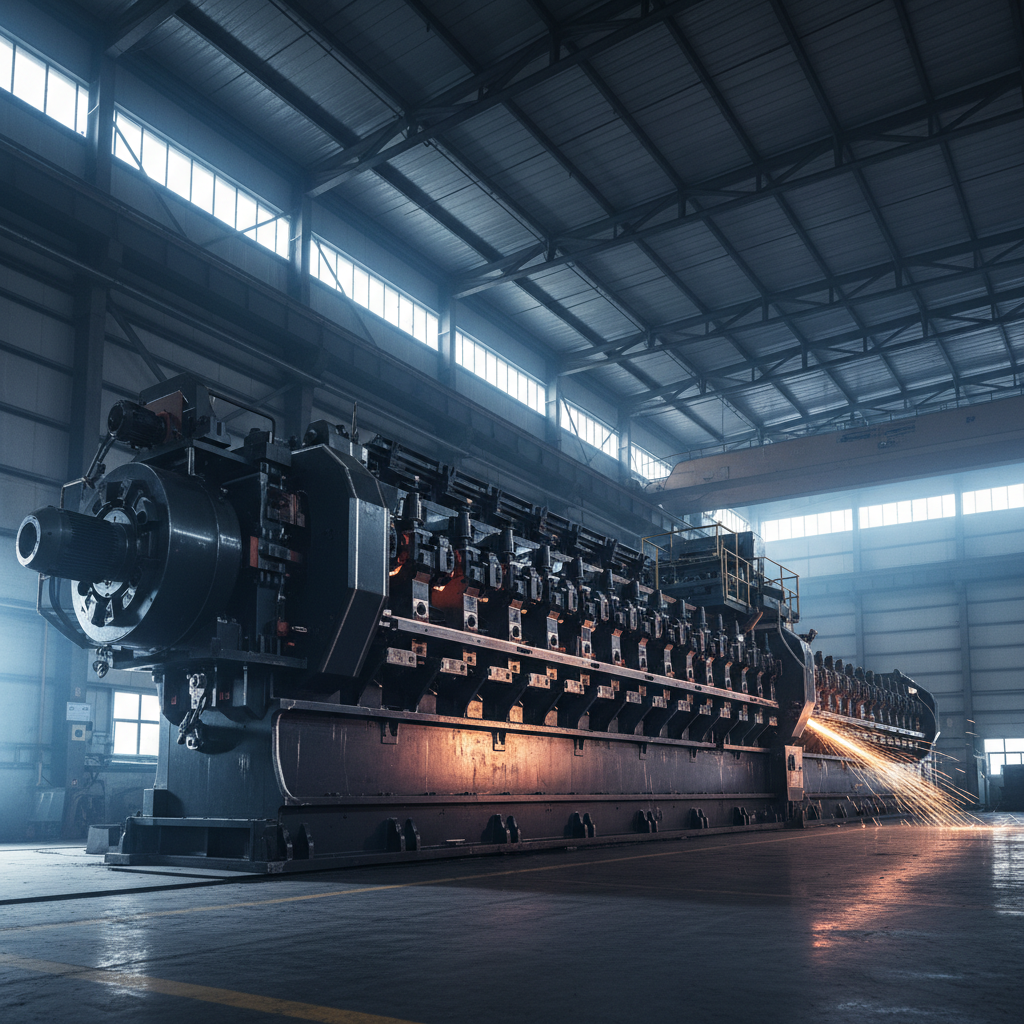
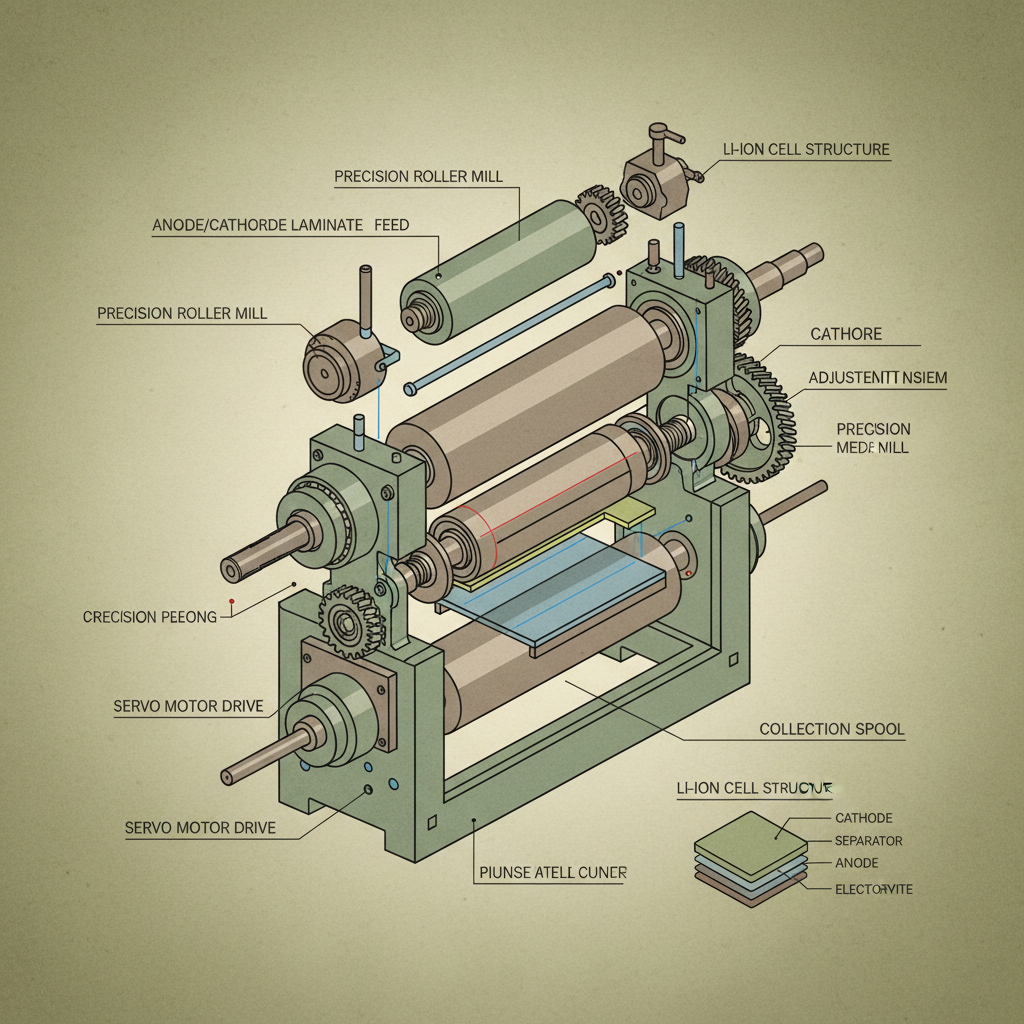
At its core, a slitting machine for prismatic battery production is designed to precisely divide large rolls of electrode material into narrower strips of specified widths. These strips are then used to create the electrodes within the battery cells. The machine typically consists of an unwinding unit, a slitting section with multiple blades, a winding unit, and a control system to manage the entire process. Modern machines often incorporate advanced features such as automatic tension control, defect detection, and web guiding systems.
The importance of this process extends beyond simply cutting the material. The quality of the slit edges directly impacts the performance and safety of the battery. Burrs, uneven edges, or microscopic tears can create hotspots within the cell, leading to increased internal resistance, reduced capacity, and potential thermal runaway. Therefore, the slitting machine must deliver consistently clean and precise cuts.
The connection between a well-functioning slitting machine for prismatic battery production and humanitarian needs lies in ensuring reliable access to energy storage solutions. Efficient energy storage, powered by high-quality batteries, is critical for providing power to remote communities, disaster relief efforts, and supporting the development of sustainable energy infrastructure in developing nations.
Key Factors in slitting machine for prismatic battery production Performance
Several key factors determine the performance and effectiveness of a slitting machine for prismatic battery production. These include blade sharpness and material, cutting speed, tension control, precision alignment, and automation capabilities. Each aspect plays a vital role in ensuring optimal results.
For example, blade sharpness directly influences the quality of the cut edge. Dull blades can cause tearing and burrs, while excessively sharp blades can create excessive dust. The cutting speed needs to be optimized to balance throughput with quality. Precise alignment is crucial for maintaining consistent width and minimizing waste.
Slitting Machine Performance Metrics
Global Applications and Use Cases
Slitting machine for prismatic battery production technologies are employed in battery manufacturing facilities worldwide. Major applications include the production of batteries for electric vehicles (EVs), power tools, laptops, smartphones, and energy storage systems (ESS). The geographic distribution of these applications closely mirrors the global distribution of battery manufacturing, with significant concentrations in China, South Korea, Japan, Europe, and the United States.
In post-disaster relief operations, reliable energy storage is crucial for powering emergency communication systems, medical equipment, and temporary shelters. Batteries produced using precision slitting technologies contribute to the effectiveness of these relief efforts. In remote industrial zones lacking grid connectivity, ESS powered by prismatic batteries provide a stable and sustainable power source for businesses and communities.
Advantages and Long-Term Value
Investing in a high-quality slitting machine for prismatic battery production delivers numerous tangible benefits, including reduced material waste, increased production efficiency, improved battery quality, and lower overall manufacturing costs. The enhanced precision also leads to improved battery safety and reliability, reducing the risk of recalls and warranty claims.
Beyond the economic advantages, these machines contribute to a more sustainable manufacturing process by minimizing waste and reducing energy consumption. The long-term value lies not only in cost savings but also in building a reputation for producing high-quality, safe, and reliable batteries, fostering customer trust and brand loyalty.
Future Trends and Innovations
The future of slitting machine for prismatic battery production technology is being shaped by several key trends. These include the integration of artificial intelligence (AI) and machine learning (ML) for real-time process optimization, the development of new blade materials and coatings for enhanced durability and precision, and the adoption of Industry 4.0 principles for fully automated and interconnected manufacturing lines.
Furthermore, there is a growing focus on developing slitting machines that can handle new battery materials, such as solid-state electrolytes and silicon anodes, which require different cutting parameters and techniques. The pursuit of sustainable manufacturing practices is also driving innovation in waste reduction and energy efficiency.
Digital transformation will play a crucial role, enabling remote monitoring, predictive maintenance, and data-driven decision-making. This will allow manufacturers to optimize their processes, minimize downtime, and improve overall efficiency.
FAQS
The lifespan of a slitting machine depends on usage, maintenance, and the quality of the machine itself. Typically, a well-maintained machine can operate effectively for 5-10 years, with regular blade replacements being a crucial part of ongoing maintenance. Factors such as the volume of production, the types of materials being slit, and the operating environment can all impact its longevity.
Modern slitting machines offer a wide range of automation features, from semi-automatic tension control and web guiding to fully automated material handling and defect detection. Fully automated systems can significantly reduce labor costs, improve precision, and increase throughput. The level of automation chosen depends on the specific needs and budget of the manufacturer.
Compatibility is crucial. Manufacturers should provide detailed specifications of their electrode materials – including thickness, width, and chemical composition – to the slitting machine supplier. The supplier can then recommend a machine with appropriate blade materials, cutting speeds, and tension control settings to ensure optimal performance and prevent damage to the materials.
Regular maintenance is essential for ensuring reliable operation. This includes frequent blade sharpening or replacement, cleaning of the machine components, lubrication of moving parts, and inspection of the tension control and web guiding systems. A preventative maintenance schedule should be established and followed diligently.
Safety is paramount. Key features include emergency stop buttons, safety guards to prevent access to moving parts, and interlock systems that automatically shut down the machine if a guard is removed. Proper training for operators is also critical to ensure they understand and follow safe operating procedures.
While the initial investment in a slitting machine for prismatic battery production can be significant, the long-term benefits often outweigh the costs. Reduced material waste, increased production efficiency, improved battery quality, and lower warranty claims all contribute to a strong return on investment. A well-chosen machine can significantly improve the profitability and competitiveness of a battery manufacturing operation.
Conclusion
In conclusion, the slitting machine for prismatic battery production is a critical component in the modern battery manufacturing landscape. Its ability to deliver precise and consistent cuts directly impacts battery performance, safety, and longevity. Investing in advanced slitting technologies is not merely about increasing production capacity, but about ensuring the quality and reliability of the batteries that power our increasingly electrified world.
As the demand for prismatic batteries continues to grow, manufacturers must prioritize innovation and automation in their slitting processes. By embracing new technologies and implementing robust maintenance practices, they can optimize efficiency, minimize waste, and position themselves for long-term success. Visit our website at www.xtshuoding.com to learn more about our advanced slitting solutions.