Slitting machines are integral to a vast array of industries, playing a critical role in converting large rolls of material into precise widths. From paper and film to textiles and nonwovens, these machines enable efficient production processes and cater to diverse application needs. The demand for slitting machines is directly tied to global manufacturing output and the increasing specialization of products, making it a cornerstone of modern industrial infrastructure.
The global market for slitting machines is experiencing steady growth, driven by expanding end-use sectors such as packaging, labeling, and converting. According to industry reports, the Asia-Pacific region represents the largest market share, fueled by rapid industrialization and a growing consumer base. However, demand is also increasing in North America and Europe, particularly for machines offering advanced automation and precision capabilities. This underscores the importance of innovation within the slitting machine industry.
Addressing the challenges of waste reduction, increased efficiency, and customized production runs, a reliable slitting machine is essential. It's a solution that enhances operational profitability and fosters sustainability within diverse manufacturing landscapes, ultimately contributing to economic growth and product quality.
Introduction to Slitting Machine Technology
Slitting machines are highly specialized pieces of equipment, designed to precisely cut large rolls of flexible materials into narrower rolls. This process is vital across numerous sectors, demanding a sophisticated understanding of material properties and cutting techniques. Investing in the right slitting machine is not just about cutting materials, but about ensuring product quality, reducing waste, and maximizing efficiency.
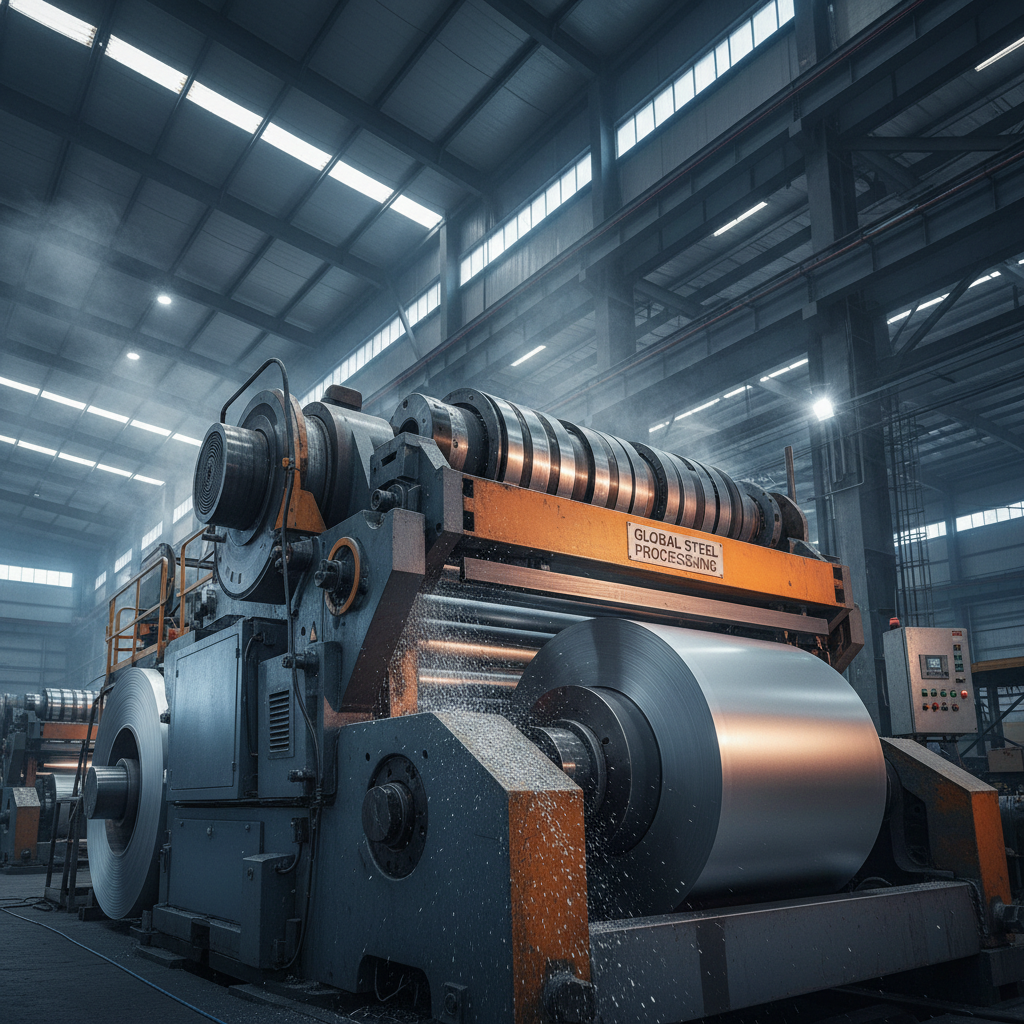
The core functionality involves unwinding the parent roll, guiding it through a series of blades, and then rewinding the slit rolls onto cores. Modern slitting machines incorporate advanced control systems and automation to optimize cutting accuracy, reduce downtime, and enhance overall productivity. Choosing a machine suitable for a specific application requires careful consideration of factors like material type, width, and desired slit quality.
Global Relevance and Industry Context
The demand for slitting machines is intrinsically linked to the health of the global manufacturing sector. Industries like packaging, printing, textiles, and the production of adhesive tapes all heavily rely on these machines. The expanding global packaging industry, driven by e-commerce and consumer goods demand, is a significant driver of growth for slitting machine manufacturers. With an estimated global packaging market value exceeding $1 trillion, the need for efficient slitting solutions is paramount.
Regions experiencing rapid economic growth, particularly in Asia, are witnessing the highest demand for slitting machines. China, India, and Southeast Asian countries are investing heavily in manufacturing infrastructure, leading to increased demand for slitting equipment. Furthermore, the rising emphasis on sustainability and waste reduction is encouraging manufacturers to adopt more efficient slitting technologies that minimize material loss.
The ISO standards related to material specifications and quality control play a crucial role in ensuring consistent performance and reliability of slitting machines. Manufacturers adhere to these standards to guarantee product safety and meet international market requirements. As global trade continues to expand, the importance of standardized slitting processes will only increase.
Defining the Slitting Machine
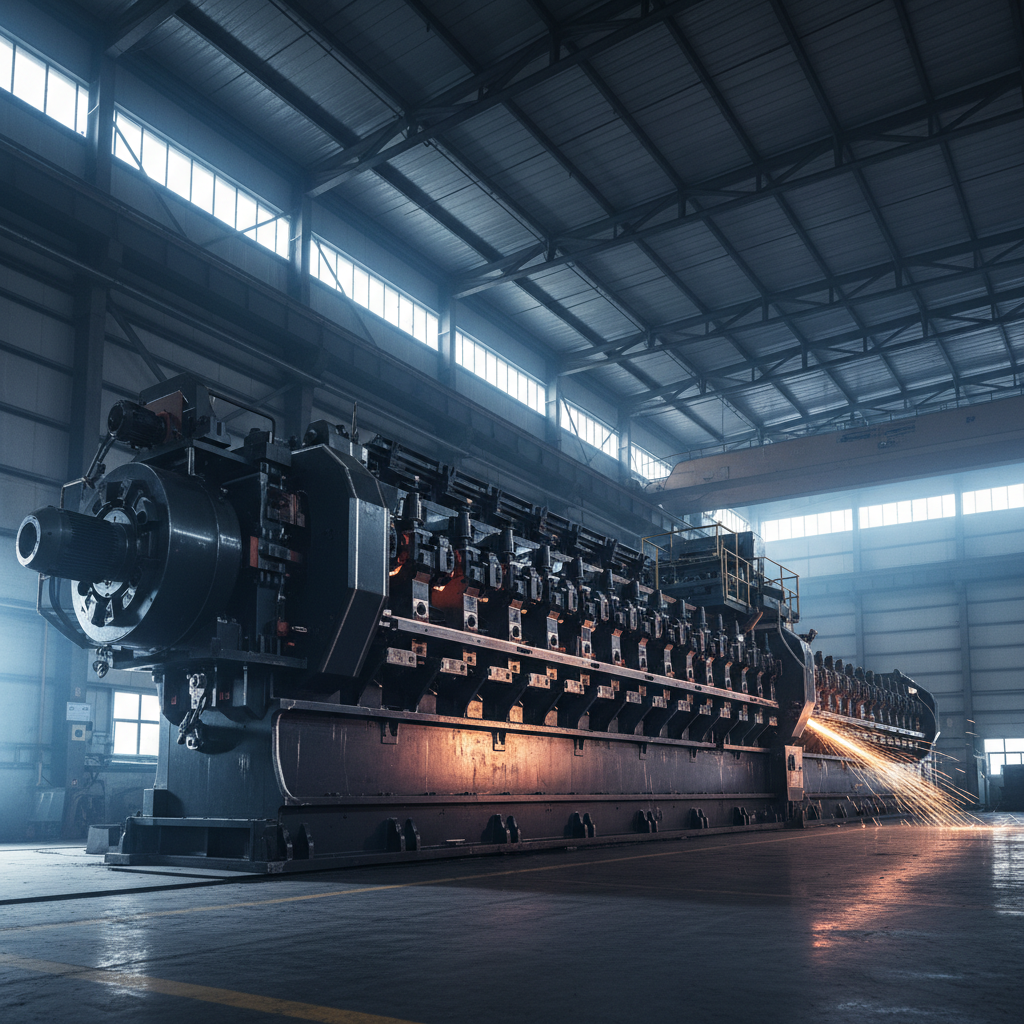
A slitting machine is, at its core, a precision cutting tool designed for converting wide rolls of material into narrower, more manageable rolls. Unlike shearing or rotary trimming, slitting focuses on creating multiple parallel cuts across the width of the material. This is achieved using a series of blades, known as slitting knives, that rotate or move linearly in relation to the material's path. A slitting machine effectively transforms raw material into finished goods ready for further processing or distribution.
The connection to modern industry is undeniable. Virtually every manufactured product that relies on flexible materials, from adhesive labels to medical films, has been processed using a slitting machine at some stage in its production. This extends to critical applications such as the production of lithium-ion battery separators, where precision slitting is essential for ensuring battery performance and safety.
Beyond industrial applications, slitting machines contribute to humanitarian needs through the production of essential goods like wound dressings, hygiene products, and packaging for food aid. The ability to efficiently process materials into usable formats makes them an invaluable asset in both developed and developing economies.
Key Operational Factors
Durability is paramount. A robustly built slitting machine minimizes downtime and reduces maintenance costs. High-quality materials and precision engineering contribute to a longer lifespan, providing a significant return on investment. Factors such as blade material, frame construction, and drive system all impact the overall durability.
Scalability refers to the machine's ability to handle varying material widths and thicknesses, and its capacity to adapt to changing production demands. A scalable machine offers flexibility and prevents obsolescence as business needs evolve. This includes features like adjustable slitting knife positions, variable speed control, and automated tension control systems.
Slitting Machine Performance Comparison
Real-World Applications
In the packaging industry, slitting machines are essential for producing precise widths of film, foil, and paper used in flexible packaging applications. This ensures accurate labeling, sealing, and overall product presentation, directly impacting consumer appeal. The demand for high-speed, automated slitting solutions in this sector is continually increasing.
The textile industry relies on slitting machines to convert large rolls of fabric into narrower widths for apparel manufacturing, automotive interiors, and industrial textiles. Precision slitting ensures consistent fabric dimensions and minimizes waste during cutting and sewing processes. In remote industrial zones within countries like Vietnam and Bangladesh, reliable slitting machinery is vital for maintaining competitive production capabilities.
Advantages and Long-Term Value
Investing in a high-quality slitting machine yields substantial cost savings through reduced material waste, increased production efficiency, and minimized downtime. Automated features like tension control and web guiding optimize material usage and prevent defects, directly impacting profitability. A well-maintained slitting machine contributes to a lower total cost of ownership over its lifespan.
Sustainability is increasingly important. By minimizing waste and optimizing material utilization, slitting machines support environmentally responsible manufacturing practices. The long-term reliability and durability of modern machines also contribute to a reduced environmental footprint. Furthermore, advanced slitting technologies enable the processing of recycled materials, promoting circular economy principles.
Future Trends & Technological Advancements
The integration of Industry 4.0 technologies, such as IoT sensors and data analytics, is transforming slitting machine operations. Real-time monitoring of machine performance, predictive maintenance capabilities, and remote diagnostics are becoming increasingly common, enhancing efficiency and reducing downtime. Digital twins are also being used to simulate slitting processes and optimize machine settings.
Automation will continue to be a key trend. Robotic systems for material handling, blade changing, and roll handling are improving efficiency and reducing labor costs. The development of new slitting blade materials and coatings is also enhancing cutting precision and extending blade life. A shift towards more energy-efficient and sustainable slitting technologies will also be a major focus.
FAQS
When choosing a slitting machine, prioritize material compatibility, width and thickness capacity, desired slitting precision, production speed requirements, automation features, and budget. Consider the long-term costs of maintenance, blade replacement, and potential downtime. A robust machine with scalable features is often the best investment, alongside seeking expert guidance to match the machine to your specific needs.
Blade replacement frequency depends on material type, thickness, and machine usage. Generally, blades should be inspected regularly for dullness, chipping, or damage. For abrasive materials, replacement might be needed after a few weeks, whereas for softer materials, blades can last several months. Preventative maintenance and blade sharpening can extend their lifespan.
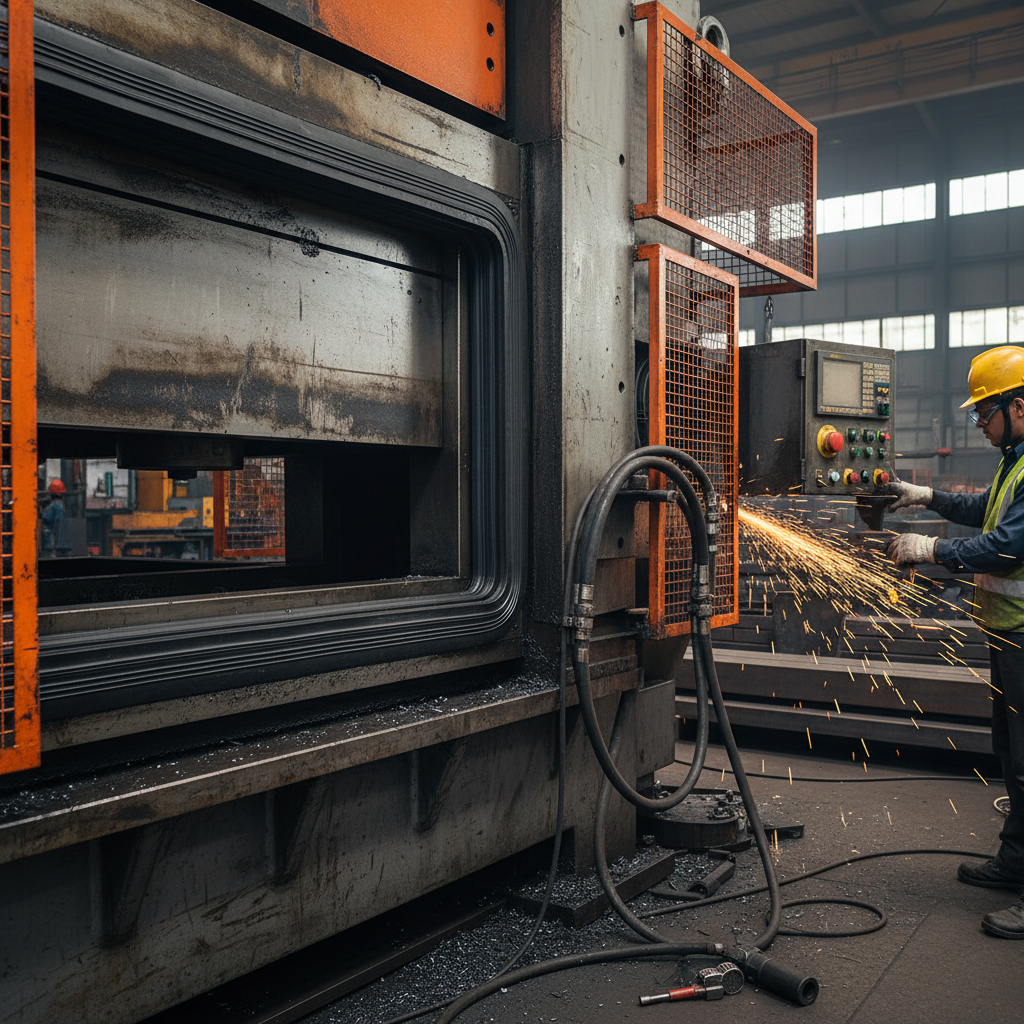
Essential safety features include blade guards, emergency stop buttons, light curtains, and machine interlocks. Proper operator training is crucial to ensure safe operation. Machines should comply with relevant safety standards like CE certification. Consider features such as automatic blade retraction and enclosed slitting stations to minimize operator exposure.
Minimize waste by optimizing slitting knife spacing, implementing accurate tension control, and utilizing web guiding systems to prevent material misalignment. Regularly inspect and maintain blades to ensure clean, precise cuts. Explore techniques like “nesting” or strategic arrangement of slitting patterns to maximize material utilization.
Tension control is critical for maintaining consistent material flow and achieving clean, accurate slitting. Improper tension can lead to material wrinkling, stretching, or breakage, resulting in defects and waste. Advanced slitting machines feature automated tension control systems that adjust tension based on material type and speed.
Shear slitting uses rotating blades that create a shearing action, ideal for thicker materials and offering a more durable cut. Razor slitting employs fixed blades that score and separate the material, suitable for thinner, delicate materials requiring a precise edge. The choice depends on material properties and desired cut quality.
Conclusion
In conclusion, the slitting machine remains a cornerstone of modern manufacturing, offering essential capabilities for converting and processing a wide range of flexible materials. From its fundamental role in optimizing production efficiency and reducing waste to its increasing integration with Industry 4.0 technologies, the slitting machine is a continually evolving tool. Understanding the nuances of these machines, from their core components to future trends, is crucial for industries seeking to maintain a competitive edge.
Looking forward, the slitting machine industry will continue to focus on innovation in areas such as automation, sustainability, and data analytics. Investing in advanced slitting technologies will not only enhance operational performance but also contribute to a more environmentally responsible and efficient manufacturing ecosystem. Explore the possibilities today – visit our website: www.xtshuoding.com.