0%

Table of Contents

Building sealing strip plays a crucial role in modern construction and infrastructure, extending beyond simple weatherproofing. Its application directly impacts energy efficiency, indoor air quality, and the overall longevity of structures. Globally, there's increasing demand for sustainable and high-performance building materials, driving innovation in building sealing strip technologies and materials. This demand is particularly pronounced in rapidly developing economies and regions facing extreme weather conditions.

The importance of effective building sealing stems from the significant energy losses that occur through cracks and gaps in building envelopes. These losses contribute to higher heating and cooling costs, increased carbon emissions, and diminished occupant comfort. Investing in quality building sealing strip is therefore a vital step toward achieving sustainable building practices and reducing environmental impact. Effective sealing also protects against moisture intrusion, preventing mold growth and structural damage, which contributes to long-term building resilience.

Understanding the nuances of building sealing strip – from material selection to proper installation – is essential for architects, contractors, and building owners alike. Choosing the right sealing solution can significantly reduce lifecycle costs, improve building performance, and contribute to a healthier and more sustainable built environment. The global market for these strips is experiencing consistent growth, fueled by stricter building codes and a growing awareness of energy conservation.
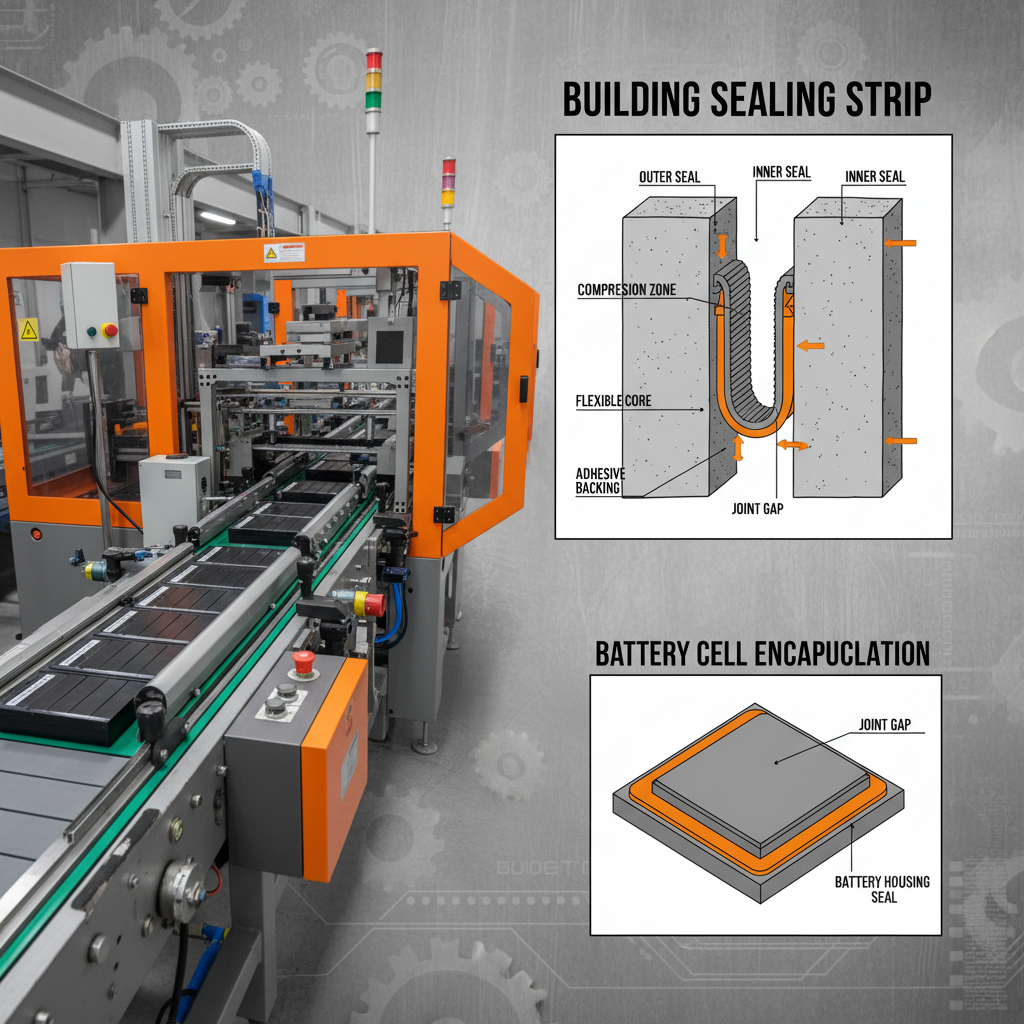
Optimizing Building Performance with Advanced Building Sealing Strip Solutions

Introduction to Building Sealing Strip
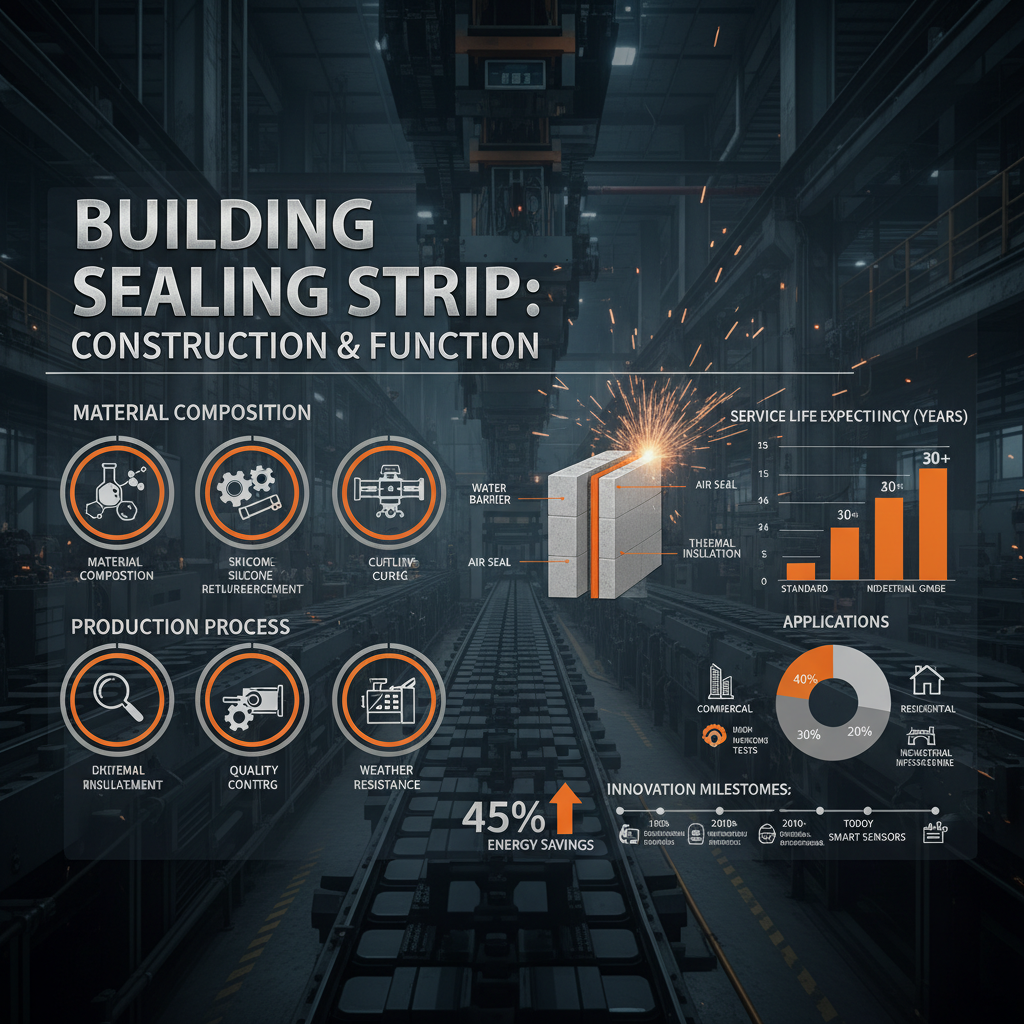
Optimizing Building Performance with Advanced Building Sealing Strip Solutions

The foundation of a durable and energy-efficient building lies in its ability to effectively seal against the elements. Building sealing strip is the critical component that enables this, bridging gaps and preventing air and water infiltration. Proper sealing is not merely an aesthetic consideration; it’s a fundamental aspect of building performance, directly impacting heating, ventilation, and air conditioning (HVAC) efficiency.

A variety of materials are employed in the manufacture of building sealing strip, each offering unique properties suited to different applications. From durable EPDM rubber and flexible silicone to cost-effective polyethylene foam, the choice of material depends on factors like environmental exposure, temperature fluctuations, and the desired level of performance. Selecting the appropriate building sealing strip is a crucial step in ensuring long-term building integrity.

Global Relevance and Challenges

Globally, the construction industry is facing increasing pressure to adopt sustainable practices. Building codes are becoming more stringent, mandating higher levels of energy efficiency and reduced carbon footprints. This trend directly fuels the demand for high-performance building sealing strip. The United Nations Sustainable Development Goals (SDGs), particularly Goal 11 (Sustainable Cities and Communities), emphasize the importance of creating resilient and resource-efficient infrastructure.

However, challenges remain in ensuring the widespread adoption of effective sealing technologies. One significant hurdle is the lack of awareness among some contractors and builders regarding the importance of proper installation techniques. Incorrect installation can negate the benefits of even the highest-quality materials. Furthermore, cost considerations can sometimes lead to the selection of inferior products, compromising long-term performance and potentially resulting in costly repairs.

Climate change is also exacerbating the need for robust building sealing. More frequent and intense weather events, such as hurricanes, floods, and extreme temperatures, demand building envelopes that can withstand these challenges. Building sealing strip plays a vital role in protecting structures from water damage, wind infiltration, and energy loss during these events, contributing to greater resilience.

Defining Building Sealing Strip

Building sealing strip refers to a flexible material used to create airtight and watertight seals between building components. These components can include windows, doors, walls, roofs, and foundations. The primary function of building sealing strip is to prevent the passage of air, water, dust, and insects, thereby improving energy efficiency, protecting against moisture damage, and enhancing indoor air quality.

Its connection to modern industry and humanitarian needs is profound. In developed nations, building sealing strip contributes to reducing energy consumption and mitigating climate change. In developing countries, it plays a crucial role in providing safe, durable, and comfortable shelter, particularly in disaster relief situations and affordable housing projects. The materials used can range from simple foams to advanced polymers.

Essentially, building sealing strip is a crucial element in the building envelope, acting as the first line of defense against the external environment. Its ability to adapt to movement and temperature changes, while maintaining a consistent seal, makes it an indispensable component of modern construction.

Key Factors for Effective Sealing

Several key factors contribute to the effectiveness of building sealing. Durability is paramount, ensuring the strip can withstand years of exposure to UV radiation, temperature fluctuations, and physical stress without degrading or losing its sealing properties. Flexibility is also critical, allowing the strip to accommodate movement between building components caused by thermal expansion and contraction, or seismic activity.

Adhesion is another vital aspect, guaranteeing a strong and lasting bond between the strip and the building surface. Proper surface preparation is essential to achieve optimal adhesion. Weather Resistance ensures the strip maintains its integrity and sealing performance even in harsh environmental conditions, such as prolonged exposure to rain, snow, and extreme temperatures.

Building Sealing Strip Performance Metrics


Applications Across Industries

The applications of building sealing strip are incredibly diverse, extending beyond residential construction. In the automotive industry, sealing strips are used to reduce wind noise and improve vehicle efficiency. The aerospace sector relies on specialized sealing materials to maintain cabin pressure and protect against extreme temperatures.

In post-disaster relief operations, lightweight and rapidly deployable shelters often utilize sealing strips to create watertight and insulated environments for displaced populations. Furthermore, in the renewable energy sector, sealing strips play a vital role in ensuring the airtightness of wind turbine nacelles and solar panel installations, maximizing energy production.

Long-Term Value and Advantages

Investing in high-quality building sealing strip delivers significant long-term value. Reduced energy costs translate into substantial savings for building owners and occupants. Improved indoor air quality contributes to a healthier and more productive environment, boosting occupant well-being. Increased building durability reduces the need for costly repairs and replacements.

From a sustainability perspective, effective sealing reduces carbon emissions and minimizes waste. The use of eco-friendly materials, such as recycled rubber or bio-based polymers, further enhances the environmental benefits. Beyond the tangible benefits, using quality sealing solutions fosters trust and a sense of security, knowing that the building is well-protected against the elements.

Future Trends and Innovations

The future of building sealing strip is likely to be shaped by several key trends. The development of self-healing sealing materials, capable of automatically repairing minor damage, is a promising area of research. Integration with smart building technologies, such as sensors that monitor sealing performance and alert building managers to potential issues, is also gaining traction.

Increased use of bio-based and recyclable materials will contribute to a more circular economy. Furthermore, advancements in 3D printing technology could enable the customized production of sealing strips tailored to specific building geometries and performance requirements, accelerating the adoption of green building practices.

Analysis of Building Sealing Strip Material Properties

Material Type Durability Score (1-10) Cost Effectiveness Score (1-10) Environmental Impact Score (1-10)
EPDM Rubber 9 7 6
Silicone 10 5 5
Polyethylene Foam 6 9 3
Acrylic Foam 7 8 4
Butyl Rubber 8 6 7
Neoprene 8 7 5

FAQS

What is the lifespan of a typical building sealing strip?

The lifespan of a building sealing strip varies depending on the material, environmental conditions, and quality of installation. Generally, EPDM rubber and silicone strips can last 20-30 years, while polyethylene foam strips have a shorter lifespan of around 10-15 years. Proper maintenance and UV protection can extend the lifespan of any sealing strip. Regular inspections are crucial to identify and address any signs of degradation early on.

How does temperature affect building sealing strip performance?

Temperature fluctuations can significantly impact building sealing strip performance. Expansion and contraction due to temperature changes can stress the material, potentially leading to cracks or loss of adhesion. Selecting a flexible material that can accommodate these movements is crucial. Some materials, like silicone, are more resistant to temperature extremes than others. Also, proper installation techniques, such as using a neutral cure sealant, help mitigate the effects of temperature changes.

What are the best practices for installing building sealing strip?

Proper installation is vital for optimal performance. Ensure surfaces are clean, dry, and free of dust and debris before applying the strip. Use a compatible adhesive or sealant. Apply consistent pressure during installation to ensure a strong bond. Avoid stretching the strip excessively, as this can reduce its effectiveness. Finally, inspect the installation carefully for any gaps or imperfections.

How can I identify a failing building sealing strip?

Signs of a failing building sealing strip include cracks, gaps, peeling, or loss of elasticity. You might also notice drafts, water leaks, or increased energy bills. Condensation on windows or walls can also indicate air leakage. Regular visual inspections are recommended, especially after severe weather events. Addressing these issues promptly can prevent further damage.

Are there eco-friendly alternatives to traditional building sealing strips?

Yes, there are increasingly eco-friendly alternatives available. These include sealing strips made from recycled rubber, bio-based polymers (derived from plant sources), and low-VOC (volatile organic compound) materials. Choosing these options reduces the environmental impact and contributes to a healthier indoor environment. Look for certifications like GreenGuard or Cradle to Cradle to verify the sustainability of the product.

What is the difference between backer rod and building sealing strip?

Backer rod is a compressible material used to fill large gaps before applying sealant, while building sealing strip is the sealant itself. Backer rod provides support for the sealant and controls its depth. The sealing strip creates the airtight and watertight seal. They are often used together: the backer rod creates the proper cavity, and the sealing strip fills it.

Conclusion

In conclusion, building sealing strip is an essential component of modern construction, offering significant benefits in terms of energy efficiency, durability, and sustainability. From reducing energy costs and protecting against moisture damage to enhancing indoor air quality and contributing to a healthier environment, the advantages are numerous and far-reaching. The proper selection, installation, and maintenance of building sealing strip are crucial for maximizing its performance and ensuring long-term value.

Looking ahead, continued innovation in materials and technologies will further enhance the effectiveness and sustainability of building sealing solutions. Embracing these advancements and prioritizing quality sealing practices is vital for creating resilient, resource-efficient, and comfortable buildings for generations to come. Visit our website at www.xtshuoding.com to explore our comprehensive range of building sealing strip products and solutions.

Robert Miller

Robert Miller

Robert Miller is a seasoned Project Manager at Xingtai Shuoding Trading Co., Ltd, specializing in lithium battery production line equipment. With over 15 years of experience in international trade and manufacturing, Robert focuses on facilitating smooth collaborations between our factories and US-based importers. He plays a crucial role in the
Previous Comprehensive Guide to Aluminum Alloy Door and Window Sealing Strips Applications
Next D Type Rubber Seal Strip Applications and Industrial Significance