The d type rubber seal strip plays a crucial role in a wide range of industries, from automotive and construction to aerospace and manufacturing. These seals are designed to prevent the passage of fluids, gases, and contaminants, ensuring the efficient and reliable operation of machinery and structures. Understanding the properties and applications of d type rubber seal strip is vital for engineers, designers, and maintenance professionals seeking to optimize performance and longevity in diverse environments.
Globally, the demand for high-quality sealing solutions is increasing due to factors such as stringent environmental regulations, the growth of infrastructure projects, and the need for enhanced safety in various applications. The d type rubber seal strip offers a versatile and cost-effective solution to meet these demands, providing a robust barrier against leaks and failures. Its adaptability to different shapes and sizes, combined with its resistance to various chemicals and temperatures, makes it a preferred choice across industries.
The significance of the d type rubber seal strip extends beyond purely functional aspects. Effective sealing contributes to energy conservation, reduces waste, and enhances product quality. In critical applications, such as medical devices and food processing equipment, these seals ensure hygiene and prevent contamination, protecting public health and safety. Therefore, a thorough comprehension of the d type rubber seal strip is essential for driving innovation and sustainable practices across numerous sectors.
Introduction to d type rubber seal strip
The d type rubber seal strip, characterized by its distinct D-shaped cross-section, is a widely utilized sealing solution known for its effectiveness and versatility. It's often employed in applications where a tight, reliable seal is needed to prevent leakage and contamination. Its relatively simple design allows for easy installation and adaptation to various surface geometries, making it a cost-effective choice for numerous industrial needs.
These seal strips are commonly constructed from materials such as EPDM, neoprene, silicone, and nitrile rubber, each offering specific properties suited to different environments and applications. Selecting the correct material is crucial to ensure compatibility with the fluids or gases being sealed, as well as resistance to temperature variations, UV exposure, and other potential degradation factors. Choosing the right d type rubber seal strip material is important.
Global Relevance and Industry Context
The global sealing industry is a multi-billion dollar market, driven by the continuous expansion of manufacturing, construction, and automotive sectors. According to market research reports, the demand for rubber seals, including the d type rubber seal strip, is projected to grow steadily in the coming years. Factors such as increased industrialization in emerging economies, stricter environmental regulations, and advancements in materials science are all contributing to this growth.
The automotive industry is a particularly significant consumer of d type rubber seal strip, utilizing them in doors, windows, trunks, and engine components to provide weatherproofing, noise reduction, and vibration damping. The construction industry relies on these seals to create airtight and watertight building envelopes, improving energy efficiency and protecting against the elements. Furthermore, industries like aerospace, food processing, and pharmaceuticals demand high-performance seals to ensure safety, hygiene, and operational reliability.
A challenge facing the industry is the increasing pressure to reduce reliance on fossil fuel-based materials and adopt more sustainable solutions. The development of bio-based rubber compounds and the implementation of circular economy principles are becoming increasingly important to address environmental concerns and meet evolving consumer demands.
Defining d type rubber seal strip
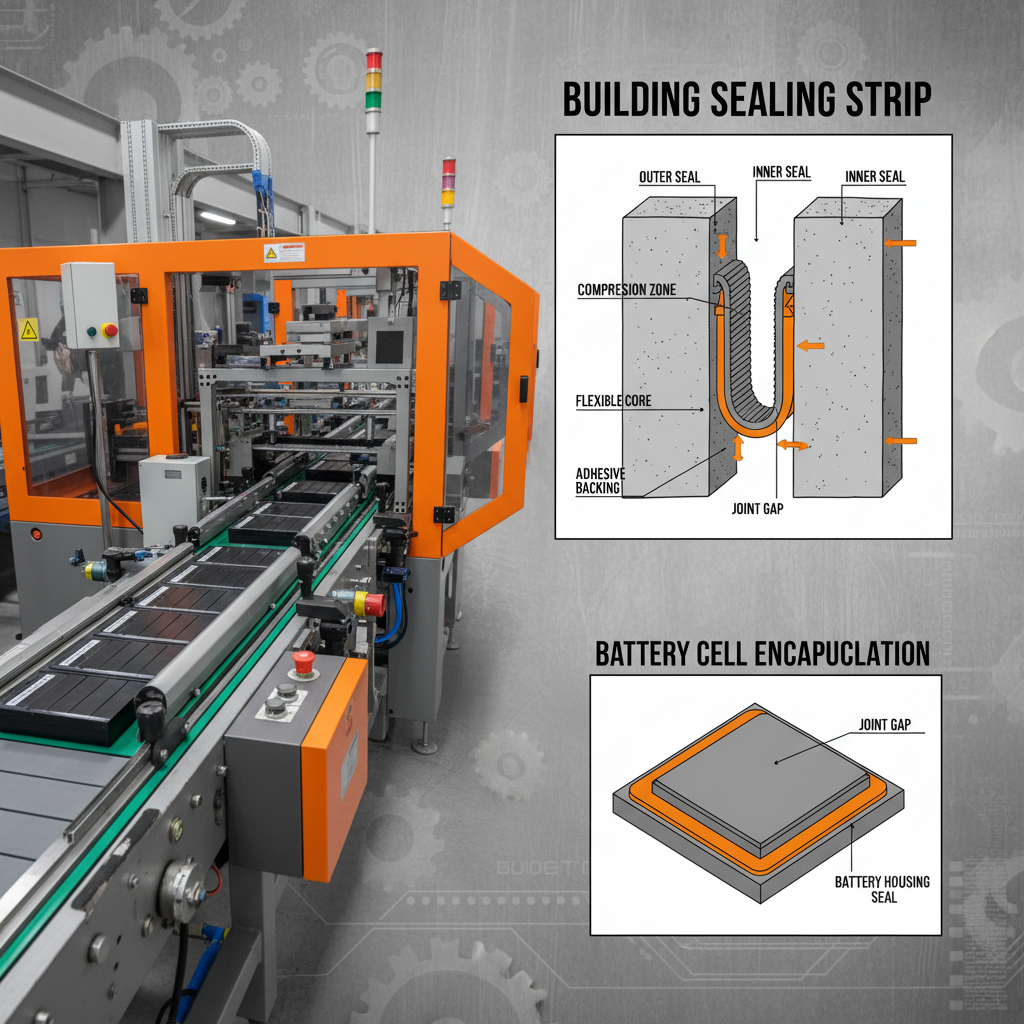
The d type rubber seal strip is a simple yet effective sealing component, easily identified by its characteristic D-shape when viewed in cross-section. This shape allows for a secure fit into grooves or channels, creating a tight barrier against the passage of fluids, gases, dust, and other contaminants. The "D" faces the sealed media, providing a resilient surface that compresses against the mating surface, effectively blocking leakage.
The connection to modern industry is undeniable. Without reliable seals like the d type rubber seal strip, many industrial processes would be impossible. Imagine the inefficiencies and safety hazards associated with leaking hydraulic systems, contaminated food processing lines, or poorly sealed automotive components. These seals are fundamental to ensuring the smooth and safe operation of countless applications.
In humanitarian contexts, d type rubber seal strip can indirectly contribute to disaster relief efforts by ensuring the integrity of temporary shelters, water purification systems, and medical equipment. While not a direct aid item, its role in maintaining the functionality of critical infrastructure makes it a valuable component in broader resilience strategies.
Key Factors of d type rubber seal strip Performance
Several key factors dictate the performance and suitability of a d type rubber seal strip for a given application. Durability is paramount, referring to the seal’s ability to withstand repeated compression, abrasion, and exposure to environmental factors without losing its sealing properties. This is heavily influenced by the material composition and quality of manufacturing.
Another critical aspect is Material Compatibility. The rubber material must be chemically compatible with the fluids or gases it is intended to seal. Incompatibility can lead to swelling, degradation, and ultimately, seal failure. Temperature Resistance is equally important, as extreme temperatures can affect the elasticity and sealing performance of the rubber. Finally, Compression Set refers to the permanent deformation of the seal after prolonged compression. A low compression set indicates the seal will retain its ability to rebound and maintain a tight seal over time.
d type rubber seal strip Performance Metrics
Global Applications and Use Cases
The d type rubber seal strip finds widespread application across numerous industries globally. In the automotive sector, they are essential for sealing doors, windows, and trunks, contributing to vehicle comfort, safety, and fuel efficiency. In the construction industry, these seals are used to create airtight and watertight building envelopes, reducing energy consumption and protecting against weather damage.
Manufacturing plants utilize d type rubber seal strip in a variety of machinery and equipment, preventing leaks of hydraulic fluids, lubricating oils, and other critical substances. The food and beverage industry relies on these seals to maintain hygiene and prevent contamination in processing and packaging systems. Moreover, in remote industrial zones, the availability of durable and reliable d type rubber seal strip ensures uninterrupted operation of critical infrastructure.
The aerospace industry employs specialized, high-performance d type rubber seal strip in aircraft doors, windows, and fuel tanks, demanding exceptional resistance to extreme temperatures, pressures, and fluids. In post-disaster relief operations, these seals can be used in temporary shelters and water purification systems, contributing to improved living conditions and public health.
Advantages and Long-Term Value
The advantages of utilizing d type rubber seal strip extend beyond simple sealing functionality. Cost-efficiency is a major benefit, as these seals are relatively inexpensive to manufacture and install compared to more complex sealing solutions. Their versatility allows for adaptation to various applications, reducing the need for multiple specialized components. Choosing a d type rubber seal strip can save money long term.
From a sustainability perspective, the use of durable, long-lasting seals like the d type rubber seal strip reduces waste and minimizes the need for frequent replacements. Improved sealing performance contributes to energy conservation by preventing leaks and maintaining system efficiency. Logically, a reliable seal translates to reduced downtime and maintenance costs, maximizing productivity and profitability. Emotionally, the assurance of safety and reliability provided by effective sealing fosters trust and confidence in products and systems.
Future Trends and Innovations
The future of d type rubber seal strip is intertwined with advancements in materials science, manufacturing technologies, and sustainability initiatives. The development of bio-based rubber compounds, derived from renewable resources, is gaining momentum as a way to reduce reliance on fossil fuels and minimize environmental impact. Smart seals, incorporating sensors and data analytics, are also emerging as a potential innovation, enabling real-time monitoring of seal performance and predictive maintenance.
Digital transformation is playing a role in optimizing the design and manufacturing of d type rubber seal strip, with computer-aided design (CAD) and finite element analysis (FEA) tools enabling engineers to create more efficient and reliable sealing solutions. The increasing adoption of automation in manufacturing processes is also driving down costs and improving quality. Further, a push towards circular economy principles, including seal recycling and reuse, will become increasingly important in minimizing waste and promoting sustainable practices.
Challenges and Solutions
Despite their widespread use, d type rubber seal strip face certain limitations. One challenge is maintaining consistent sealing performance over a wide range of temperatures and pressures. Another is ensuring compatibility with aggressive chemicals and fluids. Furthermore, the potential for degradation due to UV exposure and ozone can reduce the lifespan of the seals.
Solutions to these challenges include the development of advanced rubber formulations with improved resistance to environmental factors and chemical attack. The use of protective coatings and additives can also enhance durability and extend service life. Innovative seal designs, incorporating features such as multi-lip configurations and spring energizers, can improve sealing performance under extreme conditions.
Optimizing groove design and surface finish is crucial for achieving a proper seal. Implementing rigorous quality control measures throughout the manufacturing process, from material selection to final inspection, is essential for ensuring consistent performance and reliability.
Analysis of Key Performance Indicators for d type rubber seal strip
| Material Type |
Temperature Resistance (°C) |
Chemical Compatibility (Rating 1-10) |
Durability Score (1-10) |
| EPDM |
-50 to +150 |
7 |
8 |
| Neoprene |
-40 to +120 |
8 |
7 |
| Silicone |
-60 to +200 |
6 |
6 |
| Nitrile |
-40 to +100 |
9 |
9 |
| Fluorosilicone |
-50 to +200 |
7 |
7 |
| Viton |
-40 to +200 |
10 |
8 |
FAQS
The d type rubber seal strip offers a compelling combination of simplicity, cost-effectiveness, and versatility. Its D-shape allows for easy installation into grooves and provides a reliable seal across a wide range of applications. Compared to more complex sealing profiles, it often requires less tooling and offers a faster installation process, leading to reduced labor costs. Its material options also offer a wide range of chemical and temperature resistance.
Choosing the correct material is critical. Consider the fluid or gas being sealed, the operating temperature range, and potential exposure to chemicals or UV radiation. EPDM is excellent for outdoor applications and water-based fluids, while Nitrile is ideal for oil-based fluids. Silicone is suited for high-temperature applications, and Viton offers superior chemical resistance. Consulting a seal specialist can help ensure optimal material selection.
The lifespan varies depending on the material, operating conditions, and application. Generally, a properly installed and maintained d type rubber seal strip can last for several years. Factors like UV exposure, temperature fluctuations, and chemical exposure can accelerate degradation. Regular inspection and replacement are recommended to prevent failures and maintain optimal sealing performance.
Yes, certain materials like FDA-compliant silicone and EPDM are suitable for food-grade applications. These materials are non-toxic and can withstand repeated cleaning and sterilization processes. It's crucial to verify that the chosen material meets the specific regulatory requirements for food contact applications.
Proper installation is vital for achieving a reliable seal. Ensure the groove or channel is clean and free of debris. Gently stretch the seal strip as you install it, avoiding excessive force that could damage the material. Use a lubricant if necessary to facilitate installation. Verify that the seal is fully seated in the groove and that there are no gaps or distortions.
The environmental impact of d type rubber seal strip is increasingly being addressed through the development of bio-based rubber compounds and recycling initiatives. Choosing materials with lower volatile organic compound (VOC) emissions can also contribute to a more sustainable solution. Responsible disposal and recycling of used seals are essential to minimize environmental harm.
Conclusion
In summary, the d type rubber seal strip remains a fundamental component across a vast spectrum of industries, offering a reliable, cost-effective, and versatile solution for preventing leaks, contamination, and maintaining system integrity. Understanding the key factors influencing its performance – material compatibility, temperature resistance, and durability – is crucial for engineers and designers seeking to optimize their applications.
Looking ahead, innovations in materials science and manufacturing processes, coupled with a growing emphasis on sustainability, will continue to shape the evolution of d type rubber seal strip. Embracing these advancements will not only enhance performance but also contribute to a more environmentally responsible future. For high-quality d type rubber seal strip solutions, visit our website today!