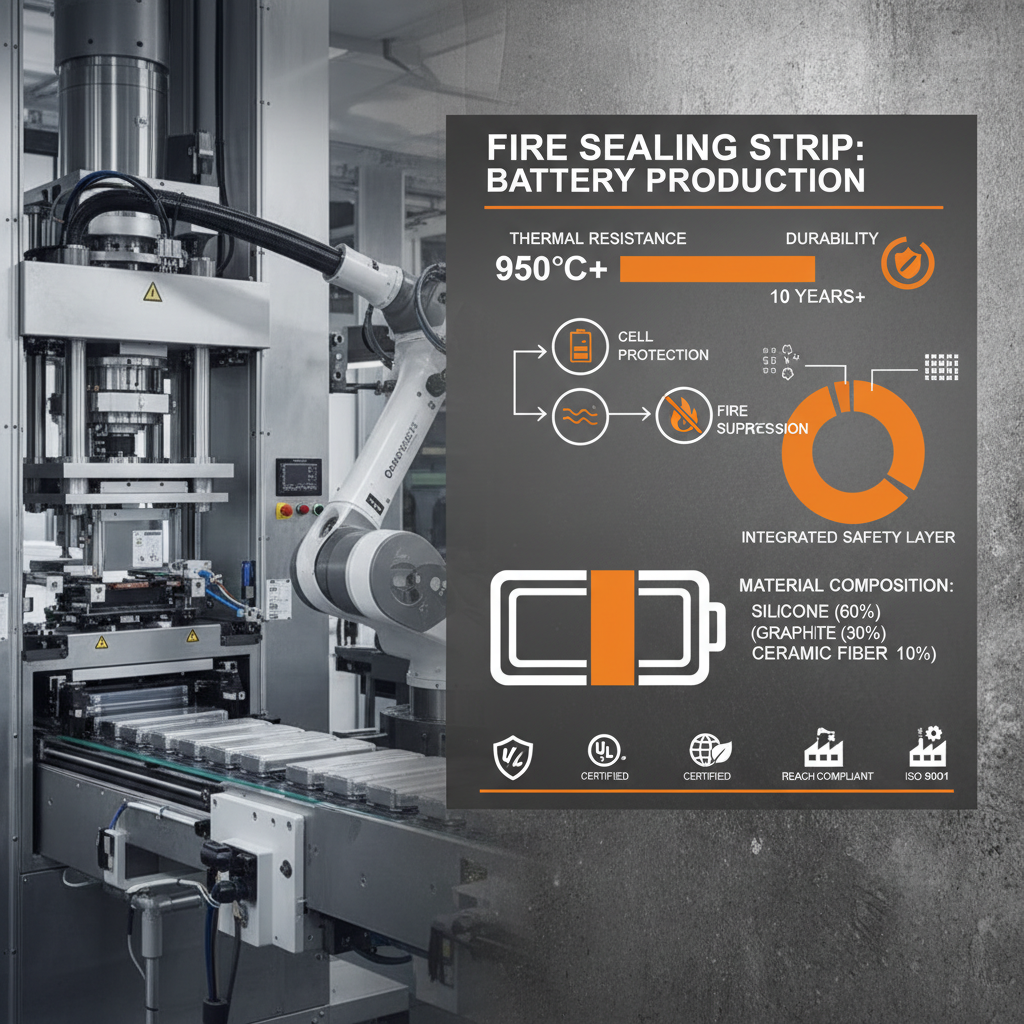
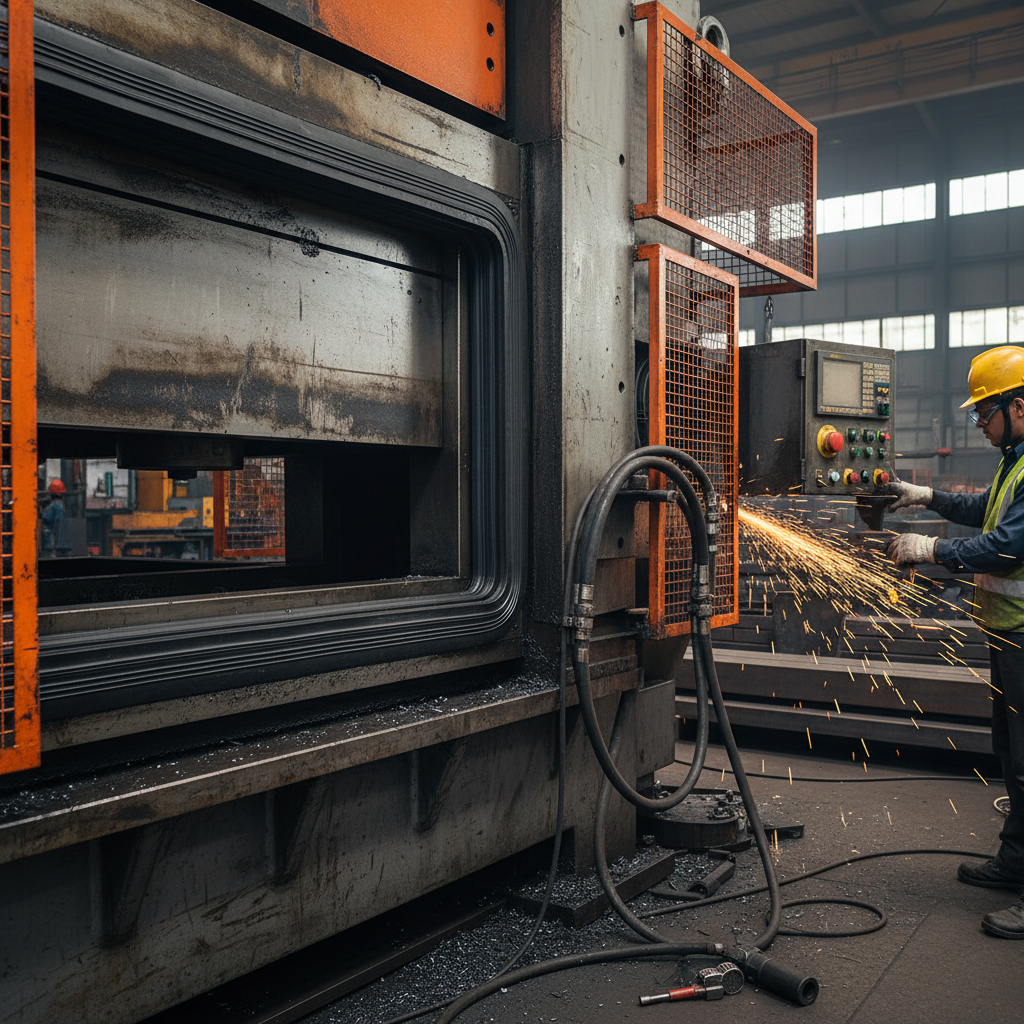
Look, I’ve spent the last fifteen years knee-deep in dust and concrete, watching buildings rise from the ground. I’ve seen a lot of shortcuts taken, a lot of corners cut, and a lot of fires where they shouldn't be. And that’s why I’m telling you, understanding fire sealing strip isn’t just about ticking a box on a safety checklist; it's about protecting lives and ensuring a structure stands strong, even when things go sideways. It’s the quiet guardian of any building, and a well-chosen, properly installed system is the difference between a contained incident and a full-blown disaster.
These aren’t just strips of rubber or foam, folks. Modern fire sealing strip is engineered material, designed to react to intense heat and prevent the spread of flames and toxic smoke through gaps in fire-rated walls and floors. It's a crucial component of passive fire protection, and increasingly important as building designs get more complex and we push the boundaries of construction. We’re seeing a lot more reliance on modular builds and fast-track construction, which makes getting these details right even more critical.
Honestly, I've seen too many projects where it's been treated as an afterthought. That's a mistake you only make once. A properly specified and installed fire sealing strip system can save lives, protect property, and even save your company from massive liability. It's a small investment for a huge return on peace of mind.
The Importance of Fire Sealing Strip in Modern Construction
I’ve been on sites where the fire marshals practically shut things down because of missing or incorrectly installed fire sealing. It's frustrating because it's often a simple fix, but it's a non-negotiable. The reality is, modern buildings are full of penetrations – pipes, cables, ducts – all creating pathways for fire and smoke. Without proper sealing around these, your fire-rated walls become swiss cheese. A good fire sealing strip system stops that.
And it’s not just about new builds, either. Retrofitting existing structures is a huge part of the market, especially with older buildings needing to meet updated fire codes. That means finding solutions that work with existing conditions and minimizing disruption. That’s where experience really comes in – knowing what will work, what won’t, and how to make it happen.
Global Context and Fire Safety Regulations
The demand for robust fire safety measures, and therefore quality fire sealing strip, is driven by increasingly stringent global regulations. Organizations like the International Organization for Standardization (ISO) and national building codes are constantly evolving to address emerging fire risks. You see this particularly in high-density urban areas and buildings with complex infrastructure. The UN’s Sustainable Development Goals also emphasize building resilient infrastructure, which directly ties into fire safety.
What I’ve noticed traveling internationally is that enforcement varies wildly. Some countries are meticulous, while others… well, let’s just say they're more relaxed. But the underlying principle remains the same: preventing catastrophic fire damage and protecting lives. Ignoring these regulations isn’t just reckless, it's often illegal and can lead to massive fines and project delays.
The cost of inaction is staggering. According to the National Fire Protection Association (NFPA), direct property damage from fire in the U.S. alone runs into the billions annually. Globally, those numbers are exponentially higher. Properly installed fire sealing strip is a small price to pay compared to that kind of loss.
Defining Fire Sealing Strip: Types and Materials
Okay, let's break down what we’re actually talking about. Fire sealing strip isn’t a one-size-fits-all solution. You’ve got intumescent strips – those expand when exposed to heat, effectively plugging gaps. Then you've got fire-rated sealants, which create a fire-resistant barrier. There are also composite systems combining both. The choice depends on the size of the penetration, the materials involved, and the fire rating required.
The materials vary too. You've got silicone-based sealants, acrylics, mineral wool, and specialized graphite-based materials. Each has its pros and cons. Silicone is good for flexibility and high temperatures, but can be expensive. Acrylics are more affordable, but less heat resistant. Graphite is excellent for large gaps and high fire ratings. Knowing the characteristics of each is key to choosing the right product.
And it’s not just the strip itself. The substrate – the material you're sealing to – matters just as much. Concrete, steel, wood… they all react differently to heat and require different sealing approaches. Proper surface preparation is essential for ensuring a good bond and a reliable seal. I’ve seen too many failures because someone skipped that step.
Key Performance Factors of Effective Fire Sealing
There are a few things I look at when evaluating a fire sealing strip system. First, the fire-resistance rating – how long can it withstand direct flame exposure? That's usually expressed in minutes or hours. Second, the ability to maintain integrity – does it stay in place and continue to seal the gap under intense heat?
Third, movement capability - buildings shift and settle. The sealant needs to be able to accommodate that movement without cracking or losing its seal. You need something flexible. And finally, chemical resistance - exposure to moisture, chemicals, and UV light can degrade some materials over time.
Fire Sealing Strip Performance Comparison
Applications Across Industries and Regions
You find fire sealing strip everywhere – commercial buildings, hospitals, data centers, industrial facilities, even residential construction. Anywhere there's a need to compartmentalize and prevent the spread of fire, you’ll find it. I’ve installed it in everything from skyscrapers in Dubai to remote oil rigs in the North Sea.
In post-disaster relief operations, you’ll see a push for rapid construction of temporary shelters, and even those need to meet basic fire safety standards. The requirements are different, of course, but the principle is the same. And in highly regulated industries like healthcare, compliance is paramount. A single failure can have devastating consequences.
Long-Term Value and Cost Considerations
Look, I get it – everyone’s watching the budget. But skimping on fire sealing is false economy. The initial cost of a quality system is small compared to the potential costs of a fire: property damage, business interruption, legal liabilities, and – most importantly – loss of life. It’s just not worth the risk.
Consider the lifecycle cost, too. A durable, long-lasting fire sealing strip system will require less maintenance and fewer replacements over time, saving you money in the long run. Plus, it contributes to the overall sustainability of the building.
There's also the intangible value – the peace of mind knowing you've done everything you can to protect people and property. That’s something you can’t put a price on.
Future Trends and Innovations in Fire Sealing Technology
We're seeing some exciting developments in the field. There’s a lot of research going into more sustainable materials, like bio-based sealants and recycled content. We’re also seeing the development of “smart” fire sealing systems that can detect and seal gaps automatically.
Digitalization is playing a role, too, with the use of BIM (Building Information Modeling) to integrate fire sealing into the overall building design and ensure proper installation. And as building codes continue to evolve, we’ll need even more innovative solutions to meet those challenges.
The push for net-zero energy buildings is also driving demand for more energy-efficient fire sealing systems that minimize air leakage and improve building performance.
Summary of Challenges and Solutions in Fire Sealing Strip Implementation
| Challenge |
Impact on Fire Safety |
Potential Solution |
Implementation Cost (1-10) |
| Incorrect Material Selection |
Reduced fire resistance, potential failure |
Detailed specification review, material testing |
4 |
| Poor Installation Techniques |
Gaps and voids, compromised seal |
Certified installer training, quality control inspections |
6 |
| Building Movement & Settlement |
Cracking & Loss of Seal Over Time |
Flexible Sealants and Regular Inspections |
5 |
| Lack of Documentation |
Difficulty verifying compliance, potential liability |
Detailed installation records, material certifications |
2 |
| Retrofit Challenges in Existing Structures |
Disruption, compatibility issues |
Non-disruptive sealing solutions, careful assessment |
7 |
| Maintenance Neglect |
Degradation of Materials Over Time |
Scheduled Inspection and Reapplication |
3 |
FAQS
Great question. Sealant is typically applied to fill gaps and create a continuous barrier, ideal for irregular openings. A strip, like an intumescent strip, is a pre-formed component designed to expand and seal a specific gap when exposed to heat. They often work together; you might use a strip for the main gap and sealant to fill smaller voids. The best approach depends on the specific application and the size/shape of the penetration.
At least annually, and after any building renovations or modifications. Building movement, temperature fluctuations, and even simple aging can compromise the seal over time. Look for cracks, gaps, or signs of deterioration. It's also crucial to inspect after any event that could have impacted the fire sealing, like water damage or seismic activity. Proper documentation of inspections is essential.
That depends entirely on your local building codes, the occupancy type of the building, and the fire resistance requirements of the walls and floors. You'll need to consult with a qualified fire protection engineer or your local building department to determine the appropriate rating. Don’t guess – it’s not worth the risk.
Absolutely not. Standard sealants aren’t designed to withstand high temperatures and maintain their integrity in a fire. You need a sealant specifically tested and labeled for fire-stopping applications. Look for certifications from organizations like UL (Underwriters Laboratories) or FM Approvals to ensure it meets the required standards.
Cleanliness is key. The surface needs to be free of dust, dirt, grease, and loose debris. Depending on the material, you may also need to prime the surface to ensure a good bond. Always follow the manufacturer's instructions for surface preparation – they know their product best. And remember, proper preparation is half the battle.
Yes, increasingly so. Manufacturers are developing fire sealants and strips with lower VOC (volatile organic compound) emissions and using more sustainable materials, like bio-based polymers. Look for products with certifications like GreenGuard or Declare to verify their environmental performance. We’re seeing a growing demand for these options.
Conclusion
From the countless projects I’ve witnessed, one thing is clear: fire sealing strip is far more than just a building component; it’s a critical element of life safety. Understanding its proper application, the nuances of different materials, and the importance of ongoing maintenance is paramount for anyone involved in construction and building management. A well-executed fire sealing strategy isn't just about complying with codes; it's about creating safer, more resilient structures.
Looking ahead, I anticipate continued innovation in this field, with a focus on sustainability, ease of installation, and enhanced performance. Don’t underestimate the value of investing in quality products and qualified installers. It's an investment that pays dividends in peace of mind and, ultimately, in protecting lives and property. For reliable fire sealing solutions, visit our website: www.xtshuoding.com