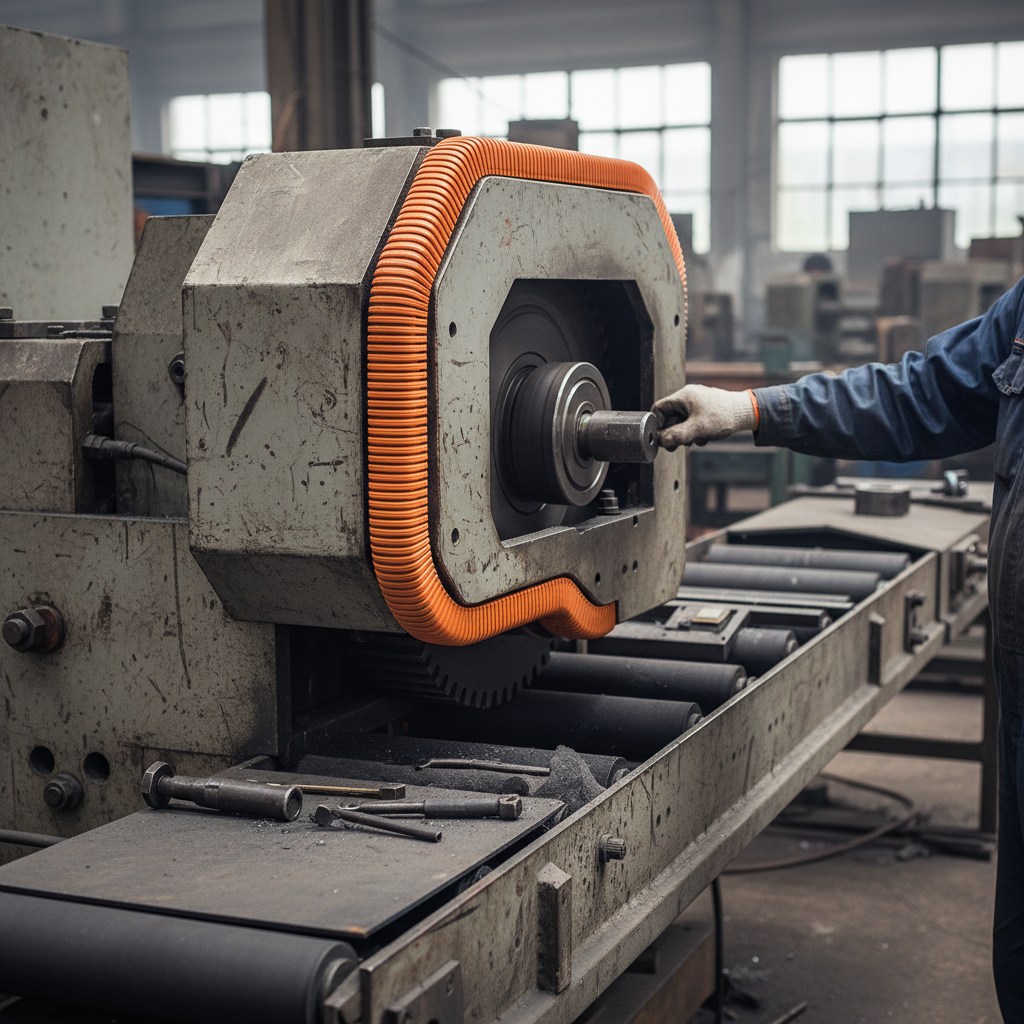
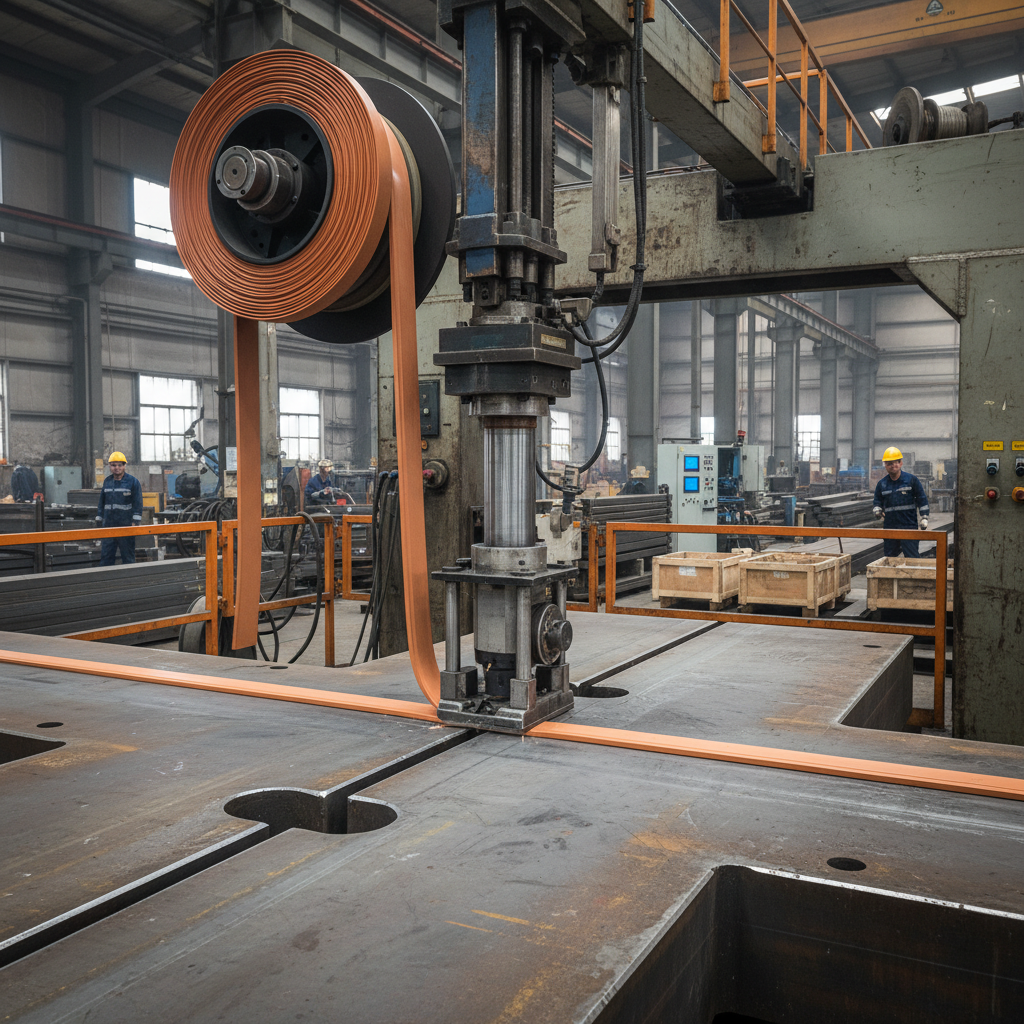
Decorative rubber strip plays a crucial role in modern manufacturing and design, offering versatile solutions for sealing, cushioning, and aesthetic enhancement. From automotive components to household appliances, its applications are incredibly diverse and increasingly vital to product functionality and consumer appeal. Understanding its properties and potential is essential for engineers, designers, and manufacturers striving for innovation and efficiency.
Globally, the demand for decorative rubber strip is experiencing steady growth, driven by expanding industries like automotive, construction, and electronics. The rising emphasis on safety, noise reduction, and aesthetic quality in these sectors further fuels this demand. Market analysis indicates a projected compound annual growth rate (CAGR) of around 4-6% over the next five years, signifying a significant opportunity for industry players.
This comprehensive guide delves into the world of decorative rubber strip, exploring its definition, key characteristics, applications, advantages, future trends, and common challenges. We aim to provide a valuable resource for anyone seeking to leverage this versatile material for improved product design and performance.
Introduction to Decorative Rubber Strip
Decorative rubber strip is much more than just a finishing touch; it’s a critical component in countless applications, offering a blend of functional benefits and aesthetic appeal. Its ability to seal gaps, dampen vibrations, and protect surfaces makes it indispensable in industries ranging from automotive and appliance manufacturing to construction and marine applications.
The versatility of decorative rubber strip stems from its customizable nature. It can be produced in a wide range of colors, shapes, and materials—from EPDM and silicone to neoprene and PVC—allowing manufacturers to precisely match the requirements of their products. This adaptability, combined with its inherent durability, makes it a preferred choice for designers and engineers alike.
Global Relevance and Industry Context
The global market for rubber products, including decorative rubber strip, is closely tied to macroeconomic trends and industrial growth. According to reports from the United Nations and the World Bank, emerging economies in Asia-Pacific and Latin America are driving significant demand, fueled by increased manufacturing activity and infrastructure development. The automotive industry, in particular, represents a substantial consumer of decorative rubber strip, using it extensively for weather stripping, window seals, and interior trim.
However, the industry faces challenges related to raw material price volatility and increasing environmental regulations. The reliance on petroleum-based feedstocks makes rubber production susceptible to fluctuations in oil prices. Simultaneously, growing consumer awareness and stricter environmental standards are pushing manufacturers to adopt more sustainable materials and production processes. The ISO 14001 standard for environmental management systems is becoming increasingly prevalent in the rubber industry.
A key problem that decorative rubber strip addresses is the need for durable, reliable sealing and protection in diverse environments. Traditional materials often fall short in terms of longevity, resistance to weathering, or ability to absorb vibrations. This drives the innovation and adoption of specialized rubber compounds tailored to specific applications, offering superior performance and extended product lifecycles.
Defining Decorative Rubber Strip
In its simplest form, decorative rubber strip is a flexible, often extruded, material used to provide a seal, cushion, or aesthetic finish to a variety of products. It’s characterized by its ability to conform to irregular shapes, resist deformation, and withstand exposure to various environmental factors like temperature changes, UV radiation, and chemicals.
The connection to modern industry is undeniable. It’s a crucial enabling component for advanced manufacturing, allowing for the creation of products that are more durable, comfortable, and visually appealing. From reducing noise and vibration in automobiles to sealing windows and doors in buildings, decorative rubber strip enhances both functionality and quality of life.
Furthermore, it plays a role in addressing humanitarian needs. In prefabricated shelters and emergency housing, for example, rubber seals and weather stripping are vital for maintaining comfortable and safe living conditions, protecting occupants from the elements. Its adaptability makes it a valuable asset in situations where rapid deployment and resilience are paramount.
Key Factors of Decorative Rubber Strip
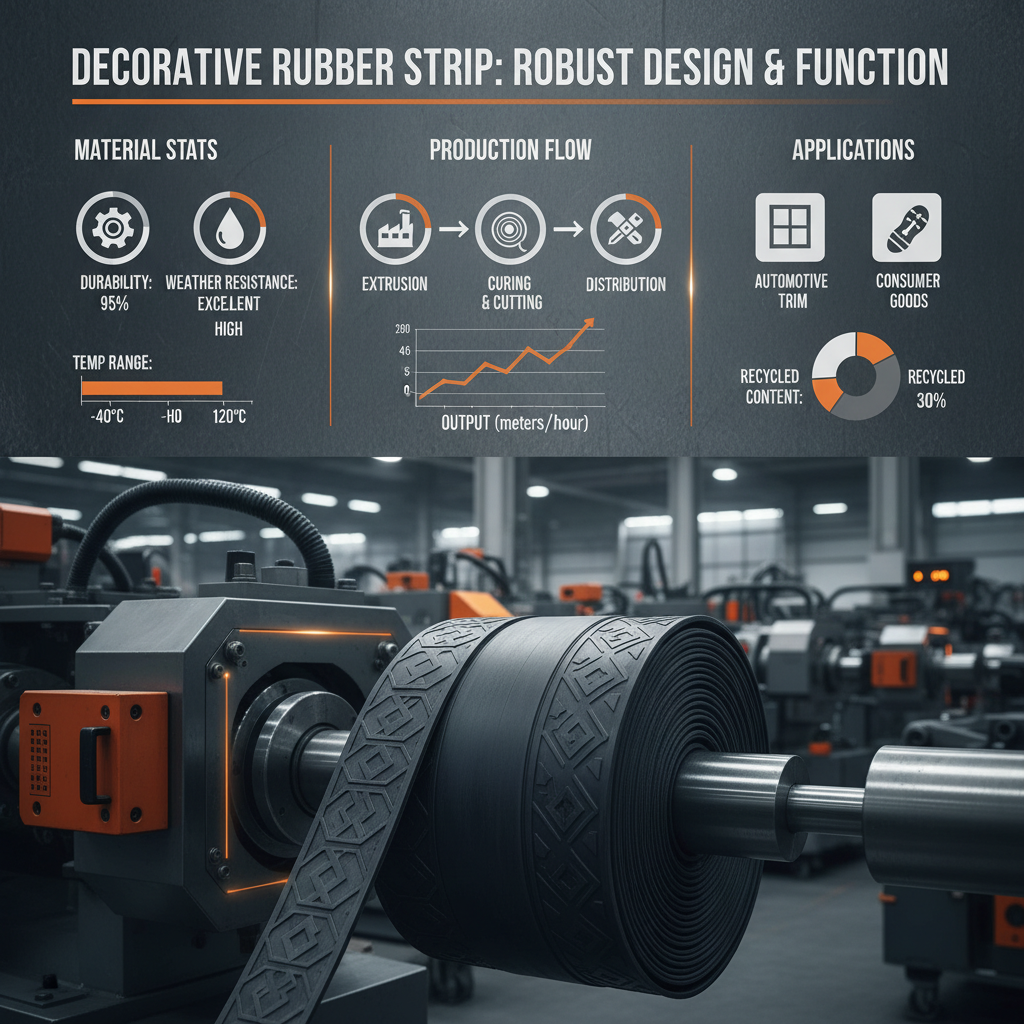
The performance of decorative rubber strip hinges on several key factors. Durability is paramount; the material must withstand repeated compression, abrasion, and exposure to harsh conditions without losing its sealing properties. Flexibility is also crucial, allowing the strip to conform to complex shapes and maintain a tight seal over time.
Material Composition dictates many properties. EPDM (ethylene propylene diene monomer) offers excellent weather resistance, while silicone excels in high-temperature applications. Neoprene provides superior resistance to oil and chemicals. Cost Efficiency is another significant factor; manufacturers strive to balance performance with affordability. Adhesion Properties determine how well the strip bonds to the substrate, ensuring a long-lasting and reliable seal. Finally, Color and Texture play a critical role in aesthetic integration, allowing designers to achieve the desired look and feel.
Decorative Rubber Strip Performance Metrics
Global Applications & Use Cases
Decorative rubber strip finds widespread application in the automotive industry, serving as weather stripping for doors and windows, sealing trunk lids, and providing cushioning for interior components. In the construction sector, it’s used for sealing expansion joints, weatherproofing windows and doors, and providing vibration isolation for building structures.
The appliance industry utilizes decorative rubber strip for gaskets in refrigerators, washing machines, and dishwashers, ensuring airtight seals and preventing leaks. Marine applications benefit from its resistance to saltwater and UV radiation, making it ideal for boat seals, dock bumpers, and deck coverings. In post-disaster relief operations, rubber seals are incorporated into prefabricated shelters to improve insulation and weather protection.
Regions experiencing rapid urbanization and industrial growth, such as China, India, and Southeast Asia, are witnessing a surge in demand for decorative rubber strip across various sectors. Similarly, in remote industrial zones, its durability and reliability make it a preferred choice for sealing and protecting critical equipment.
Advantages & Long-Term Value
The tangible benefits of using decorative rubber strip are numerous. Reduced energy costs result from improved sealing, minimizing air leakage and heat loss. Its durability translates to lower maintenance and replacement costs over the product lifecycle. The use of recycled rubber compounds contributes to sustainability by reducing waste and conserving resources. Enhanced safety is achieved through vibration damping and impact absorption.
Beyond the practical advantages, decorative rubber strip fosters a sense of innovation and trust. Its ability to enhance product quality and aesthetics contributes to brand reputation and customer satisfaction. The inherent flexibility and adaptability of the material allow designers to create more sophisticated and user-friendly products. By providing reliable performance and long-term value, decorative rubber strip strengthens the integrity and longevity of countless applications.
Future Trends & Innovations
The future of decorative rubber strip is intertwined with advancements in materials science and manufacturing technologies. The development of bio-based rubber compounds, derived from renewable sources, is gaining momentum, offering a sustainable alternative to traditional petroleum-based materials. Automation and digital transformation are streamlining production processes, enabling greater precision and efficiency.
Smart rubber technologies, incorporating sensors and embedded electronics, are emerging, allowing for real-time monitoring of seal integrity and performance. These innovations will unlock new applications in areas such as predictive maintenance and remote diagnostics. Growing emphasis on circular economy principles will drive the development of closed-loop recycling systems for rubber materials.
Furthermore, the integration of 3D printing techniques is enabling the creation of customized rubber components with complex geometries, opening up possibilities for design freedom and tailored solutions. These trends collectively point towards a future where decorative rubber strip is not only more sustainable and efficient but also more intelligent and adaptable.
FAQS
Common materials include EPDM, silicone, neoprene, PVC, and polyurethane. EPDM offers excellent weather resistance, silicone excels in high temperatures, neoprene provides oil and chemical resistance, PVC is cost-effective, and polyurethane boasts high abrasion resistance. The best choice depends on the specific application and environmental conditions. Factors like temperature range, chemical exposure, and required flexibility all play a role in material selection.
Accurate measurements are key. Start by meticulously measuring the gap or surface you intend to seal or protect. Consider the compression ratio – how much the strip needs to compress to create a tight seal. Check the manufacturer's specifications for allowable compression ranges. For complex shapes, consider custom extrusion or molding options. It's often best to consult with a rubber specialist to ensure optimal fit and performance.
Lifespan varies depending on the material, application, and environmental exposure. Generally, EPDM and silicone offer the longest lifespans (10-20 years). To extend lifespan, avoid excessive UV exposure, harsh chemicals, and extreme temperatures. Regular cleaning and inspection can also help identify and address potential issues early on. Using a protective coating or sealant can further enhance durability.
Recycling rubber can be challenging, but it's becoming increasingly feasible. Some rubber compounds can be ground up and used in new products like playground surfaces or asphalt additives. Bio-based rubber alternatives are gaining popularity as a sustainable option. Choosing recycled content or sourcing from manufacturers with strong environmental practices contributes to a circular economy.
Proper adhesion requires a clean, dry surface and a compatible adhesive. Consider the surface material (metal, plastic, wood) and the rubber compound. Pressure-sensitive adhesives (PSAs) are common for many applications. For more demanding applications, two-part adhesives or vulcanizing adhesives may be necessary. Always follow the adhesive manufacturer's instructions for surface preparation and application.
Cost is influenced by material type, quantity ordered, customization requirements, and manufacturing complexity. Silicone and specialty rubbers tend to be more expensive than EPDM or PVC. Larger order volumes typically result in lower per-unit costs. Custom extrusion or molding adds to the overall expense. Considering the long-term benefits (durability, reduced maintenance) often justifies the initial investment.
Conclusion
Decorative rubber strip is a remarkably versatile and indispensable material that underpins a vast array of industries. From enhancing product performance and durability to contributing to sustainability and safety, its benefits are far-reaching. Understanding its properties, applications, and future trends is critical for professionals seeking to innovate and optimize their designs and manufacturing processes.
As technology advances and environmental concerns grow, we can expect to see even more sophisticated and sustainable solutions emerge in the realm of decorative rubber strip. By embracing innovation and prioritizing responsible material choices, we can unlock its full potential and create a more efficient, durable, and sustainable future. Visit our website at www.xtshuoding.com to explore our comprehensive range of decorative rubber strip products and solutions.