The modern automotive industry relies heavily on protective and aesthetic components, and the car door strip plays a crucial role in both. These strips, often overlooked, are vital for preventing damage, reducing noise, and enhancing the overall appearance of vehicles. Globally, the demand for high-quality car door strips is steadily increasing, driven by growing vehicle production and consumer awareness of vehicle protection. Understanding the intricacies of car door strip design, materials, and application is essential for automotive manufacturers, suppliers, and consumers alike.
The significance of the car door strip extends beyond mere aesthetics. They contribute significantly to vehicle safety by minimizing the risk of dents and scratches, and protecting passengers from sharp edges. Increasingly stringent vehicle safety regulations and a growing emphasis on vehicle longevity are fueling the demand for durable and reliable car door strip solutions. The industry is witnessing innovations in materials and manufacturing processes to meet these evolving requirements.
From standard rubber strips to advanced composite materials, the car door strip has undergone a remarkable transformation. Its evolution mirrors the broader advancements in automotive technology and materials science. Proper selection and installation of these strips can dramatically extend a vehicle's lifespan and maintain its resale value.
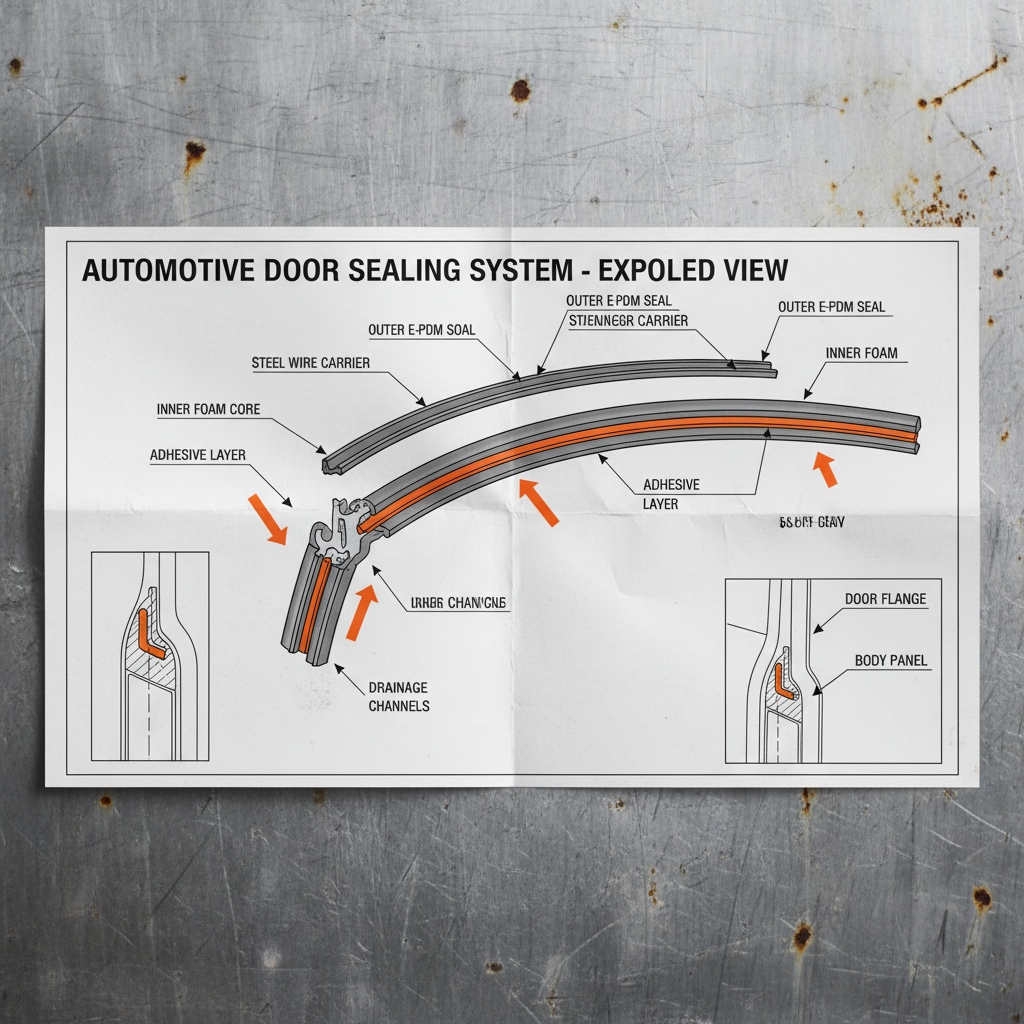
Introduction to Car Door Strips
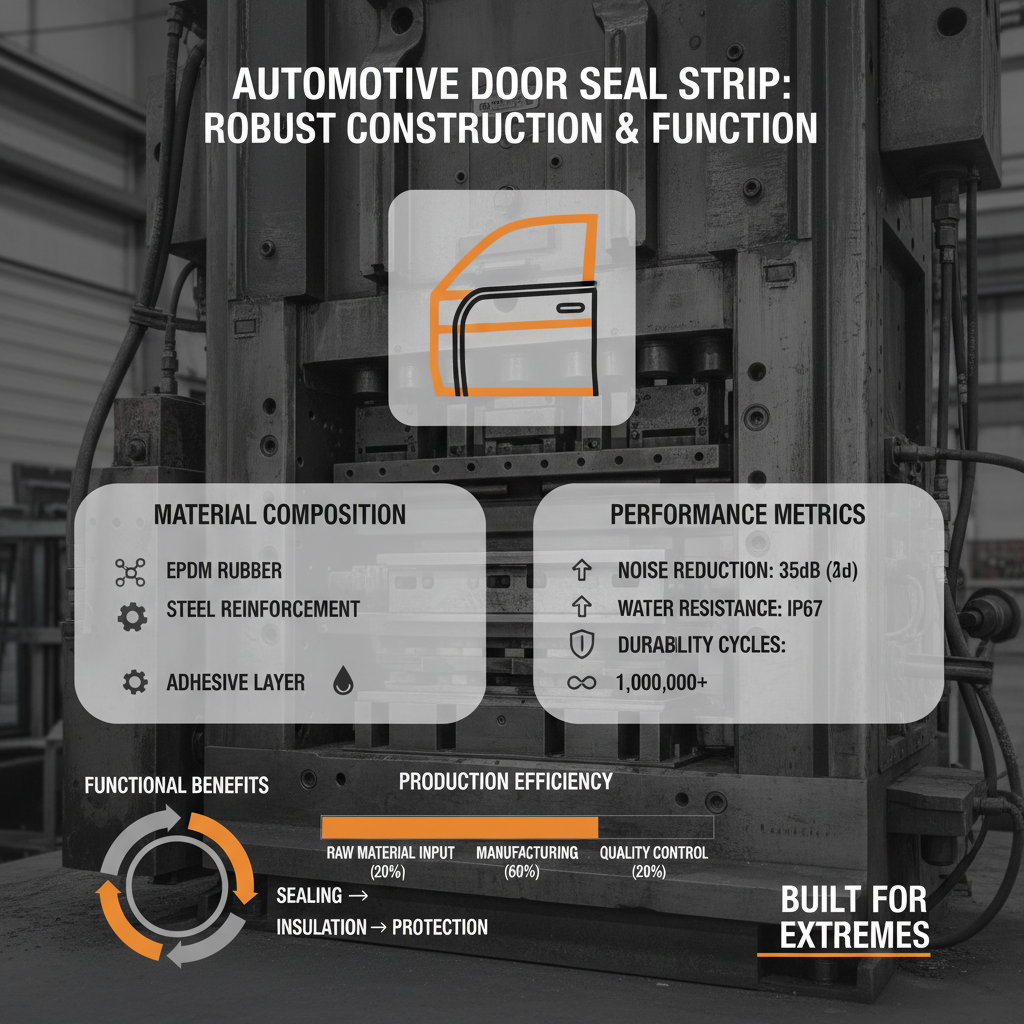
Car door strips are much more than just an aesthetic addition to a vehicle. They represent a critical line of defense against everyday wear and tear, safeguarding the paintwork and body panels from scratches, dents, and chips. The initial purpose of these strips was largely functional, but they've evolved to become integrated design elements, contributing to a vehicle's overall style and appearance.
The global automotive market is a dynamic and competitive landscape, and manufacturers are constantly seeking ways to improve vehicle durability and reduce repair costs. Effective car door strip solutions directly address these concerns, offering a cost-effective means of protecting a vehicle’s value and extending its lifespan. This has led to increased investment in research and development, resulting in a diverse range of strip materials and designs.
FAQS
For cold climates, TPU (Thermoplastic Polyurethane) is often the best choice for car door strips. It maintains flexibility even in extremely low temperatures, preventing cracking or peeling. Rubber can become brittle and less effective in the cold, while plastic may be prone to shattering. TPU provides a good balance of durability, flexibility, and impact resistance, crucial for protecting your vehicle's doors during harsh winter conditions. Proper installation is also key to ensure optimal performance.
The lifespan of car door strips varies depending on the material, climate, and exposure to wear and tear. Generally, high-quality rubber or TPU strips can last 3-5 years, while plastic or chrome strips might last 5-7 years with proper care. UV exposure, road debris, and frequent impacts can shorten the lifespan. Regular inspection and timely replacement are recommended to ensure continuous protection.
Carbon fiber car door strips are significantly more expensive than other materials, but they offer superior strength, durability, and a premium aesthetic. They are highly resistant to impact, corrosion, and UV damage, providing long-lasting protection and a distinctive look. If you prioritize aesthetics and are willing to invest in a high-performance solution, carbon fiber is an excellent choice.
While many car door strips are designed for DIY installation with adhesive backing, professional installation is recommended for optimal results. Professionals have the tools and expertise to properly prepare the surface, ensure precise alignment, and apply consistent pressure for a secure and long-lasting bond. Incorrect installation can lead to premature failure and reduce the strip’s effectiveness.
Regular cleaning and maintenance can extend the lifespan of your car door strips. Use a mild soap and water solution to remove dirt, grime, and road salt. Avoid abrasive cleaners or harsh chemicals that can damage the material. For plastic or chrome strips, a car wax can provide added protection against UV damage and maintain their shine. Inspect the strips periodically for any signs of damage or peeling.
Proper surface preparation is essential for a secure bond. Thoroughly clean the door surface with a degreasing agent to remove any wax, grease, or dirt. Then, lightly sand the surface to create a better grip for the adhesive. Wipe away any sanding dust with a clean cloth before applying the car door strip. Ensure the surface is dry before proceeding with the installation.
Conclusion
In conclusion, the car door strip is a critical, yet often underestimated, component of modern vehicles. Beyond its aesthetic contribution, it provides essential protection against damage, extends vehicle lifespan, and ultimately, represents a cost-effective investment for vehicle owners. From material science to installation techniques, continuous innovation is driving improvements in performance and sustainability.
Looking ahead, the future of car door strip technology lies in smarter materials, integrated functionalities, and environmentally friendly solutions. By prioritizing quality, durability, and sustainable practices, manufacturers and consumers alike can maximize the benefits of this vital automotive component. Visit our website at www.xtshuoding.com to explore our range of car door strip solutions and protect your vehicle today.
Related Posts
-

Advancements in Mechanical Sealing Strips for Industrial Applications
-

Reliable Cathode Calender Connectors for Industrial Applications and Beyond
-
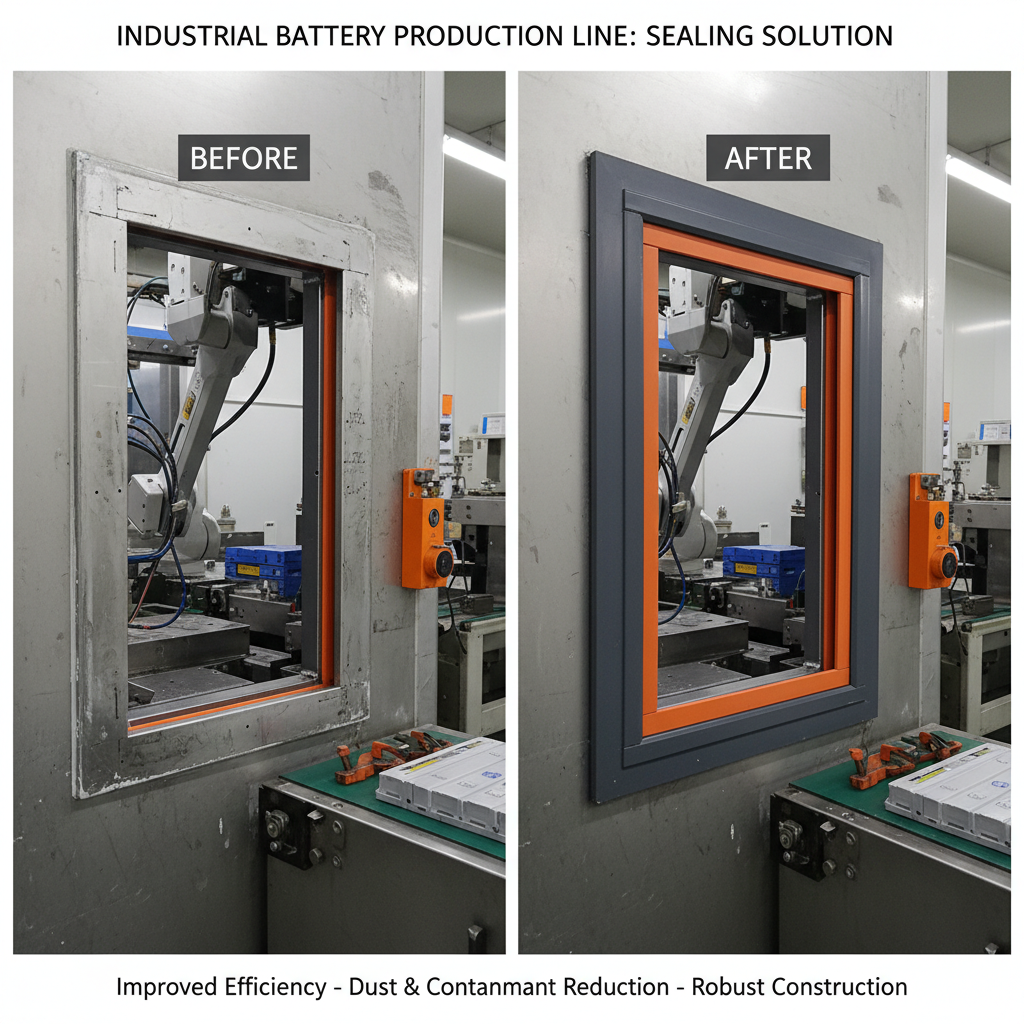
Optimizing Building Performance with Plastic Steel Door and Window Sealing Strip
-

Advanced Cylindrical Cell Manufacturing Machine Solutions for Battery Production