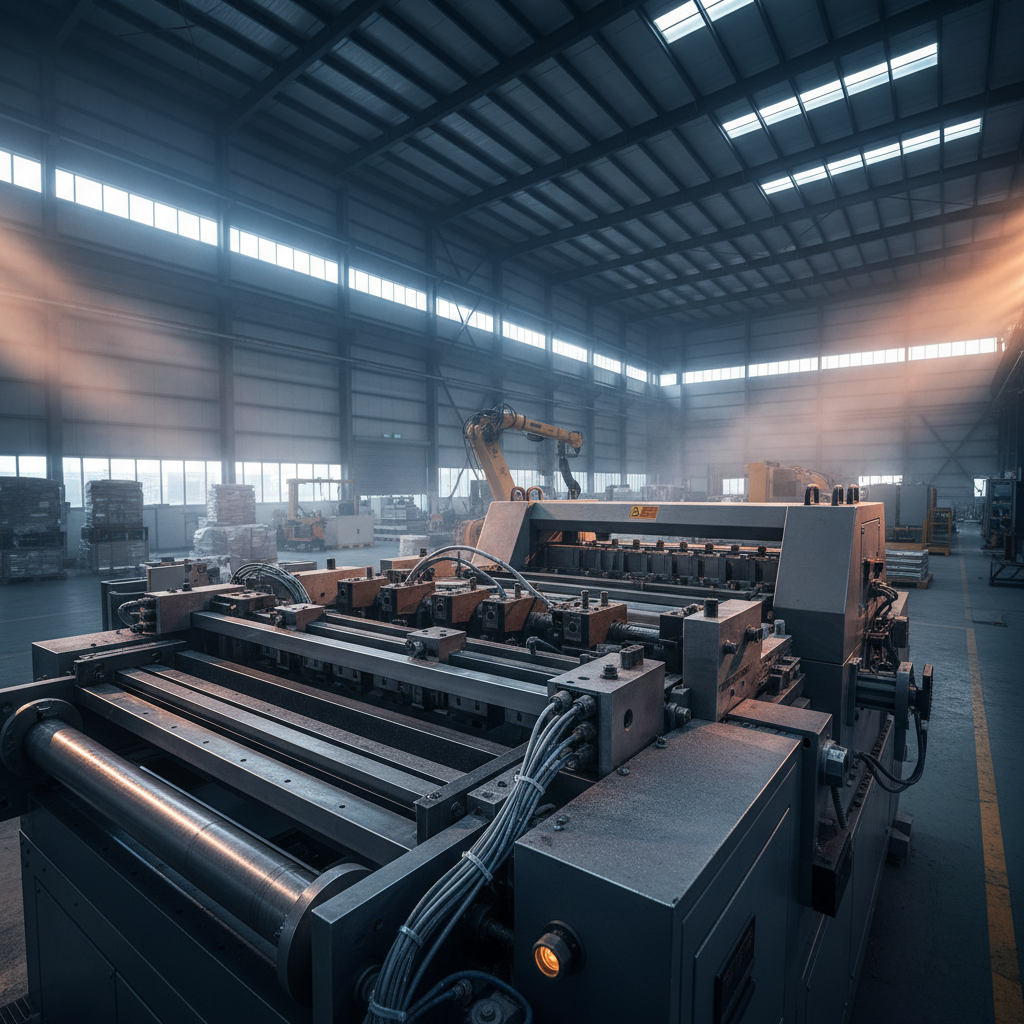
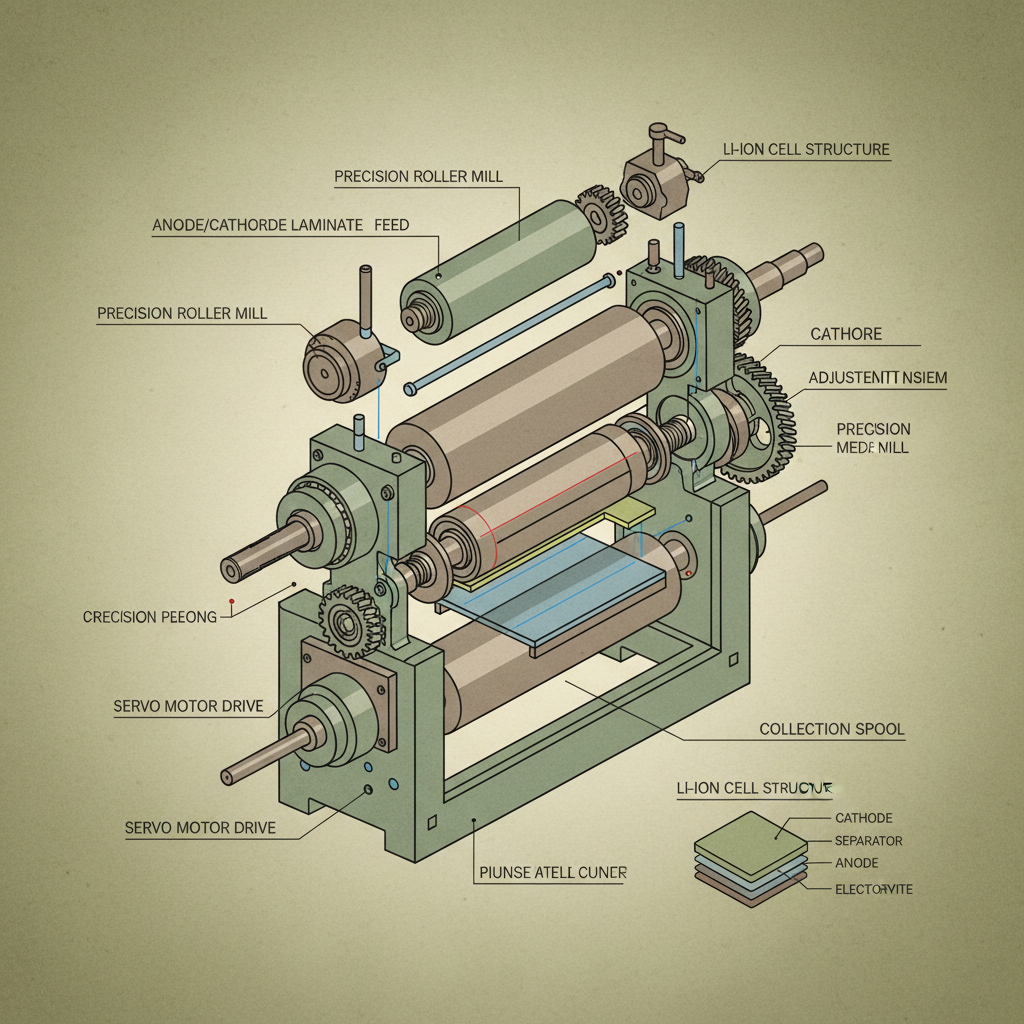
The car windshield rubber strip, often overlooked, is a critical component in vehicle safety and comfort. Its primary function extends beyond simply sealing the windshield to the car body; it manages noise, prevents water ingress, and crucially, contributes to the structural integrity of the vehicle during an accident. Understanding its composition, manufacturing process, and evolving technologies is essential for automotive engineers, manufacturers, and even consumers seeking to maximize their vehicle’s performance and safety. The global automotive industry's demand for high-quality, durable, and innovative rubber seals directly impacts the car windshield rubber strip market.
The global automotive industry is a multi-trillion dollar market, with stringent safety regulations constantly driving innovation in component materials. The car windshield rubber strip, though a small part, is subject to these standards. According to the UN Economic Commission for Europe (UNECE), regulations like ECE R43 govern windshield safety and require effective sealing against water, air, and debris. Furthermore, the increasing adoption of advanced driver-assistance systems (ADAS) and autonomous driving features necessitates robust windshield mounting, where the rubber strip plays a vital role.
A key challenge in the automotive industry is reducing vehicle weight to improve fuel efficiency and lower emissions. The car windshield rubber strip, traditionally made from heavier materials, is now undergoing advancements in lightweight materials and designs. This focus on innovation ensures both safety and sustainability, aligning with global efforts to create greener transportation solutions.
The Importance of Car Windshield Rubber Strips
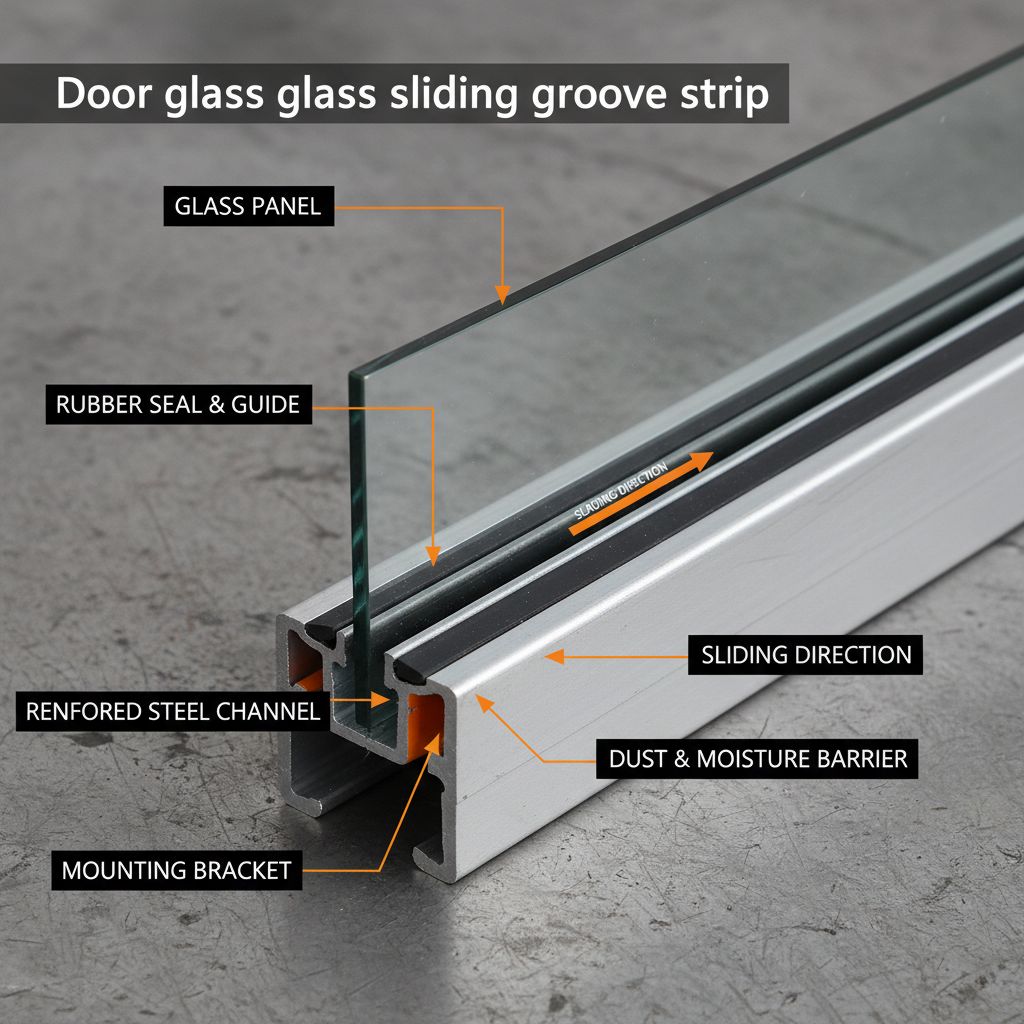
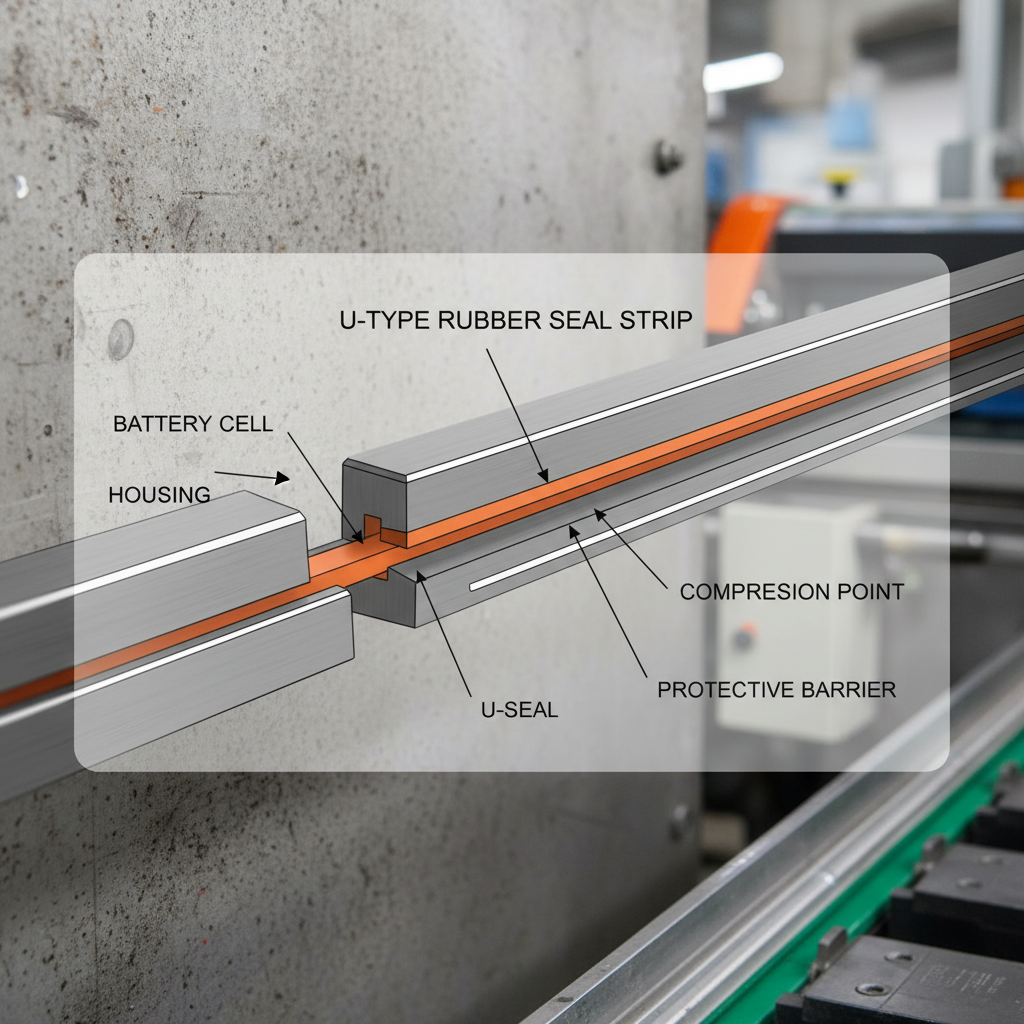
The car windshield rubber strip isn’t merely an aesthetic element; it’s a functional component that profoundly impacts driving safety and passenger comfort. Its primary role is to create a watertight and airtight seal between the windshield glass and the vehicle’s frame. This prevents water leaks, wind noise, and the intrusion of dust and debris, all contributing to a more pleasant and safe driving experience.
Beyond these practical benefits, the rubber strip also plays a crucial role in the structural integrity of the vehicle. In the event of a collision, it helps to distribute impact forces, contributing to the effectiveness of the vehicle's safety cage and protecting occupants. Modern car windshield rubber strip designs are increasingly integrated with advanced features, such as sensors for ADAS systems, further demonstrating their importance in modern automotive technology.
Defining the Car Windshield Rubber Strip
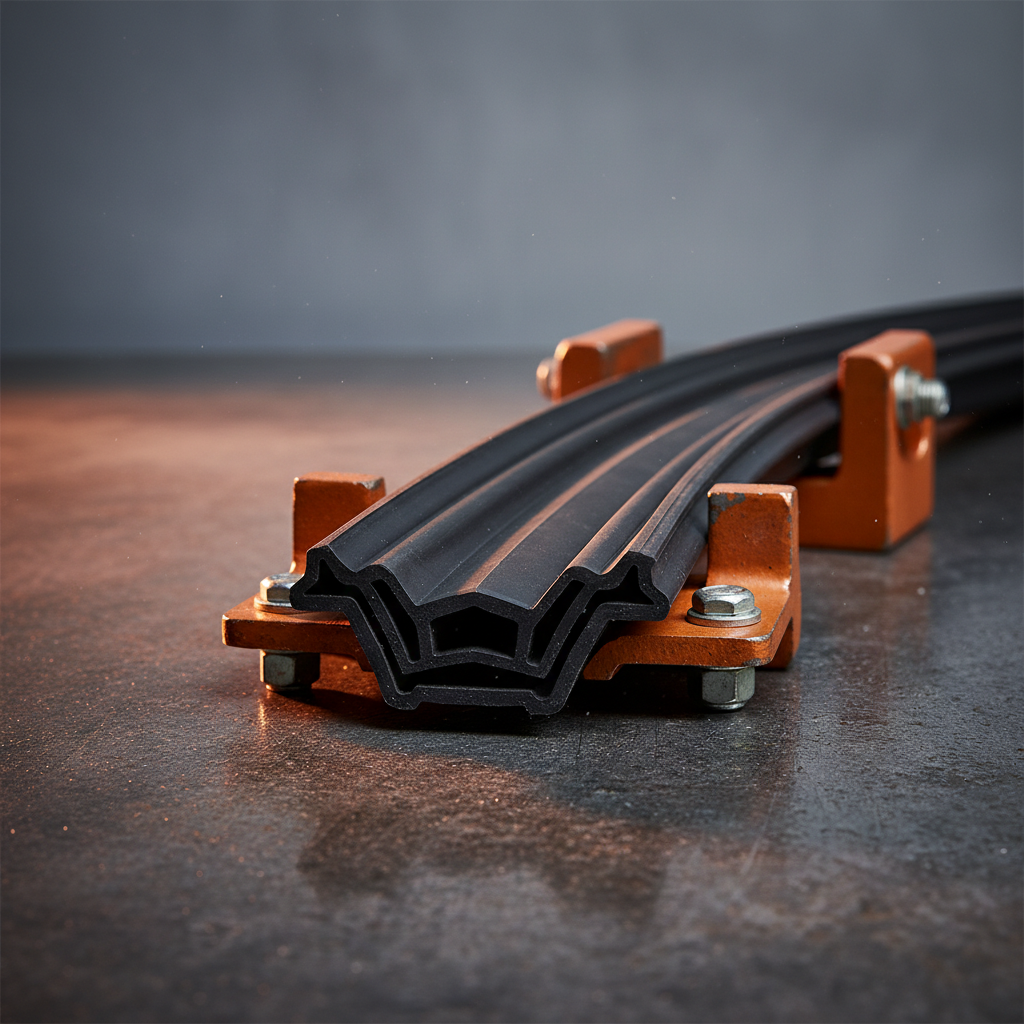
A car windshield rubber strip, in its simplest form, is a sealing component manufactured from elastomers – materials with rubber-like properties. Commonly, these are synthetic rubbers like Ethylene Propylene Diene Monomer (EPDM), known for its excellent resistance to weathering, ozone, and temperature fluctuations. It is a complex extrusion, meticulously designed to conform to the contours of the windshield and the vehicle body.
The connection to modern industry is substantial. The automotive sector's demand for high-performance materials drives constant advancements in rubber formulations and manufacturing techniques. Sophisticated computer-aided design (CAD) and computer-aided manufacturing (CAM) processes are utilized to create rubber strips with precise dimensions and complex geometries, ensuring optimal sealing performance.
The evolution of the car windshield rubber strip reflects broader industrial needs – a demand for durable, reliable, and high-performing components that enhance both product functionality and safety. It’s a component central to not only automobile production, but also to the ongoing pursuit of safer and more comfortable transportation solutions.
Key Factors Influencing Performance
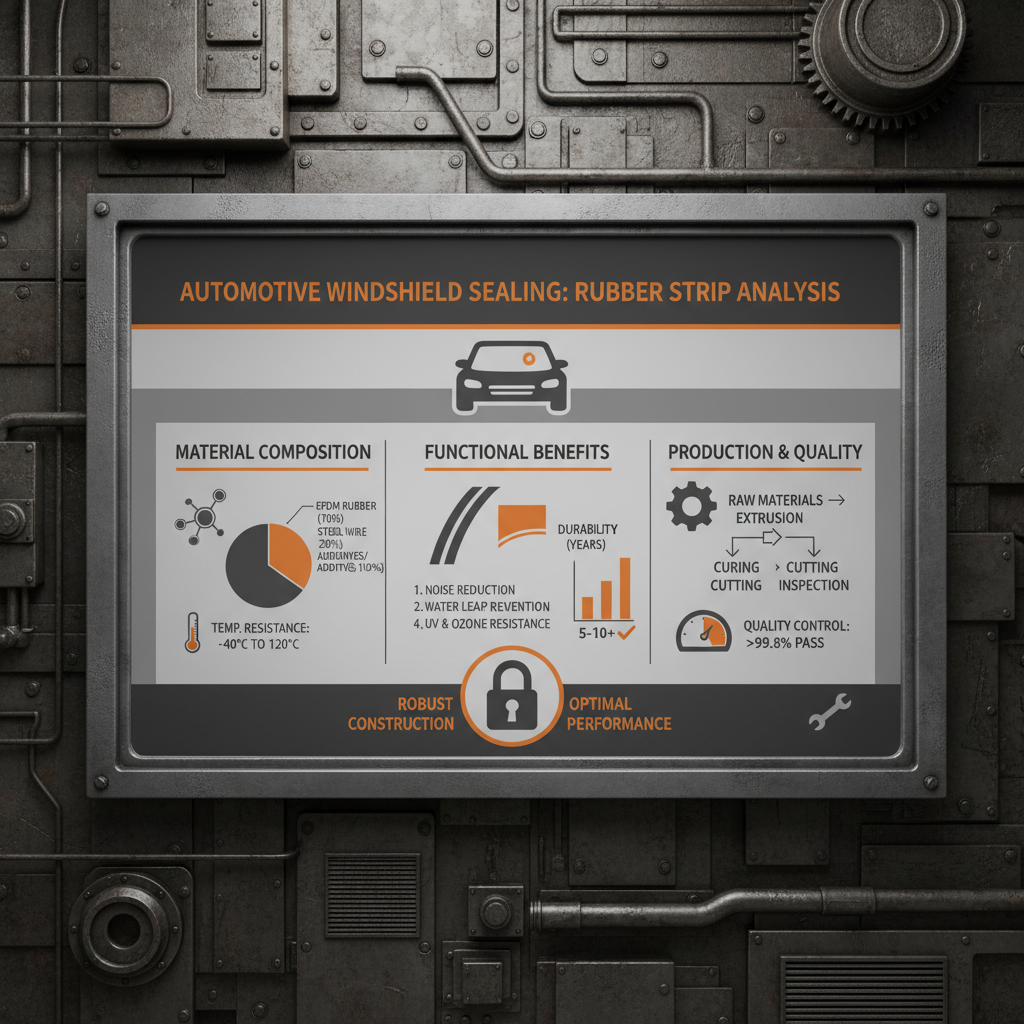
Several core aspects dictate the quality and effectiveness of a car windshield rubber strip. Durability is paramount, requiring resistance to UV radiation, temperature extremes, and constant exposure to the elements. A strip that degrades quickly compromises the seal and necessitates premature replacement, adding to vehicle maintenance costs.
Acoustic Performance is another crucial factor. The rubber strip significantly contributes to reducing wind noise within the vehicle cabin, enhancing passenger comfort. The density and composition of the rubber play a key role in damping vibrations and minimizing noise transmission. Adhesion is vital; the strip must bond securely to both the glass and the vehicle body to maintain a watertight seal, even under stress.
Weather Resistance is critical for long-term reliability. The ability to withstand repeated exposure to rain, snow, ice, and sunlight without cracking, warping, or losing elasticity is essential. Flexibility ensures that the strip can accommodate minor movements between the windshield and the vehicle body due to temperature changes or road vibrations. Cost-Effectiveness, while not compromising performance, is also a significant consideration for manufacturers.
Global Applications and Use Cases
The application of car windshield rubber strips is ubiquitous within the global automotive industry. Every passenger vehicle, from compact cars to luxury SUVs, relies on these strips to ensure a secure and comfortable driving environment. Major automotive manufacturing hubs – including China, Germany, Japan, the United States, and South Korea – are significant consumers of these components.
Beyond passenger vehicles, the principles of windshield sealing are applied in other sectors. Commercial vehicles, such as buses and trucks, require even more robust rubber strips due to their larger windshields and more demanding operating conditions. Specialized vehicles, like emergency response vehicles, also benefit from high-performance sealing solutions.
In remote industrial zones, where vehicles are subjected to harsh environmental conditions, the durability of car windshield rubber strips is particularly important. Similarly, in regions prone to extreme weather events, a reliable seal is crucial for maintaining visibility and safety. Automotive manufacturers are adapting their designs to meet regional requirements and ensure consistent performance across diverse climates.
Car Windshield Rubber Strip Performance Metrics
Advantages and Long-Term Value
The benefits of high-quality car windshield rubber strips extend far beyond simple functionality. From a cost perspective, a durable strip minimizes the need for frequent replacements, reducing maintenance expenses for vehicle owners. Environmentally, the use of long-lasting materials contributes to sustainability by reducing waste.
The primary advantage, however, is enhanced safety. A reliable seal prevents water intrusion, maintaining clear visibility for the driver, particularly crucial in adverse weather conditions. The improved noise insulation contributes to a more comfortable and less fatiguing driving experience, potentially reducing the risk of accidents caused by driver distraction.
Future Trends and Innovations
Several exciting developments are shaping the future of car windshield rubber strip technology. The integration of self-healing polymers is a promising area of research, potentially extending the lifespan of the strip and reducing the need for replacements. Smart rubber strips, incorporating sensors for detecting damage or changes in pressure, are also under development.
Furthermore, the growing emphasis on lightweight materials is driving innovation in rubber formulations. Researchers are exploring the use of bio-based elastomers, derived from renewable sources, to reduce the environmental impact of these components. The trend towards automated vehicle assembly is also influencing design, requiring strips that can be easily and accurately installed by robotic systems.
Challenges and Solutions
One of the main challenges in car windshield rubber strip manufacturing is ensuring consistent quality and dimensional accuracy. Variations in material composition or manufacturing processes can lead to leaks or premature failure. To address this, manufacturers are investing in advanced quality control systems and implementing rigorous testing procedures.
Another challenge is the increasing complexity of windshield designs, particularly in vehicles with advanced driver-assistance systems. These designs often require custom-shaped rubber strips with intricate geometries, demanding sophisticated manufacturing techniques. The development of flexible and adaptable manufacturing processes is crucial for meeting these evolving requirements.
Finally, the demand for sustainable materials poses a challenge. Sourcing bio-based elastomers that meet the performance requirements of automotive applications requires ongoing research and development. Collaboration between material scientists, automotive engineers, and suppliers is essential for overcoming these hurdles and creating a more sustainable future for the car windshield rubber strip industry.
Summary of Car Windshield Rubber Strip Challenges and Potential Solutions
| Challenge |
Impact on Performance |
Potential Solution |
Implementation Cost (1-10) |
| Dimensional Inaccuracy |
Leaks, Reduced Sealing Performance |
Advanced Quality Control Systems |
6 |
| Complex Windshield Designs |
Difficult Manufacturing, Increased Costs |
Flexible Manufacturing Processes |
8 |
| Material Degradation |
Reduced Lifespan, Frequent Replacements |
Self-Healing Polymers |
9 |
| Lack of Sustainable Materials |
Environmental Impact, Resource Depletion |
Bio-Based Elastomer Research |
7 |
| Adhesion Issues |
Seal Failure, Water Intrusion |
Improved Surface Treatments |
5 |
| Temperature Sensitivity |
Expansion/Contraction, Seal Compromise |
Advanced Rubber Formulations |
6 |
FAQS
The lifespan of a car windshield rubber strip typically ranges from 5 to 10 years, depending on environmental conditions, quality of the material, and vehicle usage. Exposure to intense sunlight, extreme temperatures, and harsh chemicals can accelerate degradation. Regular inspection and preventative maintenance, such as applying a rubber protectant, can help extend its life. Signs of deterioration include cracking, hardening, and loss of elasticity, indicating a need for replacement.
Several visual cues indicate the need for replacement. Cracks or tears in the rubber are obvious signs. Hardening or brittleness, where the rubber feels inflexible, is another indicator. Water leaks around the windshield during rain or washing are a strong sign of seal failure. Lastly, excessive wind noise, particularly at higher speeds, suggests the strip is no longer effectively sealing the windshield.
The most common material used in car windshield rubber strips is Ethylene Propylene Diene Monomer (EPDM) rubber, known for its excellent weather resistance, ozone resistance, and durability. Other materials sometimes used include Neoprene and Silicone, particularly in specialized applications requiring higher temperature resistance or specific performance characteristics. Modern formulations are also incorporating recycled materials to enhance sustainability.
Minor scratches or scuffs on the surface of the rubber strip usually don't compromise its sealing performance. However, cracks, tears, or significant hardening generally necessitate complete replacement. Repairing a severely damaged strip is often ineffective and can lead to future leaks or safety concerns. Professional replacement ensures a proper seal and maintains the structural integrity of the windshield.
The cost of replacing a car windshield rubber strip can vary depending on the vehicle make and model, the complexity of the installation, and the labor rates in your area. Generally, prices range from $50 to $300. It's advisable to obtain quotes from multiple automotive glass repair shops to ensure a competitive price and quality service.
While technically possible for experienced DIY enthusiasts, replacing a car windshield rubber strip is generally not recommended. It requires specialized tools, precise alignment, and a thorough understanding of automotive glass installation techniques. Improper installation can lead to leaks, structural weakness, and potentially compromise passenger safety. Professional installation is highly recommended to ensure a secure and reliable seal.
Conclusion
In conclusion, the car windshield rubber strip is a deceptively simple component with a profoundly important role in vehicle safety, comfort, and structural integrity. From its core function of creating a watertight seal to its contribution to noise reduction and impact resistance, this often-overlooked part is essential to the modern driving experience. Advances in materials, manufacturing processes, and designs continue to enhance its performance and durability.
Looking ahead, innovations in self-healing polymers, sustainable materials, and smart technologies promise to further elevate the capabilities of car windshield rubber strips. Investing in high-quality strips and ensuring proper maintenance are critical for maximizing vehicle safety and longevity. For more information on our range of car windshield rubber strip products and solutions, please visit our website: www.xtshuoding.com.