t type rubber seal strip plays a crucial role in modern industries, offering effective sealing solutions across diverse applications. From automotive manufacturing and construction to appliance production and even aerospace, these strips are integral to ensuring product performance, longevity, and safety. Their ability to prevent the ingress of dust, water, air, and other contaminants makes them indispensable in maintaining optimal operating conditions and protecting sensitive components. Understanding the properties and applications of t type rubber seal strip is therefore paramount for engineers, designers, and manufacturers seeking to enhance their product offerings.
The global market for rubber seal strips is experiencing significant growth, driven by increasing industrialization, rising demand for automobiles, and a growing focus on energy efficiency in buildings. According to a recent report by Grand View Research, the global rubber seals market was valued at USD 44.86 billion in 2022 and is projected to reach USD 64.47 billion by 2030, exhibiting a compound annual growth rate (CAGR) of 4.5% from 2023 to 2030. This expansion underscores the critical importance of these components in various sectors.
Addressing the challenges of maintaining airtight and watertight seals in demanding environments, t type rubber seal strip provides a cost-effective and reliable solution. They contribute to reducing energy consumption, minimizing maintenance costs, and extending the lifespan of equipment. Their versatility and adaptability make them a preferred choice for a wide spectrum of sealing needs, making a thorough understanding of their capabilities essential.
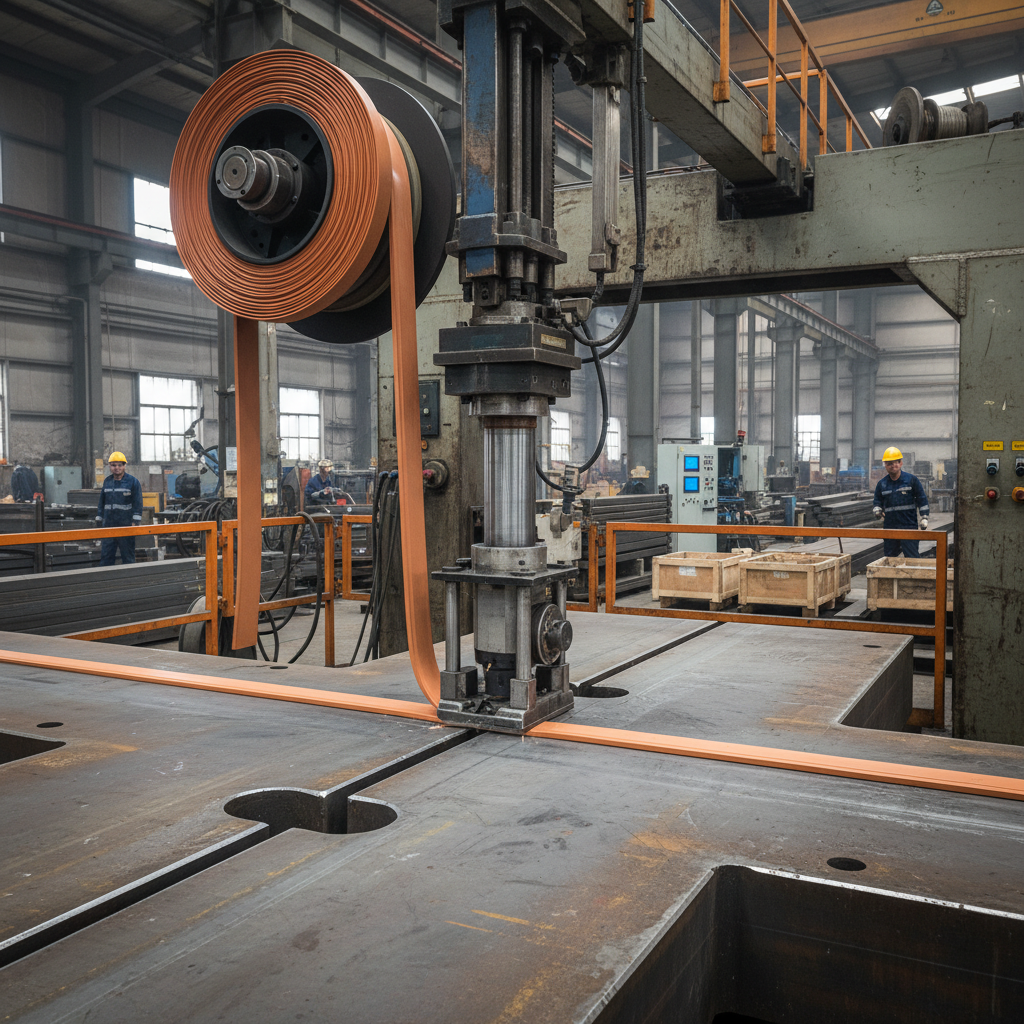
Introduction to t type rubber seal strip
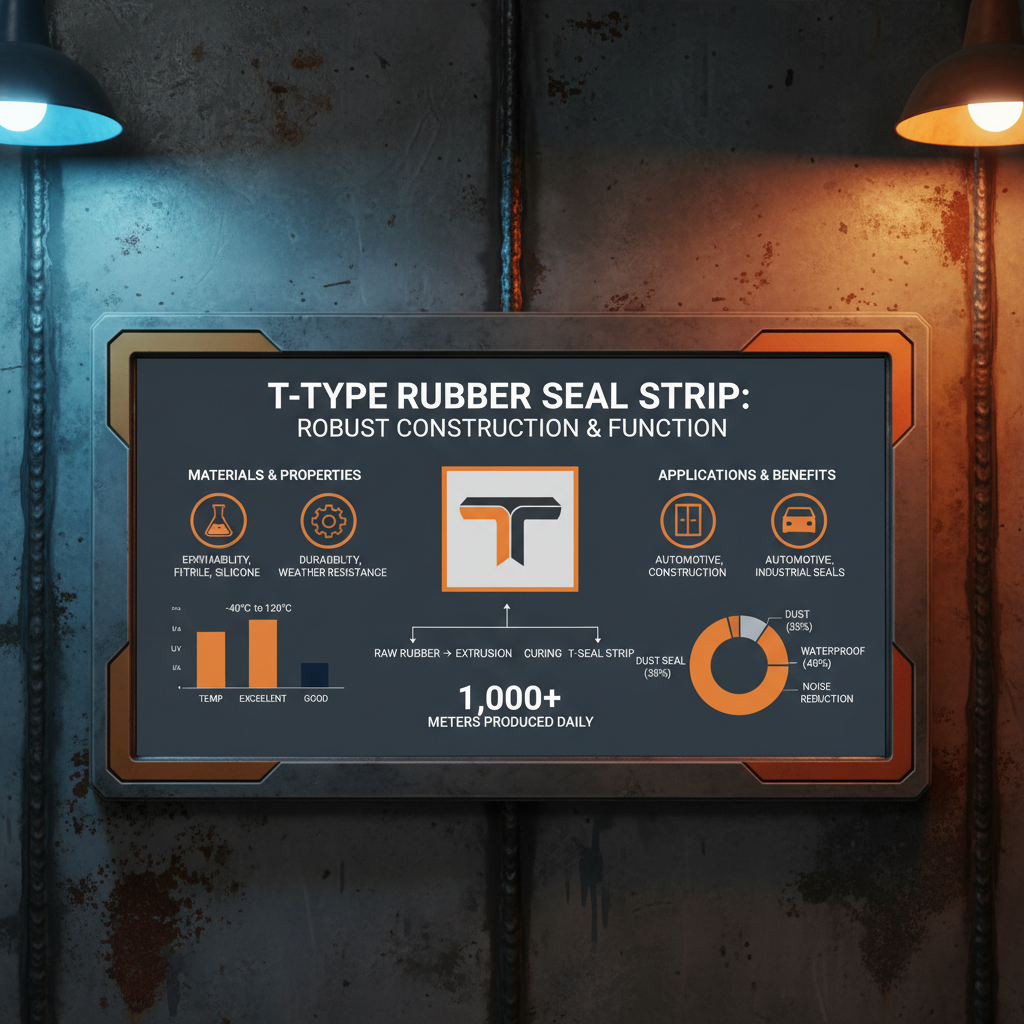
The ‘t’ in t type rubber seal strip refers to its distinctive cross-sectional shape, resembling the letter ‘T’. This design provides a strong gripping force when inserted into grooves, ensuring a secure and reliable seal. They are typically extruded from a variety of rubber compounds, including EPDM, silicone, neoprene, and PVC, each offering specific properties tailored to different applications and environmental conditions.
These strips excel in applications requiring resistance to weathering, ozone, UV radiation, and temperature extremes. The ability to customize the material and dimensions allows for precise fitting and optimal performance, making t type rubber seal strip a versatile solution for sealing gaps and preventing leakage in a wide array of industries.
FAQS
EPDM (ethylene propylene diene monomer) is a frequently used material due to its excellent weather resistance, ozone resistance, and UV stability. Silicone rubber is chosen for high-temperature applications and food-grade requirements. Neoprene offers good oil resistance and general-purpose sealing. PVC is cost-effective but may have limitations in extreme environments. The specific choice depends on the application's demands and environmental conditions.
Accurate measurement of the groove dimensions is critical. Measure the groove width, depth, and length. The strip's cross-sectional shape should complement the groove’s geometry. Consider the desired compression level to ensure a tight seal. Consulting with a rubber seal strip manufacturer can help you select the appropriate size and material for optimal performance.
The lifespan varies significantly depending on the material, environmental conditions, and application. EPDM strips typically last 10-20 years with proper maintenance, while silicone can last even longer. Exposure to harsh chemicals, extreme temperatures, and UV radiation can shorten the lifespan. Regular inspection and replacement when signs of degradation appear are essential.
Yes, t type rubber seal strip are frequently used outdoors. EPDM rubber, in particular, is highly resistant to weathering, ozone, and UV radiation, making it an excellent choice for outdoor applications. However, other materials may be more suitable depending on specific environmental factors and exposure levels.
Installation typically involves pressing the strip firmly into the corresponding groove. Ensure the groove is clean and free of debris. Use a specialized tool or roller to evenly apply pressure along the entire length of the strip. Avoid stretching or distorting the strip during installation.
The 'T' shape provides a strong grip within the groove, offering excellent resistance to pull-out and maintaining a tight seal. This design also facilitates easier installation compared to some other seal profiles. T-type seals are versatile, cost-effective, and suitable for a wide range of applications.
Conclusion
In conclusion, t type rubber seal strip are essential components in a vast array of industries, offering reliable and cost-effective sealing solutions. Their versatility, durability, and adaptability make them invaluable for maintaining product performance, enhancing energy efficiency, and protecting against environmental factors. Understanding the material properties, design considerations, and application-specific requirements is crucial for selecting the optimal strip for any given task.
Looking ahead, innovations in materials science and manufacturing processes promise to further enhance the performance and sustainability of t type rubber seal strip. Embracing these advancements will not only improve product quality and reduce environmental impact but also unlock new opportunities for growth and innovation across diverse sectors. Visit our website at www.xtshuoding.com to learn more about our wide range of t type rubber seal strip and find the perfect solution for your needs.
Related Posts
-
The Essential Guide to Decorative Rubber Strip Applications and Future Trends
-
Essential Guide to Electrical Rubber Sealing Strip Applications and Future Trends
-
Exploring the Nuances of Automatic High Speed Roll to Roll Slitting Machine Technology
-

Advanced Slitting Machine for Pouch Cell Production Enhancing Battery Performance and Reliability