0%

Table of Contents

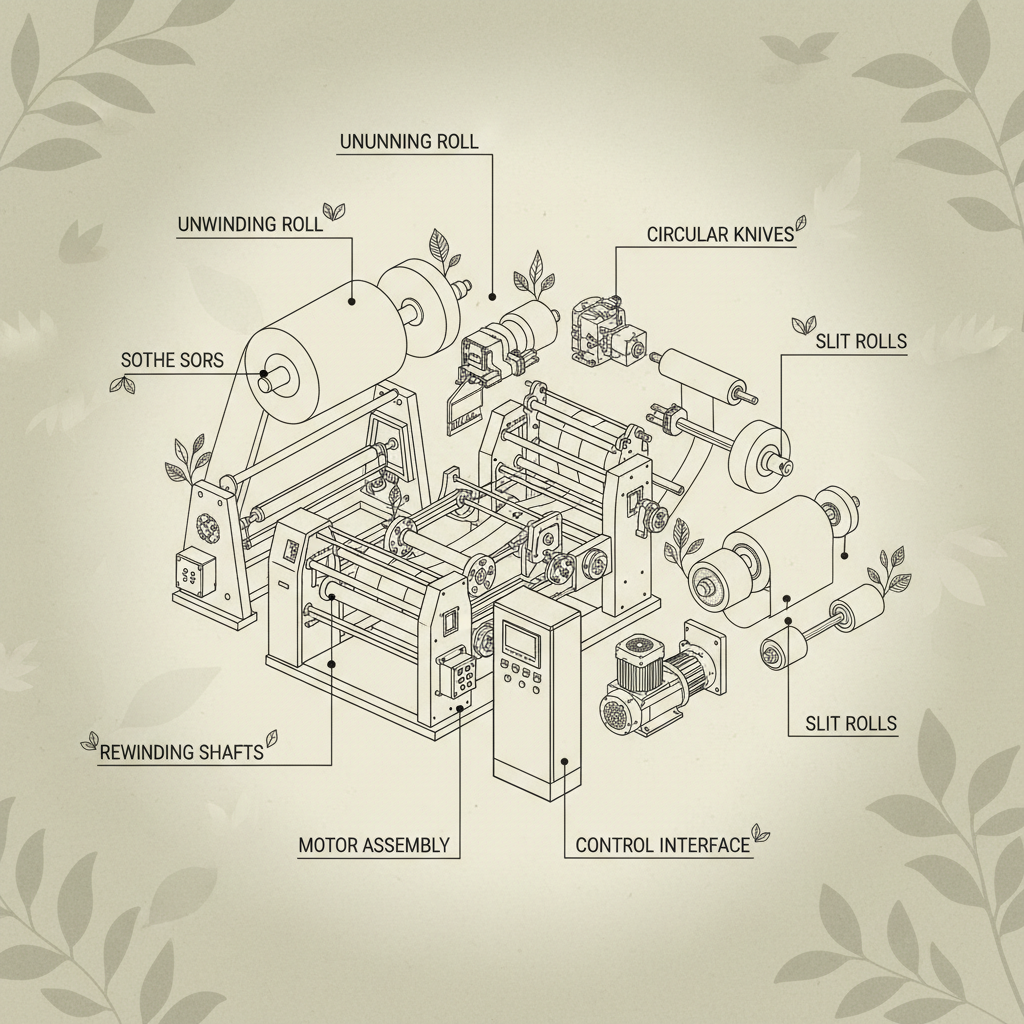
You know, lately everyone's talking about "smart" slitting machines. Not just faster, but smart. With sensors and algorithms… Honestly, I’ve seen a lot of those “smart” features end up being just extra things to break down on a dusty construction site. We’re talking about automatic high speed roll to roll slitting machine here, and it’s not about bells and whistles, it's about getting the job done efficiently.

There's been a real push for higher speeds, which is good, but it often leads to companies cutting corners on the build quality. Have you noticed? They’ll use thinner steel, cheaper bearings… thinking nobody will notice. They absolutely will. It’s a slippery slope, I tell ya. It's easy to get caught up in the specs, the RPMs, the throughput. Forget the foundation, you’re asking for trouble.

And the customization requests… oh boy. Everyone wants “something special.” I encountered this at a packaging factory in Dongguan last time. They wanted a machine that could handle a film that was unusually thick and sticky. Said it was a new biodegradable material. Turns out, it smelled like old gym socks and clogged everything up. Later… forget it, I won't mention it.
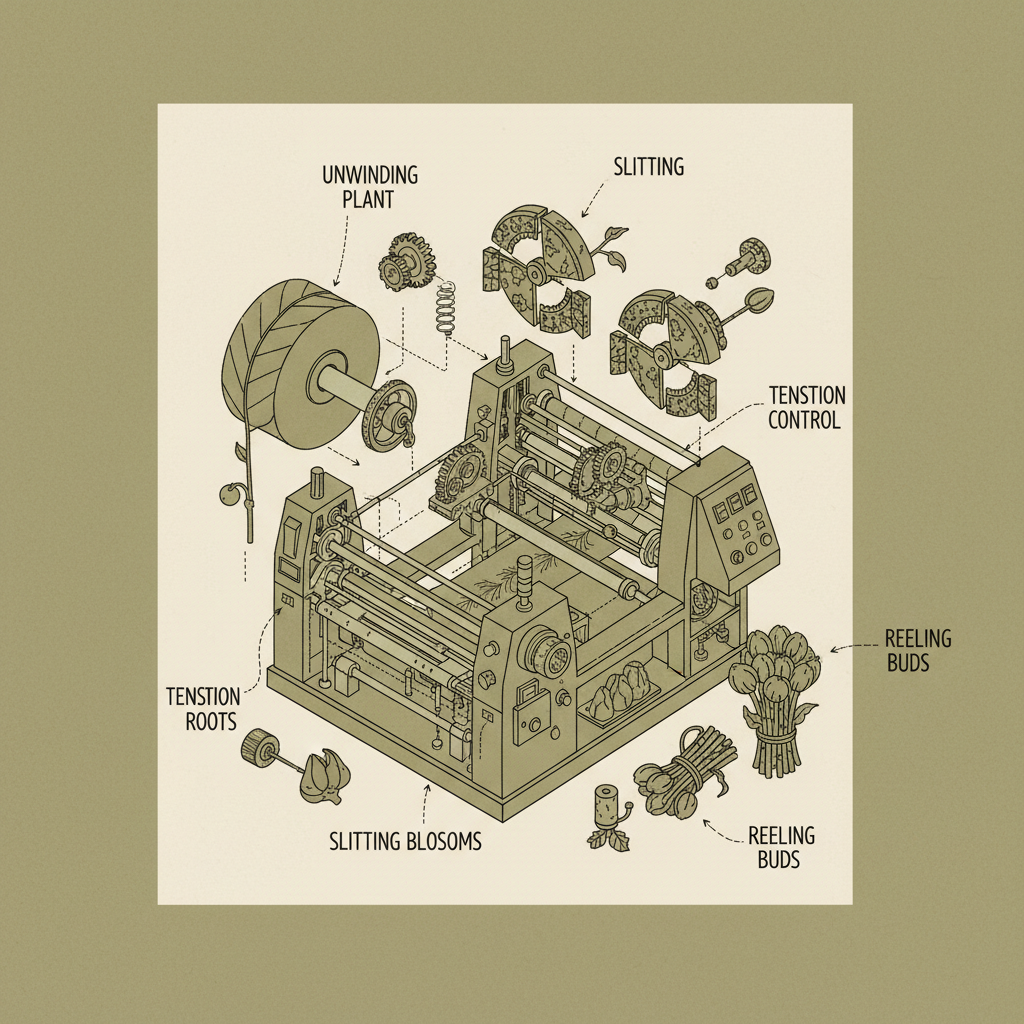
Exploring the Nuances of Automatic High Speed Roll to Roll Slitting Machine Technology

Industry Trends and Common Pitfalls

Exploring the Nuances of Automatic High Speed Roll to Roll Slitting Machine Technology

To be honest, the biggest trend is automation, of course. Everyone wants less manpower, which is understandable. But strangely, I see a lot of machines being designed by people who've never spent a day on a factory floor. They don't understand the practicalities, the dust, the heat, the sheer grit of the environment. That’s where things fall apart. They overcomplicate things. A simple, robust design will always outperform a complicated, fragile one. It’s just…physics.

A common trap? Over-engineering the tension control. They chase perfect tension, forgetting that most materials have variations. It’s a constant battle. You need something adjustable, something forgiving. Not some ultra-precise system that throws a fit if the material is off by a fraction of a percent.

Materials: A Hands-On Perspective

We mainly deal with steel – various grades, mostly. The higher-carbon stuff for the blades, obviously. You can tell a good blade just by the ring it makes when you tap it. Seriously. And the way it holds an edge. That's important! Then there’s the rollers…aluminum alloy is common, but we're seeing more ceramic coatings. They’re harder, more wear-resistant, but also… colder. Feels wrong in the hand, somehow. I like the warmth of aluminum.

The baseframes are typically heavy-duty steel, thick-walled tubular sections. You need that rigidity. Otherwise, the whole thing vibrates like crazy at high speeds. And vibration leads to inaccuracies, which leads to waste. Waste is the enemy. The smell of freshly milled metal is good though, can’t beat it.

And you’ve got the polymers for the guides and separators. Polyurethane is popular, but we’re testing some new fluoropolymers that are supposed to be even more durable and have lower friction. They feel…slick. Too slick, almost. Need to be careful with those.

Real-World Testing and Validation

Forget the lab tests. They’re useful for initial checks, sure, but the real test is running the automatic high speed roll to roll slitting machine flat out for 24 hours, with real materials, in a real factory. We simulate real-world conditions: temperature fluctuations, dust, humidity… even the occasional spilled coffee.

We also have a network of partner factories where we'll beta-test new designs. It's invaluable. They give us honest feedback. They don't care about our egos. They just want a machine that works. That's refreshing. We’ll measure things like cut accuracy, web tension stability, and the amount of waste generated.

We even test for noise levels. Surprisingly important. Operators don’t want to be deafened after eight hours. It affects productivity, you know? And we deliberately overload the machine, push it beyond its rated capacity, just to see where it breaks. It's harsh, but necessary.

User Application & Unexpected Behaviors

You think people will use the machine exactly as you designed it? Ha! Never. They’ll find creative ways to abuse it. They’ll try to run materials it wasn’t designed for. They'll skip maintenance. They’ll try to get away with things. It’s just human nature.

I’ve seen guys using the slitting machine as a makeshift table, or leaning ladders against it. Seriously. They’ll jam things in there they shouldn’t, trying to save time. And they’ll ignore the warning labels. Always. You gotta design for the idiot, as they say.

Cut Quality by Material Type (automatic high speed roll to roll slitting machine)


Advantages and Disadvantages

The advantages are obvious: speed, precision, reduced waste. With a good automatic high speed roll to roll slitting machine, you can cut down on labor costs and increase throughput. But it's not a silver bullet. The initial investment is significant. And, as I said before, the maintenance can be a pain.

The biggest disadvantage, in my opinion, is the complexity. The more features you add, the more things that can go wrong. And finding skilled technicians who can troubleshoot these machines… that’s getting harder and harder. Plus, they can be noisy. Really noisy.

Customization Capabilities

We can customize a lot. Blade types, roller materials, winding tension… even the control system. Last month, that small boss in Shenzhen who makes smart home devices insisted on changing the interface to . Said it was "more modern". The result? He couldn’t find a compatible cable anywhere on his shop floor. Cost him a week of production.

But seriously, we can tailor the machine to specific materials, web widths, and production volumes. We've built machines with automatic splice tables, integrated label applicators, even robotic arms for unloading finished rolls. Anything is possible, if you have enough money and patience.

A Customer Story

We had a customer, a packaging company in Vietnam, they were struggling with a lot of web breaks. Their old machine was constantly stopping, causing delays and waste. They needed something reliable.

So, we built them a machine with an upgraded tension control system and a more robust web guide. It wasn't flashy, but it was solid. We spent a week on-site, fine-tuning it, training their operators.

A few months later, I got a call from the owner. He said their production had increased by 20%, and their waste had been cut in half. He was ecstatic. Said he finally had a machine he could depend on. That’s what makes it all worthwhile, you know?

Key Performance Indicators for automatic high speed roll to roll slitting machine

Material Type Average Speed (m/min) Waste Rate (%) Downtime (hours/week)
Polyethylene Film 200 0.5 1
Polyester Film 180 0.8 1.5
Paper 150 1.2 2
Non-Woven Fabric 120 1.5 2.5
Aluminum Foil 100 2 3
Textile 80 2.5 4

FAQS

What's the typical payback period for investing in an automatic high speed roll to roll slitting machine?

That really depends on your current production volume and labor costs. But generally, you're looking at somewhere between 18 months to 3 years. The biggest savings come from reduced labor and less waste. It’s not just the machine cost, you need to factor in training, maintenance, and potential downtime. But, in the long run, it usually pays for itself.

How easy is it to integrate an automatic high speed roll to roll slitting machine into an existing production line?

Integration can be tricky. You need to consider things like material handling, infeed and outfeed systems, and how the machine will communicate with your other equipment. We usually recommend a site survey to assess your existing setup and identify any potential issues. It's easier if you've got a dedicated space and a level floor. Trust me, a slightly uneven floor can cause a world of problems.

What kind of maintenance does an automatic high speed roll to roll slitting machine require?

Regular maintenance is key. That includes things like lubricating bearings, checking blade sharpness, and inspecting belts and rollers. We provide a detailed maintenance schedule, but you'll also need a skilled technician on-site to perform more complex repairs. Ignoring maintenance is a surefire way to end up with a costly breakdown.

What safety features are included in a typical automatic high speed roll to roll slitting machine?

Safety is paramount. We include things like emergency stop buttons, light curtains, and interlocked guards to prevent accidental contact with moving parts. We also have overload protection to prevent damage to the machine. But ultimately, it’s up to the operators to follow safety procedures. They need to be trained properly and wear the appropriate personal protective equipment.

Can the slitting machine handle different types of materials, like paper, plastic film, and textiles?

Yes, with the right blade and roller configuration, most automatic high speed roll to roll slitting machine can handle a variety of materials. However, some materials are more challenging than others. For example, abrasive materials like carbon fiber can wear down the blades quickly. We’ll work with you to determine the best setup for your specific materials.

What are the biggest challenges when running an automatic high speed roll to roll slitting machine at high speeds?

The biggest challenge is maintaining consistent web tension and preventing web breaks. At high speeds, even a small variation in tension can cause the material to wrinkle or tear. You also need to be careful about static electricity, especially with plastic films. And vibration is a constant concern. It takes a lot of fine-tuning and careful monitoring to keep everything running smoothly.

Conclusion

So, what have we learned? The market's demanding faster, more efficient slitting. But speed isn't everything. Reliability, ease of maintenance, and adaptability are just as important. You need a machine that can handle the real-world conditions of a factory, not just a laboratory. And remember, customization is key—but don’t go overboard.

Ultimately, whether this thing works or not, the worker will know the moment he tightens the screw. That’s the bottom line. If it feels right, sounds right, and performs consistently, you’ve got a good machine. If not… well, you know what to do. Check out our website for more information and let's talk about your specific needs.
Kevin Harris

Kevin Harris

Kevin Harris is a skilled Sales Engineer at Xingtai Shuoding Trading Co., Ltd, specializing in our lithium battery production line equipment. With a background in electrical engineering and a focus on renewable energy technologies, Kevin works with potential US clients to understand their battery manufacturing needs and propose tailored solutions.
Previous Optimizing Battery Production Equipment Line for Efficiency and Reliability
Next high precision lithium battery rolling press machine