Dust-proofing sealing strips are critical components in modern battery manufacturing, particularly in the burgeoning lithium-ion battery sector. These strips are engineered to prevent the ingress of particulate matter, moisture, and other contaminants that can severely impact battery performance, lifespan, and safety. As demand for high-performance, reliable energy storage solutions surges globally, the importance of effective sealing solutions like dust-proofing sealing strips is amplified.
The need for robust dust-proofing sealing strips isn’t limited to battery production. They are also vital across a diverse range of industries, including Battery Energy Storage Systems, exported and imported products requiring environmental protection, and even applications as seemingly unrelated as rubber sealing products. This broad applicability underscores their significance in ensuring product quality and operational efficiency.
Investing in high-quality dust-proofing sealing strip solutions isn’t merely about preventing failures; it’s about enhancing the overall value proposition for manufacturers and end-users alike. Improved battery longevity, reduced maintenance costs, and enhanced safety profiles all contribute to a compelling return on investment.
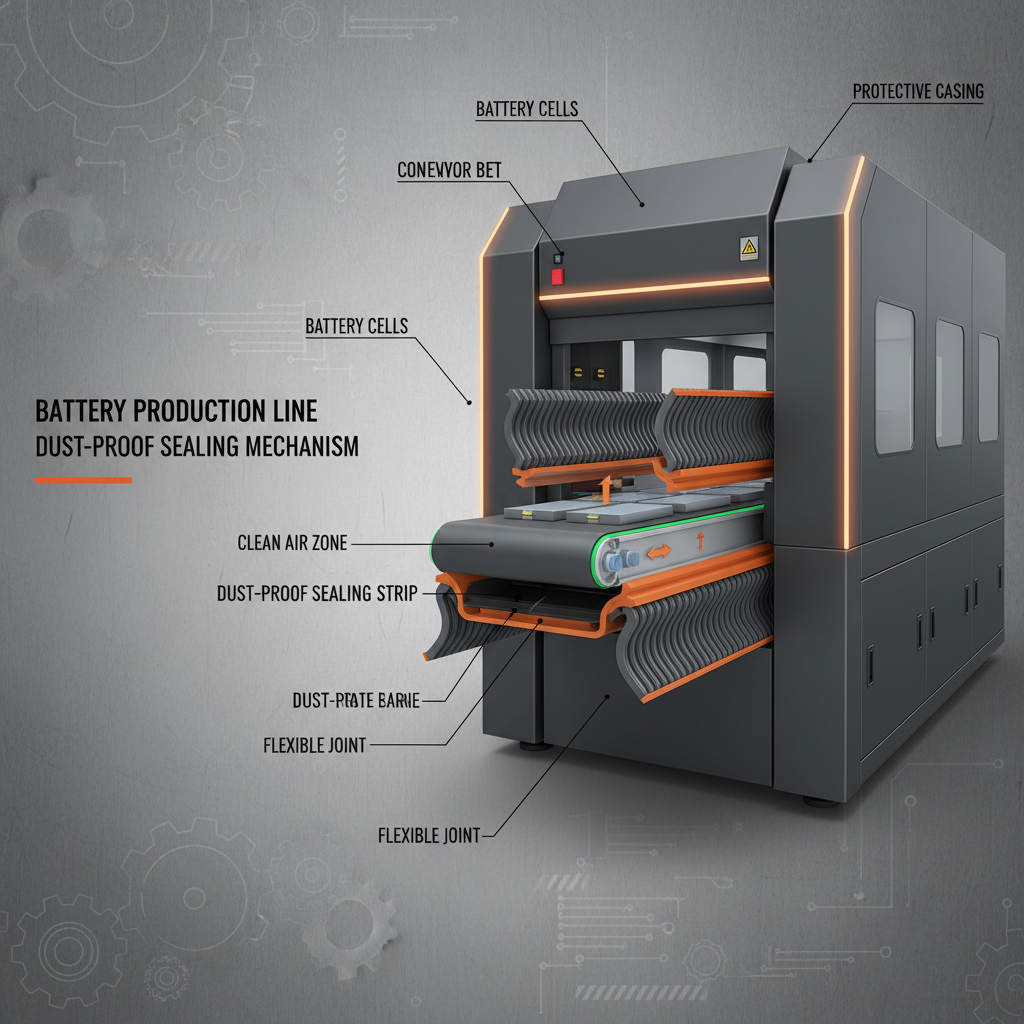
The Significance of Dust-Proofing Sealing Strips
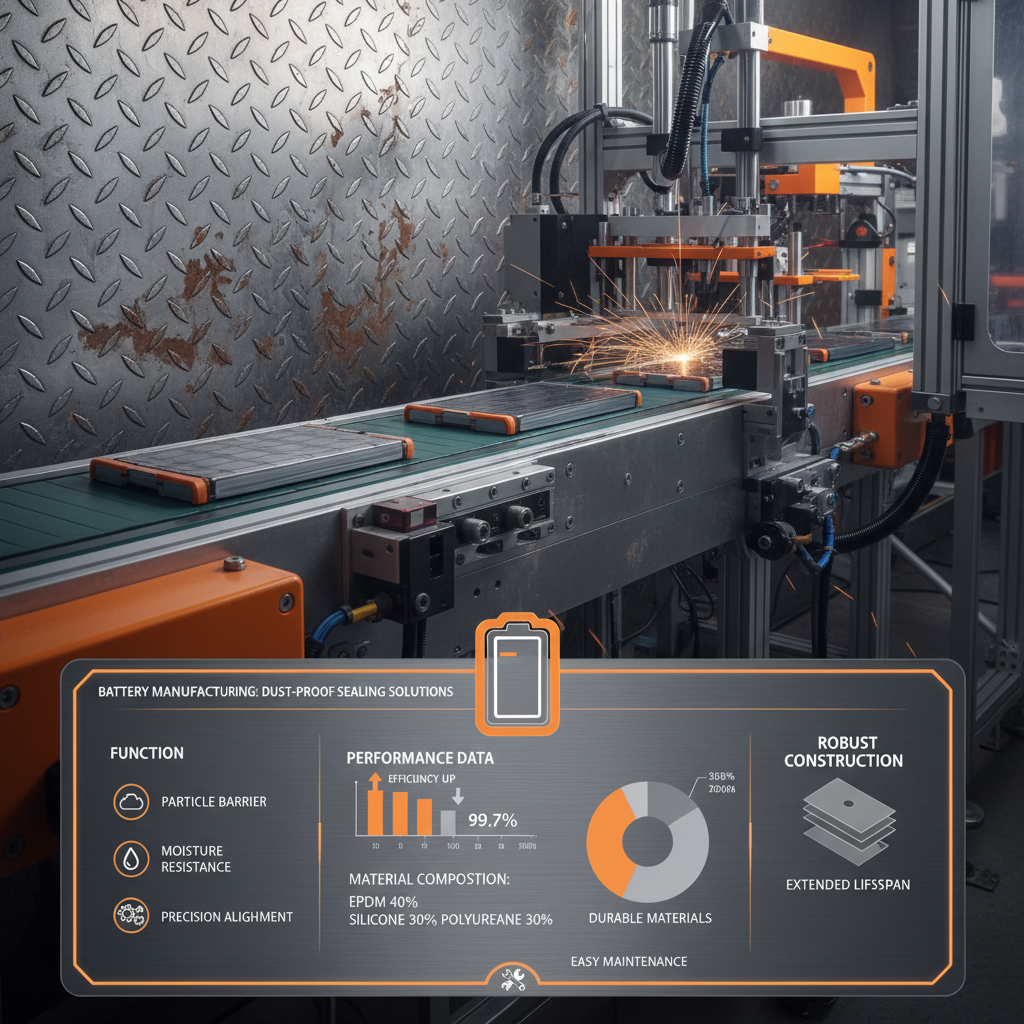
The delicate internal components of lithium-ion batteries and other precision equipment are exceptionally vulnerable to dust and contaminants. Even microscopic particles can disrupt performance, lead to short circuits, and ultimately cause complete system failure. Dust-proofing sealing strips provide a critical barrier, ensuring the integrity and longevity of these sensitive systems.
Their application extends beyond simple prevention of physical damage. Maintaining a clean internal environment also contributes to thermal stability, preventing overheating and reducing the risk of fire – a paramount concern in battery technology. Proper sealing, therefore, is not just a quality control measure; it’s a safety imperative.
FAQS
A high-quality dust-proofing sealing strip differentiates itself through superior material composition – often employing specialized polymers – excellent compression set resistance, and consistent dimensional accuracy. It should also demonstrate strong adhesion properties, ensuring a secure and long-lasting seal even under varying temperature and humidity conditions. Proper certification and testing to industry standards are also key indicators of quality.
Selecting the appropriate sealing strip requires careful consideration of your application’s specific requirements. Factors to consider include the size of the gap you need to seal, the operating temperature range, the presence of chemicals or solvents, and the required level of dust and moisture protection. Consulting with a sealing specialist is highly recommended to ensure optimal performance.
The lifespan of a dust-proofing sealing strip varies depending on the material, operating conditions, and the frequency of compression/decompression. However, a well-maintained, high-quality strip can typically last for several years. Regular inspection and replacement may be necessary in harsh environments or applications involving continuous movement.
The chemical resistance of a sealing strip depends on the material it’s made from. Silicone and polyurethane strips generally offer excellent resistance to a wide range of chemicals and solvents. However, it’s crucial to verify the compatibility of the material with the specific chemicals present in your application to prevent degradation and seal failure.
Increasingly, manufacturers are seeking eco-friendly sealing strip materials. Options include biodegradable polymers, recycled rubber, and materials with low VOC emissions. Choosing sustainable materials contributes to a smaller environmental footprint and supports responsible manufacturing practices.
Yes, many manufacturers offer custom sealing strip fabrication services. This allows you to obtain strips tailored to your precise dimensions and geometries, ensuring a perfect fit and optimal sealing performance. Customization is particularly useful for complex applications or unique equipment designs.
Conclusion
Dust-proofing sealing strips are far more than mere components; they are fundamental elements in ensuring the reliability, safety, and longevity of critical equipment and systems across a multitude of industries. From safeguarding sensitive electronic components in lithium-ion batteries to protecting medical supplies in disaster relief operations, their importance is undeniable. By understanding the key properties, applications, and emerging trends in sealing technology, manufacturers and end-users can make informed decisions that optimize performance and minimize risk.
Looking ahead, continued innovation in materials science and digital integration will drive the development of even more effective and sustainable sealing solutions. Prioritizing quality, considering environmental impact, and embracing technological advancements will be crucial for meeting the evolving demands of a rapidly changing global landscape. Visit our website at www.xtshuoding.com to learn more about our comprehensive range of dust-proofing sealing strip solutions.
Related Posts
-

Understanding Fire Sealing Strip for Enhanced Building Safety and Compliance
-
Comprehensive Guide to Furniture Rubber Sealing Strip Applications and Technologies
-
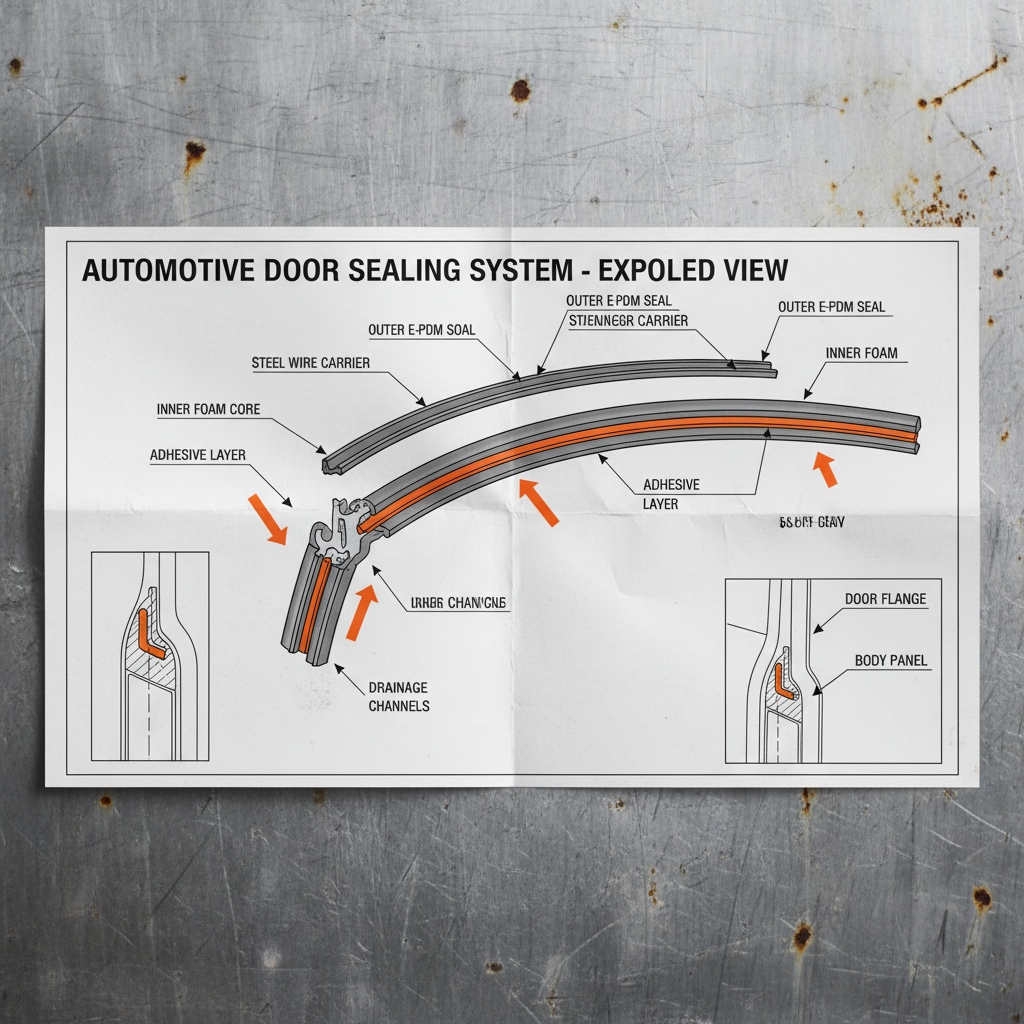
Comprehensive Guide to Car Door Strip Design Materials and Applications
-

The Crucial Role of PVC Sealing Strip in Modern Industrial Applications