White Rubber Weather Door Seal: Key Benefits, Applications & Future Trends
Understanding the White Rubber Weather Door Seal: A Vital Industrial Component
At first glance, a white rubber weather door seal might not sound like a game-changer, but its global importance is quite remarkable. These seals, typically made from flexible rubber compounds, act as the unsung heroes preventing drafts, moisture, dust, and even insects from invading indoor environments. Their impact extends beyond mere comfort—they are essential in energy conservation, increasing product longevity, and enhancing safety across countless industries worldwide.
Worldwide, the construction and manufacturing sectors lose billions annually because of inefficient sealing solutions. The International Energy Agency (IEA) estimates that up to 30% of energy that heats or cools buildings is wasted through leaks—gaps that products like the white rubber weather door seal effectively plug. This metric alone underlines why understanding this simple component matters—not just for cost savings, but for environmental stewardship as well.
What Exactly Is a White Rubber Weather Door Seal?
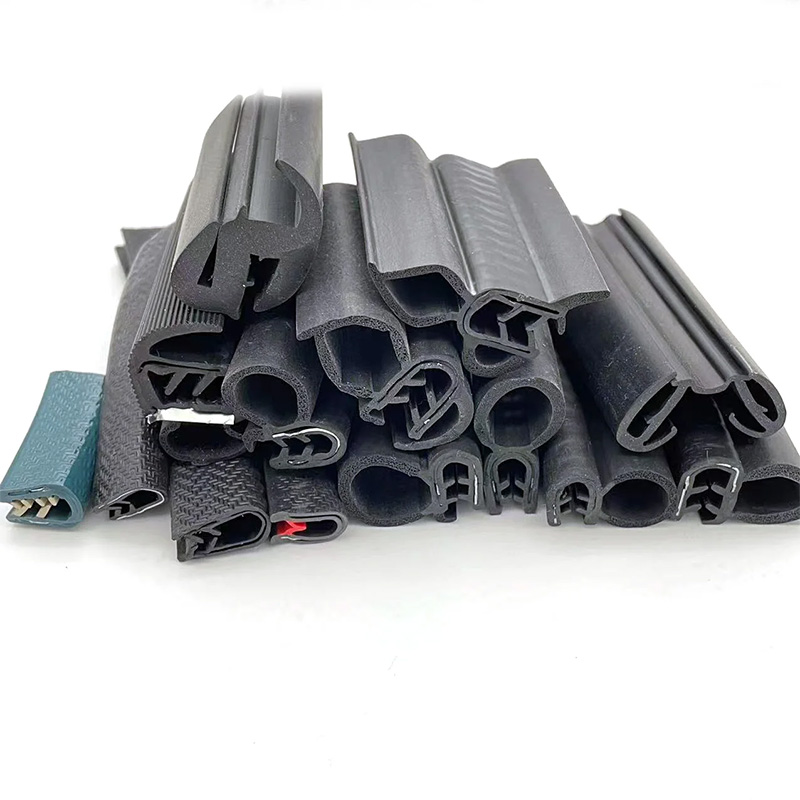
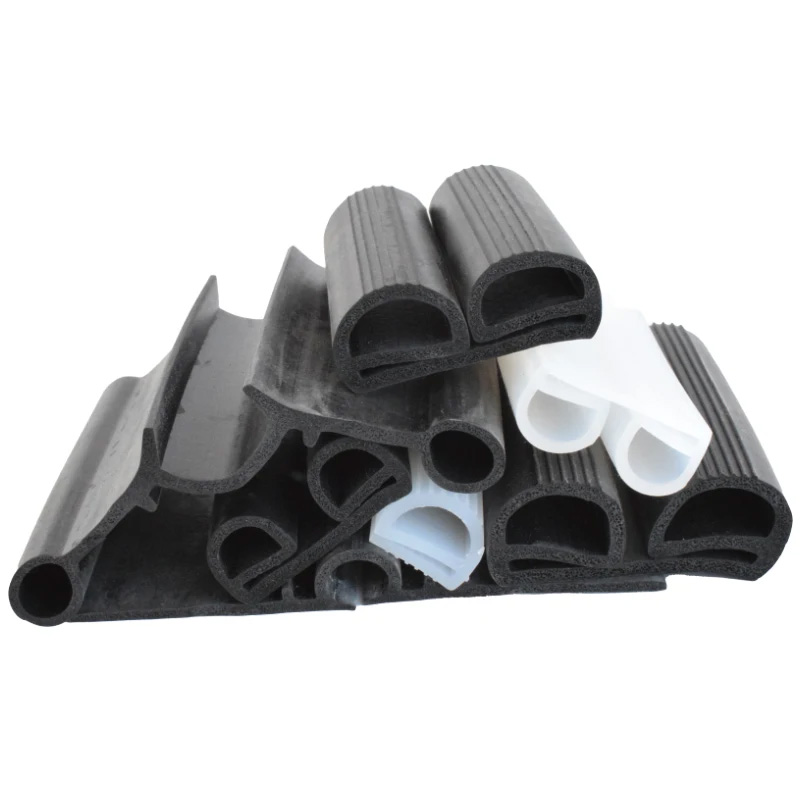
In plain terms, a white rubber weather door seal is a flexible strip—usually made from materials such as EPDM (ethylene propylene diene monomer) rubber—that fits into door frames to create a tight barrier against outside elements. Its white color isn’t merely aesthetic; it often indicates UV-stable formulations or suitability for certain environments where heat reflection matters.
Far from being a trivial door accessory, these seals are instrumental in modern building and industrial design. They help meet international standards like ISO 14001 for environmental performance by reducing heat loss and curbing HVAC energy consumption. Additionally, in humanitarian aid housing or temporary shelters, weather seals provide a layer of protection critical for preserving warmth and safety.
Key Characteristics of White Rubber Weather Door Seals
1. Durability
These seals are engineered to resist extreme temperatures, ozone, and UV rays, often lasting anywhere between 5 to 15 years depending on environment and maintenance. This durability means fewer replacements and less waste.
2. Flexibility & Fit
The ability of rubber to compress and rebound provides a consistent airtight seal—even as doors expand, contract, or shift slightly over time. This adaptability is crucial for maintaining performance without warping door mechanics.
3. Cost Efficiency
While the initial cost may vary, investing in quality weather door seals tends to pay off through reduced energy bills and fewer building repairs. Frankly, it’s often the small upgrade that delivers outsized returns.
4. Environmental Resistance
White rubber seals resist mold, mildew, and chemical corrosion, which makes them perfect for harsh settings—industrial plants, coastal buildings, or transport vehicles exposed to salt spray.
5. Ease of Installation
Most come with adhesive backing or are designed for snap-in placement, enabling quick retrofits and minimal labor costs.
Product Specifications at a Glance
| Specification | Details |
|---|---|
| Material | EPDM rubber (UV & ozone resistant) |
| Color | White (optional other colors available) |
| Temperature Range | -40°C to 120°C (-40°F to 248°F) |
| Length | Typically 10m rolls or custom lengths |
| Installation | Adhesive-backed or channel fit |
Global Applications & Use Cases
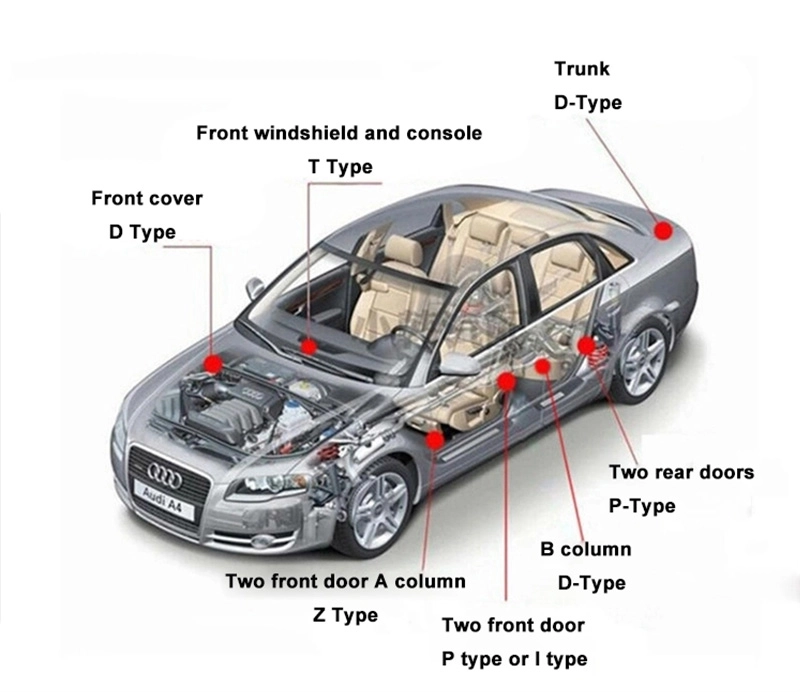
The versatility of the white rubber weather door seal reveals itself across a surprising range of industries. Oddly enough, they’re everywhere—from the sealed doors of refrigerated trucks ferrying vaccines in Africa to high-end commercial buildings in Europe striving for LEED certification.
- Construction: In cold regions like Scandinavia or Canada, these seals are instrumental in passive house designs, significantly lowering heating needs.
- Transportation: Maritime vessels and railcars rely heavily on weather seals to maintain controlled cargo environments.
- Disaster Relief: Temporary shelters equipped with effective door seals provide refugees and displaced persons with improved living conditions, reducing exposure to harsh weather.
- Manufacturing Facilities: Cleanrooms and pharmaceutical plants use precise sealing solutions to maintain contamination control.
| Vendor | Material Quality | Customization Options | Pricing | Lead Time |
|---|---|---|---|---|
| XT Shuoding | High-grade EPDM, UV resistant | Lengths, hardness, profile shape | Competitive | 2-3 weeks |
| SealMaster Co. | Standard EPDM | Basic lengths only | Budget-priced | 1 week |
| Global Seals Ltd. | Food-grade rubber options | Custom profiles, colors | Premium | 3-4 weeks |
Advantages & Long-Term Value
Beyond simple weatherproofing, these seals offer tangible benefits that ripple out in unexpected ways. Reduced energy bills are a no-brainer; insulated homes and buildings simply cost less to heat or cool. But there’s also a lot less wear and tear on HVAC systems, which translates into less maintenance and emissions.
On a social level, better sealing can mean healthier indoor environments—limiting allergens, preventing mold growth, and improving air quality. This often leads to improved wellbeing and productivity, especially in offices and schools. I’ve noticed in several case studies from ISO-compliant projects how investing in quality seals aligns perfectly with sustainability goals.
Looking Ahead: Future Trends & Innovations
Innovation doesn’t stop with simple rubber strips. New composites blending silicon with ceramics are boosting temperature resistance, ideal for industrial zones with extreme heat. Advances in nanotechnology are also promising “smart seals” capable of self-healing minor cuts or abrasions.
Moreover, as green building standards become more stringent worldwide, the demand for recyclable and bio-based rubber materials is increasing. This fits well with global circular economy initiatives championed by the UN Environment Programme (UNEP).
Challenges & Expert Solutions
Despite their benefits, white rubber weather door seals have limitations. The biggest challenge is degradation in harsh UV environments or contact with oils and solvents. Also, improper installation can compromise their effectiveness entirely.
Expert engineers recommend routine inspections and complementing seals with sustainable coatings to enhance lifespan. Customized profiles tailored to door geometry reduce installation errors. Some manufacturers also now offer UV-stabilized blends to fight deterioration.
FAQ: Frequently Asked Questions About White Rubber Weather Door Seals
- Q: How do I know if my door needs a new weather seal?
A: Signs include drafts, noticeable gaps, difficulty closing doors, or visible cracks in the existing seal. Regular checks every 1-2 years are advisable. - Q: Can white rubber door seals be used outdoors?
A: Yes, especially EPDM-based seals that resist UV rays and ozone, but verify manufacturer specs for your climate’s extremes. - Q: Are these seals easy to install without professional help?
A: Usually yes—many are designed for DIY installation with adhesive backs or snap-fit. Still, precise fitting matters for best results. - Q: What makes white rubber superior to other seal materials?
A: Its durability, flexibility, UV resistance, and color reflectivity make it ideal for varied environments, balancing longevity and aesthetics. - Q: How does installing weather seals contribute to sustainability?
A: By preventing energy loss, they reduce carbon footprints and support green building certifications.
Conclusion
Ultimately, the white rubber weather door seal is more than just an accessory—it’s a critical component of energy efficiency, sustainability, and occupant comfort globally. Its adaptability across numerous industries underscores its value for decades to come. For those interested in quality products offering customization and trusted performance, I suggest checking out white rubber weather door seal options and expert guidance from reputable vendors.
Feel free to visit their site and explore how such simple technology can make a substantial impact on your next project.
Sometimes, it’s the small, overlooked details that keep everything running smoothly. Kind of makes you appreciate the humble weather seal a bit more, doesn’t it?
References
Share
-
Eco Friendly Drawstring Jute Bag Guide for Sustainable PackagingNewsApr.16,2026
-
Elegant Wedding Jute Bags for Sustainable and Rustic Event PackagingNewsApr.09,2026
-
Sustainable Jute Bags for Coffee Packaging and Branding SolutionsNewsApr.07,2026
-
Explore the Benefits of Sustainable Saran Jute Bags for Your BusinessNewsApr.04,2026
-
Sustainable Jute Soap Bags Packaging Solutions for Eco Friendly BrandsNewsMar.31,2026
-
Discover the EcoFriendly Charm of Jute Favor Bags for Every OccasionNewsMar.28,2026