Bottom Freezer Door Rubber Seal: Essential Guide to Efficiency and Longevity
Understanding the Bottom Freezer Door Rubber Seal: Why It Matters
If you’ve ever peeked inside your refrigerator, you might have noticed that the freezing compartment downstairs has a rubber lining around the door. That humble, often-overlooked component is what we call the bottom freezer door rubber seal, and it plays a remarkably important role in your appliance’s efficiency and reliability. Globally, as energy consumption becomes a hot button issue—no pun intended—understanding the ins and outs of these seals isn’t just handy, it’s practically essential for manufacturers, consumers, and environmental advocates alike.
From reducing food waste in households to slashing electricity bills, this small plastic strip tackles big challenges related to insulation and efficiency. That’s why in this article, we’ll explore what a bottom freezer door rubber seal actually is, why it’s crucial worldwide, and how innovations in this field mirror larger trends in sustainable technology. So, whether you’re a curious consumer or a product engineer, you’ll find some useful insights here.
Global Context: The Bigger Picture for Bottom Freezer Door Rubber Seals
The demand for refrigeration units, including those with bottom freezer compartments, has exploded worldwide. According to the International Energy Agency (IEA), refrigerators account for roughly 8% of household electricity use—significant when multiplied by billions of units globally. Oddly enough, one of the simplest ways to curb this energy drain is ensuring that the door seals do their job effectively.
Refrigeration is essential in mitigating food spoilage, a problem the United Nations estimates contributes to around one-third of all produced food going to waste annually (source: FAO). A poor seal means warm air leaks in, forcing compressors to run longer, raising costs, and kicking up greenhouse gas emissions. When multiplied globally, even a tiny upgrade in these seals can translate to massive energy savings and emission cuts.
Defining the Bottom Freezer Door Rubber Seal
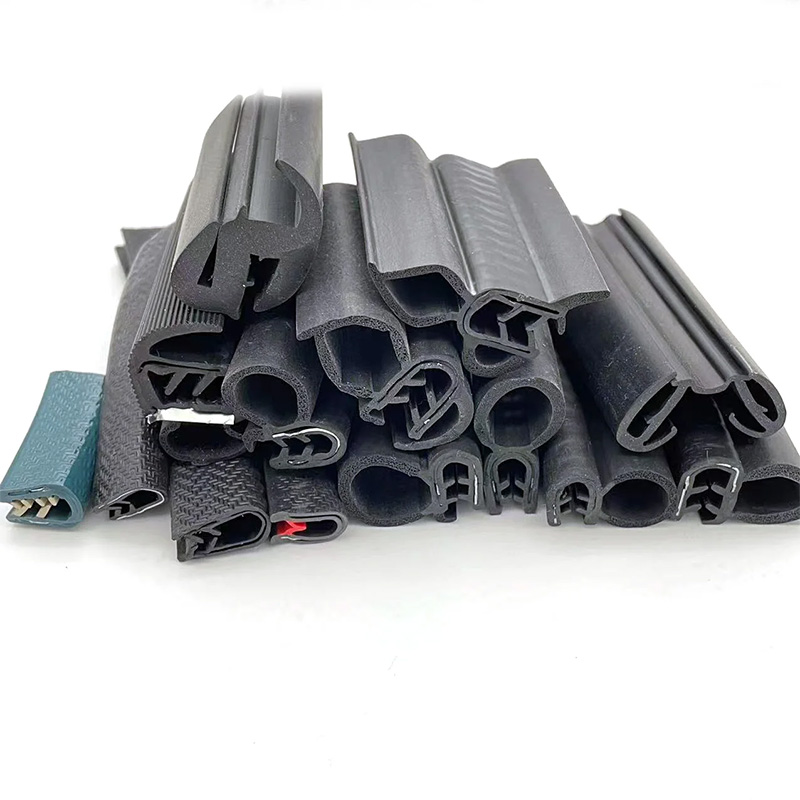
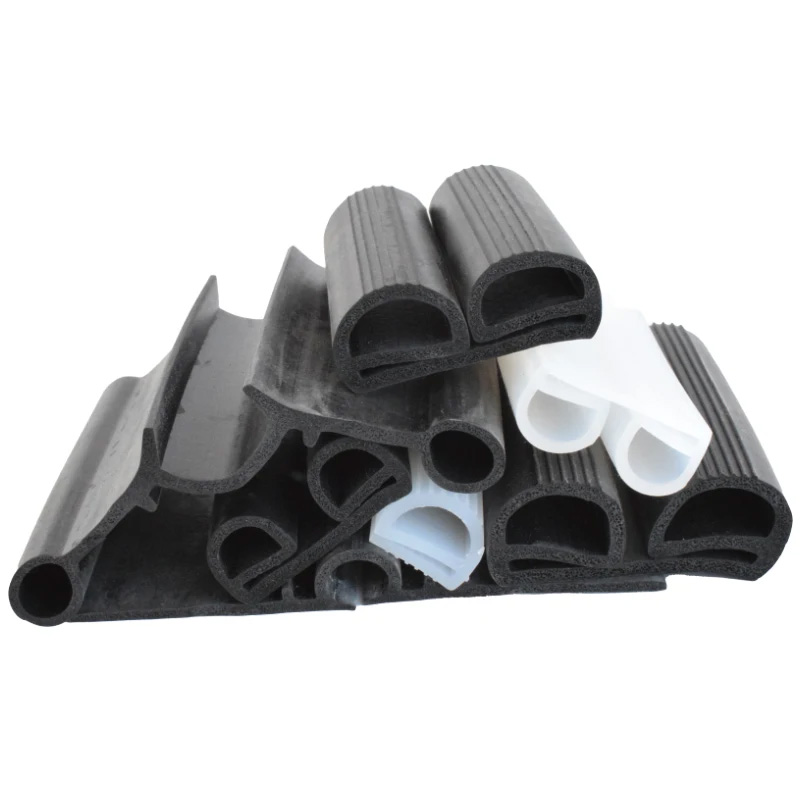
At its core, the bottom freezer door rubber seal is the rubber gasket lining the perimeter of the freezer door located at the bottom section of a refrigerator. Its function? To create an airtight seal preventing cold air from escaping and warm air from entering, which is crucial for maintaining consistent internal temperature. These seals are usually made from flexible synthetic rubbers like EPDM (ethylene propylene diene monomer) or silicone due to their resilience and resistance to temperature extremes.
This seal’s performance directly supports the refrigeration’s energy efficiency, food preservation, and durability. In a way, it acts much like your house’s weather stripping but for the cold. Modern manufacturers tune the design and material composition to enhance longevity and adaptability to changing door designs.
Key Components & Features of Bottom Freezer Door Rubber Seals
1. Durability and Material Quality
High-quality rubber that resists cracking, compression set, and deformation is a must. Given the freeze-thaw cycles and constant door opening, the seal must maintain flexibility over years.
2. Compression & Fit
The seal must compress just right—not too loose to allow air leaks, and not too tight to wear down the hinge or door frame. This balance is a technical art in engineering and manufacturing.
3. Energy Efficiency
A good seal minimizes the energy needed to keep the freezer cold. This directly lowers electricity consumption and carbon footprint, a non-negotiable as regulatory standards tighten internationally (ISO 15502 touches on refrigerator efficiency testing).
4. Ease of Replacement & Installation
Many modern designs prioritize user-friendly replacement; seals should snap or slot in without complicated tools. This keeps end-users happy and reduces e-waste.
5. Resistance to Contaminants
The gasket needs to resist mold, mildew, and food acids which might degrade its performance or sanitation over time.
Product Specification Example
| Specification | Details |
|---|---|
| Material | EPDM Rubber with UV Stabilizers |
| Operating Temperature Range | -40°C to +90°C |
| Compression Set Resistance | |
| Length Options | Custom cut to dimensions (1m - 5m) |
| Installation | Snap-fit or adhesive backed |
Global Applications and Real-World Use Cases
The bottom freezer door rubber seal finds itself everywhere refrigerators do—from urban homes in New York to rural villages in sub-Saharan Africa. In big commercial settings like supermarkets or cold storage warehouses, maintaining a perfect seal means preserving large stocks of perishable goods, therefore ensuring food safety on a larger scale.
In humanitarian operations, where mobile refrigeration for vaccines or food aid is critical, these seals underpin the cold chain’s integrity. For instance, during post-disaster relief, any broken seal could mean vaccine spoilage, a risk organizations like UNICEF vigilantly guard against.
Oddly enough, even in remote industrial zones such as mining camps in Australia or Arctic research stations, reliable rubber seals reduce the energy burden on generators and power grids that run refrigeration units.
Vendor Comparison: A Quick Look at Leading Bottom Freezer Door Rubber Seal Manufacturers
| Vendor | Material Quality | Customization Options | Price Range | Delivery Lead Time |
|---|---|---|---|---|
| SealTech Co. | Premium EPDM with additives | Custom lengths, snap-fit profiles | $$$ | 2-3 weeks |
| RubberWorld Ltd. | Standard EPDM | Limited customization | $ | 1 week |
| EcoSeal International | Silicone-based eco-friendly seal | Fully customizable, bio-based options | $$$$ | 3-4 weeks |
Advantages & Long-Term Value of Quality Freezer Door Seals
- Energy Savings: A solid seal reduces compressor runtime, cutting electricity bills.
- Food Preservation: Maintains optimal temperatures, avoiding spoilage and waste.
- Environmental Impact: Less waste and energy drain leads to a smaller carbon footprint.
- Reliability & Safety: Prevents frost buildup and mechanical wear on doors.
- Customer Satisfaction & Trust: Appliances with long-lasting seals foster better brand loyalty.
It’s interesting how something so small can have a domino effect—improving sustainability while also touching on the emotional reassurance consumers get from a fridge that works properly.
Future Trends & Innovations in Bottom Freezer Door Seals
Looking forward, the industry is experimenting with advanced polymers that self-heal after small tears or damage, utilizing nanomaterials to improve insulation without bulk, and incorporating antimicrobial additives to boost sanitation. Sustainability takes center stage with bio-based rubbers and recyclable components evolving quickly.
On the tech side, some companies are developing “smart seals” embedded with sensors to alert users when deterioration or leaks occur, tying into the rise of IoT (Internet of Things) in home appliances. Such trends aim to extend the life cycle and reduce waste.
Challenges & Practical Solutions
Of course, not all seals are created equal. A common challenge is the seal’s degradation due to temperature extremes and chemical exposure from cleaning products. Warping and compression set can lead to gaps. The key to addressing these issues lies in rigorous material testing and design adjustments tailored to specific freezer types.
Regular maintenance and user education also help prolong seal lifespan. I’ve noticed many end-users are unaware that a quick wipe of the gasket prevents dirt accumulation, which otherwise compromises the seal.
FAQ: Frequently Asked Questions About Bottom Freezer Door Rubber Seals
Q1: How do I know if my bottom freezer door rubber seal needs replacing?
If you notice frost buildup near the door edges, increased energy consumption, or your freezer doesn’t maintain a consistent temperature, the seal might be compromised. Also, physical cracks, tears, or loss of flexibility are signs you should replace it.
Q2: Can I install the replacement seal myself?
Many seals are designed for user-friendly installation, with snap-in or adhesive-backed profiles. Just make sure to get the exact fit for your model, and follow manufacturer instructions carefully to maintain the seal’s integrity.
Q3: What types of materials are used for these seals?
Primarily EPDM rubber and silicone are popular for their flexibility and resistance to cold and heat. Silicone offers superior longevity but may cost more. Some manufacturers also experiment with bio-based materials for sustainability.
Q4: How often should freezer seals be inspected or replaced?
Generally, seals last 3 to 5 years under normal use but should be inspected every 6 to 12 months for cracks or gaps. Regular maintenance can extend this lifespan.
Q5: Where can I find quality replacement seals?
Reliable suppliers like bottom freezer door rubber seal manufacturers and appliance service centers can provide appropriate products. Always check compatibility and warranty.
Conclusion & Call to Action
In the end, the bottom freezer door rubber seal is much more than just a strip of rubber—it’s a critical player in energy efficiency, food safety, sustainability, and overall appliance reliability. Investing in quality seals, understanding their maintenance, and keeping an eye on emerging innovations will save money and help reduce environmental impact over time.
If you’re interested in exploring high-quality options or need tailored solutions, I highly recommend visiting https://www.xtshuoding.com. They offer a range of products with proven durability and eco-conscious features.
Short takeaway: Don’t underestimate the value of a good freezer door seal—it’s a small thing with big benefits.
References
Share
-
Eco Friendly Drawstring Jute Bag Guide for Sustainable PackagingNewsApr.16,2026
-
Elegant Wedding Jute Bags for Sustainable and Rustic Event PackagingNewsApr.09,2026
-
Sustainable Jute Bags for Coffee Packaging and Branding SolutionsNewsApr.07,2026
-
Explore the Benefits of Sustainable Saran Jute Bags for Your BusinessNewsApr.04,2026
-
Sustainable Jute Soap Bags Packaging Solutions for Eco Friendly BrandsNewsMar.31,2026
-
Discover the EcoFriendly Charm of Jute Favor Bags for Every OccasionNewsMar.28,2026