Waterproof Rubber Seals: Durable Protection for Global Industry & Infrastructure
Waterproof Rubber Seals: An Unsung Hero on a Global Stage
Waterproof rubber seals might not get the spotlight like flashy gadgets or shiny machines, but they hold a quiet, critical role in industries worldwide. Whether protecting infrastructure from water damage or enabling complex machinery to operate in harsh environments, these little components are everywhere, doing heavy lifting beneath the surface. Understanding them isn’t just for engineers or product designers; it’s about realizing how a small, flexible ring or strip advances global operations, safeguards communities, and even supports humanitarian missions.
Why does this matter globally? Roughly, one in three buildings worldwide faces some level of water intrusion during their lifespan, according to ISO studies. Beyond construction, the demand for robust sealing solutions rises in the energy, automotive, marine, and electronics industries. Vulnerability to water ingress can cripple entire systems, cost billions, and even risk lives. Let's dive in.
The Global Importance of Waterproof Rubber Seals
The World Bank estimates that water damage costs infrastructure projects nearly 10% of their operating costs annually. Waterproof rubber seals reduce this risk daily—across climate zones from London’s rainy streets to coastal factories in Malaysia.
Hardly just a niche product, these seals meet global challenges like climate change, urbanization, and industrial automation. For example, in flood-prone regions, better sealing technology reduces wear and failure rates on water pumps and storage tanks. Oddly enough, despite their simplicity, the seals are linchpins for resilient construction and functioning ecosystems.
Mini takeaway:
- Waterproof rubber seals impact multiple sectors worldwide.
- They mitigate costly water damage and align with infrastructure sustainability goals.
What Exactly Are Waterproof Rubber Seals?
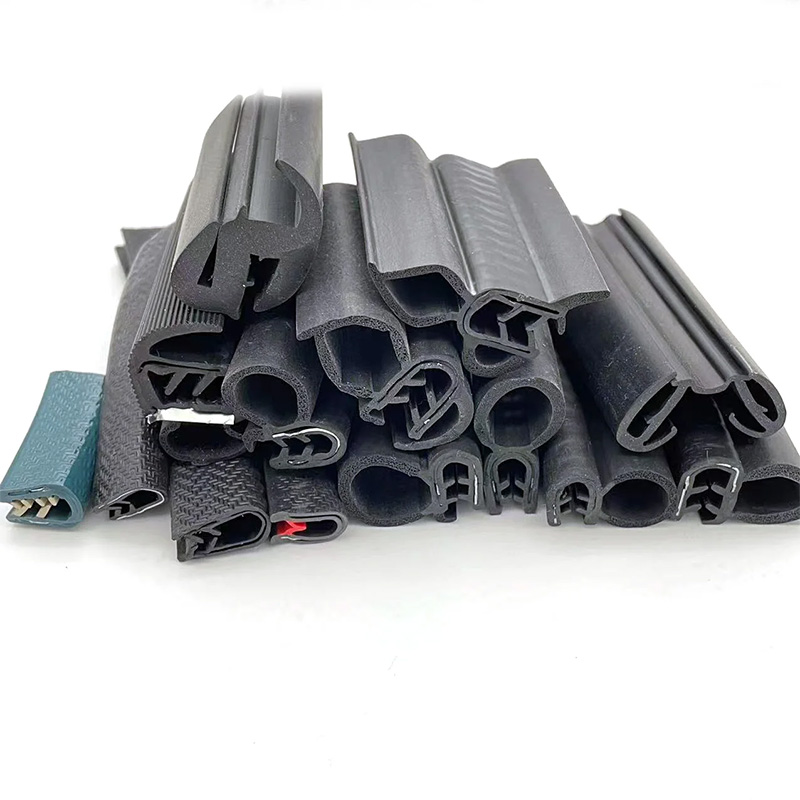
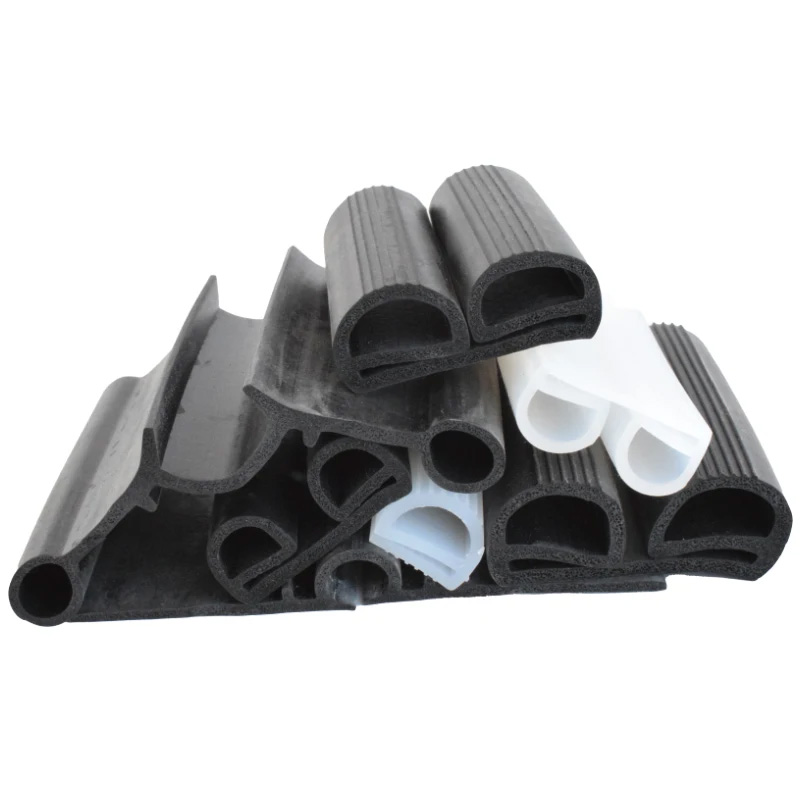
Think of a waterproof rubber seal as a flexible barrier carved or molded from elastomers, designed to fit tightly between surfaces and prevent water, dust, or air from sneaking through. They’re the unsung bumpers, gaskets, and washers that keep the elements out and systems working smoothly.
In modern industries — from aerospace to humanitarian disaster relief modules — these seals support everything from protecting vital electronics to ensuring safe drinking water. In short, they’re about integrity: holding water where it should be and keeping it away from sensitive components.
Mini takeaway:
- Simple in concept but intricate in design and application.
- Serve as critical enablers in advanced manufacturing and relief technology.
Core Features Defining Waterproof Rubber Seals
1. Durability
They must resist extreme temperatures, UV exposure, and chemical corrosion—sometimes for years running. Durable seals mean fewer replacements and lower maintenance costs.
2. Elasticity & Flexibility
The material’s ability to flex and form tight, adaptive bonds helps maintain waterproofing even when surfaces shift or vibrate. I’ve noticed many engineers say this flexibility is what sets premium seals apart.
3. Scalability
From tiny seals in electronics to large gaskets in HVAC systems, scalable manufacturing ensures these products meet highly varied needs at different volumes.
4. Cost Efficiency
Cost matters as much as performance, especially for industries where thousands of seals get installed per project. Finding the sweet spot between price and lifecycle is key.
5. Environmental Resistance
Resistance to mold, mildew, ozone, and other environmental factors prolongs service life — especially important for outdoor or marine use.
| Feature | Typical Range | Practical Benefit |
|---|---|---|
| Operating Temp | -40°C to 120°C | Withstands diverse climate conditions |
| Tensile Strength | 5 to 20 MPa | Maintains seal integrity under stress |
| Compression Set | Recovers shape after compression | |
| UV Resistance | Good to Excellent | Prevents material degradation outdoors |
Real-World Uses of Waterproof Rubber Seals
These seals show up in a surprising range of places:
- Construction: Sealing windows, doors, and joints to prevent water intrusion and draft.
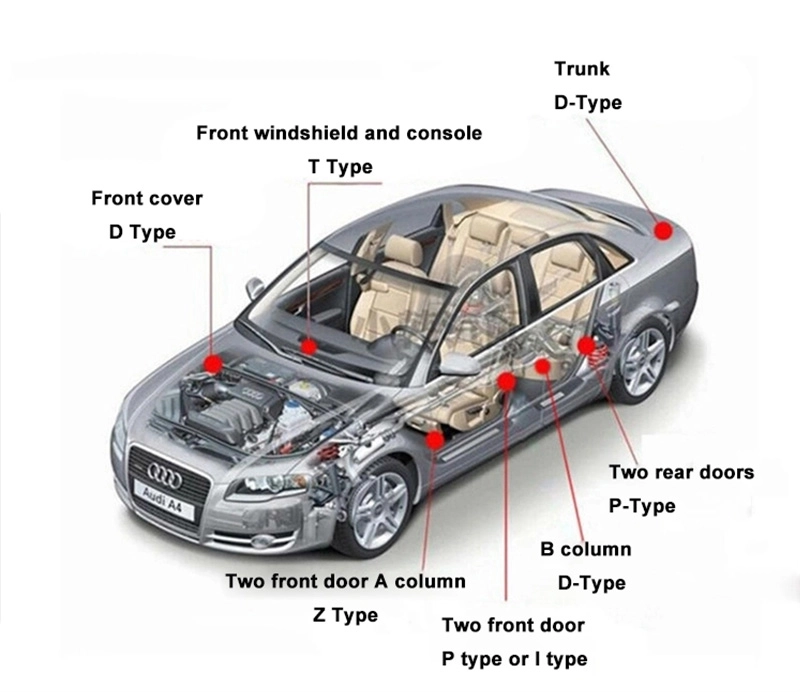
- Automotive industry: Protecting engines and electrical components from water damage.
- Marine Equipment: Ensuring that boat hulls and underwater sensors remain watertight despite harsh conditions.
- Humanitarian aid: Modular shelters and water tanks rely on waterproof rubber seals for durability in disaster zones.
- Electronics: Smartphones and wearable devices use tiny seals to prevent moisture ingress.
In many remote industrial zones—say, oil rigs off West Africa or geothermal plants in Iceland—these seals are the difference between smooth operation and costly downtime.
Mini takeaway:
- Wide-ranging, multi-industry applicability.
- The backbone of reliable infrastructure in tough environments.
Why Waterproof Rubber Seals Offer Long-Term Value
When you invest in solid waterproof rubber seals, you’re really investing in peace of mind. Fewer leaks mean reduced structural damage, lower maintenance bills, and less environmental contamination. On a personal level, it might even mean safer homes and workplaces.
Many companies have noticed improved customer trust when using high-quality seals, tying reliability to brand reputation. Plus, advances in eco-friendly materials mean modern seals contribute to sustainability goals — fewer replacements, less landfill waste.
Emerging Trends & Innovations
Material scientists are experimenting with bio-based elastomers, aiming to reduce carbon footprints without sacrificing durability. Meanwhile, digital manufacturing techniques like 3D printing speed customization, allowing for tailored waterproof rubber seals designed in hours rather than weeks.
Automation in quality testing also helps companies ensure consistency; smart sensors detect microscopic leaks before products leave factories. Oddly enough, this blend of old-school rubber with cutting-edge tech is where the magic happens.
Challenges & How the Industry Tackles Them
Waterproof rubber seals have their issues: extreme abrasion, chemical exposure, and aging can degrade performance. Sometimes scale-up or retrofit projects struggle to find seals that fit unique specs.
Today’s experts advise designing with modularity in mind and choosing materials strategically. Some vendors even offer service contracts including on-site inspection and seal replacement, which helps avoid surprises down the road.
| Vendor | Material Options | Customization | Global Reach | Typical Lead Time |
|---|---|---|---|---|
| SealPro Industries | Nitrile, EPDM, Silicone | Full CAD-supported design | North America, Asia | 4–6 weeks |
| HydroSeal Corp | EPDM, Fluoroelastomer | Standard sizes, some custom | Europe, Middle East | 3–5 weeks |
| Global Seal Solutions | Silicone, Nitrile, Natural Rubber | Custom molding & prototyping | Worldwide | 6–8 weeks |
FAQ: Common Questions About Waterproof Rubber Seals
Q1: How long do waterproof rubber seals typically last in industrial use?
A1: Lifespan depends on material and environment but typically ranges from 5 to 15 years. Harsh conditions or improper installation might shorten this. Regular inspection is wise.
Q2: Can waterproof rubber seals be recycled or are they environmentally friendly?
A2: Traditionally, rubber seals are tough to recycle. However, newer bio-based materials and recycling programs are improving sustainability. It’s best to check with your supplier about eco-friendly options.
Q3: What should I look for when choosing a waterproof rubber seal for outdoor applications?
A3: Prioritize UV resistance, flexibility in temperature extremes, and chemical resistance. Also, consider installation ease and lifespan warranties.
Q4: Are custom-sized waterproof seals expensive?
A4: Customization does increase costs, but advances in design tech have lowered lead times and prices. It often balances out by reducing installation and maintenance issues.
Q5: How do waterproof rubber seals relate to waterproof rubber seals in household products?
A5: They serve the same fundamental purpose—preventing water ingress—but vary enormously in size and material depending on application, from appliances to construction joints.
Wrapping It Up
Waterproof rubber seals aren’t flashy, but they’re absolutely essential. From protecting vital infrastructure against climate unpredictability to ensuring machinery hums along in isolated industrial zones, their impact is vast—and growing.
If you’re looking to upgrade your waterproofing strategy, or just want to know more about how these versatile components can help safeguard your projects, visit our website. After all, the details matter, and a good seal is the kind of detail you don't want to miss.
Mini takeaway:
- Waterproof rubber seals combine simplicity with powerful utility.
- They support sustainability and innovation in a world increasingly complicated by climate and technical demands.
References:
1. ISO 14001: Environmental Management Systems, ISO.org
2. World Bank Infrastructure Costs Report, 2022
3. Material Science Advances in Elastomers, Journal of Polymer Technology, 2023
Share
-
Eco Friendly Drawstring Jute Bag Guide for Sustainable PackagingNewsApr.16,2026
-
Elegant Wedding Jute Bags for Sustainable and Rustic Event PackagingNewsApr.09,2026
-
Sustainable Jute Bags for Coffee Packaging and Branding SolutionsNewsApr.07,2026
-
Explore the Benefits of Sustainable Saran Jute Bags for Your BusinessNewsApr.04,2026
-
Sustainable Jute Soap Bags Packaging Solutions for Eco Friendly BrandsNewsMar.31,2026
-
Discover the EcoFriendly Charm of Jute Favor Bags for Every OccasionNewsMar.28,2026