The Ultimate Guide to Window and Door Rubber Seals | Energy Efficiency & Durability
Window and Door Rubber Seals: Why They Matter More Than You’d Think
If you’ve ever felt a cold draft sneaking through the cracks by your window or door, you’ve experienced firsthand the humble yet crucial role of window and door rubber seals. These little pieces of rubber don’t just keep out chilly air; they play a disproportionately big role in energy efficiency, security, and comfort—worldwide.
Globally, as buildings consume about 40% of total energy, preventing heat loss via poor sealing is an easy win towards durable sustainability.[1] For industries and homes alike, understanding the importance of quality window and door rubber seals helps us reduce waste, lower utility bills, and increase security without costly renovations.
In this article, we’ll explore what these seals actually are, why the world needs them, and how innovations and regional needs shape their future. So, buckle up—or rather, seal up—as we dive into the world of window and door rubber seals and their unseen power.
The Global Context: A Simple Solution to a Complex Problem
With over 1.1 billion people struggling to keep their homes warm or cool efficiently around the world, the importance of well-sealed buildings cannot be overstated.[2] Beyond comfort, poorly sealed windows and doors are a major source of energy loss, accounting for roughly 15-20% of heating and cooling inefficiencies in buildings.
Considering the UN's climate goals and energy conservation strategies, improving building envelopes with quality rubber seals is an actionable target. NGOs working in disaster zones emphasize quick deployment door seals for temporary shelters to ensure safety, weather resistance, and a decent quality of life for displaced communities.
Yet, despite their significant impact, window and door rubber seals are sometimes overlooked during construction or retrofit projects—putting needless strain on power grids and household pockets.
What Exactly Are Window and Door Rubber Seals?
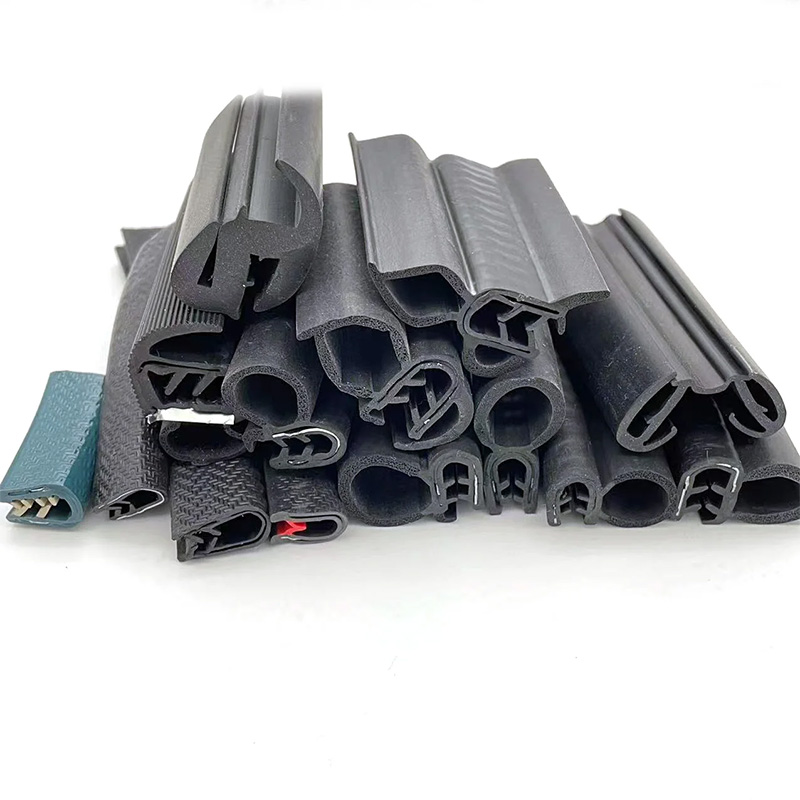
At their core, window and door rubber seals are flexible strips or gaskets made primarily of synthetic rubber, designed to fill the gaps between windows/doors and their frames. Their mission: blocking drafts, reducing noise, preventing water infiltration, and even enhancing security by creating tighter closures.
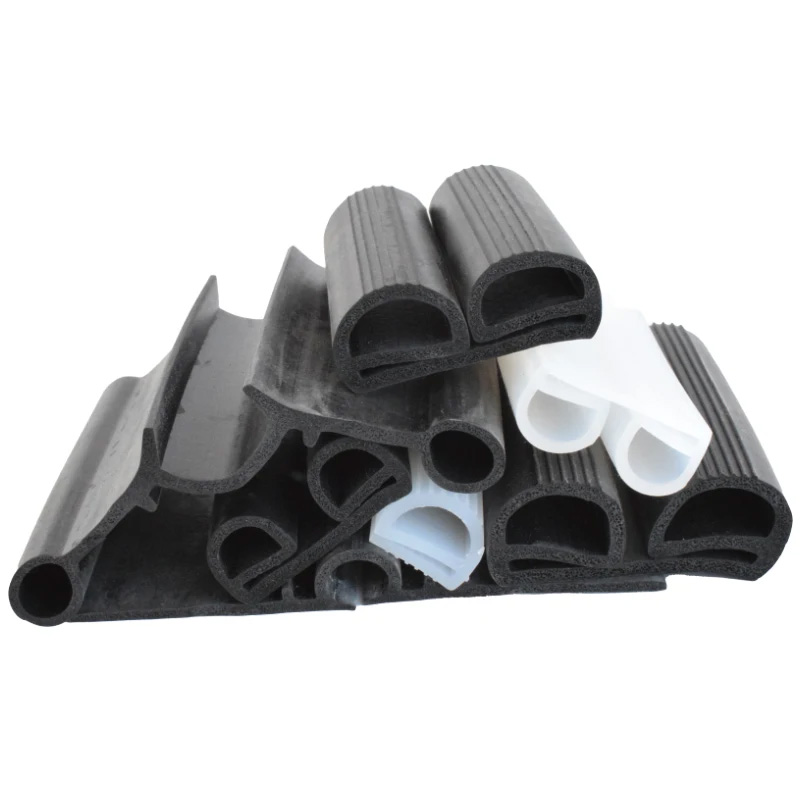
These seals come in various shapes (like bulb, D-shape, or flat profiles) and materials depending on the specific application: EPDM rubber is popular for its weather resistance, while silicone seals serve high-temperature environments.
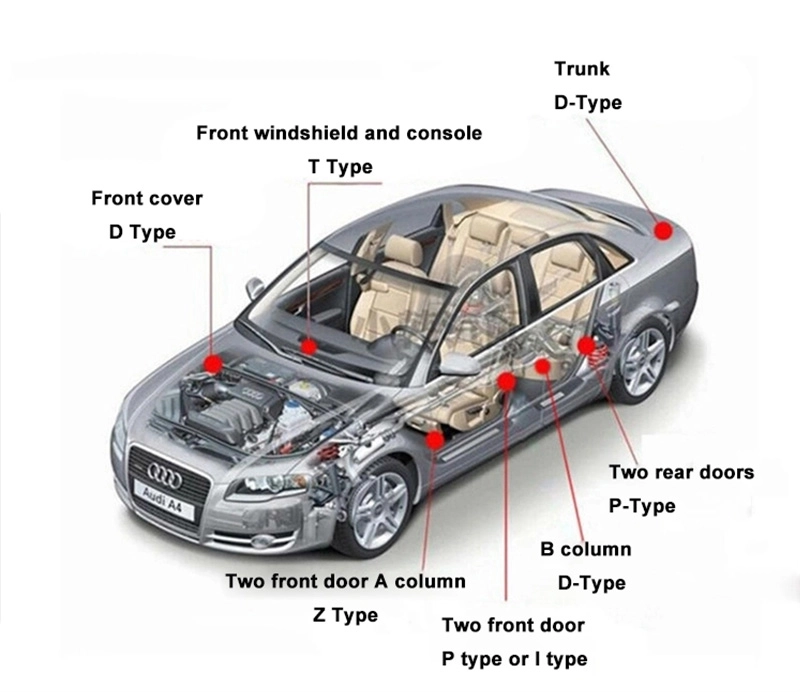
Modern industry increasingly relies on these seals not only for residential buildings but also in automotive, marine, and even aerospace sectors, where airtightness and vibration damping are vital. Humanitarian efforts depend on them too—providing durable, weatherproof shelters for vulnerable populations.
Key Features That Make the Difference
- Durability: The rubber must withstand UV light, ozone, temperature swings, moisture, and wear without cracking or losing elasticity over years.
- Energy Efficiency: Proper seals stop air exchanges that waste heating or cooling, improving thermal comfort while slashing energy bills.
- Noise Reduction: Good seals reduce outside noise, a less obvious but highly valued benefit, especially in urban areas.
- Water Resistance: Preventing rain and humidity from seeping inside protects structural integrity and prevents mold growth.
- Customizability: Profiles and lengths may be cut or formed to match window and door frame designs ensuring perfect fit.
- Cost Matrix: Balancing upfront cost with lifecycle performance is critical — cheaper seals can fail prematurely and cost more in the long run.
Mini takeaway: When selecting rubber seals, consider the environment, material properties, and installation details to get lasting value.
Real-World Applications: From Urban Offices to Remote Shelters
Let’s step beyond the theory and see where these seals shine.
- Commercial Buildings: Skyscrapers rely on high-quality window seals as a line of defense against harsh weather and to meet stringent energy codes.
- Residential Homes: Retrofitting aging homes with new door seals is one of the simplest retrofits with measurable energy savings.
- Disaster Relief Housing: Agencies deploy shelters with pre-installed robust door seals to quickly create safe, weatherproof spaces.
- Industrial Settings: In factories and plants, robust seals help keep out dust and contaminants, protecting delicate equipment.
- Marine and Automotive: Window and door rubber seals prevent water ingress and noise in cars and vessels, contributing to passenger comfort.
Oddly enough, some remote regions have turned to local rubber seal manufacturing—not only to reduce import costs but to spur small business development using sustainable materials.
Product Specification Table
| Specification | Typical Value | Notes |
|---|---|---|
| Material | EPDM Rubber | UV and ozone resistant |
| Temperature Range | -40°C to +120°C | Suitable for most environments |
| Compression Set | Maintains elasticity over time | |
| Tensile Strength | 7-15 MPa | Strong but flexible |
| Typical Profile Types | Bulb, D-shape, Flat | Customized per door/window fit |
Vendor Comparison: A Quick Look at Leading Suppliers
| Vendor | Material Quality | Customization Options | Price Range | Delivery & Support |
|---|---|---|---|---|
| SealTech Inc. | Premium EPDM & Silicone | Extensive | $$$ | Global, fast turnaround |
| EcoSeal Solutions | Recycled rubber blends | Moderate | $$ | Regional, eco-focused |
| Global Sealers | Standard EPDM | Limited | $ | Bulk orders, slower delivery |
The Advantages: Benefits That Last Beyond the First Installation
Besides the obvious comfort benefits, quality window and door rubber seals save money — sometimes hundreds of dollars annually in energy bills. They also enhance safety by tightly securing premises against intruders and pests.
Environmentally speaking, cuts in energy use directly reduce carbon footprints—a small but cumulative win. Emotionally, the feeling of a peaceful, quiet home or office can’t be overstated. Safety, dignity, and the quiet hum of contentment… I suppose these seals silently help keep that intact.
What Does the Future Hold for Window and Door Rubber Seals?
Green energy push is driving innovation towards sustainable sources. New bio-based rubbers and recyclable sealing materials are entering the scene—potentially transforming wasteful plastic usage into circular economies.
Smart seals embedded with sensors could soon monitor air leaks in real-time, pairing with home automation and IoT networks to optimize energy use. Automation in manufacturing is making customization easier, closing the gap between factory specs and on-site realities.
Moreover, evolving building codes will require tighter seals, pushing both suppliers and installers to higher standards of quality and accountability.
Challenges & How Industry Experts Tackle Them
The biggest issues? Installation errors, material degradation, and cost pressures sometimes lead to poor seal performance. Expert sources stress the importance of trained installers and quality control at manufacturing to fix these persistent problems.
Innovative solutions include self-adhesive seals with better conformability and longer warranties. Some companies conduct extensive lifecycle testing mimicking decades of exposure to guarantee durability.
FAQ: Common Questions About Window and Door Rubber Seals
- Q: How long should quality window and door rubber seals last?
- A: Typically, high-quality EPDM seals can function effectively for 10–15 years before showing significant wear, depending on exposure to sunlight and weather conditions.
- Q: Can I install window and door rubber seals myself?
- A: Many seals are DIY-friendly, especially self-adhesive types. However, for longer-lasting performance and complex installations, professional fitting is recommended.
- Q: Are all rubber seals eco-friendly?
- A: Not all. Traditional rubber materials can be petroleum-based. But recently, bio-based and recycled-content seals are gaining traction for more sustainable building projects.
- Q: Do rubber seals help with soundproofing?
- A: Yes, quality seals reduce noise infiltration significantly by closing off gaps that let sound waves through, improving occupant comfort.
- Q: How do I know which seal profile suits my window or door?
- A: It depends on the frame design and gap size. Consult product guides, or better yet, have a professional assess and recommend the right shape and size for optimal sealing.
Wrapping Up — When the Smallest Details Deliver Big Returns
At first glance, window and door rubber seals seem like trivial building components. But in reality, they’re frontline heroes in energy conservation, security, and comfort worldwide. Whether for high-rise offices in New York, temporary shelters in disaster-hit zones, or remote eco-villages, their role is indispensable.
To explore the range of quality window and door rubber seals that blend durability, innovation, and cost-efficiency, visit our website today and start sealing your space the smart way.
Mini takeaway: Don’t underestimate the power of a tight seal. It’s where comfort, safety, and savings meet.
References
Share
-
Eco Friendly Drawstring Jute Bag Guide for Sustainable PackagingNewsApr.16,2026
-
Elegant Wedding Jute Bags for Sustainable and Rustic Event PackagingNewsApr.09,2026
-
Sustainable Jute Bags for Coffee Packaging and Branding SolutionsNewsApr.07,2026
-
Explore the Benefits of Sustainable Saran Jute Bags for Your BusinessNewsApr.04,2026
-
Sustainable Jute Soap Bags Packaging Solutions for Eco Friendly BrandsNewsMar.31,2026
-
Discover the EcoFriendly Charm of Jute Favor Bags for Every OccasionNewsMar.28,2026