High-Quality Rubber Seals for Car Doors | Durable & Eco-Friendly Solutions
The Essential Role of Rubber Seals for Car Doors: Why They Matter Globally
The humble rubber seal for car doors might not be front-page news, but its global impact is quietly massive. This small strip of material acts as a guardian against noise, water, dust, and air leaks, preserving comfort and safety inside millions of vehicles worldwide. Beyond just convenience, understanding the design and function of these seals reveals surprising benefits for environmental sustainability, manufacturing innovation, and vehicle lifespan. With SUVs, sedans, and electric cars flooding markets, the demand for reliable door seals to improve energy efficiency - and customer satisfaction - has soared.
Globally, vehicle ownership is on a steady rise. According to the International Organization of Motor Vehicle Manufacturers (OICA), there were about 1.4 billion cars on roads worldwide by 2023. Each of these vehicles depends on dependable door sealing systems not just for driver comfort, but for reducing carbon emissions and noise pollution — right in the neighborhood and inside the vehicle cabin.
Explore how the right rubber seal for car door transforms your ride experience.Understanding the Rubber Seal for Car Door: Simple Yet Vital
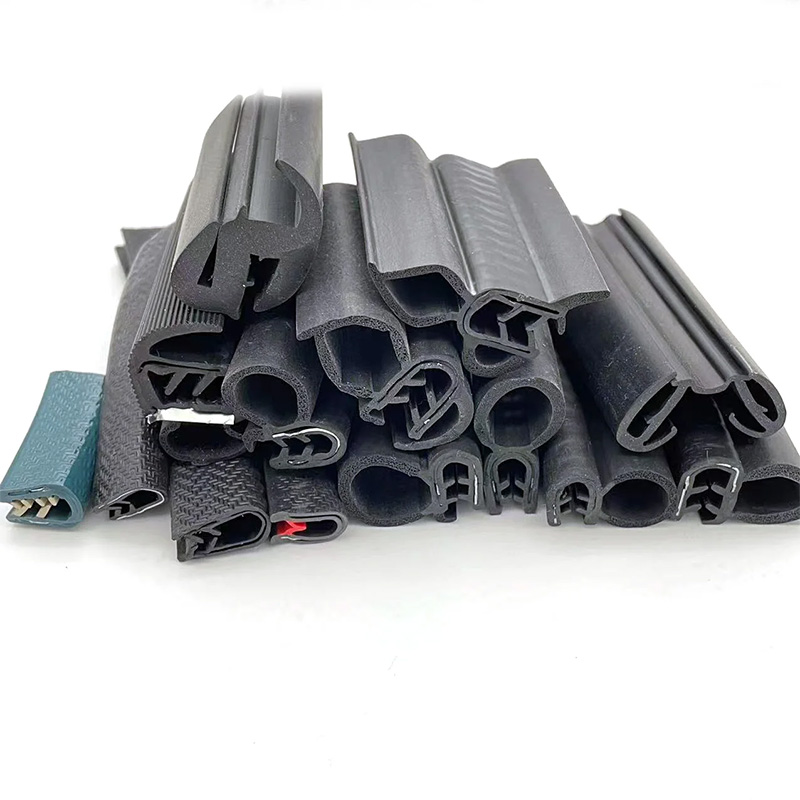
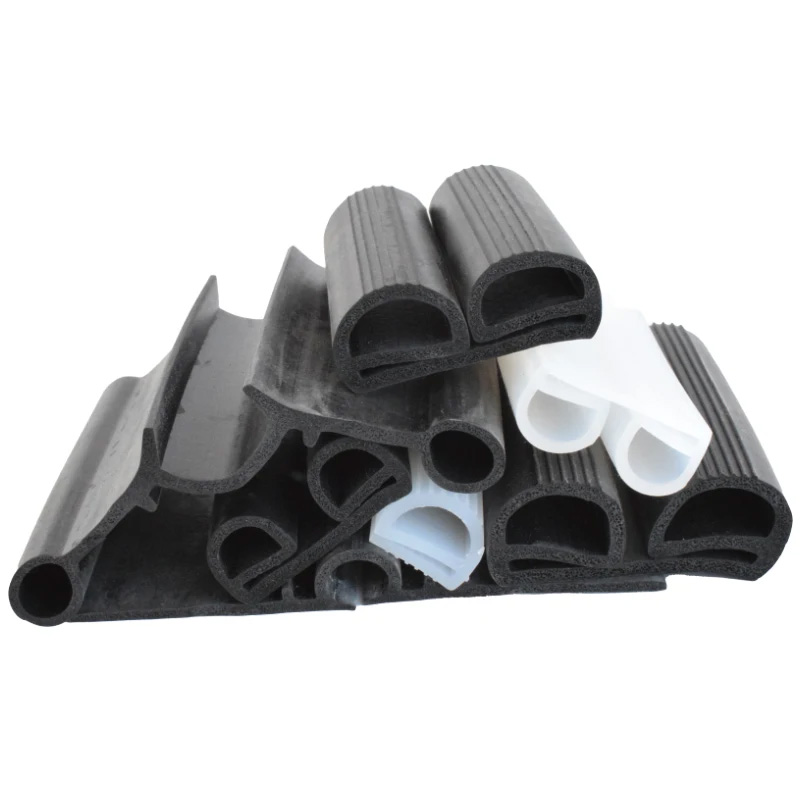
So, what exactly is a rubber seal for car door? Put simply, it is a flexible gasket or strip made predominantly of synthetic rubbers like EPDM (ethylene propylene diene monomer), designed to fit snugly around the gaps between car doors and their frames. Its primary function: create an airtight, weatherproof barrier protecting the vehicle interior from external elements.
This seemingly straightforward component plays a bigger role in modern automotive engineering. By preventing air leaks, it contributes directly to better energy efficiency in climate control systems and reduces wind noise, improving driver focus and comfort. In humanitarian terms, reliable sealing indirectly contributes to safety by helping keep vehicles airtight against heavy rains or dusty environments, which matters a lot for relief workers and emergency fleets in tough conditions.
Key Features That Make Rubber Seals Indispensable
1. Durability and Weather Resistance
Rubber seals are exposed to constant mechanical stress — opening and shutting doors, temperature swings, UV rays, and chemicals from road grime. Top-quality seals manufactured from advanced synthetic rubber provide long-lasting elasticity and resistance to cracking, shrinking, or losing shape. This durability ensures the seal stays effective over the lifetime of the vehicle.
2. Noise and Vibration Dampening
The seal acts like a soundproof cushion, absorbing noise and reducing vibrations. This improves the overall ride quality significantly, a factor often underestimated by car buyers but highly valued in premium vehicles.
3. Environmental Impact and Sustainability
Materials used in seals increasingly focus on recyclable and eco-friendly compounds. Innovations such as bio-based EPDM blends reduce dependency on petrochemicals, aligning with automakers’ sustainability goals without compromising performance.
4. Cost Efficiency in Manufacturing and Maintenance
Rubber seals are relatively low-cost components but have a big impact on maintenance costs. Effective sealing prevents water ingress that can lead to expensive corrosion repairs. This cost-saving aspect makes these seals critical in both new and used vehicles.
5. Customization and Fitment
Every car model requires precisely designed seals tailored to its door architecture. Advances in 3D scanning and CAD modeling allow manufacturers to create perfectly fitting seals that enhance assembly speed and overall quality assurance.
Mini Takeaway:
Rubber seals an unlikely hero — durable, clever noise fighters that save money and reduce carbon footprints. They set a surprisingly high bar in automotive innovation.
Global Applications and Who Benefits from These Seals
Rubber door seals are globally ubiquitous but have special relevance in regions with harsh climates — from the frigid zones of Scandinavia to monsoon-prone Southeast Asia. Automotive manufacturers in these areas place extra emphasis on sealing quality to guarantee performance under extreme conditions.
Industries beyond consumer vehicles benefit as well. Emergency response vehicles, including ambulances and fire trucks, require superior sealing to protect sensitive equipment. Overseas aid organizations depend on vehicles that remain reliable in dusty or wet environments — a reminder that even rubber seals have a humanitarian footprint.
For instance, in remote industrial zones in Australia’s mining regions, tough, customized door seals help prevent the intrusion of dirt and dust, extending vehicle service intervals and protecting costly electronics inside.
Mini Takeaway:
The reach of rubber door seals extends well beyond just regular cars — they’re crucial in specialized vehicles and challenging global environments.
Advantages and Long-Term Value of High-Quality Door Seals
- Energy Efficiency: By sealing gaps tightly, these components help reduce heating and cooling loads, saving fuel and lowering emissions.
- Vehicle Longevity: Prevent moisture and dirt ingress reduces rust and mechanical wear, extending car life.
- Safety and Comfort: Seal effectiveness makes driving more pleasant and can prevent dangerous conditions caused by foggy windows or water damage.
- Cost Savings: Less maintenance from corrosion and fewer interior repairs also benefit fleet operators and consumers alike.
- Emotional Reassurance: Knowing that harsh weather or noise won’t disrupt your drive adds intangible comfort and trust.
Product Specification Table
| Specification | Value | Notes |
|---|---|---|
| Material | EPDM Rubber | Weather & UV resistant |
| Temperature Range | -50°C to +120°C | Suitable for extreme climates |
| Hardness (Shore A) | 60 +/- 5 | Balance of firmness & flexibility |
| Length per roll | 50 meters | Customizable cut-lengths available |
| Compliance | ISO 9001:2015 | Quality management standards |
Leaders in the Market: Vendor Comparison
| Vendor | Material Quality | Customization Options | Sustainability Initiatives | Global Reach |
|---|---|---|---|---|
| XTS Rubber Co. | Industrial-grade EPDM | Fully customizable profiles | Bio-based rubber options | Asia, Europe, North America |
| Global Seal Tech | Premium hybrid rubbers | Limited standard sizes | Recycling and waste reduction | Global, with focus on Europe |
| EcoSeal Industries | Organic rubber blends | Custom shapes on request | Dedicated green synthesis processes | Mostly North America |
Future Trends: Where Are Door Seals Headed?
Frankly, the future looks promising for rubber seals. With the rapid rise of electric vehicles (EVs), the bar for noise reduction and airtight sealing has gotten higher. Scientists are exploring nanocomposite materials that can self-heal minor abrasions or cracks — increasing durability further.
Sustainability is another big driver. Automakers are pushing for green certifications, demanding bio-derived rubbers and fully recyclable seals. Digital design tools and AI are speeding up custom profile designs, slashing lead times and waste.
And oddly enough, automation in installation is advancing — robots can now precisely place seals without damage, ensuring higher quality and reduced human error. The low-tech rubber seal is having a mini technological revolution beneath your fingertips every time you close a car door.
Challenges and Smart Solutions
Despite advances, rubber seals face challenges: material degradation in extreme polar or desert climates, evolving safety regulations, and balancing cost with high-end performance. Some manufacturers still struggle with inconsistent quality due to supply chain disruptions—for example, raw material shortages.
Innovators respond with hybrid materials combining rubber with silicone or thermoplastics, improving resistance while controlling costs. Plus, advanced testing protocols (like accelerated weathering chambers) simulate years of use in days, optimizing design before mass production.
FAQ: Quick Answers About Rubber Seal for Car Door
Q1: How often should I replace the rubber seal on my car door?A: Typically, rubber seals last about 5 to 7 years depending on exposure to sun and weather. Signs like cracks, hardening, or water leaks indicate replacement is due. Regular inspection is recommended, especially after harsh seasons.
Q2: Can a damaged door seal cause electrical problems in my vehicle?
A: Yes, water ingress through faulty seals can corrode wiring and motor components inside doors, leading to malfunctions. Timely maintenance can save more costly repairs.
Q3: Are rubber seals for EVs different from traditional cars?
A: In real terms, EVs demand better sealing for noise reduction and climate control efficiency. Manufacturers use advanced materials and tighter tolerances but the basic principles remain similar.
Q4: How customizable are rubber seals for different car models?
A: Highly customizable. Modern production uses CAD data from vehicle designs to create tailored seal profiles that fit door shapes perfectly, ensuring optimal sealing performance.
Q5: Is installing a new rubber seal a DIY-friendly task?
A: It can be, with the right tools and instructions. However, professional installation ensures proper fit and avoids damage especially for complex profiles or curved door edges.
Final Thoughts & Next Steps
At the end of the day, rubber seals for car doors are one of those hidden essential components that quietly elevate our driving experience — keeping us safer, more comfortable, and helping cars last longer while also pushing sustainability forward. If you're in the market or just curious about how a simple strip of rubber can make such a big difference, checking out products from trusted vendors like XTS Rubber Co. is a good step.
Explore this often-overlooked hero and see how investing in quality door seals pays off in the long run.
References
Share
-
Eco Friendly Drawstring Jute Bag Guide for Sustainable PackagingNewsApr.16,2026
-
Elegant Wedding Jute Bags for Sustainable and Rustic Event PackagingNewsApr.09,2026
-
Sustainable Jute Bags for Coffee Packaging and Branding SolutionsNewsApr.07,2026
-
Explore the Benefits of Sustainable Saran Jute Bags for Your BusinessNewsApr.04,2026
-
Sustainable Jute Soap Bags Packaging Solutions for Eco Friendly BrandsNewsMar.31,2026
-
Discover the EcoFriendly Charm of Jute Favor Bags for Every OccasionNewsMar.28,2026