Types of Rubber Seals: Essential Guide for Industry and Innovation
Types of Rubber Seals: Understanding Their Roles in Modern Industry
Rubber seals—though easily overlooked—play an outsized role in keeping industries running smoothly across the globe. From automotive engines humming on highways to hydraulic systems on construction sites, the types of rubber seals employed make all the difference between efficiency and costly failure. This simple yet versatile component quietly ensures safety, reduces environmental impact, and extends equipment lifespans. Knowing the various types of rubber seals, their benefits, and where they fit best is frankly essential for engineers, manufacturers, and decision-makers alike.
Global Context: Why Rubber Seals Matter Today
Globally, the manufacturing sector generates over 16% of the world’s GDP (World Bank, 2023), and nearly all sectors use seals in one form or another. The ISO 3601 standard highlights the tight tolerances and performance requirements seals must meet to contain gases or liquids efficiently.
Yet challenges remain: improper seal selection or failure causes about 30% of hydraulic system downtimes worldwide, leading to costly repairs and environmental leaks (International Hydraulics Association, 2022). Amid rising environmental regulations and the push for sustainability, understanding types of rubber seals and their proper use is more than technical detail—it’s a business imperative.
What Are Types of Rubber Seals?
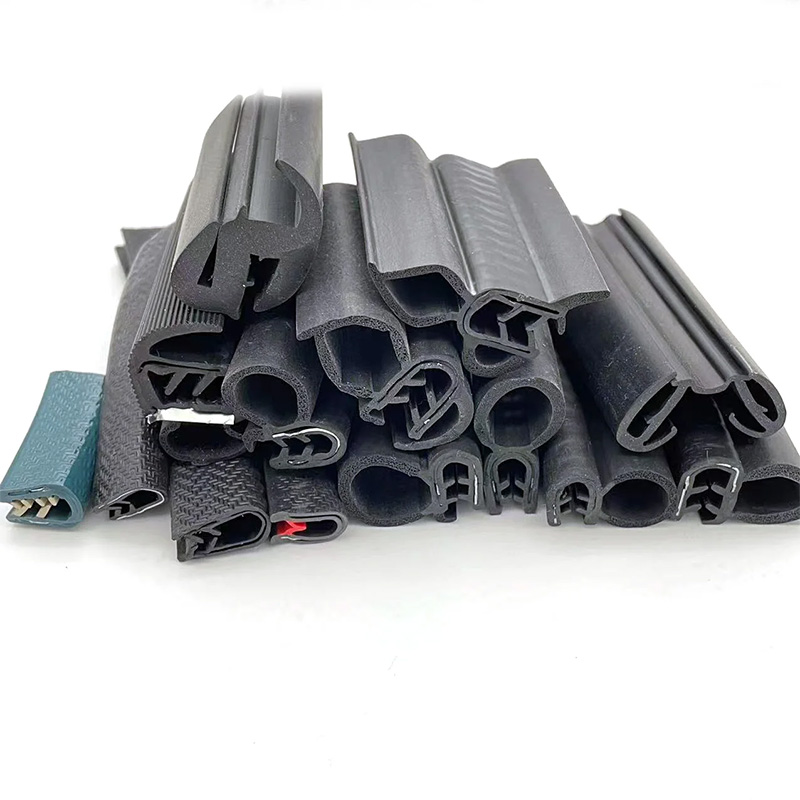
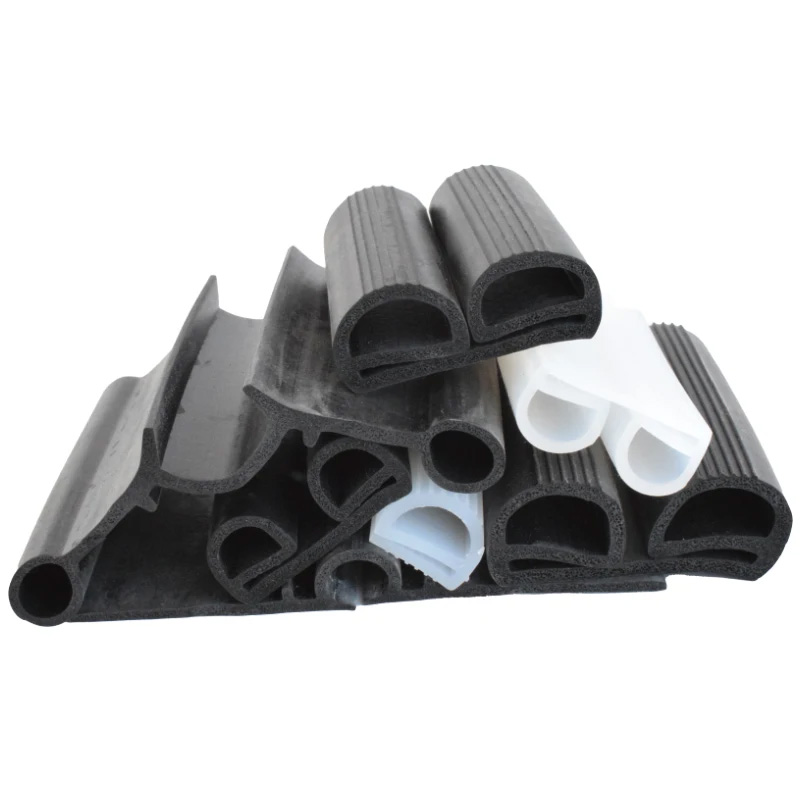
Simply put, rubber seals are flexible components designed to prevent leakage between two mating surfaces. These can be rings, gaskets, or customized profiles typically made from elastomers such as nitrile, silicone, or fluorocarbon. Their elasticity and chemical resistance allow them to maintain tight contact and prevent fluid or gas escape, even under pressure or temperature shifts.
In today’s industries—think automotive, aerospace, food processing, or water treatment—rubber seals act as unsung heroes preventing contamination, ensuring machinery reliability, and protecting environments from harmful leaks.
Key Factors of Rubber Seals
Durability
Durability is often the deal-maker. Seals must resist wear, ozone, and chemical attack. Nitrile (NBR) seals are popular for oil resistance but can degrade under high temperatures, whereas Viton seals withstand heat better but cost more. Picking the right material based on expected environmental stressors is critical.
Scalability
The diversity of seal sizes and profiles is staggering—from tiny O-rings under 1 mm to massive flange gaskets. Manufacturers can tailor types of rubber seals easily for custom applications, enhancing scalability across industries and projects.
Cost Efficiency
Choosing the optimal rubber material and seal design often balances upfront cost with longevity. For instance, silicone seals may cost more initially but save money over time by reducing maintenance cycles.
Temperature Range
Operating temperatures differ wildly depending on application—from sub-zero conditions in cryogenics to 300°C in some engine compartments. Understanding the temperature tolerance of seal types ensures they maintain elasticity and sealing capacity.
Chemical Compatibility
This may be the trickiest: seals face fuels, water, acids, and solvents. Compatibility charts guide selection, but real-world testing is often necessary. Mismatched seals lead to premature leaks and hazards.
Global Applications & Real-World Use Cases
- Automotive Industry: Hundreds of different seals keep engines, transmissions, and fuel systems leak-proof, ensuring safety and performance. In Germany and Japan, advanced fluorocarbon seals are standard to meet emission norms.
- Oil & Gas Sector: In the Middle East, robust seals resistant to harsh chemicals and extreme heat maintain pipeline integrity, preventing costly environmental disasters.
- Food & Beverage Industry: Non-toxic silicone and EPDM seals conform to FDA standards, ensuring product purity in production lines globally.
- Disaster Relief & Infrastructure: In water treatment and emergency relief sites, durable seals in portable pumps and filtration units ensure clean water access—a vital humanitarian function.
Oddly enough, seals are part of efforts we rarely see, but their global presence in critical infrastructure and daily life is undeniable.
Advantages & Long-Term Value of Rubber Seals
Reliable rubber seals reduce downtime, cut operational costs, and prevent environmental harm caused by leaks. They enable safer transportation of hazardous fluids, protect public health, and support sustainability goals by extending equipment life. Plus, from a human perspective, well-designed seals grant peace of mind to operators and engineers alike—a subtle but powerful emotional benefit.
Product Specification Table: Common Types of Rubber Seals
| Seal Type | Material | Temperature Range (°C) | Best For | Typical Applications |
|---|---|---|---|---|
| O-Rings | Nitrile (NBR) | -40 to 120 | Oil, Fuel | Hydraulics, Automotive |
| Gaskets | EPDM | -50 to 150 | Weather, Steam | Water Pipes, HVAC |
| Lip Seals | Fluorocarbon (Viton) | -20 to 250 | High Heat, Chemicals | Engines, Pumps |
| Silicone Seals | Silicone Rubber | -60 to 230 | Food-grade, High Flexibility | Medical Devices, Food Processing |
Vendor Comparison: Leading Rubber Seal Manufacturers
| Vendor | Material Range | Customization | Global Reach | Sustainability Initiatives |
|---|---|---|---|---|
| SealTech Inc. | Comprehensive (NBR, EPDM, Viton) | High | Europe, Asia, Americas | Recycled rubber programs |
| GlobalSeal Solutions | Focus on silicone, specialty | Medium | North America, Middle East | Green production tech |
| EcoSeal Technologies | Innovative biobased materials | Custom only | Europe, Asia | Zero-waste manufacturing |
Emerging Trends & Innovations
Looking ahead, the world of rubber seals isn’t standing still. Innovations in biobased elastomers are gaining momentum, offering more sustainable alternatives that don’t sacrifice performance. Digital manufacturing methods, like 3D printing custom seal profiles, speed up prototyping and reduce waste. Furthermore, smart seals embedded with sensors to monitor wear and leakage in real-time are being piloted, promising transformational impacts in predictive maintenance.
Challenges & Practical Solutions
Of course, not all is straightforward. Common challenges include:
- Material incompatibility causing premature failure.
- Supply chain disruptions creating shortages of specialized seals.
- Cost constraints pushing selection toward cheaper but less durable options.
FAQ: Frequently Asked Questions About Types of Rubber Seals
- What type of rubber seal is best for high-temperature engine applications?
- Fluorocarbon (Viton) seals are generally preferred in high-temperature settings (up to about 250°C) due to their excellent thermal stability and chemical resistance.
- How do I know which rubber material suits my chemical exposure?
- Refer to chemical compatibility charts from reputable sources, but always verify through supplier datasheets or material testing, as performance can vary with conditions.
- Are silicone seals suitable for food-grade applications?
- Yes, silicone rubber seals are often FDA-approved and widely used in food and medical industries due to their non-toxicity and flexibility.
- Can custom rubber seals be manufactured quickly for urgent repairs?
- Many specialized vendors offer rapid prototyping and short-run manufacturing, especially leveraging digital CAD and 3D printing technologies.
- What sustainability practices are emerging in rubber seal manufacturing?
- Several manufacturers are adopting recycled materials, biobased elastomers, and zero-waste production to reduce environmental impact.
Conclusion
Understanding the various types of rubber seals is not just technical trivia—it’s a foundational knowledge that supports safer, greener, and more efficient industry worldwide. Whether you’re involved in design, procurement, or maintenance, a solid grasp of seal types impacts cost control and operational reliability over the long term.
For more detailed insights and tailored solutions, feel free to visit our comprehensive resource center at https://www.xtshuoding.com. It’s a practical next step toward mastering the art and science of rubber sealing.
And well, that’s about the shape of rubber seals today—with a nod toward exciting advances just around the corner.
Mini Takeaways:
- Different types of rubber seals suit diverse temperature, chemical, and mechanical demands.
- Proper selection of seal material can drastically improve equipment longevity and environmental safety.
- Innovations in biobased materials and sensor-enabled seals are shaping the future.
References:
Share
-
Eco Friendly Drawstring Jute Bag Guide for Sustainable PackagingNewsApr.16,2026
-
Elegant Wedding Jute Bags for Sustainable and Rustic Event PackagingNewsApr.09,2026
-
Sustainable Jute Bags for Coffee Packaging and Branding SolutionsNewsApr.07,2026
-
Explore the Benefits of Sustainable Saran Jute Bags for Your BusinessNewsApr.04,2026
-
Sustainable Jute Soap Bags Packaging Solutions for Eco Friendly BrandsNewsMar.31,2026
-
Discover the EcoFriendly Charm of Jute Favor Bags for Every OccasionNewsMar.28,2026