Aluminium Window Wedge Rubber Seals: Key Benefits, Global Applications & Future Trends
Understanding Aluminium Window Wedge Rubber Seals: Why They Matter Globally
If you’ve ever noticed a thin, flexible strip snugly fitting between a window frame and its sash, chances are you’ve encountered an aluminium window wedge rubber seal without even realizing it. These understated components may sound niche, but their role is surprisingly significant across industries, climates, and continents. Thanks to their ability to improve sealing efficacy in aluminium window assemblies, they directly impact everything from energy efficiency to noise reduction—and even humanitarian shelter solutions.
Globally, as we push toward greener buildings and resilient infrastructure, understanding these seals translates into smarter construction choices and lasting comfort. They help reduce energy consumption by avoiding air and water leaks, improve indoor environmental quality, and extend the durability of window systems. In an era where sustainability is more than a buzzword, aluminium window wedge rubber seals quietly anchor progress.
Mini takeaway: Aluminium window wedge rubber seals, though small, hold outsized importance in enhancing building performance worldwide, contributing directly to energy savings and occupant wellbeing.
Introduction: The Global Context of Aluminium Window Wedge Rubber Seals
The global construction sector accounts for roughly 38% of energy-related CO2 emissions, according to the International Energy Agency (IEA). Windows are a major culprit here because poor seals cause energy loss through air infiltration. Enter aluminium window wedge rubber seals: essential components that prevent leaks around aluminium window frames.
Aluminium is a go-to framing material for its strength and recyclability, but it has its quirks—namely, thermal bridging and the challenge of forming airtight joints. Rubber seals are engineered to fit wedge-shaped gaps typical of aluminium window assemblies, providing a resilient barrier that is flexible, weather-resistant, and easy to install.
However, challenges linger. Temperature extremes can make some seals brittle, installation errors affect performance, and not all seals are created equal. The need for robust, long-lasting solutions has never been greater, especially as global building codes tighten and climate-conscious construction becomes the norm.
Mini takeaway: Given worldwide climate targets and aluminium’s prominence, the performance of window wedge rubber seals is critical to boosting building sustainability and occupant comfort.
Defining Aluminium Window Wedge Rubber Seals
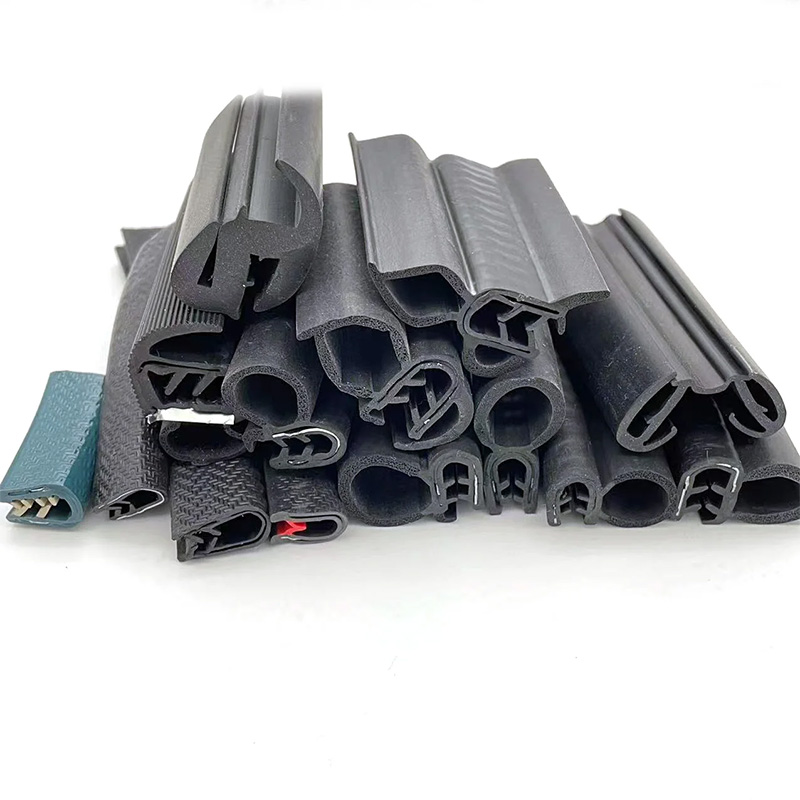
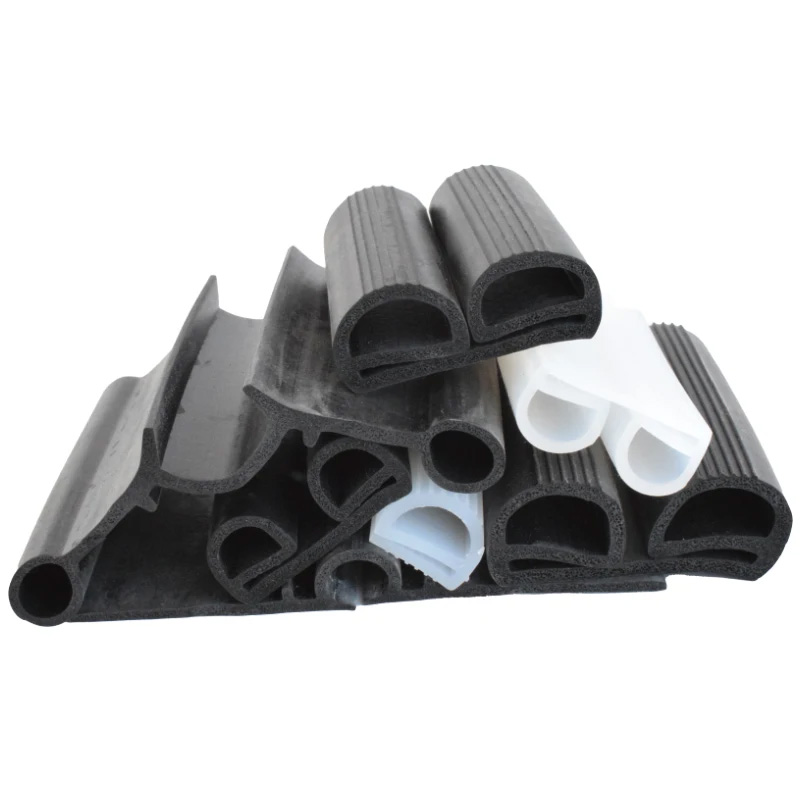
Simply put, an aluminium window wedge rubber seal is a narrow strip of durable elastomeric material designed to fill the wedge-shaped gap typically found between aluminium window frames and their sashes or glass panes. This “wedge” shape is intentional, ensuring a tight fit that compresses to prevent air, dust, and water infiltration.
Think of it as an invisible but essential guardian of your window’s integrity; its flexibility allows it to adapt to minor frame movements while maintaining a weather-tight barrier. These seals are often custom extrusions tailored for different profile geometries, leveraging materials like EPDM rubber, silicone, or thermoplastic elastomers to withstand UV exposure, heat, and cold.
In modern construction and even emergency shelter design, these components have found broad relevance, serving as key enablers of energy efficiency, durability, and safety.
Mini takeaway: An aluminium window wedge rubber seal is the flexible, durable barrier that fits precisely between aluminium window elements, preventing leaks and enhancing performance.
Key Factors Influencing Aluminium Window Wedge Rubber Seal Performance
1. Durability
These seals typically have to last decades under constant weathering—sun, rain, frost, and pollution can degrade inferior materials. EPDM rubber is common due to its excellent weathering resilience, but formulation quality varies greatly.
2. Flexibility and Compression Set
The seal’s ability to compress and rebound is crucial. Too stiff and it won’t create a uniform seal; too soft and it deforms permanently. Compression set resistance ensures the seal returns to shape after repeated opening and closing.
3. Thermal Resistance
Aluminium window seals must tolerate temperature swings from freezing winters to scorching summers without cracking or losing elasticity.
4. Installation Compatibility
A seal’s wedge shape must match the window frame precisely for proper insertion and retention, simplifying onsite installation and reducing labor time.
5. Environmental Sustainability
Many manufacturers now emphasize recyclable or low-VOC materials to align with sustainable building practices.
Mini takeaway: Durability, flexibility, and a precise wedge shape are at the heart of seal performance, while sustainability is increasingly shaping material choices.
Global Applications & Use Cases of Aluminium Window Wedge Rubber Seals
- Commercial Buildings in Europe and North America: Here, strict energy codes require airtight windows, driving demand for high-quality wedge seals.
- Residential Projects in Asia: Fast-growing urban centers rely on aluminium-framed windows with durable seals to balance cost and performance.
- Disaster Relief Shelters: NGOs use modular aluminium window systems with wedge seals for quick, reliable weather protection in places like Southeast Asia after typhoons.
- Remote Industrial Facilities: Mining camps and remote processing plants depend on sealing solutions that withstand extreme temperatures and dusty environments.
Mini takeaway: Aluminium window wedge rubber seals are vital from skyscrapers to refugee shelters, adapting to diverse needs across continents and industries.
Typical Specifications of Aluminium Window Wedge Rubber Seals
| Specification | Typical Range | Remarks |
|---|---|---|
| Material | EPDM, Silicone, TPE | EPDM preferred for weathering |
| Wedge Angle | 30° - 45° | Varies by window profile |
| Hardness (Shore A) | 40 - 70 | Balance between softness and durability |
| Temperature Range | -40°C to +120°C | Suitable for most climates |
| Compression Set | ≤25% after 72h | Ensures seal longevity |
Vendor Comparison: Popular Aluminium Window Wedge Rubber Seal Providers
| Vendor | Material Options | Customization | Sustainability Credentials | Typical Lead Time |
|---|---|---|---|---|
| XTS Group | EPDM, Silicone | Full extrusion customization | ISO14001 certified production | 3-4 weeks |
| SealTech Solutions | EPDM only | Standard profiles with minor tweaks | Uses recycled raw materials | 2-3 weeks |
| PolySeal Inc. | TPE, Silicone | Custom tooling available | Low VOC material focus | 4-5 weeks |
Advantages & Long-Term Value of Using Aluminium Window Wedge Rubber Seals
Choosing the right wedge rubber seal essentially protects every dollar you invest in aluminium windows. Beyond obvious weatherproofing, they:
- Save energy costs by reducing drafts and heat loss.
- Minimize noise pollution, enhancing occupant comfort.
- Extend window frame life by preventing corrosion and water ingress.
- Improve indoor air quality by sealing out dust and allergens.
- Bolster building resilience against harsh weather, which is increasingly important worldwide as climate change increases storm frequencies.
- Enable faster installation and maintenance, saving labor costs in the long run.
Emotionally, a reliable seal means peace of mind—a quiet, cozy home or a safe, functional workspace. It speaks to craftsmanship and respect for occupants’ well-being.
Mini takeaway: Aluminium window wedge rubber seals pay for themselves through energy savings, comfort improvements, and long-term durability.
Future Trends & Innovations
Looking ahead, sustainability trends shape seal manufacturing. We see an uptick in bio-based rubber compounds and recyclable designs as environmental regulations tighten globally (ISO 14000 series). Digital modeling allows custom-fit wedge profiles reducing waste and improving airtightness. Smart seals embedded with sensors for real-time leak detection or aging monitoring are on the horizon, thanks to IoT advances.
Furthermore, as green building certifications gain traction, the demand for higher-performance seals grows, pushing the envelope on material science and extrusion technology. Low VOC, high UV resistance, and antimicrobial properties are becoming standard expectations.
Mini takeaway: The future promises smarter, greener, and longer-lasting aluminium window wedge rubber seals aligned with evolving building standards.
Challenges & Expert Solutions
Despite advances, challenges remain. Improper installation can negate even the best materials’ benefits. Seals can suffer compression set over time, leading to gaps. In freeze-thaw cycles, brittleness or loss of elasticity can occur, especially with lower-grade rubbers.
Experts recommend rigorous material testing (ASTM D1056 for rubber properties), installer training, and specifying seals matched perfectly to window profiles. Periodic inspection and replacement after specified lifecycle periods also prevent failures. Innovative coatings and additives enhance resistance to ozone and UV degradation, extending longevity.
Ultimately, the mantra is “right seal, right install, right maintenance.” That’s what good engineering and building management boils down to.
FAQ: Practical Questions About Aluminium Window Wedge Rubber Seals
- How do I know if my window wedge rubber seals need replacement?
- Signs include drafts, water leaks, visible cracks, or if the seal no longer compresses firmly between the frame and sash. Regular inspection every few years is advised, especially in harsh climates.
- Can these seals improve my home’s energy rating?
- Absolutely. Well-fitted, high-quality wedge rubber seals reduce air leakage, which is a major factor in energy loss. They help windows meet energy standards such as LEED or Passive House requirements.
- Are aluminium window wedge rubber seals customizable?
- Yes, manufacturers typically offer custom extrusions tailored to specific window profiles to ensure precise fits. This customization enhances sealing performance and longevity.
- What materials are best for extreme weather conditions?
- EPDM rubber is a top choice due to excellent weather resistance, but silicone seals perform better under very high temperatures. Consultation with manufacturers can guide material selection for your climate.
- Can I buy aluminium window wedge rubber seals online?
- Many specialized vendors—including aluminium window wedge rubber seals suppliers—offer online ordering with custom specification options. Confirm profile compatibility before purchase.
Conclusion & Call to Action
At the end of the day, aluminium window wedge rubber seals might be the unsung heroes of energy-efficient, durable window systems. Their small size belies their big influence on comfort, cost savings, and sustainability. Whether you’re in commercial construction, residential renovation, or humanitarian shelter projects, investing in quality seals pays dividends for years.
To explore premium, customizable solutions tailored to your specifications, visit our website: https://www.xtshuoding.com. When it comes to perfect sealing, the details truly matter.
Oddly enough, it's the subtle wedge and the right rubber composition that might just save you thousands in energy costs and headaches down the road.
References
Share
-
Eco Friendly Drawstring Jute Bag Guide for Sustainable PackagingNewsApr.16,2026
-
Elegant Wedding Jute Bags for Sustainable and Rustic Event PackagingNewsApr.09,2026
-
Sustainable Jute Bags for Coffee Packaging and Branding SolutionsNewsApr.07,2026
-
Explore the Benefits of Sustainable Saran Jute Bags for Your BusinessNewsApr.04,2026
-
Sustainable Jute Soap Bags Packaging Solutions for Eco Friendly BrandsNewsMar.31,2026
-
Discover the EcoFriendly Charm of Jute Favor Bags for Every OccasionNewsMar.28,2026