Barn Door Rubber Seals: Durable, Energy-Efficient Solutions for Secure Doors
Understanding Barn Door Rubber Seals: Essential for Durable and Secure Closure
At first glance, barn door rubber seals might seem like a small, almost unassuming piece of hardware. But their global importance stretches far beyond countryside barns—these seals ensure the integrity and security of doors that protect everything from cold storage units and shipping containers to emergency shelters and industrial warehouses. In a world increasingly aware of energy efficiency and environmental protection, understanding these seals can drive smarter choices in construction, logistics, and even humanitarian projects.
Global Context: Why Barn Door Rubber Seals Matter More Than You Think
Globally, door sealing technology plays a surprisingly large role in reducing energy consumption and preventing contamination. According to the International Energy Agency, nearly 20% of energy loss in buildings comes from air leakage through imperfect seals (1). Barn door rubber seals, as a niche but vital component, tackle this leakage head-on. Despite their simplicity, they critically support industries worldwide in maintaining environmental standards and safety. Moreover, with global trade expanding—consider the UN trade reports citing containerized cargo as the backbone of 80% of world commerce (2)—reliable door seals become indispensable in preserving goods during shipment.
What Exactly Are Barn Door Rubber Seals?
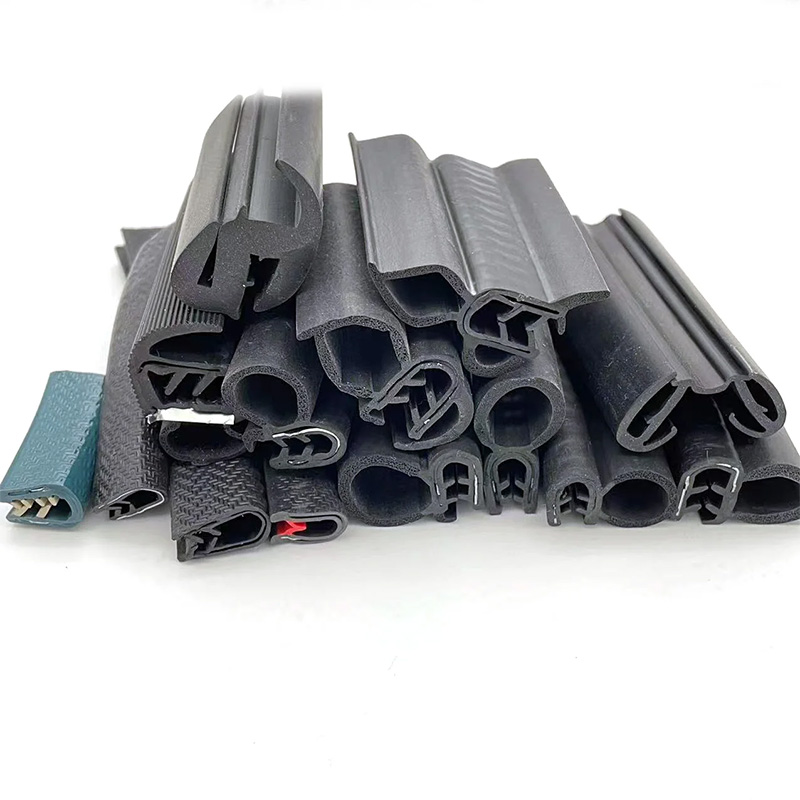
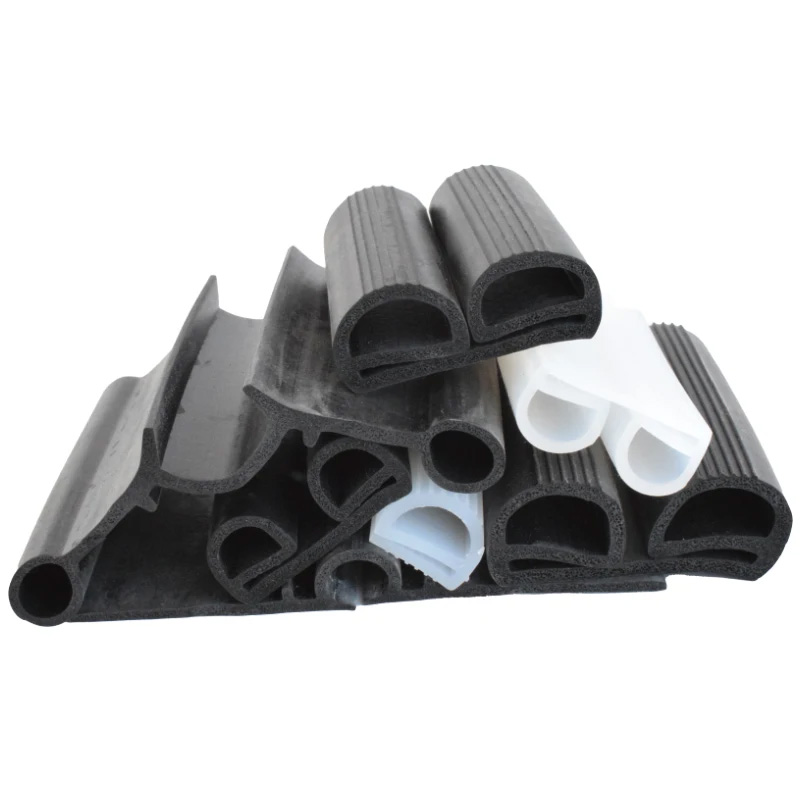
Simply put, barn door rubber seals are flexible strips made from resilient rubber materials, designed to fill gaps around barn-style doors to make them airtight and watertight. These seals come in several shapes and profiles, such as bulb, wedge, or lip seals, and are usually installed around doorframes or door edges. They protect the enclosed space from outside elements—dust, water, insects, air drafts—and improve thermal insulation. Frankly, they’re an unsung hero in both industrial and agricultural sectors as well as in transport logistics.
Core Components and Key Attributes
Durability
The rubber compounds used in these seals, often EPDM (ethylene propylene diene monomer) or neoprene, offer excellent resistance to UV rays, ozone, and harsh weather conditions. This durability means seals can last for years outdoors without cracking or degrading - really important for barns or storage facilities exposed to the elements.
Flexibility and Compression
The ability of the rubber to compress and flex is essential for creating a tight seal even if the door or frame isn’t perfectly aligned. Without this feature, the door might leak air or water, defeating the seal's purpose.
Weather Resistance
These seals must resist moisture and temperature extremes—something that’s crucial not only in temperate rural areas but also in industrial cold storage or hot manufacturing plants. You don’t want your seal turning brittle or sticky after just a few months.
Ease of Installation and Maintenance
Many barn door seals come with self-adhesive backing or require simple nail or screw fittings, making replacements or retrofits straightforward. Minimal maintenance—just occasional cleaning—is usually needed.
Product Specifications: Typical Barn Door Rubber Seal
| Feature | Specification |
|---|---|
| Material | EPDM Rubber |
| Temperature Range | -40°C to +100°C (-40°F to +212°F) |
| Mounting Type | Adhesive backing / Nail-in |
| Seal Profile | Bulb-shaped for compression |
| Color Options | Black, Gray, Custom |
| Lifespan | 5–10 years under normal conditions |
Where Are Barn Door Rubber Seals Making a Difference?
Industries like agriculture, logistics, cold storage, and emergency housing all rely on effective door seals. For example, post-disaster relief operations often use modular storage units or temporary barns where barn door rubber seals protect supplies from rain and dust. In remote mining or oil fields, ensuring airtight storage is key to equipment preservation. Oddly enough, some fashion warehouses in Europe swear by these seals to maintain climate controls crucial for fabric longevity.
Regions with extreme climates like Scandinavia, Canada, and Australia are particularly focused on reducing heat loss through doors, and thus invest heavily in premium-quality sealing products. Interestingly, the rise of sustainable greenhouse cultivation has triggered demand for reliable seals to regulate internal temperatures and humidity effectively.
Vendor Comparison Table: Leading Barn Door Rubber Seal Suppliers
| Vendor | Material Quality | Price per Meter | Customization | Lead Time |
|---|---|---|---|---|
| SealTech Pro | EPDM – Industrial Grade | $3.50 | Colors & Length | 1–2 weeks |
| GreenSeal Inc. | Recycled Rubber Blend | $2.80 | Standard Sizes | 2–3 weeks |
| BarnGuard Solutions | Neoprene – Weatherproof | $4.20 | Custom Profiles | 3–5 days |
Advantages and Long-Term Benefits
- Cost Efficiency: Prevents costly energy loss and product spoilage.
- Sustainability: Durable materials reduce the need for frequent replacements.
- Safety: Keeps pests and contaminants out, preserving food safety and hygiene.
- Social Impact: Protects emergency shelters and humanitarian supplies from weather damage.
Emotionally, knowing your stored goods or living spaces are secure feels reassuring. It’s that quiet confidence in a well-sealed door, stopping the cold or dirt in its tracks, that many engineers say makes a surprising difference in field operations or everyday farming life.
Future Trends and Innovations
Looking ahead, green energy initiatives are pushing for even better insulation technologies. Biodegradable and recycled rubbers are gaining traction to align with circular economies. Some companies are incorporating sensors within seals to alert if a door is improperly closed — a small but clever nod to digital transformation and automation in building management. Finally, we see increasing regulations globally pushing for enhanced sealing standards to improve both energy efficiency and product safety, underscoring barn door rubber seals’ continuing relevance.
Common Challenges and Expert Solutions
One persistent challenge is the degradation of the rubber seal due to prolonged UV exposure or chemical contact in industrial environments. Experts recommend selecting materials specifically tested under ISO 188 standards for weathering resistance (3). Another difficulty is achieving a perfect fit on irregular or warped doors – here, customizable seals with flexible profiles come in handy, or even onsite trimming solutions.
FAQ: Quick Answers to Common Questions About Barn Door Rubber Seals
- Q: How do I know if my barn door rubber seal needs replacing?
A: Look for visible cracks, brittleness, loss of compression, or noticeable drafts around the door. Most seals last between 5–10 years depending on exposure. - Q: Can barn door rubber seals improve energy efficiency significantly?
A: Yes, by preventing air leakage, these seals help maintain internal temperature, reducing HVAC energy consumption in both homes and industrial sites. - Q: Are there eco-friendly options available?
A: Absolutely. Some suppliers now offer seals made from recycled or biodegradable rubbers, helping reduce environmental impact. - Q: Is installation difficult for non-professionals?
A: Most modern barn door rubber seals come with adhesive backing or simple nail-in fittings. With some patience and basic tools, DIY installation is quite feasible.
Conclusion & Next Steps
In sum, barn door rubber seals may be unglamorous, but their role in maintaining secure, efficient, and sustainable door closures is vital across multiple sectors worldwide. By investing in quality seals, industries and homeowners alike protect assets, save energy, and contribute to environmental goals—sometimes without even noticing the difference daily.
If you want to explore robust, dependable barn door rubber seals for your project or business, check out our website for expert guidance and product options tailored to your needs.
Quick takeaway: Even the simplest seal can be a quiet guardian of efficiency and protection in your daily operations—never underestimate barn door rubber seals.
References
Share
-
Eco Friendly Drawstring Jute Bag Guide for Sustainable PackagingNewsApr.16,2026
-
Elegant Wedding Jute Bags for Sustainable and Rustic Event PackagingNewsApr.09,2026
-
Sustainable Jute Bags for Coffee Packaging and Branding SolutionsNewsApr.07,2026
-
Explore the Benefits of Sustainable Saran Jute Bags for Your BusinessNewsApr.04,2026
-
Sustainable Jute Soap Bags Packaging Solutions for Eco Friendly BrandsNewsMar.31,2026
-
Discover the EcoFriendly Charm of Jute Favor Bags for Every OccasionNewsMar.28,2026