Twin Rubber Door Seal – Durable, Energy-Saving Sealing Solutions for Industry
Understanding the Twin Rubber Door Seal: Why It Matters Today
At first glance, the twin rubber door seal might seem like a small, almost invisible component — just a strip of rubber nestled between your door frame and the door itself. Yet, this humble element quietly champions global efficiency, energy conservation, and safety standards in industries that keep the world turning. From cold storage warehouses in Europe to shipping containers crossing the Pacific, these seals aren't just rubber strips; they’re critical shields.
Thinking globally, the demand for effective sealing solutions is skyrocketing — thanks in part to urgent climate action, stricter regulations, and rising logistical challenges. By understanding the twin rubber door seal's role, we’re not only appreciating manufacturing finesse but also tapping into a deeper conversation about sustainability, cost savings, and resilience.
Mini takeaway: The twin rubber door seal may seem small, but its impact is anything but — it’s a key player in energy efficiency and system integrity worldwide.
Why the Twin Rubber Door Seal Has Global Industry Importance
The world transports billions of dollars worth of goods daily, with industries like food storage, pharmaceuticals, and manufacturing relying heavily on airtight, watertight seals. According to the International Organization for Standardization (ISO), poor sealing can lead to energy loss upward of 15% in temperature-controlled environments.
With rising energy costs and increasing global focus on carbon footprints, the twin rubber door seal emerges as a simple yet effective answer. It minimizes air leakage, inhibits contaminants, and improves thermal insulation. For example, in cold chain logistics, even a tiny gap in a door seal can spell disaster for perishable goods.
However, challenges remain. Variations in climate, door design, and operational wear mean that not all seals are created equal. Industries need adaptable, durable solutions — which makes the “twin” design approach all the more relevant.
Mini takeaway: Twin rubber door seals address global challenges in energy efficiency and product safety — making them invaluable across temperature-sensitive and contamination-sensitive sectors.
What Exactly Is a Twin Rubber Door Seal?
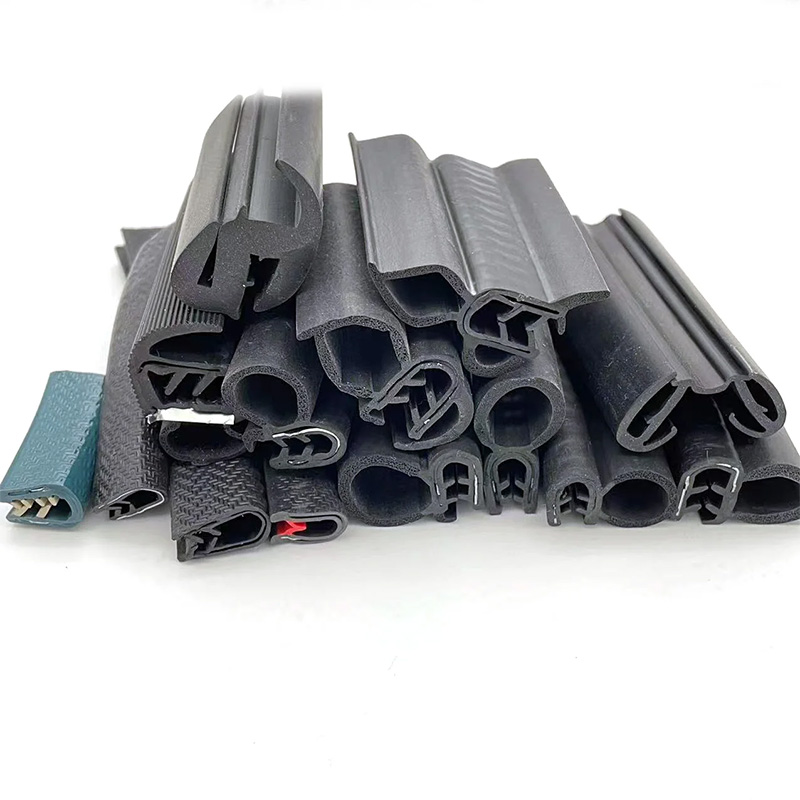
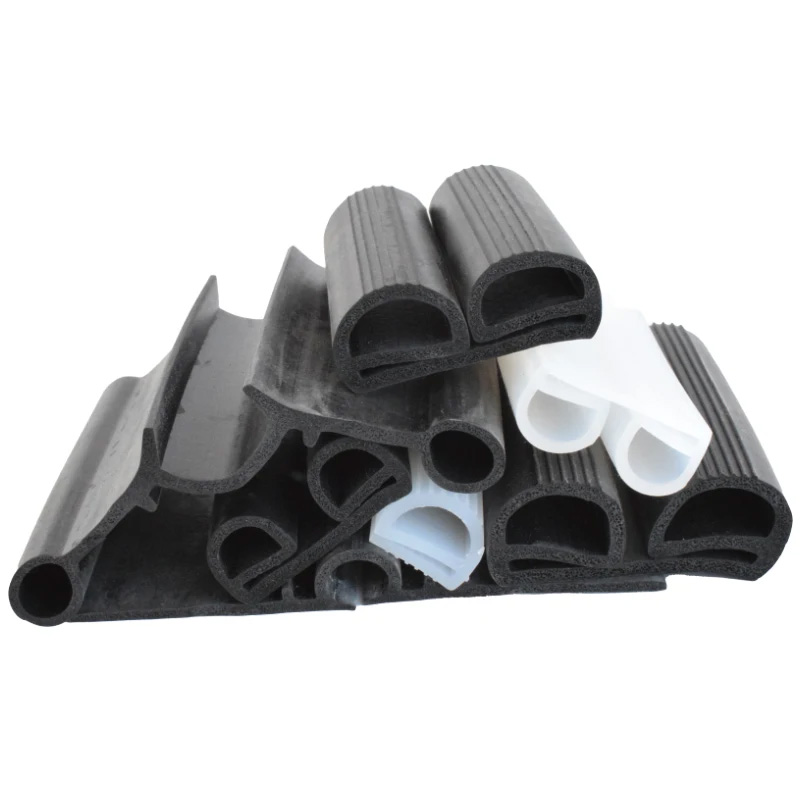
Put simply, a twin rubber door seal consists of two parallel sealing ribs molded into a single flexible rubber strip. This configuration creates a double barrier against air, water, dust, and noise infiltration. Often crafted from synthetic rubber compounds like EPDM or silicone, these seals combine elasticity with weather resistance — perfect for doors subjected to frequent opening and closing.
In terms of industrial relevance, twin rubber seals reduce maintenance downtime, protect sensitive cargo, and improve appliance lifespans. Certain humanitarian efforts, such as temporary shelters and mobile clinics, also rely on such sealing solutions to maintain habitable conditions against harsh elements.
twin rubber door seal designs have evolved beyond just residential doors — they’re now tailored with precision for specialized uses in shipping containers, cold rooms, and even clean rooms in pharmaceutical plants.
Core Components of Twin Rubber Door Seals
1. Durability
Good twin rubber seals resist UV rays, ozone degradation, and temperature extremes. For instance, EPDM rubber can withstand temperatures from -40°C up to 120°C, making it versatile for indoor and outdoor environments.
2. Flexibility and Compression
The twin-lip design creates two consecutive compression seals, meaning it remains effective even with slight warping or misalignment of doors — a common problem in heavy industrial settings.
3. Material Composition
Manufacturers experiment with blends tailored for specific needs — some seals incorporate silicone for enhanced chemical resistance, while others use nitrile rubber for oil and fuel environments.
4. Ease of Installation and Maintenance
Many twin rubber seals come as self-adhesive strips or pre-molded gaskets, simplifying retrofits or replacements. A quick swap can restore sealing integrity without costly door rebuilds.
5. Cost Efficiency
While premium seals might have a slightly higher upfront cost, their lifetime savings from energy efficiency and reduced product spoilage usually pay off quite fast.
6. Environmental Resistance
Seals that weather harsh marine climates or industrial pollutants extend equipment life and reduce unscheduled repairs.
Mini takeaway: The twin rubber door seal’s magic lies in smart materials and clever design — combining durability, flexibility, and cost-effectiveness to meet demanding real-world use.
Global Applications & Use Cases
- Cold Chain Logistics: Twin seals on refrigerated truck doors maintain internal temperatures, helping food and vaccine shipments stay viable through long journeys across continents.
- Shipping Containers: On maritime vessels, the twin rubber door seal combats salt spray and heavy seas, ensuring dry cargo holds and less corrosion.
- Industrial Facilities: Factories use these seals to isolate dust and fumes, protecting both machinery and workers from contamination.
- Humanitarian Shelters: Rapidly deployable shelters rely on twin seals to create drafts- and water-resistant living spaces in disaster-hit zones.
- Residential & Commercial Buildings: Beyond industry, twin seals improve energy efficiency in homes and offices, reducing heating/cooling costs notably in cooler climates.
It’s fascinating how one small product morphs to fit so many diverse environments — from NYC cold storage to remote logistics hubs in East Africa.
| Specification | Details |
|---|---|
| Material | EPDM Rubber / Silicone / Nitrile |
| Operating Temperature | -40°C to 120°C (EPDM) |
| Seal Profile | Twin-lip rib design, 8mm width typical |
| UV & Ozone Resistance | Excellent (especially EPDM) |
| Installation | Self-adhesive strip or snap-in profile |
| Typical Lifespan | 5–10 years (depends on environment) |
Advantages and Long-Term Value of Twin Rubber Door Seals
Engineers often rave about how twin rubber door seals bring “double the protection with little extra fuss.” The clear benefits include:
- Energy Savings: Cutting air infiltration reduces heating & cooling costs by up to 15%. For a large cold storage facility, this means thousands saved annually.
- Extended Equipment Life: Less moisture ingress means less rust and mold—reducing downtime and repair expenses.
- Improved Hygiene & Safety: Preventing dust and dirt improves workplace environment and product quality.
- Environmental Impact: By helping facilities run more efficiently, they contribute toward global carbon reduction goals (supported by ISO 50001 Energy Management guidelines).
- User Comfort: Reduced drafts and noise make spaces more livable — from office doors to cold chambers.
On the softer side, there’s peace of mind knowing that a relatively inexpensive component helps protect shipments, livelihoods, or even lives in demanding contexts. twin rubber door seal solutions put trust at the doorstep, quite literally.
Glancing Ahead: Future Trends and Innovations
It feels like we’re on the cusp of transformation here. Advanced material science is bringing new blends — think eco-friendly rubber derived from sustainable polymers or recycled materials that perform equally well.
Furthermore, digital sensors integrated into seals to detect leaks or wear are becoming a thing. Imagine a door seal that alerts facility managers before it fails — cutting downtime further.
Additionally, with sustainability policies tightening globally, companies increasingly choose seals certified for low VOC emissions or that support cradle-to-cradle recycling. Automation in manufacturing is also allowing precise customization — tailoring seal profiles for unique environmental challenges faster than ever.
Challenges in Current Use and Practical Solutions
Despite many benefits, twin rubber door seals are not a one-size-fits-all fix. Variations in climate, door warping, and chemical exposure can degrade seals prematurely. Sometimes, improper installation or incompatible materials lead to failure.
Experts recommend these approaches:
- Regular Inspection & Maintenance: Scheduled checks can catch wear early and avoid costly damage.
- Application-Specific Selection: Choosing rubber types suited to the environment — for example, silicone for high-heat vs. nitrile for oil-exposed settings.
- Professional Installation: Avoiding costly air leaks by ensuring correct fit and compression.
- Custom Design: Collaborating with suppliers that offer tailored seals to mitigate warping or surface irregularities.
Oddly enough, the small rubber seal starts to feel like the unsung hero of industrial reliability — quirks and all.
Frequently Asked Questions About Twin Rubber Door Seals
- How do twin rubber door seals compare to single-lip seals?
- Twin seals provide a double barrier, which improves airtightness and water resistance. They’re usually better for harsher environments where enhanced protection is critical.
- Can twin rubber door seals be used outdoors in extreme climates?
- Yes, especially when made from UV and ozone-resistant materials like EPDM or specially formulated silicone. Still, routine inspection is recommended to catch any wear from weather exposure.
- Are these seals easy to install on existing doors?
- Many come with self-adhesive backings or snap-in designs that simplify installation. However, choosing the right profile and ensuring clean surfaces is key for optimal adhesion.
- How long should I expect a twin rubber door seal to last?
- Lifespans vary but generally range from 5 to 10 years under normal use. Environmental factors and maintenance frequency affect durability.
- Where can I buy customized twin rubber door seals?
- Suppliers like this one provide custom profiles tailored for specific sizes and applications, including options for food-grade or chemical-resistant materials.
Vendor Comparison: Popular Twin Rubber Door Seal Manufacturers
| Vendor | Material Options | Customization | Typical Lead Time | Certifications |
|---|---|---|---|---|
| SealTech Industries | EPDM, Silicone, Nitrile | Full custom profiles | 3–5 weeks | ISO 9001, RoHS |
| Global Seal Corp | EPDM, Thermoplastic Rubbers | Standard sizes only | 2 weeks | ISO 14001 |
| XTS Rubber Solutions | EPDM, Silicone | Custom & stock options | 1–3 weeks | ISO 9001, FDA-compliant |
Wrapping It Up: Why Your Next Project Needs a Twin Rubber Door Seal
Looking at all this, it’s clear the twin rubber door seal isn’t just an afterthought. It blends engineering savvy with everyday practicality in ways that really matter — cutting energy use, protecting valuable goods, and easing maintenance headaches.
Whether you’re running a logistics operation, outfitting a food plant, or managing a commercial building, investing a bit of attention in your sealing tech pays dividends for years. Twin rubber door seals are small components with big responsibilities — kind of like the unsung heroes of facility efficiency.
If you’re curious to explore tailored solutions or want a deeper dive into product specs and procurement, be sure to visit us. Sometimes it’s the little things — like a robust seal — that keep the big world turning smoothly.
Mini takeaway: Don’t underestimate the power of quality twin rubber door seals — they’re foundational to many facets of modern industry and sustainability goals.
References & Further Reading
Share
-
Eco Friendly Drawstring Jute Bag Guide for Sustainable PackagingNewsApr.16,2026
-
Elegant Wedding Jute Bags for Sustainable and Rustic Event PackagingNewsApr.09,2026
-
Sustainable Jute Bags for Coffee Packaging and Branding SolutionsNewsApr.07,2026
-
Explore the Benefits of Sustainable Saran Jute Bags for Your BusinessNewsApr.04,2026
-
Sustainable Jute Soap Bags Packaging Solutions for Eco Friendly BrandsNewsMar.31,2026
-
Discover the EcoFriendly Charm of Jute Favor Bags for Every OccasionNewsMar.28,2026