Everything You Need to Know About Window Door Rubber Seal Strips
Understanding Window Door Rubber Seal Strips: Why They Matter
At first glance, a window door rubber seal strip might seem like a small, inconspicuous element in building construction or everyday consumer products. However, these strips play a monumental role in ensuring comfort, energy efficiency, and durability in buildings and transportation worldwide. Globally, billions of windows and doors rely on rubber seals to prevent drafts, water ingress, noise pollution, and heat loss. Given the increasing focus on sustainability and energy conservation (think: UN Sustainable Development Goals), understanding the value and technology behind these seals unlocks a smarter approach to how we design, build, and maintain structures.
Plus, when you consider harsh climates or disaster-prone regions where sealing technology can mean the difference between safety and damage, this tiny strip begins to feel less like an afterthought and more like a cornerstone of modern infrastructure.
The Global Context: Why Window and Door Seals Are More Critical Than Ever
Worldwide, over 30% of energy in buildings is lost due to poor insulation and air leaks, according to studies by the International Energy Agency (IEA). Window and door frames are among the top culprits. The humble window door rubber seal strip directly combats this inefficiency by forming tight barriers against environmental elements.
In Europe alone, sealing materials market growth has touched nearly 5% annually over the last decade. Rising demand from construction, automotive, and manufacturing industries reflects this trend. And it’s not just about comfort — it’s about climate impact, energy bills, and even building certifications.
But there’s a catch: With regions facing increasingly unpredictable weather patterns, typical seals don’t always hold up. So modern seal strips must be innovative, adaptable, and long-lasting.
What Exactly Is a Window Door Rubber Seal Strip?
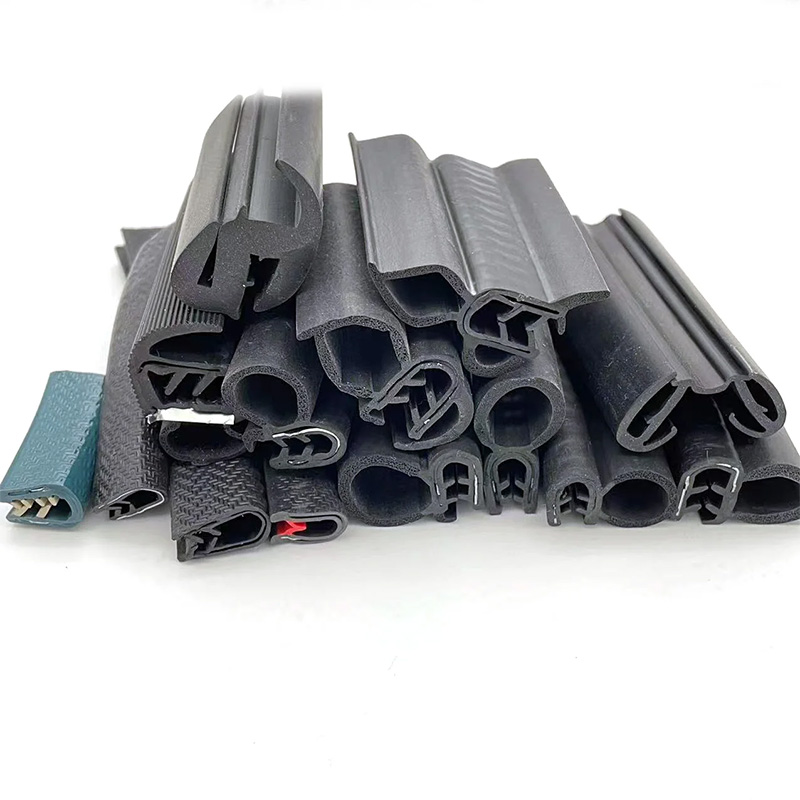
Simply put, a window door rubber seal strip is a flexible rubber (or rubber-like) component affixed along the edges of windows and doors. Its main job? To prevent unwanted air, moisture, dust, and noise from passing through the gaps between these moving parts and frames.
These strips are typically made from materials like EPDM (ethylene propylene diene monomer), silicone, or neoprene. Each has unique qualities but shares the goal of providing tight compression and resilience.
Frankly, they're like the unsung heroes of comfort you don’t notice until they're missing or failing — then suddenly, everything feels drafty, noisy, or damp.
Key Components and Factors That Define Window Door Rubber Seal Strips
1. Material Durability
Durability isn’t just a buzzword here. Depending on the environment — from freezing Nordic winters to humid tropics — seals must resist UV light, ozone exposure, temperature swings, and physical abrasion. EPDM is often favored for its toughness and weather resistance, while silicone seals are prized for extreme temperature tolerance.
2. Flexibility & Compression
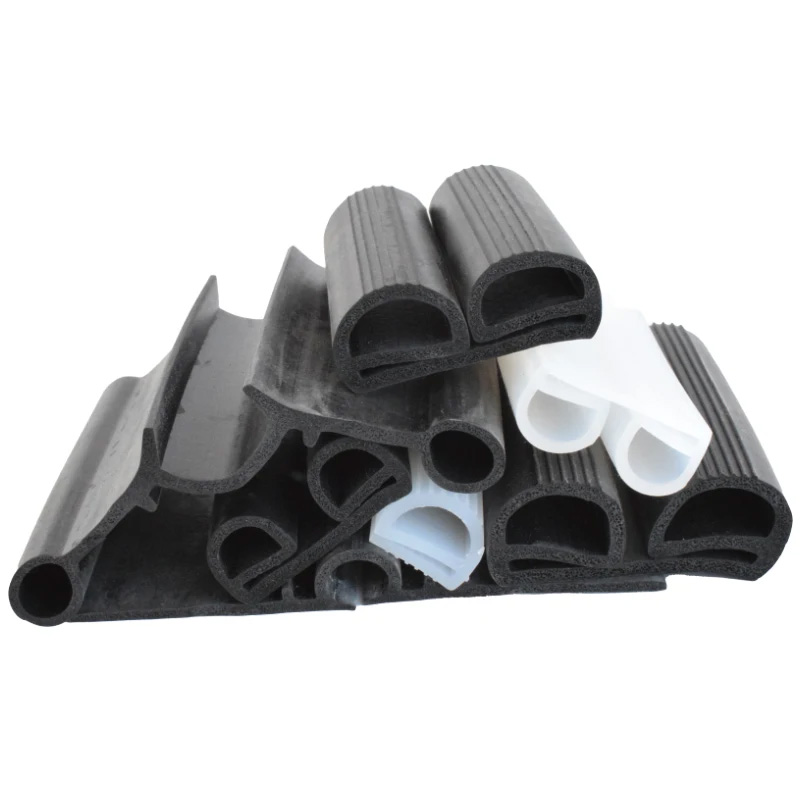
The seal must flex easily for door/window movement yet compress tightly to block outside elements. Strips are engineered in various cross-sectional shapes—D-shapes, P-shapes, bulb seals—to optimize sealing under different pressure conditions.
3. Installation & Compatibility
Compatibility with frame materials (wood, aluminum, PVC) and ease of installation also matter. Self-adhesive backings or mechanical fasteners are common methods. In construction or transport industries, rapid installation saves hours and labor costs.
4. Cost Efficiency
While some premium materials may cost more upfront, the long-term returns due to energy savings and extended lifespan often justify investment. Various grades allow for budget flexibility without compromising performance.
5. Environmental Impact
Increasingly, manufacturers consider the recyclability and environmental footprint of their sealing strips. Biodegradable options and recycled rubber materials are emerging trends.
How Window Door Rubber Seal Strips Are Used Around the World
This technology finds its way into countless domains:
- Construction: Residential and commercial buildings universally rely on these strips to meet energy codes and improve indoor air quality.
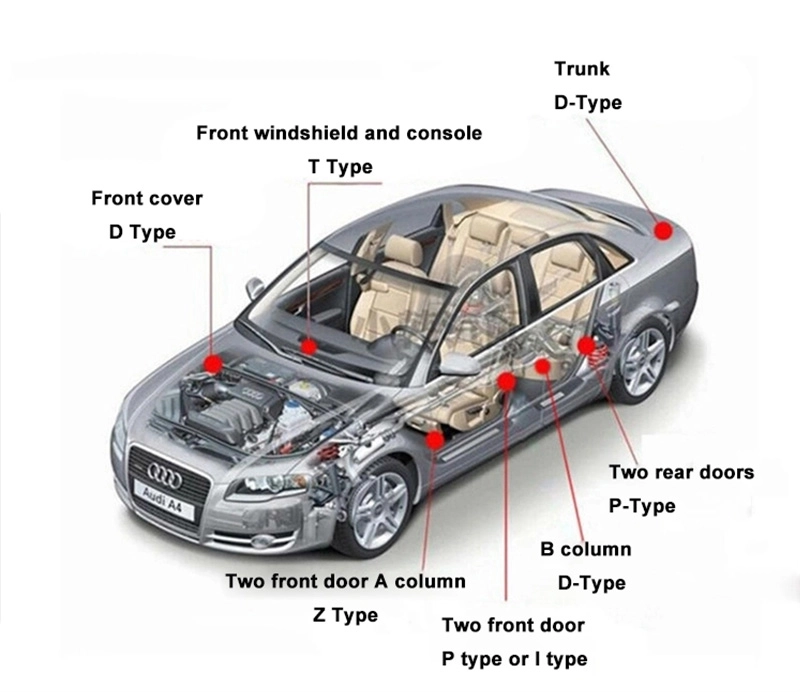
- Automotive Industry: Sealing vehicle doors and windows affects passenger comfort and reduces noise pollution.
- Disaster Relief Housing: In temporary shelters after floods or earthquakes, robust seals prevent rainwater intrusion and drafts — vital for occupant safety.
- Marine and Aviation: Specialized seals protect cabins from harsh environmental conditions at sea or high altitude.
One remarkable example: in Arctic regions, specially formulated EPDM strips help research stations maintain internal warmth despite brutal winds.
Product Specification: Typical Window Door Rubber Seal Strip
| Parameter | Typical Value | Notes |
|---|---|---|
| Material | EPDM Rubber | High UV and ozone resistance |
| Operating Temperature Range | -40°C to 120°C | Suitable for most climates |
| Compression Set | <20% | Retains shape after repeated use |
| Hardness (Shore A) | 60 ± 5 | Balance of flexibility and firmness |
| Length per Roll | 10 meters | Standard for residential use |
| Installation | Self-adhesive or groove-fit | Easy retrofit or new construction |
Comparing Leading Vendors of Window Door Rubber Seal Strips
| Vendor | Material Options | Price Range (USD) | Customization | Lead Time |
|---|---|---|---|---|
| SealTech Industries | EPDM, Silicone, Neoprene | Low - Mid | Yes (profiles & colors) | 2-3 weeks |
| GlobalSeal Solutions | EPDM premium, TPE | Mid - High | Limited | 4 weeks |
| EastRubber Co. | Neoprene, natural rubber blends | Low | No | 1-2 weeks |
| EnviroSeals Ltd. | Recycled EPDM, bio-based rubber | Mid | Yes (eco-focused) | 3 weeks |
Advantages That Go Beyond the Obvious
Thinking beyond mere functionality, these seals contribute real value to daily life:
- Energy savings: Reduced heating and cooling costs, which feel great come winter bills.
- Enhanced comfort: Fewer drafts, less noise, better humidity control.
- Longevity: High-quality rubber strips can outlast entire windows or doors, saving replacement hassle.
- Environmental benefits: Limits energy waste, and newer materials cut down on manufacturing emissions.
- Safety and security: A tight seal also helps improve door/window locking effectiveness and prevents insect entry.
So, it’s not just about sealing. It’s about making places where people live and work safer, cozier, and environmentally smarter.
The Road Ahead: Trends & Innovations in Sealing Technology
In the innovation labs and factories today, things like nanotechnology coatings, self-healing rubber materials, and digitally optimized seal profiles are gaining traction. Green building certifications increasingly demand eco-friendly seal materials, pushing R&D to minimize environmental impacts.
Automation in window and door assembly lines now integrates smart seals with embedded sensors to detect wear and leaks — a step towards predictive maintenance rarely considered before.
Also, rising attention to methane leakage control in pipelines and industrial applications has inspired cross-industry advances in sealing technology, indirectly benefiting window and door seals by trickling down the tech.
Common Challenges and How They’re Solved
Of course, no product is perfect. The most frequent challenges include:
- Seal degradation over time: UV exposure and temperature fluctuations break down some materials quicker than expected. Using EPDM and silicone mitigates this somewhat.
- Poor installation: Misaligned or improperly fitted strips fail to perform. Training and better user guides help, as does clever self-aligning designs.
- Supply chain delays: Especially for custom profiles or eco-material batches. Streamlined vendor networks and better forecasting ease this.
- Compatibility issues: Some seals aren’t suitable for all door/window frame materials, requiring careful product selection.
Overall, continuous material research and smarter design help keep these challenges in check.
FAQ: Your Top Questions About Window Door Rubber Seal Strips
- Q1: How long do window door rubber seal strips typically last?
- A: Depending on quality and exposure, they usually last 5 to 10 years. Superior materials like EPDM can extend lifespan even longer, especially with care.
- Q2: Can these seal strips withstand extreme weather?
- A: Yes, materials like silicone seals tolerate temperatures from -60°C up to 200°C, making them reliable in harsh climates like high altitudes or deserts.
- Q3: Are rubber seal strips easy to install for DIY projects?
- A: Many come with self-adhesive backing or snap-on designs, so homeowners can handle installation with basic tools and careful measurement.
- Q4: Do these seals improve energy efficiency noticeably?
- A: Absolutely. Poor seals can cause up to 40% heat loss around windows and doors. A good seal strip can cut that dramatically, shrinking energy bills.
- Q5: How can organizations source custom rubber seals internationally?
- A: Working with specialized vendors offering global shipping and customization options is key—many provide technical support for specifications and compliance.
Summary and Next Steps
At the end of the day, the window door rubber seal strip represents much more than a mere accessory — it’s a vital component that enhances comfort, conserves energy, and aligns with global sustainability targets. Whether you’re a homeowner, a building professional, or an industry buyer, recognizing its importance can lead to smarter decisions and better outcomes.
Curious to explore more or find the perfect sealing strip for your projects? Visit our comprehensive collection at window door rubber seal strip and see what fits your needs.
1. International Energy Agency (IEA), "Energy Efficiency Trends," 2023
2. Wikipedia contributors, "Weatherstripping," Wikipedia, The Free Encyclopedia
3. United Nations Environment Programme, "Sustainable Building Solutions," 2022
Share
-
Eco Friendly Drawstring Jute Bag Guide for Sustainable PackagingNewsApr.16,2026
-
Elegant Wedding Jute Bags for Sustainable and Rustic Event PackagingNewsApr.09,2026
-
Sustainable Jute Bags for Coffee Packaging and Branding SolutionsNewsApr.07,2026
-
Explore the Benefits of Sustainable Saran Jute Bags for Your BusinessNewsApr.04,2026
-
Sustainable Jute Soap Bags Packaging Solutions for Eco Friendly BrandsNewsMar.31,2026
-
Discover the EcoFriendly Charm of Jute Favor Bags for Every OccasionNewsMar.28,2026