Outside Door Rubber Seal – Durable, Energy-Efficient Sealing Solutions | XTShuoding
Understanding the Role of Outside Door Rubber Seals in Today’s Industry
Outside door rubber seals might sound like a simple component, but in reality, they play a pivotal role across many sectors worldwide. In a nutshell, these seals help ensure airtight, water-resistant, and durable boundaries between doors and their frames, directly influencing energy efficiency, security, and even environmental impact. As buildings and vehicles grow more sophisticated, understanding the nuances of these rubber seals isn’t just for engineers — it’s for anyone who cares about durable construction, sustainability, or cutting operational costs.
Why Outside Door Rubber Seals Matter Globally
On the global stage, the demand for smarter sealing solutions is growing at a brisk pace, driven largely by energy conservation mandates, rising concerns about air pollution, and the simple need for long-lasting, maintenance-friendly infrastructure. The International Energy Agency (IEA) has noted that improving building envelopes — which include door seals — can reduce energy use by up to 30% in some climates. Now, while we often focus on insulation or HVAC systems, the humble outside door rubber seal quietly underpins these efficiencies.
Yet, manufacturers face challenges too: aging materials, climate extremes, and demand for greener alternatives. It’s no surprise that innovation in sealing technology is a hot topic among engineers and sustainability experts alike.
What Exactly Is an Outside Door Rubber Seal?
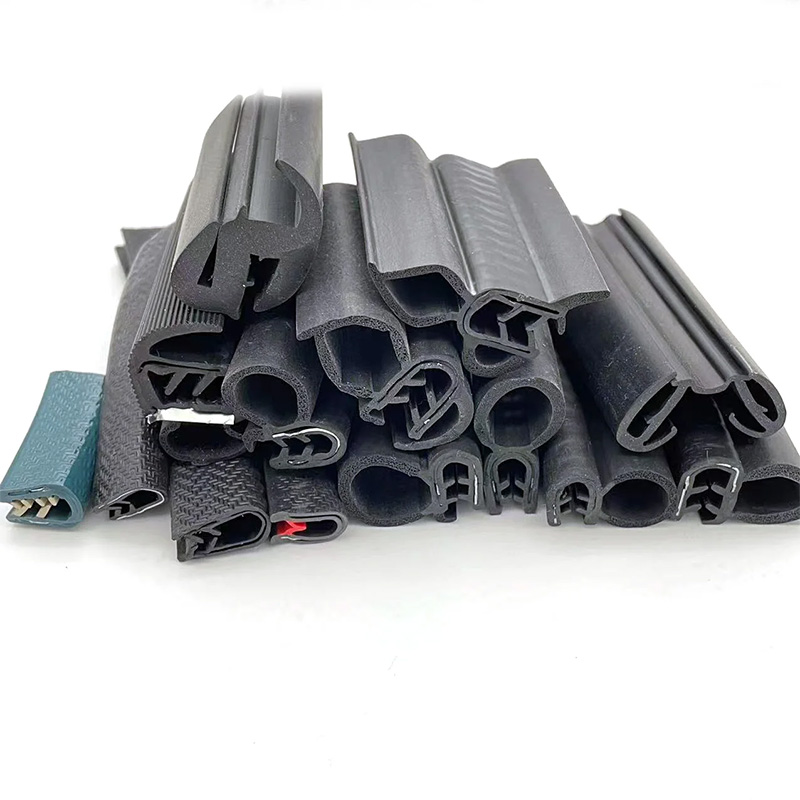
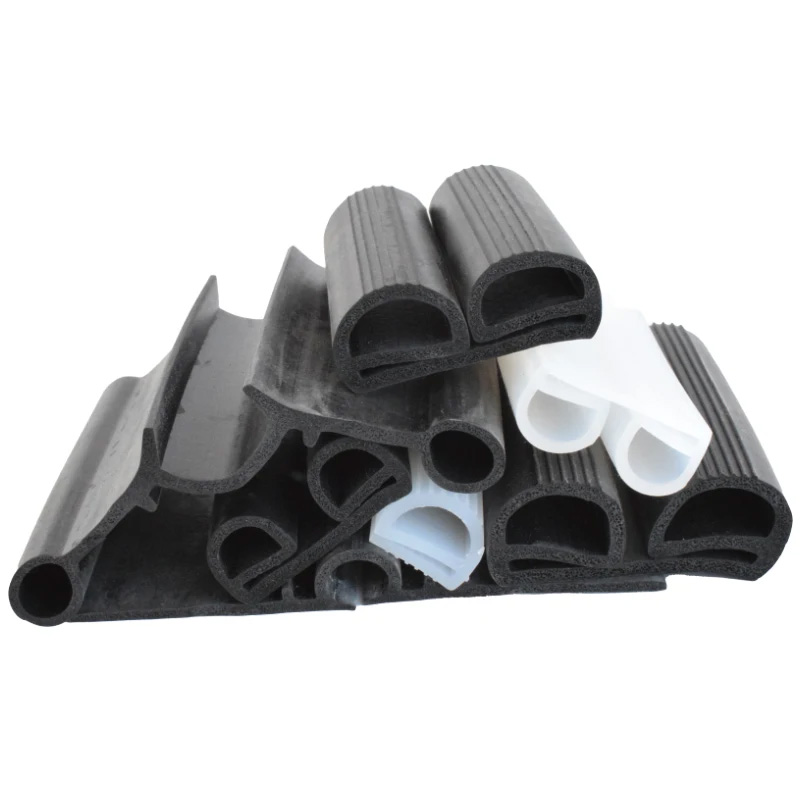
Simply put, outside door rubber seals are flexible strips made primarily from rubber or rubber-like synthetic compounds, adhered or fitted into the perimeter of external doors to create a tight barrier. This barrier keeps out drafts, water, dust, insects, and noise. Sounds straightforward — and it is — but the formulation and design of these seals reflect a mix of chemistry, material science, and practical engineering.
Put in context, these seals are crucial in everything from residential homes and offices to heavy industrial facilities, transportation vehicles, and humanitarian shelters. Without a robust door seal, energy bills skyrocket, interiors suffer moisture damage, and in worst cases, security can be compromised.
Core Components & Factors Defining Effective Outside Door Rubber Seals
1. Durability & Environmental Resistance
Outdoor door seals face UV radiation, moisture, temperature fluctuations, and physical stress. Quality rubber compounds like EPDM (ethylene propylene diene monomer) are popular because they resist cracking, sagging, and degradation over years, even in harsh climates.
2. Flexibility & Compression
The seal must compress adequately when the door closes to prevent gaps but also rebound to maintain long-term effectiveness. Overly stiff or too soft seals fail prematurely.
3. Installation & Compatibility
A good outside door rubber seal suits various door materials — wood, metal, PVC — and fits within the door’s groove or surface mount without extra modification.
4. Cost-effectiveness
The balance between upfront price, longevity, and maintenance is key. Sometimes a slightly pricier seal means fewer replacements and less frequent repairs down the line.
5. Environmental Sustainability
Recyclable and low-VOC (volatile organic compounds) materials are increasingly sought after to meet green building certifications like LEED or BREEAM.
Product Specification Table: Typical Outside Door Rubber Seal
| Specification | Typical Value |
|---|---|
| Material | EPDM Rubber |
| Temperature Range | -40°C to +120°C |
| Compression Set | |
| UV Resistance | Excellent |
| Color Options | Black (standard), Gray |
| Installation Type | Surface-mount or groove fit |
Global Applications and Real-World Use Cases
Outside door rubber seals have cropped up in a surprising range of sectors. In cold northern European countries, seals help conserve heat and combat wind-driven rain. Meanwhile, tropical regions prioritize sealing to keep out humidity and insects.
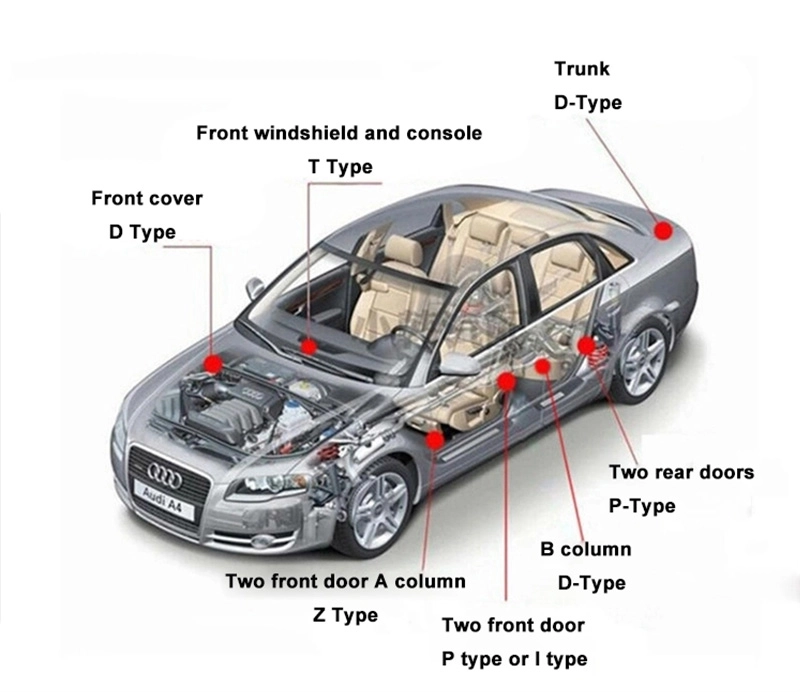
In industrial settings — factories, warehouses — robust seals protect sensitive equipment from dust ingress. In the automotive sector, rubber seals are vital along vehicle doors to reduce noise and prevent water leaks. Even tiny NGOs deploying rapid housing solutions rely heavily on reliable door seals to create safe, comfortable interiors.
For example: after the 2010 Haiti earthquake, shelter providers soon learned that overlooked sealing solutions led to cold drafts and mosquito entry, complicating recovery efforts. Since then, better-tested outside door rubber seals have been integral to fast-deploy housing initiatives worldwide.
Mini Takeaway:
- Outside door rubber seals aren’t just minor accessories — they’re the frontline defense for comfort, safety, and cost savings anywhere doors exist.
- From homes in Scandinavia to emergency shelters in the tropics, their impact is universal and tangible.
Long-Term Advantages of Using Quality Outside Door Rubber Seals
When you think about it, these seals save money — lots of it — by improving energy efficiency. Proper sealing means outside door rubber seal-equipped buildings stay warm in winter, cool in summer, and resist costly mold damage. There’s also a big social impact angle: better seals mean less noise pollution, better health, and a stronger sense of home security.
Ironically, the reliability factor here feeds emotional wellbeing too. Knowing your door is sealed properly, that you’ll be shielded from haze or bugs, or that your facility complies with environmental standards, can’t be underestimated.
Future Trends & Innovations in Outside Door Rubber Seals
The rubber seal industry is quietly evolving. New bio-based elastomers promise an ecological footprint cut by up to 50%, while nano-additives enhance durability and aging resistance beyond what most traditional compounds can manage.
Digitally controlled robotic installation methods are improving consistency and reducing waste. I’ve noticed many manufacturers are tailoring seals with embedded sensors for real-time monitoring — smart homes and industrial plants alike benefit from these predictive maintenance innovations.
Challenges Faced and How Experts Are Solving Them
Despite all these advances, there are persistent challenges. Rubber seals sometimes degrade faster in extreme UV or chemical exposure, causing leaks after only a few years. Installation errors also plague performance. Not to mention, the market confusion caused by cheap, low-quality imports.
Experts advise thorough material testing per ISO 7326 and combining high-grade EPDM with innovative installation clips or adhesives. Some companies even offer pre-manufactured sealing kits tailored to door models for foolproof fitting.
Vendor Comparison Table: Leading Outside Door Rubber Seal Providers
| Vendor | Material Quality | Customization Options | Price Range | Sustainability Focus |
|---|---|---|---|---|
| SealTech Inc. | High-grade EPDM | Full profile and size variations | $$ | Recycled materials available |
| RubberSeal Solutions | Mixed synthetic blends | Standard sizes only | $ | Limited |
| GreenSeal Corp. | Bio-based elastomers | Custom eco-profiles | $$$ | Strongly prioritized |
Frequently Asked Questions About Outside Door Rubber Seal
Q1: How long should an outside door rubber seal typically last?
A: With quality materials like EPDM and proper installation, seals easily last 8–12 years under normal conditions. Harsh environments can reduce lifespan, so routine checks help catch early wear.
Q2: Can I install outside door rubber seals myself, or is professional help needed?
A: Many exterior door seals are DIY-friendly, especially surface-mount types. However, groove-mounted or customized seals might require professional installation to ensure proper compression and alignment.
Q3: Are outside door rubber seals recyclable or eco-friendly?
A: Traditional EPDM seals aren’t biodegradable but are recyclable in specialized facilities. New bio-based seals offer greener alternatives with lower environmental impacts.
Q4: How do outside door rubber seals improve energy efficiency?
A: By eliminating gaps that cause air leaks, they reduce heating and cooling loads, translating directly to energy savings and fewer carbon emissions.
Q5: Where can I purchase high-quality outside door rubber seals?
A: Trusted vendors like SealTech Inc. or outside door rubber seal specialists provide quality options. It's wise to compare material specs and sustainability credentials before buying.
Wrapping Up: Why Outside Door Rubber Seals Are Worth Paying Attention To
These seals might seem small, but their impact stretches far. They marry simple physics with material innovation to protect, conserve, and preserve — qualities we desperately need in today’s world of rising costs and environmental challenges. If your doors are still slipping drafts or attracting pests, it might be time to rethink the outside door rubber seal. Seriously, upgrading these details saves hassle and expense in the long run. Curious to explore the latest designs and options? Visit our website at https://www.xtshuoding.com for expert advice and premium products.
Final Mini Takeaway:
- Outside door rubber seals combine engineering, sustainability, and practicality.
- Choosing the right seal is an investment in comfort, safety, and energy savings.
- Stay tuned for innovations — this quiet hero of building tech is evolving fast.
References:
Share
-
Eco Friendly Drawstring Jute Bag Guide for Sustainable PackagingNewsApr.16,2026
-
Elegant Wedding Jute Bags for Sustainable and Rustic Event PackagingNewsApr.09,2026
-
Sustainable Jute Bags for Coffee Packaging and Branding SolutionsNewsApr.07,2026
-
Explore the Benefits of Sustainable Saran Jute Bags for Your BusinessNewsApr.04,2026
-
Sustainable Jute Soap Bags Packaging Solutions for Eco Friendly BrandsNewsMar.31,2026
-
Discover the EcoFriendly Charm of Jute Favor Bags for Every OccasionNewsMar.28,2026