Truck Scale Rubber Seals: Essential Components for Accuracy and Durability
Understanding Truck Scale Rubber Seals: Critical Components for Accurate Weighing
Truck scale rubber seals might sound somewhat niche, but they play a surprisingly crucial role across industries worldwide. From mining operations in Australia to busy logistics hubs in Europe and the United States, these seals protect precision equipment that underpins entire supply chains. Why does it matter globally? Well, errors in truck scale readings can cascade into costly financial discrepancies, regulatory headaches, and even safety issues. Getting a basic grasp of these seals reveals the subtle yet essential engineering that ensures accuracy and durability under challenging conditions.
Introduction: Why Truck Scale Rubber Seals Matter Across Industries
Heavy vehicles ferry billions of tons of materials like coal, grain, and construction supplies worldwide each year, with the global truck scale market expected to cross $1.5 billion by 2027 (source: Markets and Markets). These scales must remain precise despite harsh environments — think rain, mud, extreme heat, or freezing cold. Truck scale rubber seals prevent dirt, water, and other contaminants from infiltrating the weighing sensors and electronics.
Without reliable sealing, scale accuracy can degrade rapidly, leading to misstated cargo weights, unfair transactions, or logistical chaos. Yet, sealing technology often goes unnoticed. Truck scale rubber seals stand at the frontline of protecting these massive investment tools, offering a surprisingly large return on reliability and cost-effectiveness.
What Are Truck Scale Rubber Seals?
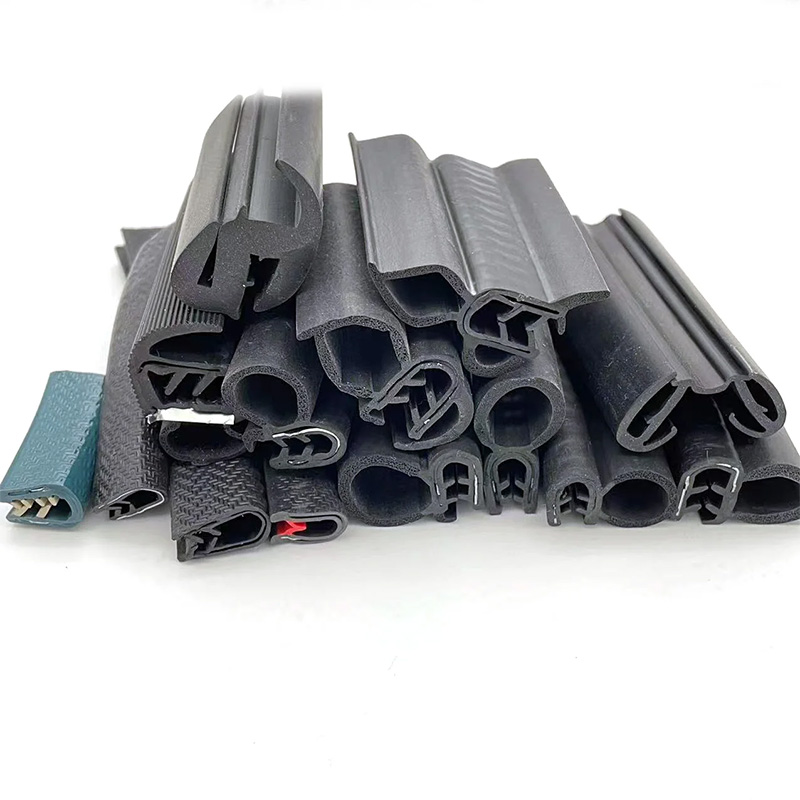
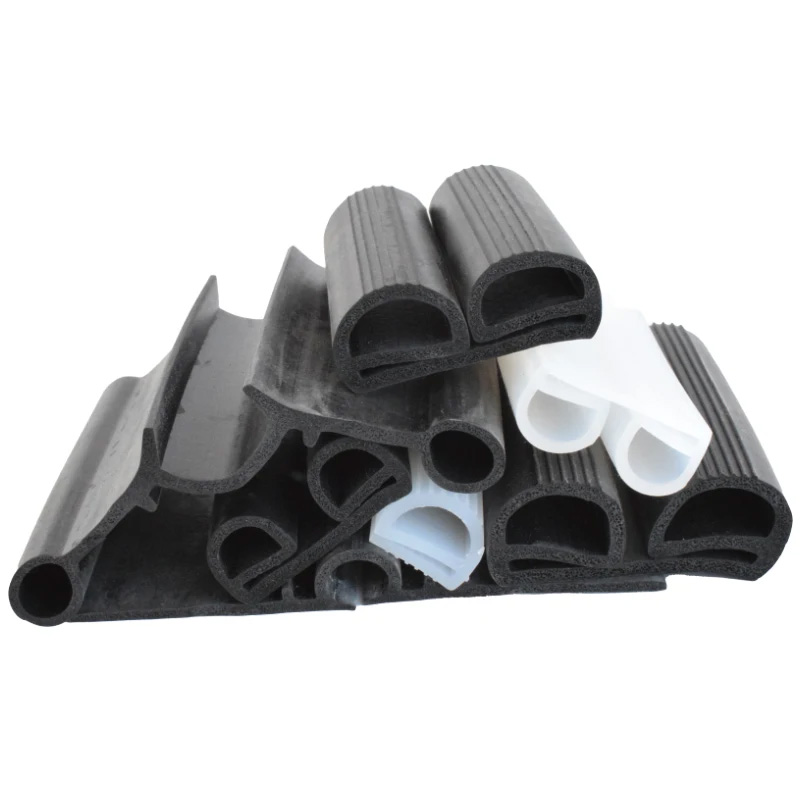
In essence, truck scale rubber seals are specialized gaskets or moulded rubber components designed to fit tightly around truck scale load cells and electronic enclosures. Their job is simple yet vital: create an impervious barrier blocking out water, dust, and other debris which would otherwise foul the sensitive internal parts. They often combine properties like flexibility, resilience, and chemical resistance into a small, durable strip or pad.
These seals are integral to both industrial scales and humanitarian logistics, where accurate weight measurements can influence everything from fair trade to disaster relief distribution.
Key Factors and Core Components of Truck Scale Rubber Seals
1. Durability
Rubber seals endure all sorts of physical stress — constant compression from weight, abrasion from dirt, exposure to UV rays, and chemical contact (think oil or road salt). Superior formulations use nitrile, EPDM, or silicone compounds designed to last years without cracking or deforming.
2. Environmental Resistance
Seals must keep water and dust out under all conditions. IP65 or higher ingress protection ratings typically define the standard. In salty coastal regions or mining sites, special anti-corrosive rubbers are used.
3. Precision Fit
They’re custom die-cut or molded to snugly wrap around load cells and junction boxes. Even slight gaps risk infiltration or mechanical wear, so exact sizing and installation matter.
4. Cost Efficiency
While they may be small components, poorly chosen seals can cause downtime and expensive repairs. Investing in quality seals reduces replacement frequency, protecting the bigger investment of truck scales themselves.
5. Ease of Maintenance
Good designs consider ease of removal and replacement. In the field, quick serviceability lowers labor costs and keeps operations flowing.
Truck Scale Rubber Seal Product Specifications
| Specification | Typical Values | Notes |
|---|---|---|
| Material | EPDM / Nitrile Rubber | Chemical & weather resistant |
| Temperature Range | -40°C to +120°C | Suitable for extreme climates |
| Ingress Protection Rating | IP67 or higher | Waterproof and dustproof |
| Typical Thickness | 3–6 mm | Varies by installation |
| Installation Type | Adhesive-backed or slot-fit | Depends on scale design |
Mini Takeaway:
Truck scale rubber seals might seem small, but their specifications ensure they battle environmental extremes, safeguarding scale precision and lifespan.
Global Applications and Use Cases
- Mining Industry: In harsh mining locations like Chile and Australia, seals keep load cells accurate amid dust storms and chemical spill risks.
- Agricultural Logistics: Grain shipments from the U.S. Midwest rely on sealed scales for fair weight verification before export.
- Ports & Customs: Customs agencies in Europe and Asia use truck scale rubber seals to uphold strict regulations and avoid fraud.
- Disaster Relief Operations: In places like post-hurricane Puerto Rico, accurate weight measurements help NGOs track aid shipments efficiently.
- Construction & Infrastructure Projects: Remote zones in Africa deploying gravel and cement use rugged scales with robust seals to prevent downtime.
Mini Takeaway:
The versatility of truck scale seals is global and cross-sector — wherever weighing accuracy and equipment integrity are non-negotiable.
Advantages and Long-Term Value
When you think about it, investing in good truck scale rubber seals pays for itself through:
- Cost Savings: Less frequent repairs and downtime mean operational budgets stretch further.
- Environmental Sustainability: Durable seals reduce waste and maintenance, aligning with green initiatives.
- Trust & Compliance: Precise weighing supports fair trade, regulatory adherence, and ethical business practices.
- Safety: Preventing ingress helps avoid electrical short-circuits or sensor failures that could lead to accidents.
There’s also a certain peace of mind for operators, knowing measurements are solid and disputes minimized—something that often goes understated.
Future Trends & Innovations in Truck Scale Rubber Seals
The future promises some intriguing developments, including:
- Advanced Materials: Bio-based rubbers to make seals more eco-friendly without sacrificing durability.
- Smart Seals: Embedded sensors that can detect breaches or degradation early, feeding data to maintenance teams digitally.
- Improved Manufacturing: 3D printing technologies allowing quick custom seal fabrication for unique scales.
- Regulatory Shifts: New ISO standards pushing for higher IP ratings and standardized testing protocols globally.
Challenges & Practical Solutions
Honestly, no solution is perfect. Common hurdles include:
- Seal material degradation in extreme UV or chemical exposure.
- Improper installation leading to gaps or damage.
- Cost constraints in budget-sensitive operations opting for cheaper, less durable seals.
Experts recommend routine inspections and opting for seals tested under site-like conditions. Also, modular replacement systems help speed up field maintenance.
Vendor Comparison Table
| Vendor | Material Types | Customization | Typical Lead Time | Price Range |
|---|---|---|---|---|
| ScaleSeal Inc. | EPDM, Nitrile | High (custom shapes) | 2-3 weeks | $$$ (Mid range) |
| RubberTech Global | Silicone, EPDM | Medium (standard sizes) | 1-2 weeks | $$ (Budget friendly) |
| SealMakers Ltd. | Nitrile, Specialty blends | High (on-demand prototyping) | 3-4 weeks | $$$$ (Premium) |
FAQ: Common Questions About Truck Scale Rubber Seals
- How often should truck scale rubber seals be replaced?
- It varies by usage and conditions, but typical replacement cycles range from 3 to 5 years. Regular inspections for cracks or hardening help catch problems early.
- Can rubber seals improve the accuracy of truck scales?
- While seals don't directly affect scale precision, they protect load cells from contamination that would eventually cause errors. So indirectly, yes—they preserve accuracy over time.
- Are there eco-friendly options for truck scale rubber seals?
- Yes, some manufacturers now offer seals made from bio-based or recyclable rubber compounds that reduce environmental impact without compromising durability.
- Is it difficult to replace truck scale rubber seals?
- Normally, seals are designed for relatively easy field replacement with basic tools. However, proper training is recommended to avoid installation errors that reduce effectiveness.
Conclusion & Next Steps
In the long run, truck scale rubber seals save money, improve safety, and help maintain global supply chain integrity. For anyone managing weighing equipment, understanding these seals’ role brings surprising clarity to an often overlooked area. If you want to explore premium, reliable options or learn more, visit our website: truck scale rubber seals.
These humble components echo the broader truth in engineering: sometimes, it’s the smallest parts that keep the biggest systems running smoothly.
Quick Reflection:
Every mechanic and engineer I’ve spoken with agrees—trustworthy seals are the unsung heroes of truck scale accuracy. Without them, the ripple effects can be pretty costly and complicated. So next time you see a massive industrial scale, spare a thought for the quiet rubber guardian inside.
References:
Share
-
Eco Friendly Drawstring Jute Bag Guide for Sustainable PackagingNewsApr.16,2026
-
Elegant Wedding Jute Bags for Sustainable and Rustic Event PackagingNewsApr.09,2026
-
Sustainable Jute Bags for Coffee Packaging and Branding SolutionsNewsApr.07,2026
-
Explore the Benefits of Sustainable Saran Jute Bags for Your BusinessNewsApr.04,2026
-
Sustainable Jute Soap Bags Packaging Solutions for Eco Friendly BrandsNewsMar.31,2026
-
Discover the EcoFriendly Charm of Jute Favor Bags for Every OccasionNewsMar.28,2026