Thermos Flask Rubber Seals: Essential Guide for Durability and Safety
Understanding Thermos Flask Rubber Seals: Why They Matter Globally
When you think about a trusty thermos flask keeping your coffee warm on a chilly morning—or cold water refreshingly chilled on a summer hike—you probably don’t give much thought to the humble rubber seal holding it all together. Yet, thermos flask rubber seals are vital to ensuring your beverage stays just the way you want it. But beyond everyday convenience, these seals play an even bigger role on a global scale, especially in industries that demand reliable, leak-proof thermal containers.
The global thermos flask market is projected to see steady growth, in part driven by increased travel, outdoor activities, and the need for reliable food and beverage storage solutions in harsh environments. According to ISO standards, high-quality seals contribute significantly to product safety and longevity, making the material and design of rubber seals a key driver to a thermos flask’s performance.
In practical terms, the rubber seal is the unsung hero preventing leaks, maintaining thermal insulation, and ensuring hygiene. Oddly enough, if that seal fails, the entire user experience is compromised, along with safety concerns—because nobody wants hot liquid leaking unexpectedly, or worse, contaminants entering.
What Are Thermos Flask Rubber Seals?
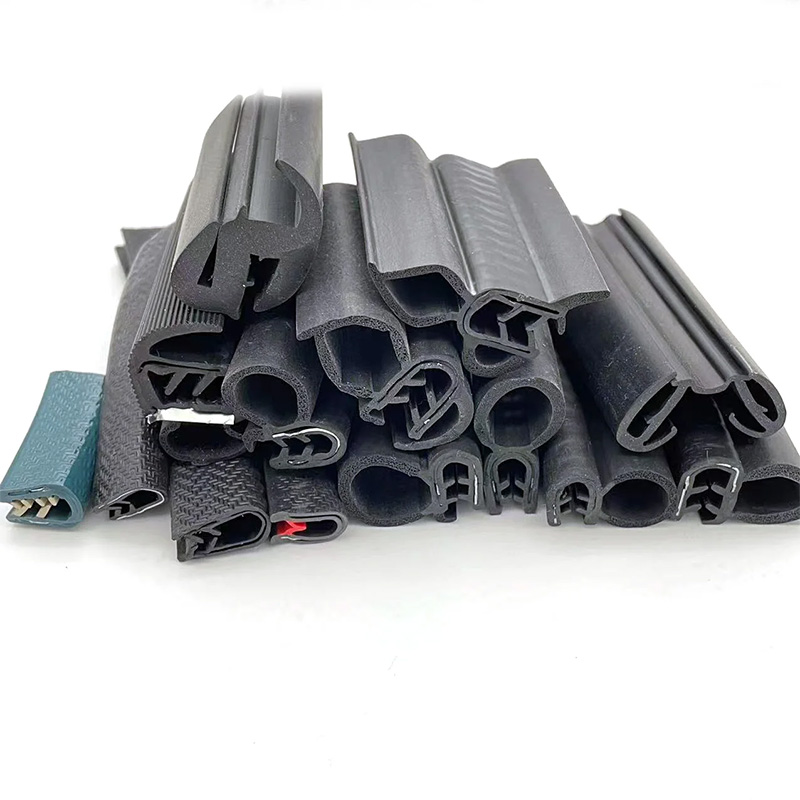
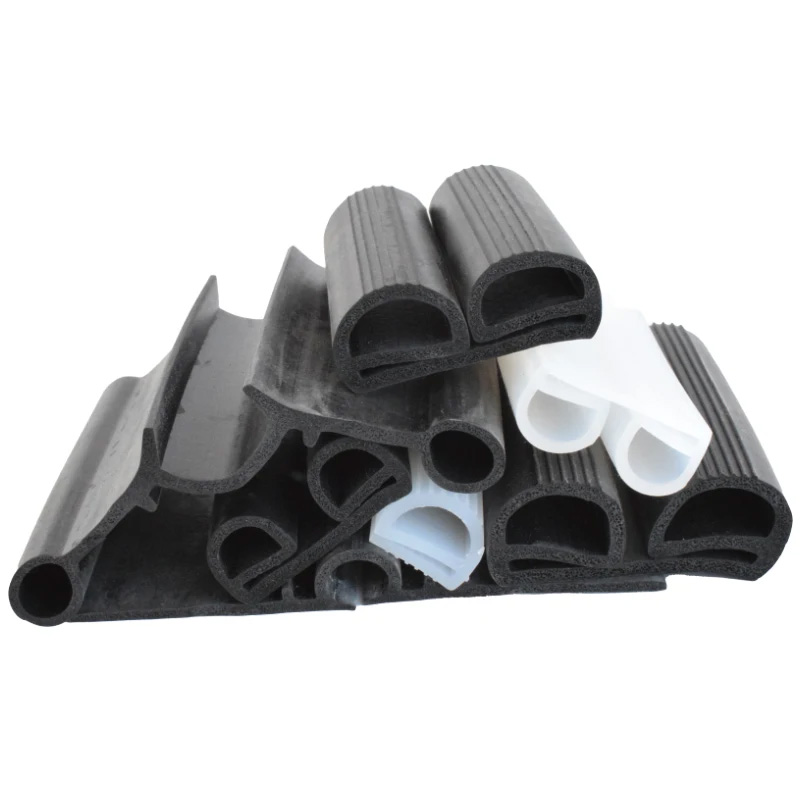
Simply put, thermos flask rubber seals are elastomeric rings or gaskets fitted between the flask lid and body to ensure an airtight, leak-proof closure. Made predominantly from materials like silicone, EPDM (ethylene propylene diene monomer), or nitrile rubber, these seals must withstand temperature extremes, compression forces, and repeated use.
In an industrial or humanitarian context, these seals help preserve the temperature and purity of fluids during transportation or storage—critical in disaster relief, field research, and remote work sites. For instance, NGOs distributing hot meals or vaccines in remote areas count on the seals’ integrity to maintain temperature-sensitive contents without spoilage.
Core Factors of Thermos Flask Rubber Seals
- Durability: The seal’s ability to resist wear, temperature fluctuations (-40°C to 120°C commonly), and chemical exposure ensures long-term use.
- Elasticity & Compression Set: Good seals bounce back after compression, maintaining airtightness rather than becoming permanently deformed.
- Food-Grade Safety: Materials must meet safety certifications (e.g., FDA or EU standards) to prevent harmful leaching.
- Thermal Resistance: Seals maintain elasticity at both low and high temperatures, key for thermal retention.
- Ease of Replacement: Seals designed to be replaceable extend the flask’s lifespan and reduce waste.
These factors align well with practical use cases—think of a mountaineer relying on a warm beverage at altitude or a medic transporting urgent vaccines where seal failure isn’t an option.
Product Specifications of Common Thermos Flask Rubber Seals
| Attribute | Silicone Rubber | EPDM | Nitrile Rubber (NBR) |
|---|---|---|---|
| Temperature Range | -55°C to 200°C | -40°C to 120°C | -30°C to 100°C |
| Chemical Resistance | Excellent | Good | Good |
| Food-Grade Certification | FDA & EU | FDA (depending on grade) | Mostly no |
| Compression Set Resistance | Low | Moderate | High |
Global Applications & Real-World Use Cases
Thermos flask rubber seals appear everywhere. In Asia’s bustling tea markets, stainless steel flasks rely on premium seals to keep traditional brews piping hot all day. In the Arctic, research stations depend on them to store samples without contamination. NGOs delivering vaccines in Africa or hot meals in disaster zones rely heavily on thermos flasks with trusted seals to maintain temperature and hygiene.
In manufacturing hubs like Germany or Japan, engineers meticulously design seals with ultra-precision for flagship outdoor gear. Oddly enough, a seal failure in one premium flask model reportedly resulted in a costly recall—a reminder of how critical quality control is here.
- Outdoor recreation and travel gear worldwide
- Medical and cold chain logistics for vaccines and pharmaceuticals
- Food service industries specializing in hot/cold meal delivery
- Humanitarian relief efforts requiring reliable temperature control
Advantages & Long-Term Value of Quality Rubber Seals
Investing in quality thermos flask rubber seals has clear payoffs. Cost savings happen over time as flasks don’t need premature replacement. From a sustainability lens, replaceable high-grade seals reduce waste and encourage repair over disposal. Socially, consumers trust brands that avoid leaks, spills, or contamination—keeping safety and dignity front and center.
Emotionally speaking, anyone who’s ever burned their hand from a leaking flask can appreciate that peace of mind from a robust seal. It’s innovation working quietly behind the scenes to foster trust.
Vendor Comparison: Top Thermos Flask Rubber Seal Manufacturers
| Vendor | Materials Offered | Certifications | Global Reach | Notable Clients |
|---|---|---|---|---|
| SealTech Co. | Silicone, EPDM | FDA, ISO 9001 | Americas, Europe, Asia | ThermoBrand X, HealthCorp |
| RubberSeal Global | Nitrile, EPDM | ISO 14001, REACH | Europe, Asia | OutdoorGear Pro, PharmaCo |
| FlexSeal Industries | Silicone, Food-Grade EPDM | FDA, EU Food Contact | Global | HotDrink Inc., ReliefAid |
Future Trends & Innovations in Thermos Flask Rubber Seals
The push towards sustainability is reshaping thermos flask rubber seals: biodegradable elastomers and recycled materials are under intensive R&D. Digital transformation helps too—some manufacturers now embed RFID chips in seals to track usage cycles or authenticate genuine parts, which frankly feels quite futuristic!
Moreover, 3D printing of seals allows ultra-customization for niche applications—be it extreme weather or niche industry demands. Plus, ongoing regulatory tightening around food safety is ensuring materials evolve faster than ever before.
Challenges & Practical Solutions
Of course, no product is perfect. Problems like seal hardening, compression set failure, or incompatibility with certain beverages persist. But innovative surface coatings and hybrid material blends are improving longevity. Also, educating consumers on proper flask use and seal replacement goes a long way.
Partnering with expert vendors who provide testing and certification helps avoid costly failures. Maintenance reminders or sealing tutorials in product manuals prove surprisingly effective as well.
FAQ: Frequently Asked Questions About Thermos Flask Rubber Seals
- How often should I replace the rubber seal on my thermos flask?
Generally, every 6 to 12 months depending on use and wear. Signs like cracks, deformation or leaks are clear indicators it’s time for a change. - Are all rubber seals food-safe for hot liquids?
Not necessarily. Always confirm your seal meets FDA or EU food-grade standards especially for hot liquids, to avoid chemical leaching. - Can I clean the rubber seals in my dishwasher?
Most seals tolerate hand washing better. Dishwashers can accelerate material deterioration in some cases. Check manufacturer recommendations. - Do silicone seals work better than nitrile for thermoses?
For high temperature resistance and flexibility, silicone generally outperforms nitrile. But nitrile may resist oils better depending on contents. - Where can I buy replacement seals internationally?
Reputable manufacturers and distributors offer worldwide shipping. For verified products visit thermos flask rubber seals and affiliated global vendors.
Conclusion
Thermos flask rubber seals may sound like a tiny detail, but they’re central to the whole thermos experience: from keeping beverages exactly right to maintaining health standards globally. They blend engineering finesse with everyday reliability—and frankly, that’s worth paying attention to.
If you want to explore trusted seals that deliver performance and safety, I highly recommend visiting https://www.xtshuoding.com for expert products and guidance.
After all, it’s the small things—like a well-made seal—that quietly keep the world’s drinks warm, and health-care supplies safe.
Share
-
Eco Friendly Drawstring Jute Bag Guide for Sustainable PackagingNewsApr.16,2026
-
Elegant Wedding Jute Bags for Sustainable and Rustic Event PackagingNewsApr.09,2026
-
Sustainable Jute Bags for Coffee Packaging and Branding SolutionsNewsApr.07,2026
-
Explore the Benefits of Sustainable Saran Jute Bags for Your BusinessNewsApr.04,2026
-
Sustainable Jute Soap Bags Packaging Solutions for Eco Friendly BrandsNewsMar.31,2026
-
Discover the EcoFriendly Charm of Jute Favor Bags for Every OccasionNewsMar.28,2026