Automotive Door Rubber Seals: Essential Guide to Benefits, Uses, and Innovations
Understanding Automotive Door Rubber Seals: Why They Matter Globally
Automotive door rubber seals might seem like humble components, barely noticed as we hop in and out of cars. Yet, these thin strips of rubber play a significant role in our daily comfort and vehicle longevity. Globally, they’re crucial in making vehicles airtight, noise-proof, and watertight—key for safety, energy efficiency, and driving satisfaction.
With millions of vehicles on roads worldwide—over 1.4 billion registered cars in 2019 alone (World Bank data)—this tiny part impacts countless lives and industries. Understanding automotive door rubber seals is vital not only for automotive engineers but also for environmental sustainability and economic efficiency.
Introduction: The Global Context of Automotive Door Rubber Seals
The automotive industry is under constant pressure to improve vehicle performance while reducing environmental footprints. The automotive door rubber seals are unsung heroes in this equation. They prevent water leaks, reduce noise pollution, and improve thermal insulation, which directly affects fuel consumption and emissions.
Think about a winter drive: without robust door seals, cold air sneaks in, making the car’s heater work harder, burning more fuel. According to the International Organization for Standardization (ISO), enhanced sealing contributes to improved vehicle energy efficiency—an increasingly global priority as countries strive to meet carbon reduction targets. Yet, many manufacturers still grapple with balancing cost, durability, and material sustainability in these seals.
What Are Automotive Door Rubber Seals?
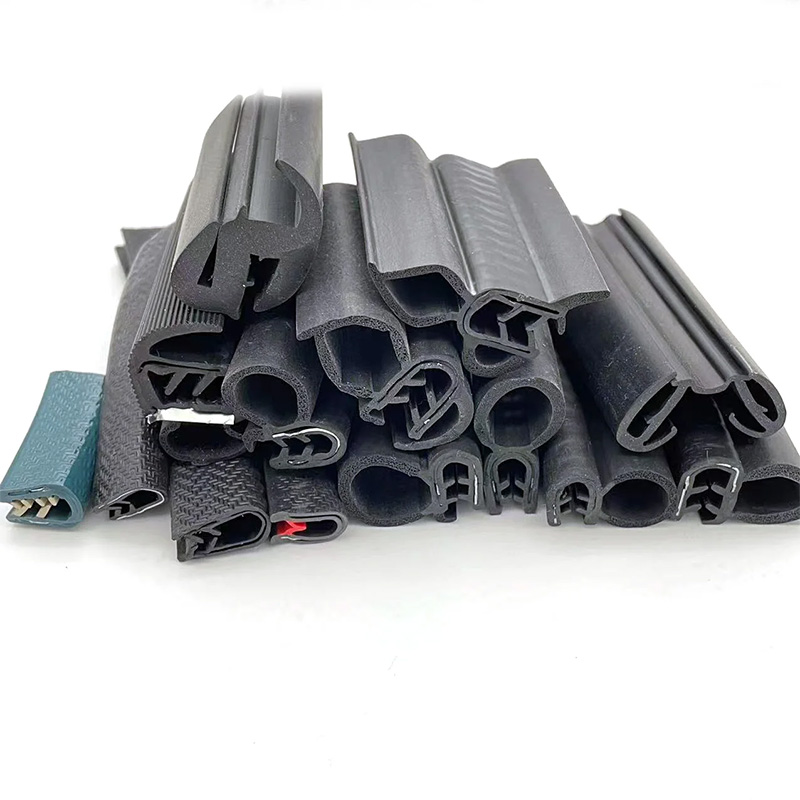
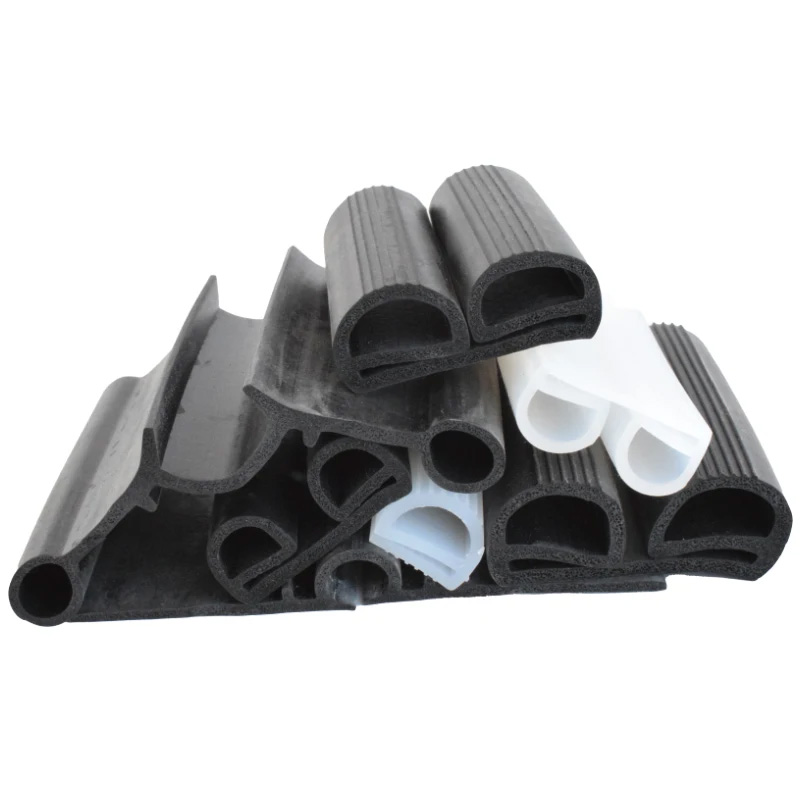
Simply put, automotive door rubber seals are flexible, durable strips attached around car door frames to fill the gap between doors and bodies. They create a barrier against water, dust, air, and noise. Made mostly from synthetic rubbers like EPDM (ethylene propylene diene monomer), these seals combine elasticity with resilience to temperature changes—a must for cars operating across extremes.
These seals are also deeply tied to modern mobility and humanitarian needs. In regions prone to extreme weather, good sealing ensures safety and comfort. In humanitarian vehicle deployments, automotive door rubber seals protect sensitive equipment from dust and rain, enabling critical aid work.
Core Components and Key Factors of Automotive Door Rubber Seals
1. Durability
Durability is essential. The seals endure hundreds of door openings daily, exposure to UV radiation, ozone, and chemicals. Manufacturers use EPDM rubber precisely for its exceptional resistance to aging—helping the seals maintain flexibility and sealing ability for years.
2. Weather Resistance
The seals must withstand extremes: freezing winters, scorching summers, heavy rain, and salty coastal air. High-quality seals prevent ingress of moisture and dust, protecting vehicle interiors and electronics.
3. Noise Reduction
By filling gaps tightly, these seals cut out road and wind noise. It’s a subtle but crucial factor for driver focus and passenger comfort—especially on long journeys.
4. Cost Efficiency
Manufacturers balance material cost with performance. EPDM and thermoplastic elastomers offer a reasonably economical mix with good properties, while ongoing R&D explores bio-based rubbers as greener alternatives.
5. Ease of Installation and Maintenance
The seals must fit snugly but allow quick replacement if damaged, which helps reduce maintenance costs and downtime.
6. Customization and Compatibility
Each vehicle model can demand unique seal profiles. Innovations in extrusion and molding technologies enable bespoke shapes, thicknesses, and adhesion methods.
Product Specification Table: Typical Automotive Door Rubber Seal Features
| Specification | Typical Value | Unit |
|---|---|---|
| Material | EPDM Rubber | - |
| Temperature Resistance | -40 to 120 | °C |
| Tensile Strength | 10-15 | MPa |
| Elongation at Break | 300-500 | % |
| Density | 1.1-1.3 | g/cm³ |
Global Applications & Use Cases
Automotive door rubber seals are integral globally—used in passenger vehicles, commercial fleets, and even specialized industrial transport. European automakers, known for their strict quality standards, have pushed the envelope in seal technology, focusing heavily on noise and thermal insulation.
In North America, stringent emission and fuel economy laws encourage adopting better seals for energy savings. In Asia, rapid urbanization drives demand for affordable, durable sealing solutions on compact cars. Meanwhile, emerging markets in Africa and Latin America benefit as durable seals extend vehicle lifespans on rough roads and harsh climates.
Oddly enough, these seals also have niche roles, like protecting mobile clinics and humanitarian vehicles that operate in disaster zones—where moisture and dust resistance can mean life or death.
Vendor Comparison Table: Leading Automotive Door Rubber Seal Suppliers
| Vendor | Material Quality | Innovation Focus | Price Range | Global Reach |
|---|---|---|---|---|
| Vendor A | High (EPDM + advanced coatings) | Eco-friendly materials | $$$ | Global |
| Vendor B | Medium (Standard EPDM) | Cost optimization | $$ | Asia-focused |
| Vendor C | Medium-high (Thermoplastic elastomers) | Custom profiles & smart sensors | $$$ | Europe & North America |
Advantages & Long-Term Value of Automotive Door Rubber Seals
- Cost Savings: Better seals reduce repair costs and improve fuel efficiency, cutting lifetime vehicle expenses.
- Sustainability: Durable, recyclable materials support eco-friendly automotive goals.
- Safety & Comfort: Seals protect occupants from elements and noise, enhancing driving experience.
- Social Impact: For humanitarian and commercial fleets, dependable seals mean reliability in critical missions.
Frankly, these benefits mean the seals build trust between automakers and drivers, a soft yet vital asset in competitive markets.
Emerging Trends in Automotive Door Rubber Seals
Industry watchers see promising innovations on the horizon. Bio-based synthetic rubbers could reduce reliance on petrochemicals without sacrificing durability. Smart seals embedded with sensors may alert to wear or leaks, enabling predictive maintenance.
As electric vehicles gain momentum, thermal insulation from quality seals can improve battery efficiency by stabilizing cabin temperature, a subtle but impactful improvement. Automated manufacturing techniques promise better quality control and customization—helping scale production globally.
Challenges & Solutions
Challenges persist. Balancing cost and performance can be tricky—cheap seals degrade quickly, while premium ones hike vehicle costs. Material supply chain disruptions also impact availability, especially given recent global events.
Experts suggest adopting flexible manufacturing lines and material substitutions to maintain supply. Additionally, ongoing R&D into eco-friendly materials aims to resolve environmental and performance trade-offs.
FAQ: Frequently Asked Questions About Automotive Door Rubber Seals
- Q: How often should automotive door rubber seals be replaced?
- A: Replacement frequency depends on usage and environment. Typically, seals last 5–10 years but should be inspected annually for cracks or hardening to maintain optimal sealing.
- Q: Can damaged seals cause car interior damage?
- A: Definitely. Worn seals allow water and dust infiltration, leading to mold, rust, and cosmetic damage inside the car over time.
- Q: Are all automotive door rubber seals compatible with all car models?
- A: No. Seals are often tailored to specific vehicles considering door frame dimensions and materials. Using correct seals ensures proper fit and function.
- Q: How do temperature extremes affect seal performance?
- A: High-quality seals resist cracking in cold and softening in heat, maintaining elasticity. Poor quality seals can become brittle or sag, compromising the seal.
- Q: Is it possible to improve existing seals for better noise reduction?
- A: Yes. Adding additional insulation strips or replacing with higher-grade seals designed for acoustic dampening can significantly reduce cabin noise.
Conclusion & Call to Action
In the grand scheme, automotive door rubber seals seem small but hold outsized influence. They help vehicles perform better, last longer, and provide a more comfortable, safer driving experience worldwide. From bustling cities to remote regions, quality seals make a difference.
If you’re interested in learning more or sourcing the latest automotive door rubber seals, visit our website. It’s worth exploring the options that can elevate vehicle durability and comfort—sometimes it’s the little things that matter the most.
Mini Takeaway: Automotive door rubber seals may be overlooked, but their global impact on vehicle safety, comfort, and sustainability is indisputable, with ongoing innovation promising even greater benefits.
References
Share
-
Eco Friendly Drawstring Jute Bag Guide for Sustainable PackagingNewsApr.16,2026
-
Elegant Wedding Jute Bags for Sustainable and Rustic Event PackagingNewsApr.09,2026
-
Sustainable Jute Bags for Coffee Packaging and Branding SolutionsNewsApr.07,2026
-
Explore the Benefits of Sustainable Saran Jute Bags for Your BusinessNewsApr.04,2026
-
Sustainable Jute Soap Bags Packaging Solutions for Eco Friendly BrandsNewsMar.31,2026
-
Discover the EcoFriendly Charm of Jute Favor Bags for Every OccasionNewsMar.28,2026