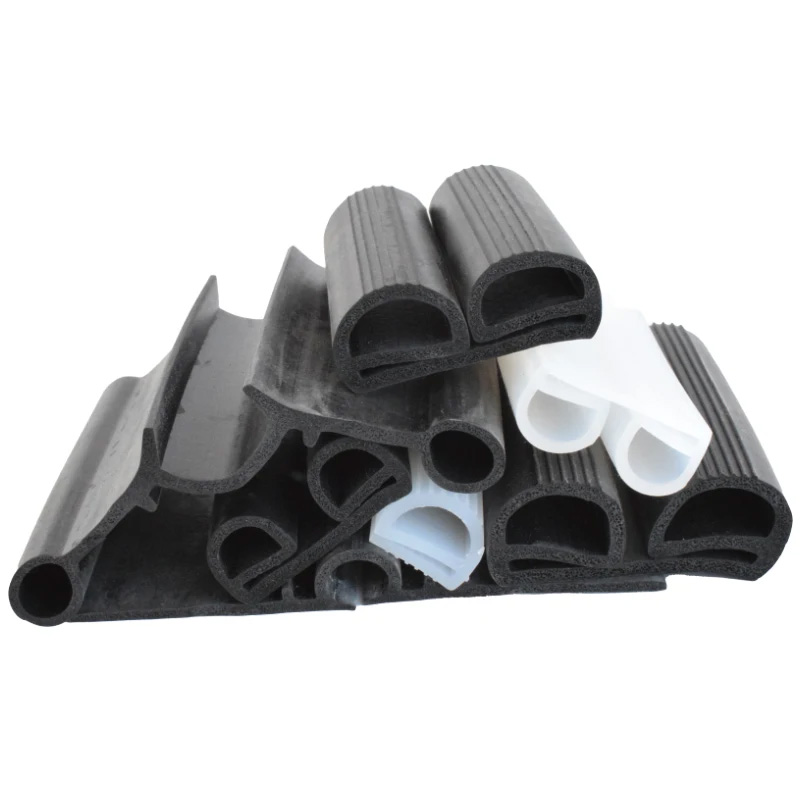
The Essential Guide to Thin Rubber Door Seals: Benefits, Applications & Trends
Why Thin Rubber Door Seals Are Gaining Global Attention
When was the last time you thought about the humble door seal? Probably never, right? But that thin strip of rubber doing its quiet, unsung work sealing a door is actually a marvel of modern design and practical necessity — especially the thin rubber door seal. Globally, industries and households alike depend on these seals for energy efficiency, safety, and durability. As the planet grapples with energy conservation and stricter building codes, understanding what thin rubber door seals bring to the table is more important than ever.
In essence, these seals are small but mighty contributors to reducing energy consumption and improving indoor comfort, not to mention protecting us from dust, water, and noise. Grasping their benefits could mean better buildings, lower utility bills, and happier, greener communities worldwide.
Global Context: The Growing Relevance of Thin Rubber Door Seals
According to the International Energy Agency (IEA), buildings account for roughly 30% of global energy consumption, with a significant chunk wasted through inefficient sealing of doors and windows. The United Nations Environment Programme (UNEP) has long stressed the importance of energy efficiency tools, especially in the context of rising urban populations and climate change mitigation.
Despite that, many older buildings—particularly in emerging economies—still suffer from poor door and window sealing, leading to energy loss and discomfort. Enter thin rubber door seals, a relatively inexpensive intervention with outsized impact. That’s why manufacturers worldwide are pushing for better materials, smarter designs, and wider adoption.
Mini Takeaway:
- Buildings contribute hugely to energy consumption globally.
- Poorly sealed doors are a significant source of energy loss.
- Thin rubber door seals offer a practical, low-cost solution fitting this challenge.
Defining the Thin Rubber Door Seal
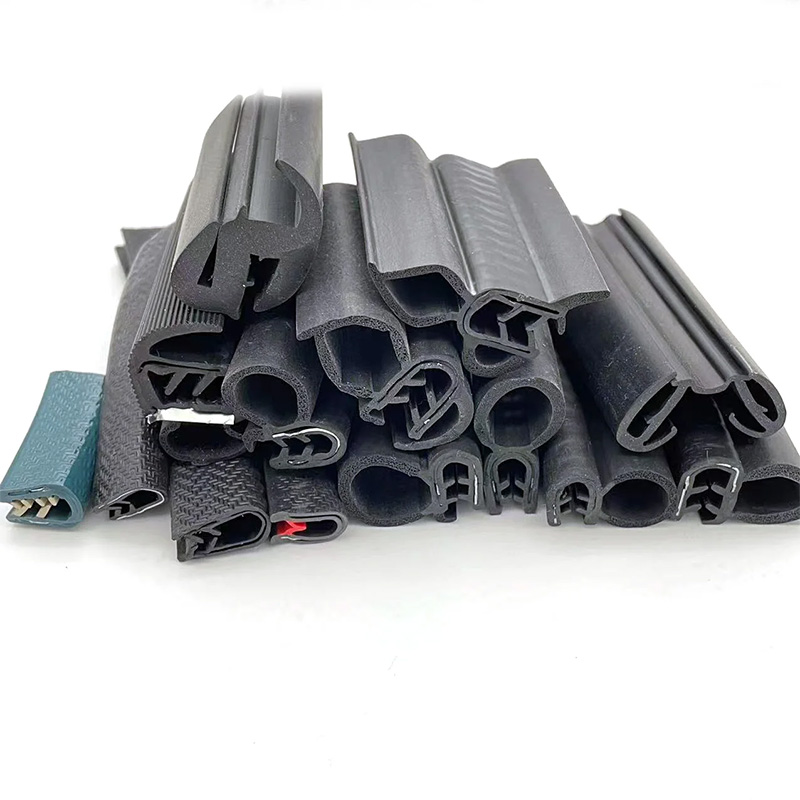
Put simply, a thin rubber door seal is a narrow strip of flexible rubber material designed to create a tight seal between a door and its frame. This prevents air infiltration, water ingress, dust, and even insects from crossing the threshold.
Nowadays, these seals are crafted from advanced synthetic rubbers such as EPDM or silicone, tailored to withstand wide temperature ranges and varying environmental stresses. The seal is crucial not only in residential homes but also in commercial and industrial settings — even humanitarian relief shelters where weatherproofing is paramount.
Mini Takeaway:
- Thin rubber door seals are flexible strips that tightly seal doors.
- Typically made from durable synthetic rubbers.
- Vital for security, comfort, and protection in multiple sectors.
Core Components and Key Aspects of Rubber Door Seals
Durability
Durability often makes or breaks the usefulness of these seals. Modern rubbers boast resilience to UV rays, extreme cold, and mechanical wear — meaning the seal remains effective for years rather than months.
Flexibility & Compression Set
A great seal needs to compress when the door closes but return to its original shape quickly to maintain effectiveness. Materials with low compression set ensure the seal doesn’t become flat and lose its snug fit.
Weather Resistance
These seals are exposed to water, dust, and drastic temperature swings. Quality seals repel moisture and resist degradation, ensuring year-round performance.
Energy Efficiency
By limiting air leakage, these seals help maintain consistent indoor temperatures, reducing heating or cooling costs significantly. This is crucial as more countries adopt minimum building energy performance standards aligned with ISO 50001.
Ease of Installation
Thin seals that are easy to install encourage adoption. Self-adhesive backing or snap-fit designs speed up fitting and maintenance.
Cost Efficiency
Despite all these qualities, the best seals remain affordable — offering a great return on investment compared to larger energy retrofit projects.
Mini Takeaway:
- Seals must be durable, flexible, and weather-resistant.
- Energy efficiency and ease of installation are key to adoption.
- Smart material selection balances performance with cost.
How Thin Rubber Door Seals Are Used Worldwide
These seals feature everywhere — from high-rise offices in New York to rural homes in India, from refrigerated trucks in Europe to remote clinics in sub-Saharan Africa.
In commercial construction, energy codes increasingly mandate effective sealing. Industrial complexes use these seals to maintain cleanroom environments or prevent contamination.
Interestingly, in post-disaster relief zones, thin rubber door seals help temporary shelters stay dry and insulated, improving occupant comfort and safety. NGOs note that even simple sealing upgrades reduce illness related to cold drafts and moisture.
Regional Highlights:
- North America & Europe: Strict energy codes push sealing innovations.
- Asia Pacific: Rapid urbanization spurs huge demand for effective seals.
- Africa & Latin America: Focus on durable, low-cost solutions for off-grid homes.
Mini Takeaway:
In real terms, thin rubber door seal solutions cross industries and continents, proving their versatility wherever they’re used.
Product Specification Table: Typical Thin Rubber Door Seal
| Specification | Typical Range | Notes |
|---|---|---|
| Material | EPDM, Silicone, Neoprene | Depends on application and environment |
| Thickness | 1.5 - 5 mm | Thin designs prioritize minimal gap fill |
| Length per Roll | 10 - 30 meters | Custom sizes available |
| Temperature Range | -40°C to +120°C | Varies by compound |
| Compression Set | ≤30% | Ensures long-lasting flexibility |
| Color Options | Black, Gray, Custom | For aesthetic requirements |
Vendor Comparison: Leading Thin Rubber Door Seal Providers
| Feature | Vendor A | Vendor B | Vendor C |
|---|---|---|---|
| Material Quality | High-grade EPDM | Silicone blend | Neoprene options |
| Price (per meter) | $1.20 | $1.50 | $0.95 |
| Custom Sizes Available | ✔ | ✔ | ✖ |
| Eco-Friendly Certifications | ISO 14001 | None | RoHS Compliant |
| Lead Time | 2 weeks | 3 weeks | 1 week |
Advantages and Long-Term Value of Thin Rubber Door Seals
The immediate effect of installing a quality thin rubber door seal is clear: less air dripping in or out, which means greater energy savings. But the story doesn’t stop at dollars and cents. There’s something emotionally reassuring about a sealed door — a sense of security, privacy, and comfort that beyond the material impact feels deeply human.
Beyond individual benefits, these seals help reduce the carbon footprint of buildings globally. Their use is also a social equalizer — a modest retrofit that rapidly improves the lives of people in frigid climates, noisy urban areas, or harsh environments.
Many engineers I’ve spoken to insist that the reliability of thin rubber door seals, especially those crafted with precision, is often underestimated. It feels like small innovations stack up, leading to smarter, more sustainable buildings.
Emerging Trends and Future Innovations
Looking forward, the thin rubber door seal space is buzzing with innovation. New nano-coatings promise to make seals self-cleaning and more resistant to microbial growth. Sustainable rubber composites derived from bio-based sources aim to phase out petroleum-derived materials.
Automation and IoT sensors embedded around doors could soon monitor seal integrity in real time, preventing energy loss before it happens. And with smart building trends accelerating, these seals won’t just be passive materials but components in integrated environmental systems.
Challenges and Solutions in Seal Application
Of course, it’s not all smooth sailing. Common issues like improper installation, material degradation in highly polluted areas, or seals that don’t fit oddly shaped doors remain challenges.
To overcome these, manufacturers offer tailored sizes and flexible materials. Installation training programs and smart adhesives help reduce errors. Some firms even use 3D scanning to create perfect-fit seals, a neat trick for uniquely designed architecture.
FAQ: Frequently Asked Questions About Thin Rubber Door Seals
Q1: How long do thin rubber door seals typically last?
A1: Generally, a well-made and properly installed thin rubber door seal lasts 5 to 10 years, depending on environmental exposure. Materials like EPDM are especially durable under UV and ozone exposure, increasing lifespan.
Q2: Can thin rubber door seals improve sound insulation?
A2: Yes, these seals help reduce noise infiltration by closing gaps that transmit sound waves, improving overall sound insulation especially in urban or noisy environments.
Q3: Are these seals eco-friendly?
A3: Many manufacturers now produce seals with recycled or bio-based rubbers, and some have certifications such as ISO 14001. It’s worth confirming with the vendor about the sustainability credentials.
Q4: Can I install thin rubber door seals myself, or is professional help recommended?
A4: Many thin rubber door seals come with self-adhesive backing and are designed for DIY installation. However, complex doors or commercial settings sometimes benefit from professional installation for optimal performance.
Q5: How do I ensure compatibility with my existing door frame?
A5: Measure the gap size, door movement clearance, and select a seal thickness accordingly. Vendors often provide sizing guides or customizable options to ensure proper fit.
Conclusion: Investing in Thin Rubber Door Seals Pays Off
In sum, thin rubber door seals might seem unassuming, but they’re a cornerstone of modern building efficiency and comfort. Their global significance grows with heightened energy concerns and sustainability priorities, bridging the gap between high-tech innovation and simple human needs.
If you’re thinking about making your home, office, or project more sustainable and comfortable, a quality thin rubber door seal is a low-cost, high-impact starting point.
For those ready to explore the best options and stay ahead of the curve, visit: https://www.xtshuoding.com
References
Share
-
Eco Friendly Drawstring Jute Bag Guide for Sustainable PackagingNewsApr.16,2026
-
Elegant Wedding Jute Bags for Sustainable and Rustic Event PackagingNewsApr.09,2026
-
Sustainable Jute Bags for Coffee Packaging and Branding SolutionsNewsApr.07,2026
-
Explore the Benefits of Sustainable Saran Jute Bags for Your BusinessNewsApr.04,2026
-
Sustainable Jute Soap Bags Packaging Solutions for Eco Friendly BrandsNewsMar.31,2026
-
Discover the EcoFriendly Charm of Jute Favor Bags for Every OccasionNewsMar.28,2026