Rubber Seal Door Frame – The Essential Component for Energy Efficiency and Safety
Rubber Seal Door Frame: Why It’s More Important Than You Think
At first glance, the humble rubber seal door frame might seem like a simple piece of hardware—a strip of flexible rubber wedged neatly into the groove of a door. But dig a little deeper, and you’ll see it’s a quiet hero of modern construction and industrial design that packs a surprising global punch.
The rubber seal door frame plays a critical role in energy efficiency, security, and noise reduction worldwide. It’s not just about keeping the rain out or muffling traffic noise. This small component affects carbon emissions in buildings, ensures tighter safety compliance in vehicles and machinery, and even contributes to humanitarian relief efforts in remote or disaster-stricken zones.
A Global Context: Why Rubber Seal Door Frames Matter Now More Than Ever
According to the International Energy Agency (IEA), buildings account for nearly 40% of global energy consumption. A large chunk of that loss happens through inefficient windows and doors. The UN’s Sustainable Development Goal 11 emphasizes making cities and human settlements inclusive, safe, resilient, and sustainable—something a good door seal can help achieve by improving insulation and durability.
At scale, small inefficiencies in door frames and seals cascade into massive energy waste, increasing costs and carbon footprints. Industrial zones from Europe to Asia rely heavily on rubber seal door frames that combine durability with flexibility to keep operations tight and safe. Yet, many construction projects worldwide stumble on unreliable sealing, struggling especially in harsh climates or when budgets cut corners.
Takeaway:
Understanding this modest component helps us see the ripple effects across energy conservation, safety, and sustainability markets worldwide.
Defining Rubber Seal Door Frame: More Than a Strip of Rubber
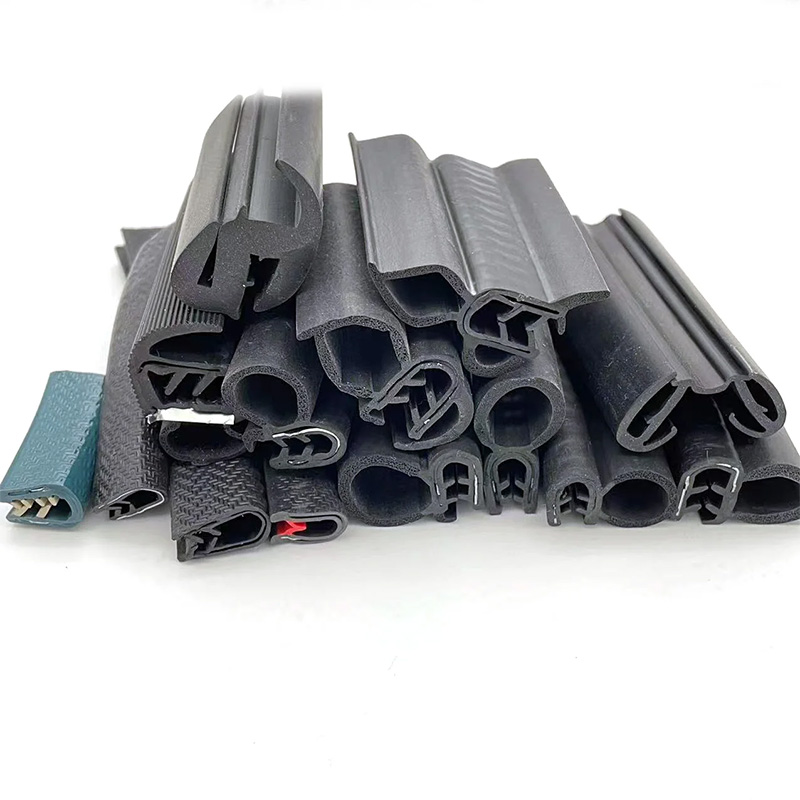
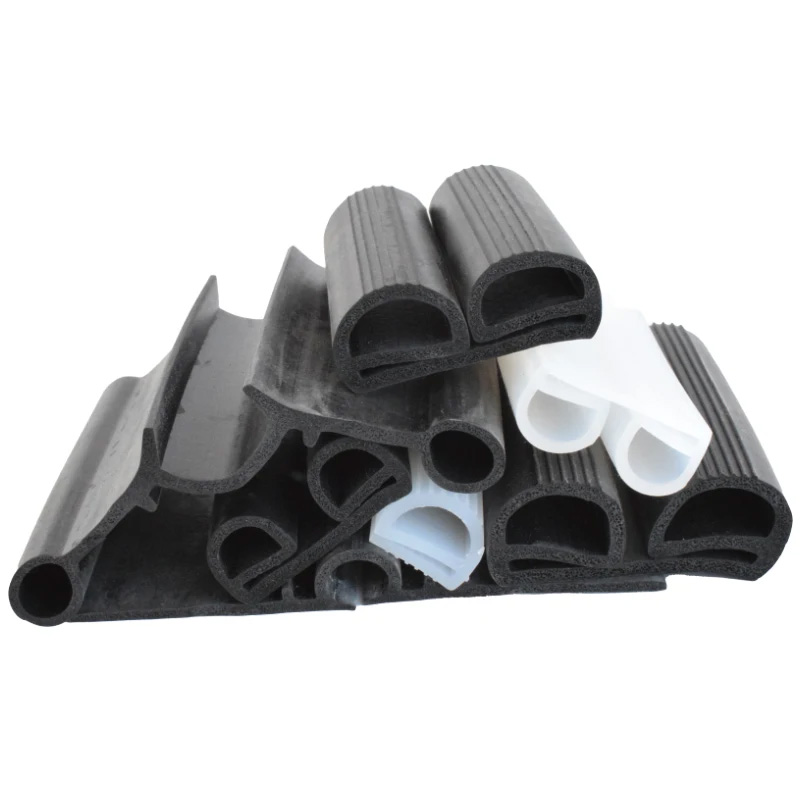
So what exactly is a rubber seal door frame? Simply put, it’s the flexible gasket or strip fitted along the edges of doors or windows, designed to seal gaps and prevent unwanted passage of air, dust, water, sound, and even insects.
In modern industry, these seals are crafted from synthetic rubbers like EPDM (ethylene propylene diene monomer), silicone, or neoprene—materials chosen for their resilience to weather extremes, temperature fluctuations, and chemical exposure. Not just a comfort feature, these seals help meet strict building codes, lower HVAC load, and add to structural integrity.
On a humanitarian note, rubber seal door frames find surprising importance in temporary shelters or modular housing where airtight environments are critical for safety and health during relief efforts.
Takeaway:
The rubber seal door frame is a carefully engineered solution balancing flexibility, strength, and efficiency to serve a surprisingly broad spectrum of needs.
Core Components of Quality Rubber Seal Door Frames
1. Durability
Rubber seals must withstand repeated compression and expansion without cracking or deforming. That means resistance to UV radiation, ozone, temperature swings, and pollution. EPDM, for instance, is famous for lasting over 20 years outdoors without major degradation.
2. Flexibility & Elasticity
The whole point is tight sealing even as door frames warp or move slightly with temperature or settling. This flexibility ensures consistent seals without excess force or damage.
3. Water & Air Tightness
Effective sealing blocks water ingress, prevents drafts, and maintains indoor air quality. This translates into reduced energy bills and a more comfortable environment inside.
4. Easy Installation & Maintenance
Engineers and contractors favor seal designs that snap easily into frames or use self-adhesive backing, speeding installation and reducing rework during building or repairs.
5. Cost Efficiency
While quality seals come at a premium, they pay off through energy savings and longer door life, making them a wise investment in many projects.
| Specification | Details |
|---|---|
| Material | EPDM, Silicone, Neoprene |
| Hardness (Shore A) | 40–70 |
| Temperature Range | -40°C to 120°C (EPDM) |
| Compression Set Resistance | |
| Typical Life Span | 15–25 years (dependent on environment) |
| Installation Type | Self-adhesive / Snap-fit |
Where and How Are Rubber Seal Door Frames Used Around the Globe?
Somewhere, a worker in a cramped industrial zone in Germany presses a rubber seal into a door frame on a massive manufacturing site. On the other side of the planet, modular jackets for emergency shelters include similar seals to keep out insects and rain in cyclone-prone Bangladesh.
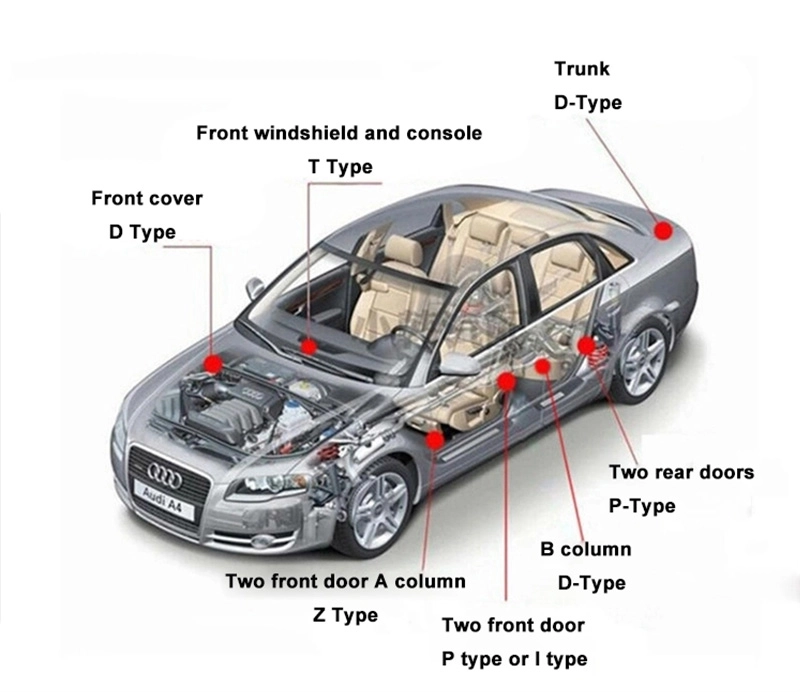
Industries like automotive, construction, aerospace, and shipping all rely on these seals. In cold-climate Scandinavian countries, door seals reduce heating costs drastically. Post-disaster refugee camps incorporate rubber seals in temporary housing kits to protect against dust and small critters.
Even electronic device manufacturers borrow principles from door sealing technologies for waterproof casings.
Takeaway:
The humble seal is a global connector—from household doors to complex industrial machinery and humanitarian aid shelters.
The Clear Benefits: Why Invest in High-Quality Rubber Seal Door Frames?
- Energy Savings: Sealing air leaks reduces heating and cooling costs, lowering utility bills and carbon emissions.
- Increased Safety: Fire-rated or blast-proof seals add another layer of protection for buildings and vehicles.
- Noise Reduction: Thanks to sound dampening, improved seals help reduce urban noise intrusion, boosting occupant comfort.
- Durability & Maintenance: Using resilient material means fewer replacements and less downtime for industrial operations.
- Social Impact: Reliable seals in modular housing uphold dignity and safety in disaster relief zones.
Looking Ahead: Innovations and Trends Shaping Rubber Seal Door Frames
Interestingly, developments in polymer science continue to push the envelope for better-performing seals. New formulations inspired by sustainable sources like bio-based rubbers aim to reduce environmental footprints.
Smart sealing systems with integrated sensors for wear and tear monitoring are emerging, enabling predictive maintenance in transport and industrial sectors. Moreover, automation in installation using robotic arms is gradually reducing human error on high-volume assembly lines.
Living up to the Green Building movement, many manufacturers now certify their rubber seals through ISO’s Environmentally Preferable Products (EPP) standards—an increasingly powerful market differentiator.
Challenges & How to Overcome Them
Of course, not all rubber seal door frames are created equal. Problems like poor adhesion, premature aging, or incompatibility with certain door materials lead to costly repairs or energy inefficiencies.
Many engineers push for rigorous testing protocols based on international standards (ISO 105-A03 for colorfastness, ISO 37 for tensile strength) to select the right seal for the right job. Customized profiles and material blends help overcome tricky environments like chemical plants or extreme climates.
Partnering with seasoned suppliers who understand specific industrial and climate demands reduces the risk of seal failure—and frankly, saves a headache (or several).
| Vendor | Materials | Customization | Price Range (per meter) | Lead Time |
|---|---|---|---|---|
| SealMaster Inc. | EPDM, Silicone | Standard & custom profiles | $5-$8 | 2-3 weeks |
| FlexSeal Co. | Neoprene, EPDM | Custom blends & sizes | $6-$9 | 1-2 weeks |
| EcoSeal Solutions | Bio-based EPDM | Limited custom options | $7-$10 | 3-4 weeks |
FAQ: Common Questions About Rubber Seal Door Frames
Q1: How do I know if my door seal needs replacing?
If you feel drafts, hear outside noise more clearly, or notice visible cracking or detachment in the seal, these are clear signs it’s time for replacement. A regular inspection once a year is a good rule of thumb.
Q2: Are all rubber seals weather-resistant?
Not necessarily. Some seals use natural rubber which can degrade quickly under UV exposure. Materials like EPDM and silicone are favored for their superior weather resistance and longer lifespan outdoors.
Q3: Can rubber seal door frames improve energy efficiency noticeably?
Absolutely. Proper sealing can reduce heating and cooling energy usage by up to 10-15%, depending on the climate and building tightness, making a tangible impact on bills and emissions.
Q4: Is it difficult to install seals myself?
Many modern seals come as self-adhesive strips or snap-fit profiles designed for easy installation. However, larger projects or industrial uses often require professional installation to ensure effectiveness and compliance.
Q5: Where can I source durable, eco-friendly rubber seal door frames?
Suppliers like xtshuoding.com offer a range of eco-certified options tailored to both commercial and residential needs. Always check for certifications like ISO 14001 to ensure environmental compliance.
Wrapping Up: Why Rubber Seal Door Frames Deserve More Attention
In the end, the rubber seal door frame is a small but vital piece of our built world’s puzzle. From slashing energy waste to providing comfort and security, it touches almost every facet of modern life without much fanfare.
Next time you close a door and feel that gentle resistance, remember the engineering, global supply chains, and material science behind that quiet squeeze. It’s worth investing in good sealing technology—not just for savings but for a sustainable, safer future.
Want to explore top-quality rubber seal door frames? Visit xtshuoding.com for more info and expert solutions.
References:
1. International Energy Agency. “Global Energy & CO2 Status Report.” (https://www.iea.org/)
2. United Nations Sustainable Development Goals, Goal 11 — Sustainable Cities and Communities. (https://sdgs.un.org/goals/goal11)
3. ISO Standards for Rubber Testing. (https://www.iso.org/committee/234.html)
Share
-
Eco Friendly Drawstring Jute Bag Guide for Sustainable PackagingNewsApr.16,2026
-
Elegant Wedding Jute Bags for Sustainable and Rustic Event PackagingNewsApr.09,2026
-
Sustainable Jute Bags for Coffee Packaging and Branding SolutionsNewsApr.07,2026
-
Explore the Benefits of Sustainable Saran Jute Bags for Your BusinessNewsApr.04,2026
-
Sustainable Jute Soap Bags Packaging Solutions for Eco Friendly BrandsNewsMar.31,2026
-
Discover the EcoFriendly Charm of Jute Favor Bags for Every OccasionNewsMar.28,2026