Rubber Seal for Door Bottom: Improving Energy Efficiency and Indoor Comfort Worldwide
Understanding the Humble Rubber Seal for Door Bottom and Why It Matters
Rubber seal for door bottom might sound like a minor detail, but don’t be fooled — this simple component plays a surprisingly big role in many industries worldwide. From improving energy efficiency in residential and commercial buildings to protecting interiors from dust, pests, and water damage, its benefits ripple far beyond the surface.
In a world increasingly concerned about sustainability, energy costs, and indoor air quality, knowing how these seals work and why they matter is more important than ever. Odds are, if you've ever been annoyed by drafts sneaking under doors, you’ve experienced the impact of a missing or faulty door bottom seal firsthand.
Mini takeaway: A rubber door bottom seal isn’t just a rubber strip — it’s a frontline defender against energy waste, discomfort, and structural damage.
The Global Context: Why Everyone Needs a Reliable Door Bottom Seal
Globally, buildings account for roughly 40% of total energy consumption according to the International Energy Agency (IEA). Yet, a significant portion of this energy is lost through small leaks and gaps, including those under doors. Especially in extreme climates, even a small gap can translate into serious heating or cooling expenses.
Organizations like the United Nations Environment Programme (UNEP) emphasize energy efficiency as a key pillar in minimizing carbon footprints. Installing high-quality rubber seals for door bottoms is a straightforward and cost-effective measure to support these efforts.
But here’s the kicker: many developing regions face challenges with weatherproofing and insulation, leading to health risks related to dampness, mold, or pest infestations indoors. A rubber seal for door bottom isn’t just saving dollars; it’s enhancing quality of life at a foundational level.
Mini takeaway: From global energy targets to local health impacts, this small rubber solution touches wide-ranging goals.
What Exactly Is a Rubber Seal for Door Bottom?
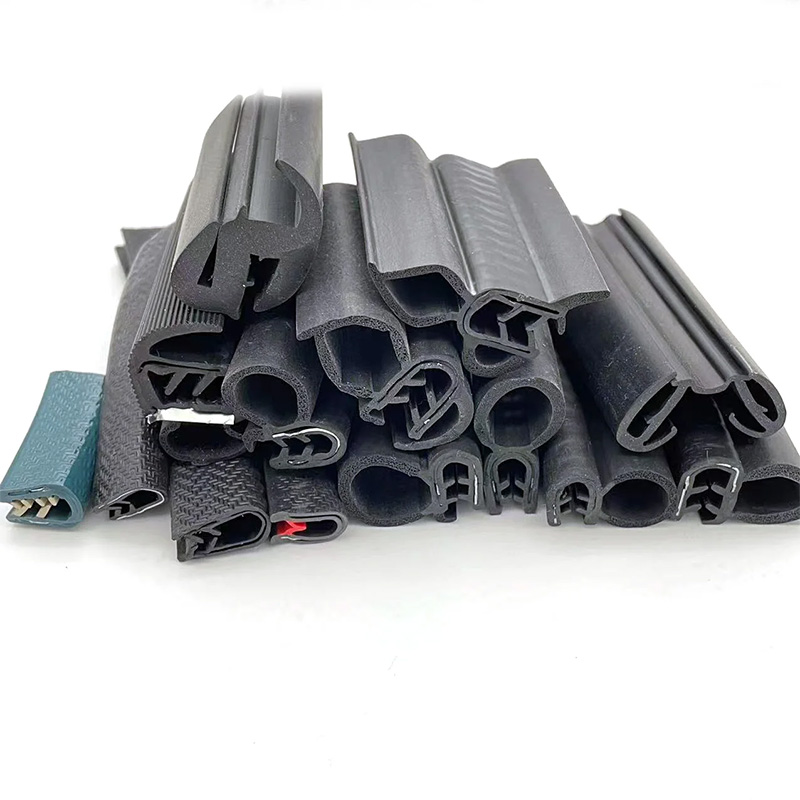
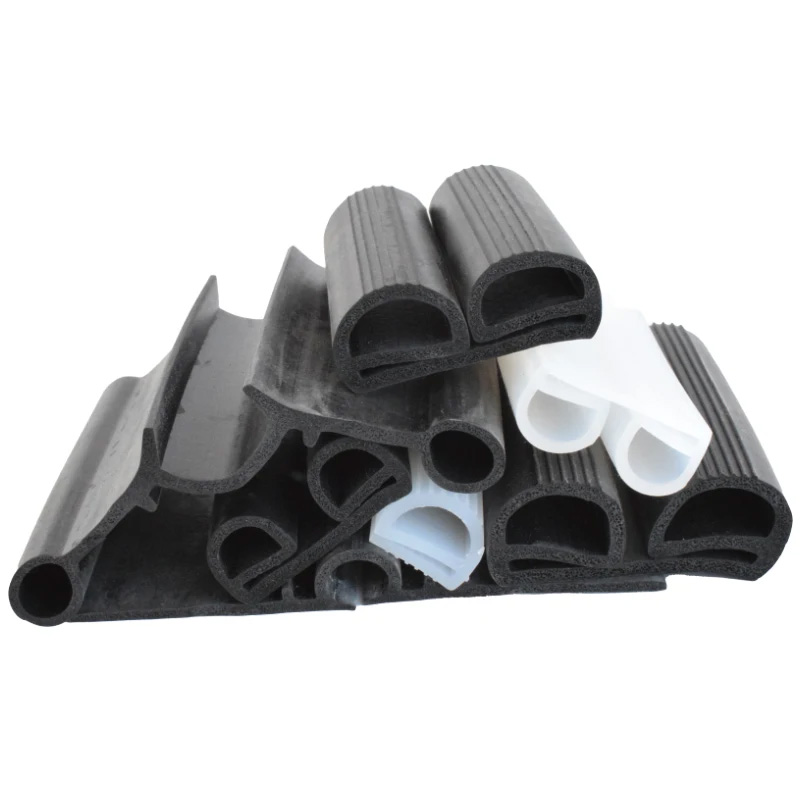
Put simply, a rubber seal for door bottom is a strip or gasket made from flexible rubber material that attaches to the base of doors. Its purpose is to close gaps between the door and the floor, easing doors’ everyday challenges with drafts, dust, noise, and water ingress.
More technically, it’s part of a building’s weatherstripping system — designed primarily to enhance insulation and indoor comfort. In humanitarian and industrial contexts, these seals are often vital for creating controlled environments, such as medical tents or remote work camps.
Rubber seal for door bottom products vary widely by material composition, shape, and anchoring methods, but rubber's durability and flexibility often make it the material of choice.
Core Features That Define a Quality Door Bottom Seal
Durability
These seals endure constant mechanical contact — doors swinging, scraping floors, repeated compression. Rubber compounds designed for longevity resist cracking, tearing, or losing elasticity for years, even in harsh weather.
Flexibility and Adaptability
Good seals flex to conform perfectly to floors of slightly varying surface profiles. This means no awkward gaps remain and the seal provides continuous protection, not just a partial buffer.
Ease of Installation
Whether prototypes or mass-produced, installing these rubber seals quickly and with minimal tools is a priority — saving contractors and homeowners time, frustration, and cost.
Cost Efficiency
Since these are consumables that may see replacement every few years, cost matters. Optimizing rubber formulations and manufacturing ensures the seal balances upfront price with lifecycle performance.
Resistance to Environmental Factors
UV rays, temperature extremes, moisture, and chemicals can degrade inferior materials. The best rubber door seals maintain performance over fluctuating and challenging conditions.
Global Use Cases: Where and How Rubber Door Bottom Seals Shine
You’ll find rubber door bottom seals in virtually every inhabited corner of the planet, but their importance is especially pronounced in certain contexts:
- Commercial & Residential Buildings: Improving HVAC efficiency, soundproofing offices, and weatherproofing homes.
- Healthcare Facilities: Ensuring sterile environments by restricting dust and microbes.
- Post-Disaster Relief: Temporary shelters rely on quick-to-install, durable seals to protect occupants from unpredictable weather.
- Industrial Zones: Protecting sensitive machinery rooms from contamination and moisture.
In remote industrial sites, like mining camps in Australia or oil facilities in North America, maintaining stable interior environments can mean fewer equipment failures and healthier workers.
Mini takeaway: This simple rubber component is a global workhorse crossing industries and climates alike.
How a Rubber Seal for Door Bottom Makes a Difference: Benefits That Stick
- Significant Energy Savings: By eliminating drafts, heating and cooling systems can operate more efficiently, cutting utility bills.
- Longevity and Reliability: High-quality rubber seals maintain functional integrity for years with minimal maintenance.
- Improved Comfort: Less noise, fewer dust intrusions, and better temperature control contribute to occupant wellbeing.
- Environmental Impact: Reduced energy wastage means lower carbon footprints — a win for sustainability.
- Cost-Effective Maintenance: These seals typically save far more in energy and repairs than their purchase and installation cost.
On a human level, sealing the gap under a door means safety, dignity, and peace of mind — things that often go underappreciated until you’re dealing with a drafty old doorway.
Product Specifications: A Closer Look at Typical Rubber Seal for Door Bottom
| Feature | Specification | Typical Value |
|---|---|---|
| Material Composition | EPDM Rubber | Ethylene Propylene Diene Monomer |
| Temperature Resistance | -40°C to +120°C | Suitable for all climates |
| Hardness (Shore A) | 40-60 | Ideal balance of flexibility and strength |
| Length | Varies by door size | From 0.9m to 2.2m standard |
| Attachment Type | Screw fixing / Self-adhesive | Easy installation options |
| Water Resistance | IP65 or better | Keeps moisture out effectively |
Vendor Comparison: Choosing the Right Rubber Seal Supplier
| Vendor | Material Quality | Price Range | Customization Options | Delivery Speed |
|---|---|---|---|---|
| XT Shuoding | Premium EPDM & Silicone | Mid-range | Length, hardness, colors | 2-3 weeks worldwide |
| Global SealCo | Standard EPDM | Budget | Limited | 1-2 weeks in EU only |
| DoorSeal Masters | High-performance Silicone | Premium | Extensive custom shapes | 3-4 weeks worldwide |
Innovations Shaping the Future of Door Bottom Seals
There’s ongoing research into new materials such as bio-based rubbers and composites that boast enhanced sustainability without compromising performance. Smart seals embedded with sensors to detect wear or air leaks might sound futuristic, but many industry insiders expect them to become standard in commercial and security-sensitive facilities.
Advances in automation and precision manufacturing mean that customizing rubber seals to exact door specifications is faster and more affordable than ever — a boon for architects and builders chasing net-zero buildings.
Common Challenges and How Experts Tackle Them
One core difficulty is ensuring a perfect seal despite uneven flooring or warped doors. Engineers address this by designing flexible profiles and multi-layer seals that compress differently depending on pressure points. Also, selecting the precise rubber type for environmental conditions — say coastal salt spray versus arid desert heat — is crucial.
Another headache is installation errors, which can render even premium seals useless. Better education for installers and easy-fit designs with self-adhesive backing have helped improve successful deployments.
FAQ: Practical Questions About Rubber Seal for Door Bottom
Q1: How often should I replace the rubber seal under my door?
A: Typically, high-quality rubber door seals last 5 to 7 years under normal usage. Signs you need replacement include visible cracks, loss of elasticity, or drafts. Regular inspection every 1-2 years helps catch deterioration early.
Q2: Can rubber seals for door bottoms improve soundproofing?
A: Yes, sealing the gap at the bottom of doors reduces noise infiltration substantially by blocking air gaps that sound travels through. While not a total soundproofing solution themselves, they complement other materials.
Q3: Are all rubber seals the same, or should I pick a specific type for weather resistance?
A: Not all rubbers are created equal. EPDM rubber is excellent for UV and weather resistance, making it suitable for outdoor doors. Silicone rubber, meanwhile, can handle extreme temperatures. It's best to choose based on your climate zone and door usage.
Q4: Is installing a rubber door bottom seal complicated?
A: Most modern seals come with either self-adhesive backing or simple screw fixings making installation straightforward. However, measuring carefully and ensuring surface cleanliness are key steps.
Q5: Where can I buy customizable rubber seals for unusual door sizes?
A: Leading vendors like XT Shuoding offer tailored lengths, hardness options, and colors to meet unique architectural needs, typically delivered with short lead times.
Wrapping It Up: Why Small Details Like Rubber Door Seals Make a Big Difference
At the end of the day, the humble rubber seal for door bottom quietly guards comfort, safety, and energy efficiency. It's one of those unsung heroes that keep us warmer, quieter, and healthier indoors without demanding much attention.
If you’re thinking about ways to improve a building’s lifespan and reduce energy bills — whether for your home or a large project — exploring quality door seals is a smart starting point. Trust me, your HVAC system will thank you.
For reliable products and tailored solutions, don’t hesitate to visit XT Shuoding's website and discover how these little seals can create big impacts.
References
Share
-
Eco Friendly Drawstring Jute Bag Guide for Sustainable PackagingNewsApr.16,2026
-
Elegant Wedding Jute Bags for Sustainable and Rustic Event PackagingNewsApr.09,2026
-
Sustainable Jute Bags for Coffee Packaging and Branding SolutionsNewsApr.07,2026
-
Explore the Benefits of Sustainable Saran Jute Bags for Your BusinessNewsApr.04,2026
-
Sustainable Jute Soap Bags Packaging Solutions for Eco Friendly BrandsNewsMar.31,2026
-
Discover the EcoFriendly Charm of Jute Favor Bags for Every OccasionNewsMar.28,2026