Durable, Energy-Saving Rubber Seal Strips for Doors | Industry-Grade Solutions
Why Rubber Seal Strips for Doors Matter Globally: A Quick Overview
At first glance, a rubber seal strip for doors might seem like a small, mundane item—just a strip of flexible rubber keeping drafts or noise out. But these modest components play a surprisingly huge role worldwide, from protecting homes and vehicles against weather elements to improving energy efficiency and even safeguarding critical infrastructure. Their relevance cuts across industries and regions, especially as sustainability and safety have become pressing concerns globally.
Understanding rubber seal strips unlocks a real appreciation for how simple engineering solutions impact comfort, environmental responsibility, and operational reliability. And honestly, once you start noticing these little strips in your daily life, you realize they’re everywhere, quietly doing heavy lifting.
The Big Picture: Why Rubber Door Seal Strips Are In Demand Across the Globe
The global population and urban expansion are increasing rapidly. According to the UN, over 56% of people live in urban areas today—projected to reach 68% by 2050. This growth drives demand for housing, transportation, and industrial facilities. In every one of these spheres, door seals are vital.
Beyond that, energy conservation goals (which industries and governments worldwide adopt increasingly) hinge on reducing losses, like air leakage. Rubber seal strips excel here, offering airtight solutions that reduce HVAC load and cut energy bills.
But it's not just energy. We face challenges like climate change, where storm-resilient housing is critical, and sound pollution, which affects millions. Rubber seal strips address all these issues simultaneously — an elegant, affordable fix to complex problems.
What Exactly Is a Rubber Seal Strip for Doors?
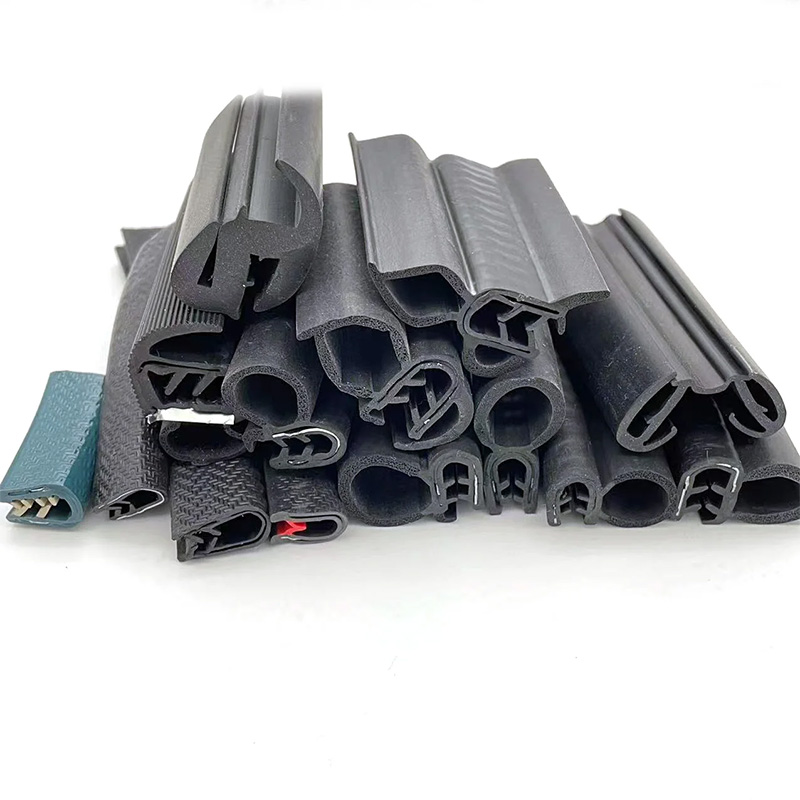
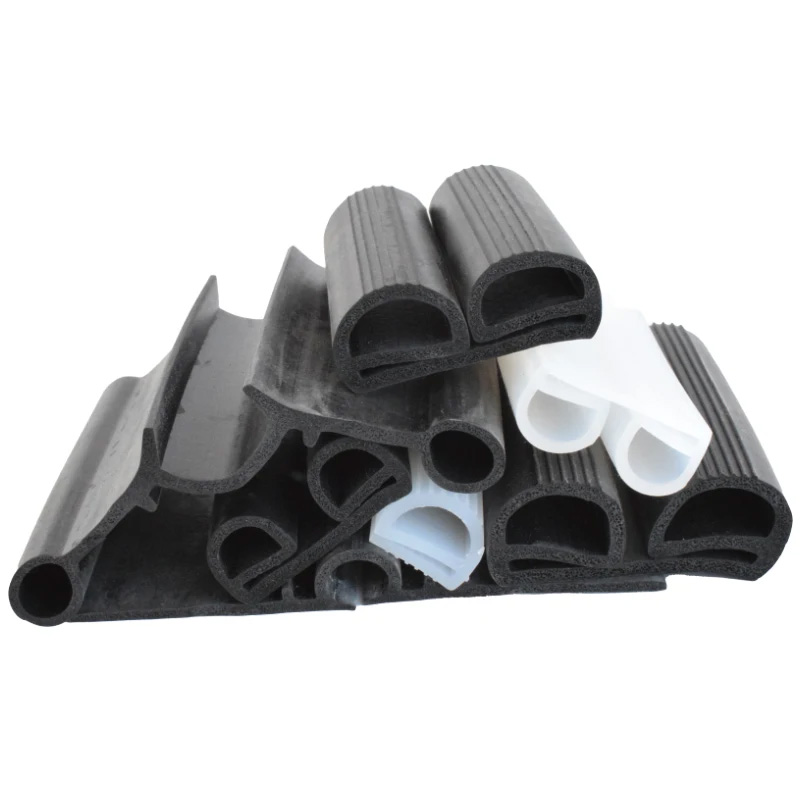
At its core, it's a flexible, usually extruded rubber component attached along door edges to close gaps and form a tight seal when the door closes. This prevents air drafts, water leaks, dust, insects, and even noise from passing through—basically turning an open doorway into a reliable barrier.
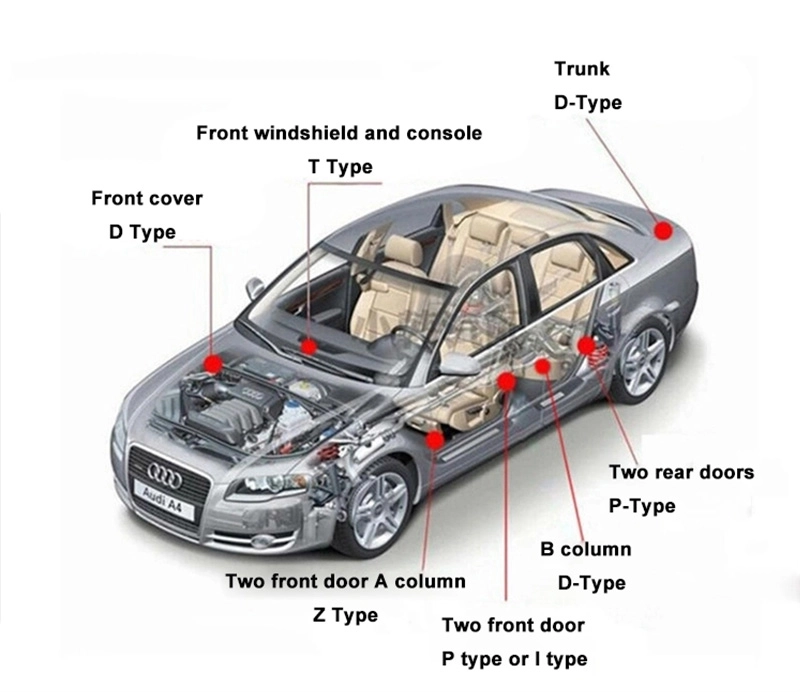
Modern industry relies on these strips not just in homes but also in automotive manufacturing, refrigeration units, clean rooms, and rapid-deployment shelters used in humanitarian crises. The connection to humanitarian needs might surprise you, but creating safe, insulated spaces in emergencies often depends on these tiny components.
Key Features That Make Rubber Seal Strips Essential
Durability
Quality rubber seal strips resist abrasion, UV rays, ozone exposure, and temperature variation — vital if they’re clamped to doors exposed to harsh weather or industrial environments. Without durability, these strips would degrade fast and lose sealing effectiveness.
Flexibility & Compression
Since no door fits perfectly flush always, these seals must flex and compress to fill uneven gaps tightly but also rebound to their original shape repeatedly without damage. Great seal strips offer pliability that keeps performance consistent over thousands of door cycles.
Material Composition
Most strips use EPDM rubber, silicone, or PVC blends — each having pros and cons regarding temperature tolerance, chemical resistance, or hardness. Choosing the right material depends on the application: automotive doors demand different specs than, say, refrigerated warehouse doors.
Installation & Compatibility
Performance can tank if the right seal style isn’t matched with door frame profiles — and if installation lacks precision. Many designs come with built-in adhesive backing or mechanical clips, making retrofits and new builds easier.
Cost Efficiency
Some owners balk thinking these strips are trivial costs. But when factoring in energy savings, reduced maintenance, and longer asset life, investing upfront really pays off—especially for large-scale projects or fleet vehicles.
Global Uses: Real-Life Applications of Rubber Seal Strips for Doors
Picture this: in Japan, where typhoons are frequent, resilient door seal strips prevent water ingress that could otherwise cause severe damage. In Scandinavian countries with brutal winters, they’re crucial in keeping homes warm and energy bills manageable.
Industries use these seals on cold storage units worldwide to maintain strict temperature controls, preventing spoilage and waste. On a different note, NGOs working in disaster zones deploy temporary shelters with pre-fitted door seals to keep out dust and insects—critical for health and comfort.
Transportation companies install these strips on buses and trains to reduce noise pollution inside cabins, enhancing passenger comfort on long hauls. Even in remote mining operations located in Africa and Australia, rubber door seals protect sensitive equipment housed within metal enclosures from dust and moisture.
Specifications: A Typical Rubber Seal Strip at a Glance
| Specification | Details |
|---|---|
| Material | EPDM rubber (ethylene propylene diene monomer) |
| Temperature Range | -40°C to +120°C |
| Length | Typically 10m rolls (custom lengths available) |
| Hardness (Shore A) | 40-60 (medium soft) |
| Attachment Method | Self-adhesive tape or clip-in profile |
| UV Resistance | High UV and ozone resistance |
Advantages & Long-Term Value: More than Just a Seal
- Energy Savings: By blocking air leaks, these strips significantly reduce heating and cooling costs, which means greener buildings and lower utility bills.
- Enhanced Comfort: Reduced noise and dust infiltration transform living and working spaces into healthier, quieter environments.
- Environmental Impact: Longer lasting seals reduce waste and improve sustainability—EPDM rubber can often be recycled, too.
- Safety: Good seals keep out rainwater that might cause slippery floors or structural damage, protecting lives and property.
- Cost Efficiency: Minimal maintenance and infrequent replacement mean a strong ROI over the product’s lifespan, especially in commercial contexts.
Innovations & Future Trends in Rubber Door Seal Technology
Here’s where it gets exciting: newer formulations of silicone and bio-based rubbers are making seals more eco-friendly and longer-lasting. Some manufacturers are integrating smart materials that respond to temperature or pressure changes by adjusting their seal tightness automatically—dynamic sealing, if you will.
We’re also seeing greater digitalization, with RFID tagging for quality control and installation analytics becoming standard in bigger projects. Plus, 3D printing is starting to allow bespoke seals for irregular door shapes, cutting lead times and waste.
Challenges & How Experts Are Solving Them
Despite all these positives, there are hiccups. For instance, harsh chemical exposure in certain industries can degrade typical rubber strips faster than expected. Installation errors also compromise performance. Engineers nowadays recommend thorough site assessments and specialized coatings to boost chemical resistance.
Another challenge is balancing softness and firmness; too soft, and seals wear out quickly, too hard, and they don’t compress properly. Some advances include hybrid materials that adapt their characteristics based on use—clever stuff.
Vendor Comparison: Choosing the Right Supplier
| Vendor | Region | Material Options | Customization | Typical Lead Time |
|---|---|---|---|---|
| Sealed Solutions Ltd. | Europe | EPDM, Silicone | Standard & Custom Profiles | 4-6 weeks |
| RubberPro Industries | North America | EPDM, PVC | Custom Extrusions Only | 6-8 weeks |
| XTS Huoding | Asia | EPDM, Silicone, TPE | Extensive Customization & Fast Samples | 2-4 weeks |
Frequently Asked Questions About Rubber Seal Strips for Doors
Q1: How long do rubber seal strips typically last on exterior doors?
A1: With proper material choice and installation, rubber seal strips can last between 5 to 10 years. Harsh environments may shorten lifespan, but routine inspections and timely replacements help maintain performance.
Q2: Can I install a rubber seal strip myself, or should I hire a professional?
A2: Many rubber seal strips come with self-adhesive backing for DIY installation. However, for complex doors or industrial applications, professional installation ensures correct fit and maximized sealing.
Q3: Are rubber seal strips recyclable or environmentally friendly?
A3: EPDM and silicone rubbers can be recycled in specialized facilities. Recent trends are pushing bio-based and sustainable materials to reduce environmental impact further.
Q4: How do I know what type of seal strip fits my door best?
A4: It depends on door material, use case, and climate. Consulting suppliers with door specs or measurements helps select the right hardness, profile, and attachment method.
Q5: Will sealing my doors with these strips significantly reduce my energy bills?
A5: Yes, reducing drafts and leakage can cut heating and cooling costs by up to 10-20%, depending on the building and climate zone. It's a simple upgrade with surprisingly strong returns.
Wrapping It Up: Why Investing in Rubber Seal Strips Makes Sense
To sum it all up: rubber seal strips for doors are unsung heroes of comfort, sustainability, and safety. They keep us warm, dry, and quiet while helping reduce our environmental footprint. Whether you're outfitting industrial sites, residential homes, or emergency shelters, these little strips make a massive difference.
If you’re ready to explore rubber seal strip for doors options tailored to your needs, trust vendors like XTS Huoding for quality, customization, and speed. Often, the smallest components make the biggest impact—kind of the story of engineering all over, right?
Share
-
Eco Friendly Drawstring Jute Bag Guide for Sustainable PackagingNewsApr.16,2026
-
Elegant Wedding Jute Bags for Sustainable and Rustic Event PackagingNewsApr.09,2026
-
Sustainable Jute Bags for Coffee Packaging and Branding SolutionsNewsApr.07,2026
-
Explore the Benefits of Sustainable Saran Jute Bags for Your BusinessNewsApr.04,2026
-
Sustainable Jute Soap Bags Packaging Solutions for Eco Friendly BrandsNewsMar.31,2026
-
Discover the EcoFriendly Charm of Jute Favor Bags for Every OccasionNewsMar.28,2026