Essential Guide to Rubber Seal for Door Threshold – Durability, Benefits & Trends
The Unseen Guardian: Why the Rubber Seal for Door Threshold Matters Globally
When you think about your front door, you might picture the lock, the handle, or even the paint color. But have you ever given a thought to the rubber seal for the door threshold? This modest strip of rubber quietly guards homes and buildings worldwide against water, dust, noise, and air leaks. In a world increasingly focused on sustainability, energy efficiency, and resilience, understanding these seals isn’t just for contractors — it’s surprisingly global and vital.
Gaps under doors might seem trivial, but across millions of buildings, every leak adds up to significant energy loss and discomfort. Globally, inefficient sealing of door thresholds wastes roughly 15–25% of heating and cooling energy, according to various International Energy Agency reports. That’s money down the drain and excess environmental impact — the kind we can’t just ignore. So, rubber seals for door thresholds are a quiet weapon in energy conservation and building longevity.
Global Context: Why We Need Better Door Sealing Now More Than Ever
Exploring data from ISO 9001 standards and UN Habitat reports, you’ll find a common thread: the construction industry must embrace better building practices to reduce emissions and increase durability. In colder climates like Scandinavia or Canada, a poorly sealed door threshold lets in freezing gusts. In tropical or dusty regions — say parts of Africa or India — dirt, insects, or heavy rain enter relentlessly, compromising health and comfort.
Oddly enough, many buildings built decades ago lack effective threshold sealing. As retrofit activities surge, choosing the right rubber seal is not merely about keeping out drafts, but about upgrading resilience against climate volatility. Firefighters, emergency responders, or humanitarian agencies working in disaster zones rely on properly sealed temporary shelters to protect people from the elements — and that’s where quality rubber seals come into play too.
So, What Exactly Is a Rubber Seal for Door Threshold?
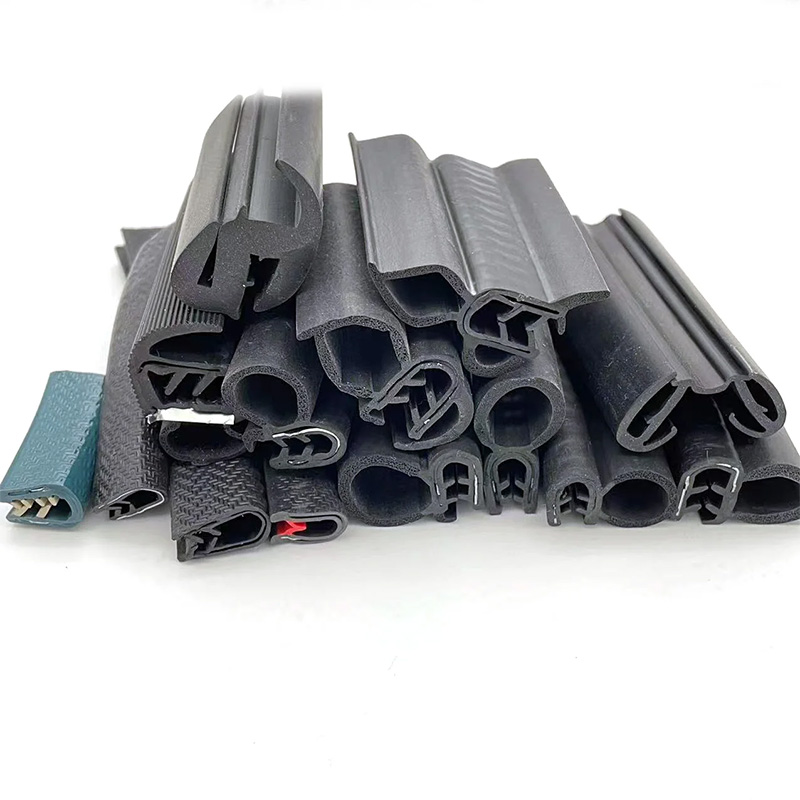
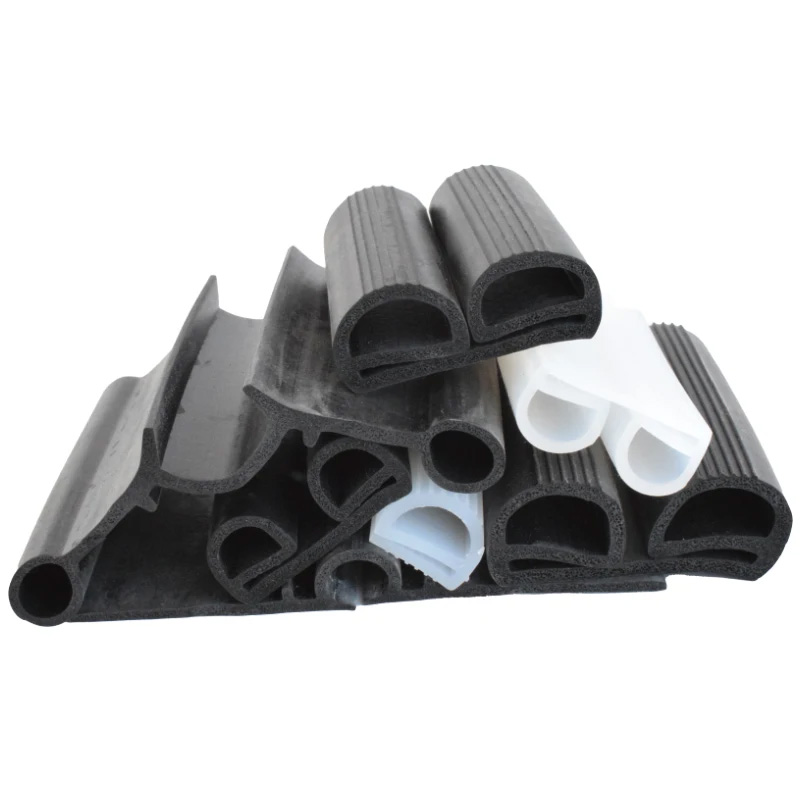
In its simplest form, a rubber seal for door threshold is a flexible strip, often made of synthetic rubber compounds like EPDM (ethylene propylene diene monomer), designed to close gaps at the bottom of doors.
- It acts like a smart barricade against air, water, dust, and noise.
- It cushions impact and reduces wear on wooden or metal components.
- It’s a critical part of modern building envelopes and industrial doors alike.
Given the push for “green buildings” and sustainable infrastructure worldwide, such seals are now part of compliance in many building codes and energy standards.
Key Features That Make a Rubber Seal Work
Durability: Weathering Every Storm
The seal must withstand UV rays, temperature swings, and moisture for years. EPDM, silicone, and neoprene variants all bring different strengths here. Many engineers say a well-chosen seal delays costly maintenance and replacement by a decade or more.
Flexibility & Compression
To keep the seal effective, it needs just the right “give.” Too stiff, and it won’t close gaps properly; too soft, and it breaks down quickly. Manufacturers tweak durometer hardness to balance long-term compression without cracking.
Ease of Installation
While it sounds minor, a rubber seal that’s easy to retrofit reduces labor costs and project downtime. Snap-in designs or adhesive-backed seals are popular, especially in industrial settings where speed matters.
Resistance to Chemicals and Abrasion
In commercial or industrial applications — like warehouses or laboratories — seals face oils, solvents, or crude dust. For them, chemical resistance is not optional. Certain grades of EPDM and silicone excel here.
Cost Efficiency
Seals come in a range of price points. The best choice balances upfront cost with lifespan and performance. Companies that ignore this often pay more in creative workarounds or energy waste.
Mini takeaway: The right rubber seal isn’t a one-size-fits-all. Durability, flexibility, installation, and resistance define its usefulness in real-world conditions.
Real-World Uses: From Scandinavian Homes to Emergency Shelters
Let’s walk through how the rubber seal finds its way to different doors around the world:
- Residential Buildings: In colder European countries, seals stop icy drafts and reduce energy bills by up to 20%.
- Industrial Warehouses: Seals keep dust, pests, and climate-controlled air inside – vital for food storage or electronics.
- Humanitarian Shelters: Temporary dwellings used by UN agencies or NGOs often rely on these seals to maintain safe, livable conditions despite makeshift construction.
- Commercial Spaces: Hotels, schools, and hospitals leverage door threshold seals to ensure quieter environments and save on HVAC costs.
For example, during hurricane recovery efforts in the US Southeast, affected families benefit from quick-to-install rubber seals that keep out moisture and pests, enhancing safety and dignity even in temporary housing.
Product Specification Table: Typical Rubber Seal for Door Threshold
| Specification | Details |
|---|---|
| Material | EPDM Rubber (black), Silicone (optional) |
| Dimensions | Width: 30mm; Thickness: 5mm–12mm; Length: customizable |
| Temperature Range | -40°C to 120°C (depending on material) |
| Compression Set | ≤ 25% after 70 hours at 70°C |
| Installation | Adhesive-backed, screw-mount, or snap-in options |
| Lifespan | 5–10 years under typical conditions |
Vendor Comparison: Choosing the Right Rubber Seal Supplier
| Attribute | Vendor A | Vendor B | Vendor C |
|---|---|---|---|
| Material Quality | EPDM Grade A | Silicone Premium | EPDM Economy |
| Customization Options | Widths, lengths, profiles | Profiles only | Standard sizes only |
| Installation Methods | Adhesive & mechanical | Snap-in only | Adhesive only |
| Price per meter | $3.50 | $5.75 | $2.25 |
| Lead Time | 2 weeks | 3 weeks | 1 week |
Why Investing in a Quality Threshold Seal Pays Off Over the Years
There’s a reason that many builders and facility managers swear by top-quality rubber seals: it’s about trust. When you have that snug barrier at the door’s base, you instantly notice less noise, fewer drafts, and less worry about rainwater creeping inside. This translates to tangible financial savings on energy bills and repairs — not to mention emotional satisfaction from a safe, comfortable place to live or work.
Environmentally, seals reduce carbon footprints by sealing up energy leaks. This aligns with the Paris Agreement goals of lowering global emissions.
Socially, better doors reduce the chance for mold, pests, or dust-related illnesses indoors — crucial for schools and hospitals. These benefits compound over time, making the seal a small component with outsized impact.
Looking Ahead: Innovations on the Rubber Seal Horizon
There’s a growing buzz around bio-based rubbers — derived from natural materials but processed for durability — that might replace conventional synthetic rubber within five years. These promise better biodegradability without sacrificing performance. Smart seals with embedded sensors to detect damage or leaks are another frontier. Imagine a door seal that tells your building management system when it’s failing or letting through drafts.
Meanwhile, governments and building codes increasingly mandate tighter air seals as part of green building certifications like LEED and BREEAM, pushing manufacturers and builders toward higher standards. Oddly enough, this surge parallels trends in automation and “smart homes,” which rely on airtight shells to optimize HVAC systems.
Challenges in Deploying Rubber Seals and How Experts Overcome Them
One common struggle is “wrong seal for the wrong door” — misapplied thickness, rigidity, or adhesive type leading to early failure. Another is installation errors like uneven fitting or surface contamination reducing adhesion.
As solutions, industry leaders recommend:
- Detailed door and environment assessment before seal selection.
- Standardized installation training for technicians.
- The use of high-quality primers and cleansers before application.
- Regular maintenance checks to catch wear early.
FAQ: What You Need to Know About Rubber Seal for Door Threshold
Q1: How do I know if my door threshold seal needs replacing?
A1: Look for visible cracks, gaps when the door closes, drafts, or increased noise. If energy bills rise suddenly without other causes, aging seals might be responsible. Usually, seals last 5–10 years depending on material and exposure.
Q2: Can I install a rubber seal for a door threshold without professional help?
A2: Many seals come with adhesive backing or snap-in designs intended for easy DIY installation. However, for large commercial doors or to guarantee airtightness, professional installation ensures optimal performance.
Q3: Are rubber seals for door thresholds eco-friendly?
A3: Traditionally, synthetic rubber has environmental drawbacks due to petrochemical origins. But newer bio-based and recyclable options are emerging, offering greener choices. Look for suppliers who disclose material sourcing and sustainability certifications.
Q4: Can rubber seals protect against insects or rodents?
A4: Yes, properly fitted seals significantly reduce entry points for pests. In places with rodent issues, tougher compounds combined with door sweep accessories provide extra protection.
Q5: Is it possible to customize rubber seals for non-standard door sizes?
A5: Absolutely. Many suppliers offer custom lengths, widths, and profiles. This is especially useful for industrial or heritage buildings that don't conform to modern dimensions.
Final Thoughts: The Small Seal That Makes a Big Difference
At first glance, a rubber seal for door threshold might seem like an afterthought. But if you stop and consider the ripple effects — saving energy, preventing damage, enhancing comfort, and aligning with global sustainability goals — it becomes a quiet champion of better building. Whether in a humble home or a high-tech facility, these seals help lock in efficiency and peace of mind.
Ready to upgrade your door thresholds with trusted products? Visit our website: rubber seal for door threshold and discover options built to last.
References
Share
-
Eco Friendly Drawstring Jute Bag Guide for Sustainable PackagingNewsApr.16,2026
-
Elegant Wedding Jute Bags for Sustainable and Rustic Event PackagingNewsApr.09,2026
-
Sustainable Jute Bags for Coffee Packaging and Branding SolutionsNewsApr.07,2026
-
Explore the Benefits of Sustainable Saran Jute Bags for Your BusinessNewsApr.04,2026
-
Sustainable Jute Soap Bags Packaging Solutions for Eco Friendly BrandsNewsMar.31,2026
-
Discover the EcoFriendly Charm of Jute Favor Bags for Every OccasionNewsMar.28,2026