Comprehensive Guide to Double Rubber Door Seals: Benefits and Global Applications
Understanding the Double Rubber Door Seal: A Small Component with a Global Impact
If you’ve ever wondered how certain buildings, vehicles, or containers manage to keep out drafts, moisture, and dust so effectively, the humble double rubber door seal often plays a starring role. While it sounds like a simple product—just a piece of rubber attached to a door—it actually holds immense importance across many industries worldwide. From enhancing energy efficiency in cold-storage warehouses to preserving humanitarian aid supplies in harsh climates, understanding the double rubber door seal is more critical than you might think. This article explores its benefits, challenges, and future innovations on a global scale.
The Global Relevance of Double Rubber Door Seals
Globally, buildings and transport units consume roughly 40% of total energy, according to the International Energy Agency (IEA). A significant chunk of this energy loss is due to poor sealing around doors and windows. Enter the double rubber door seal, a guard against heat loss, water intrusion, and air contamination. In fact, ISO standards for airtightness in insulated enclosures have increasingly noted the role of advanced sealing materials in reducing HVAC loads and greenhouse emissions.
Moreover, humanitarian organizations like the United Nations Humanitarian Air Service (UNHAS) rely on double rubber door seals in shipping containers to maintain life-saving supplies in extreme conditions. In cold regions, it’s indispensable to keep critical goods and equipment safe and operational.
Mini Takeaway:
- Double rubber door seals contribute globally to energy savings and supply chain integrity.
- They serve as key components in both industrial and humanitarian applications.
What Exactly Is a Double Rubber Door Seal?
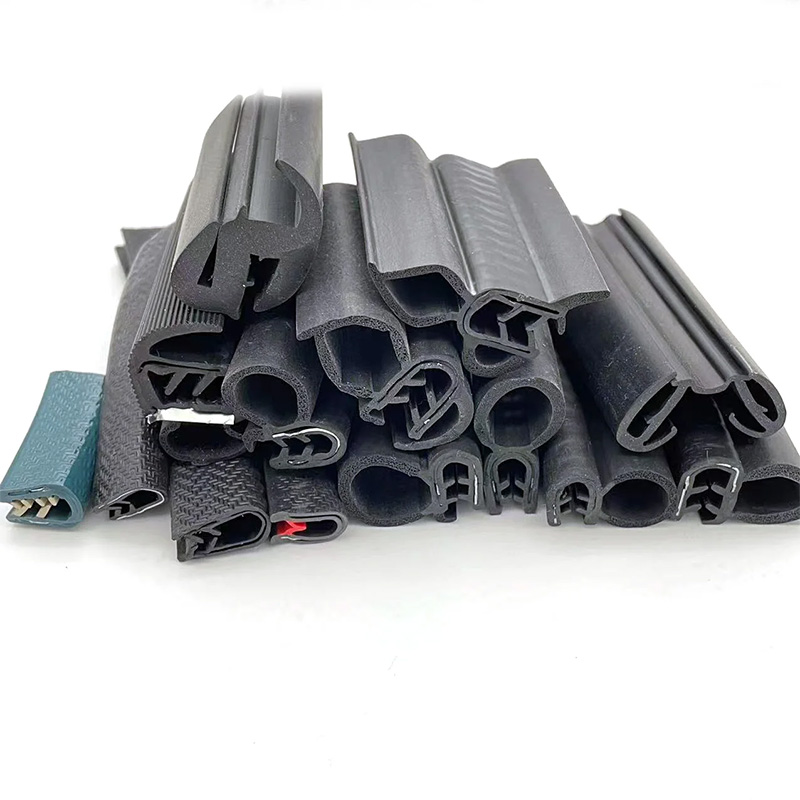
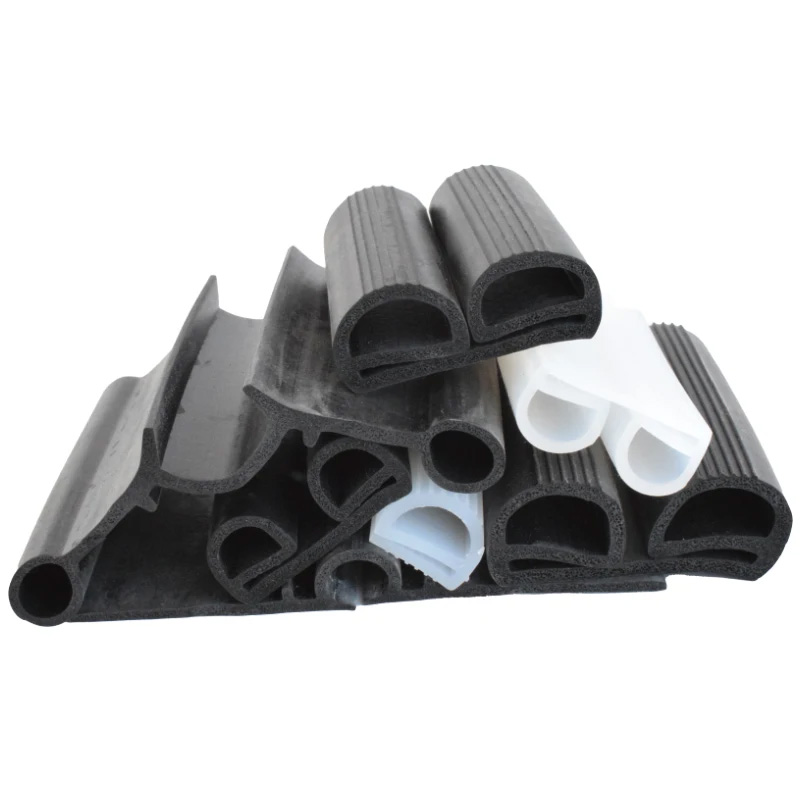
In the simplest terms, a double rubber door seal is a flexible sealing system that consists of two layers of rubber strips designed to fit snugly into door frames or around door edges. The 'double' aspect refers to its dual sealing lip design, which significantly improves air-tightness compared to a single seal.
The rubber used is typically synthetic—like EPDM or silicone—that resists weathering, UV radiation, and temperature extremes. These seals act as barriers, preventing unwanted air, moisture, dust, and even insects from passing through door gaps.
In practical applications, you’ll find them in refrigeration units, warehouses, transportation containers, and high-security buildings—pretty much anywhere door integrity counts.
Mini Takeaway:
- Double rubber seals feature two rubber lips creating superior airtight and watertight performance.
- They’re custom-designed for harsh environments requiring durability over time.
Core Components and Key Factors of Double Rubber Door Seals
1. Durability
These seals are designed to withstand mechanical wear, extreme temperatures (sometimes from -50°C up to 150°C), and chemicals. Long service life means less frequent replacements, saving downtime and maintenance costs.
2. Flexibility and Fit
The double layers allow for a better fit on uneven door frames and adjust to slight deformations or expansions in structure without losing sealing capability.
3. Material Quality
High-quality EPDM is often the material of choice because of its resistance to ozone and UV rays, essential for outdoor use where weather variation hits hard.
4. Installation Ease
Many modern double rubber seals come with adhesive backing or snap-in designs, which reduce labor time during installation but still ensure a tight seal.
5. Cost Efficiency
While upfront costs may be slightly higher than simpler seals, the reduction in energy loss and maintenance results in significant long-term savings.
Product Specification Snapshot
| Specification | Detail |
|---|---|
| Material | EPDM/Silicone Rubber |
| Temperature Range | -50°C to 150°C |
| Design | Double lip seal, adhesive backing |
| Typical Width | 15-25mm |
| Durability | 5–10 years under normal conditions |
| Compliance | Meets EN 12365 Candle test for air permeability |
Mini Takeaway:
- Double rubber door seals combine high durability with flexible design.
- Material choice and method of installation significantly affect performance and cost.
Worldwide Applications & Use Cases of Double Rubber Door Seals
Interestingly, you’ll find double rubber door seals across vastly different sectors and geographies:
- Cold Chain Logistics: In Europe and North America, refrigerated trucks fitted with these seals maintain the 'cold chain' to reduce food waste.
- Disaster Relief Warehousing: UN agencies and NGOs in disaster-prone regions like Southeast Asia use these seals on shipping containers storing medicines and shelter kits.
- Industrial Manufacturing: Factories in industrial hubs such as China and Germany use these seals on heavy machinery access doors to prevent dust contamination.
- Residential & Commercial Buildings: Many modern energy-efficient buildings globally incorporate double seals to meet tighter airtightness requirements under ISO standards.
One subtle but crucial benefit often overlooked is the seal’s role in noise reduction. It turns out the double lip design also dampens sound vibration, supporting workplace safety and comfort.
Mini Takeaway:
- Double rubber seals serve a diverse spectrum of industries—from humanitarian aid to advanced manufacturing.
- Their role in maintaining environments—whether temperature-controlled or dust-free—is vital.
Benefits and Long-Term Value of Using Double Rubber Door Seals
Let me be frank: even though they’re small, these seals pack a punch in benefits.
- Energy Efficiency: By minimizing drafts and air leaks, buildings and containers need less heating or cooling energy.
- Cost Savings: Lower utility bills and reduced maintenance add up rapidly.
- Sustainability: Longer-lasting seals mean fewer replacements and less waste.
- Reliability & Safety: Preventing moisture ingress safeguards inventory from mold and damage, which can be life-critical in food or pharmaceutical applications.
- Emotional Impact: Especially in disaster zones, providing aid with intact and safe storage materials upholds human dignity and trust.
Mini Takeaway:
Choosing the right double rubber door seal is both a smart investment and a responsible choice that resonates beyond the bottom line.
Future Trends and Innovations in Sealing Technology
Innovation is buzzing quietly beneath the surface—polymers infused with nanoparticles for self-healing, new recyclable materials, and IoT-enabled seals that monitor airtightness in real time. Automation in installation is trending as well, with robotic arms able to apply precisely measured and cut seals on large OEM assembly lines.
Green building standards are pushing for eco-friendly materials, meaning that the double rubber door seal will eventually incorporate bio-based rubbers or recyclable composites. This could turn a mundane door accessory into a real game-changer for sustainable architecture.
Common Challenges and How They're Being Tackled
Of course, no technology is perfect. The main challenges with double rubber door seals include:
- Degradation under UV exposure: Some materials will stiffen or crack if exposed too long without protection.
- Installation errors: Improper application can negate performance benefits.
- Cost vs. Benefit perception: Some clients balk at upfront costs, ignoring long-term value.
To address these, manufacturers provide pre-treated UV-resistant materials, detailed installation guides, and lifecycle cost calculators. Training sessions and certification programs for installers are becoming commonplace as the market matures.
Vendor Comparison for Double Rubber Door Seals
| Vendor | Material Quality | Customization | Lead Time | Average Cost |
|---|---|---|---|---|
| SealTech Pro | High-grade EPDM | Custom lengths & profiles | 2 weeks | $$$ |
| RubberSeal Corp. | Standard EPDM | Limited | 1 week | $$ |
| EcoSeal Solutions | Bio-based rubber | Full customization | 3 weeks | $$$$ |
FAQs About Double Rubber Door Seals
1. What makes double rubber door seals better than single seals?
The double lip design creates two barriers against air and moisture infiltration, making it much more effective at sealing gaps. This translates to better energy efficiency and longer durability compared to single seals.
2. How long do these seals typically last?
Under normal environmental conditions and with proper installation, they can last between 5 to 10 years. Factors like UV exposure and mechanical stress can shorten their lifespan.
3. Are double rubber door seals eco-friendly?
Traditional seals use synthetic rubber, which isn’t biodegradable; however, newer options increasingly incorporate bio-based or recyclable materials to reduce environmental impact.
4. Can these seals be retrofitted onto existing doors?
Yes, many double rubber door seals come with adhesive backing or snap-fit designs that make retrofit installation feasible without major door modifications.
5. Where can I source quality double rubber door seals?
There are specialized vendors worldwide; evaluating based on material quality, customization options, and compliance standards is key. For example, double rubber door seal suppliers with ISO certification offer reliable choices.
Wrapping Up: Why the Double Rubber Door Seal Still Matters
In the grand scheme of infrastructure and supply chain, the double rubber door seal is that quiet perfectionist working behind the scenes. It saves energy, protects goods, enhances comfort, and even supports humanitarian efforts. While it might feel easy to overlook such “small stuff,” investing in quality seals pays dividends for years—sometimes decades. So whether you’re designing new facilities or upgrading the old, considering these seals isn’t just smart—it’s essential. Curious to see how modern double rubber door seals could elevate your project? Visit our website for detailed specs, custom options, and expert advice.
References
Share
-
Eco Friendly Drawstring Jute Bag Guide for Sustainable PackagingNewsApr.16,2026
-
Elegant Wedding Jute Bags for Sustainable and Rustic Event PackagingNewsApr.09,2026
-
Sustainable Jute Bags for Coffee Packaging and Branding SolutionsNewsApr.07,2026
-
Explore the Benefits of Sustainable Saran Jute Bags for Your BusinessNewsApr.04,2026
-
Sustainable Jute Soap Bags Packaging Solutions for Eco Friendly BrandsNewsMar.31,2026
-
Discover the EcoFriendly Charm of Jute Favor Bags for Every OccasionNewsMar.28,2026