The Essential Guide to Rubber Seal Car Doors: Benefits, Trends, and FAQs
Why Rubber Seal Car Doors Matter More Than You Think
Ever paused to consider that tiny strip sealing your car door? It might look like an insignificant bit of rubber, but the rubber seal car door plays a surprisingly critical role in automotive engineering worldwide. In fact, understanding how these seals work – and why they’re used – has implications reaching from comfort and safety to environmental sustainability. Globally, the automotive sector produced over 77 million vehicles in 2023 alone (1). All these cars rely heavily on effective sealing for occupant comfort, noise reduction, and water resistance. In the bigger picture, poorly designed seals cause energy inefficiency and premature vehicle wear – translating to billions in lost resources. For manufacturers, engineers, and even owners, knowing what makes a rubber seal for car doors effective is not just a minor detail; it’s a small but essential piece of the global automotive puzzle. ---The Global Importance of Rubber Seal Car Doors
The automotive industry is massive, employing millions and generating trillions in revenue. A core challenge for all manufacturers? Ensuring vehicles keep weather elements out, minimize noise pollution, and maintain thermal efficiency. According to the International Organization for Standardization (ISO), proper sealing directly affects vehicle aerodynamic performance and occupant comfort (2). Moreover, as governments tighten emissions standards and consumers expect quieter rides, the humble rubber seal finds itself at center stage. Imagine tropical heat or torrential rain penetrating a car’s cabin because of a faulty door seal – not only a comfort issue but a safety and durability concern. Around the world, particularly in emerging markets where infrastructure can be rough and climate extremes common, durable door seals matter even more. In fact, automotive testers report that up to 10% of warranty claims could be traced back to sealing failures – costly stuff (3). So yes, rubber seals matter globally, just as much as engines or infotainment systems. ---What Is a Rubber Seal Car Door, Exactly?
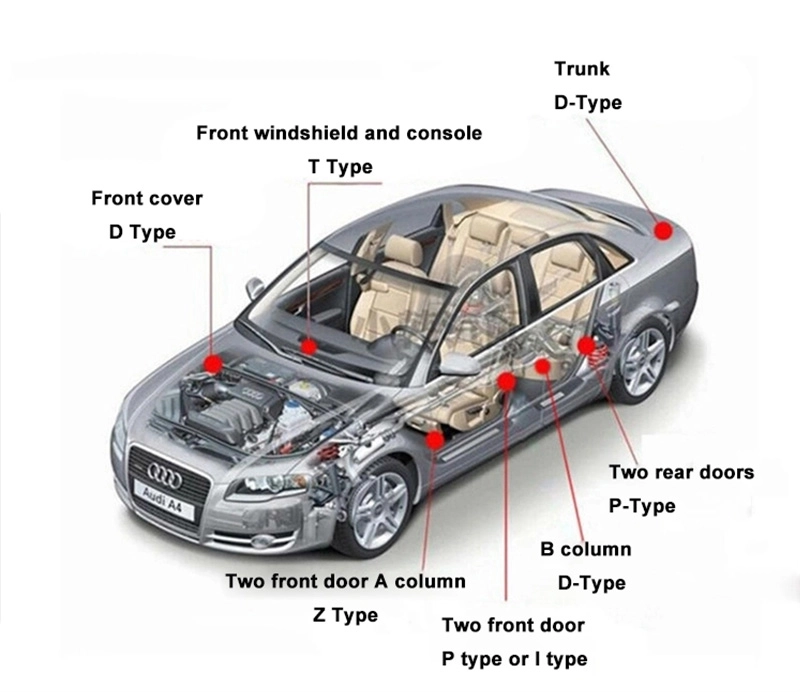
Simply put, a rubber seal car door is the flexible gasket made typically from EPDM (ethylene propylene diene monomer) rubber that lines the edges of your car doors. Its job? To provide a tight barrier between the door and the frame—keeping out dust, water, wind noise, and even smells. But beyond just acting like a barrier, these seals play an underrated role in modern vehicle design: they contribute to energy efficiency by improving insulation and reducing drag from air leaks. Behind the scenes, their material makeup and shape affect everything from installation ease to lifespan, making rubber seals essential in the automotive manufacturing ecosystem. Oddly enough, this tiny component links strongly to broader issues like climate-conscious car design and improving road trip comfort. When you think of it, what’s more personal and subject to wear than where the door meets your vehicle? ---Core Components of Automotive Door Sealing
1. Durability
The seal must withstand harsh temperatures, UV rays, chemicals, and constant mechanical stress. EPDM rubber is a favorite because it resists cracking, shrinking, or becoming brittle for years.2. Flexibility and Compression
Good seals compress when the door shuts, filling gaps without excessive force. This flexibility ensures a snug fit over repeated use, avoiding squeaks or uneven door closure.3. Weather Resistance
A primary function is to keep water and dust out. Seals must form a waterproof barrier yet allow for drainage or breathability to avoid mold or rust in the door frames.4. Noise and Vibration Dampening
Rubber seals absorb vibrations and help reduce road and wind noise. Many manufacturers tweak profiles to maximize acoustic performance, an underrated comfort factor.5. Installation and Customization
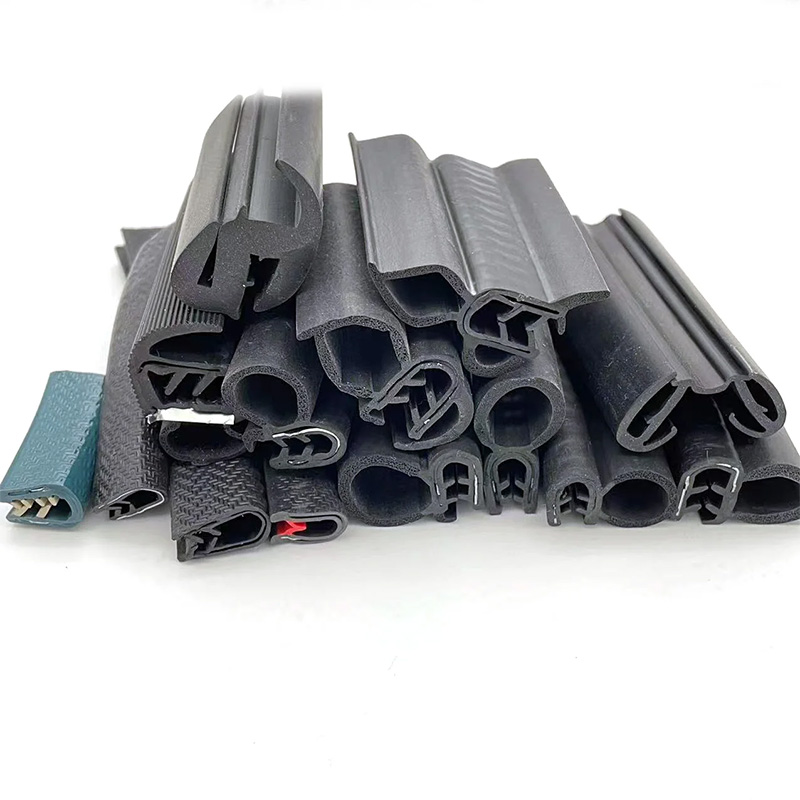
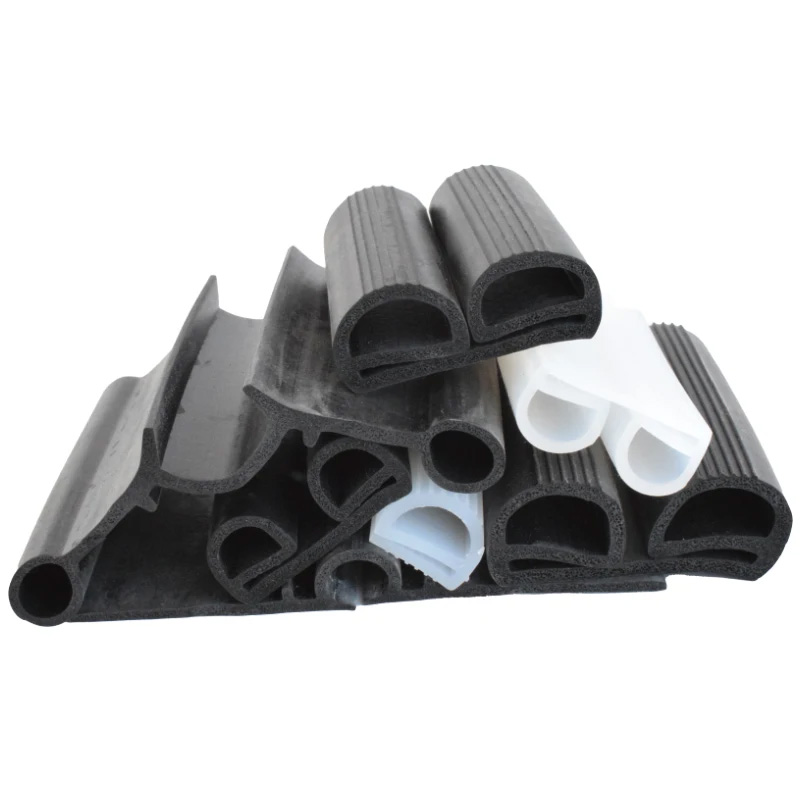
Seals come in various profiles and lengths to fit different door sizes and styles. Engineers look for ease of application, longevity, and minimal post-installation maintenance. ---How Rubber Seal Car Doors Are Used Worldwide
From the sweltering heat of India to the freezing winters in Scandinavia, rubber seal car doors protect vehicles everywhere. Auto giants in Germany, Japan, and the US have emphasized continuous improvements in seal materials – including nano-enhanced EPDM and silicone blends – to achieve better results. In regions with rough roads and dust storms, like parts of the Middle East or Africa, seals prevent sand intrusion that could otherwise damage door mechanisms or the interior. Even industrial vehicles used in harsh environments, such as mining trucks in Australia or construction machines in Canada, rely on robust door seals to protect sensitive electronics inside the cabin. Minor but telling example: some electric car manufacturers even use seals to optimize aerodynamics and thus mileage, helping push green transportation further ahead. ---Advantages and Long-Term Value of Quality Door Seals
Why fuss over rubber edges? Well: - Cost-efficiency: They reduce long-term repair and maintenance costs by keeping moisture out, preventing rust. - Sustainability: Durable seals mean a longer vehicle lifespan, lowering the environmental footprint. - Comfort and Safety: Say goodbye to annoying wind noise and leaks, improving ride quality. - Innovation: Advanced materials and shapes improve resilience and support larger trends like vehicle electrification. - Trust: High-quality seals symbolize overall build quality and influence brand loyalty. In short, it’s an emotional bond too. No one likes a leaky door, and knowing the seal is doing its job brings that intangible peace of mind on every drive. ---Looking Ahead: Future Trends in Automotive Door Seals
The future, as many rubber seal designers say, lies in "smart sealing." Think seals embedded with sensors to detect wear or integrity breakdown before problems arise. Then there’s growing interest in bio-based rubber materials to cut petroleum dependence. Digital transformation also touches production — automated testing rigs simulate years of door slamming or extreme weather testing in days. Plus, as car bodies shift to lighter composites, sealing technology must keep pace with new surfaces and thermal expansion properties. Environmental policies nudging zero waste push for recyclable seals, and manufacturers are exploring quicker, cleaner installation methods. It’s a small world, but rubber seal innovation feels vast. ---Common Challenges and How the Industry Is Adapting
Despite advances, seals face hurdles: - Shrinking performance over time from heat and pollutants. - Difficulties in creating universally compatible seals for global car platforms. - Installation errors causing premature failure. Manufacturers are tackling these via enhanced material compounds, modular seal profiles for easier fitment, and training installations crews better. Some even offer real-time monitoring systems for fleets to track seal health and schedule timely replacements. ---Specifications of a Typical Rubber Seal Car Door
| Specification | Value | Notes |
|---|---|---|
| Material | EPDM Rubber | Common for weather resistance |
| Temperature Range | -40°C to +125°C | Handles most climates |
| Tensile Strength | > 7 MPa | Ensures durability |
| Compression Set | Maintains shape over time | |
| Color | Black (usually) | UV stable pigment |
Leading Providers of Rubber Seal Car Doors Compared
| Vendor | Material Quality | Customization | Global Reach | Typical Clients |
|---|---|---|---|---|
| SealTech Industries | High-grade EPDM, silicone blends | Extensive (profiles, colors) | Global (Europe, Asia, Americas) | Major OEMs, EV startups |
| RubberSeal Co. | Standard EPDM, cost-effective | Moderate options | Regional (North America) | Aftermarket, commercial trucks |
| GreenSeal Materials | Bio-based EPDM alternatives | Limited but growing | Focus on Europe | Luxury brands, green vehicles |
Frequently Asked Questions About Rubber Seal Car Door
Q1: How often should a rubber seal on a car door be replaced?
Generally, rubber seals last anywhere from 5 to 10 years depending on climate exposure and maintenance. Signs for replacement include cracking, loss of flexibility, or water leaks inside the cabin.
Q2: Can I improve my car's original door seals with aftermarket products?
Yes, many aftermarket seals offer enhanced weatherproofing or sound insulation. However, compatibility with your specific vehicle model should be checked to avoid installation or fitment issues.
Q3: Are rubber seals eco-friendly or recyclable?
Traditional EPDM rubber seals are not fully recyclable but newer bio-based versions are emerging. Proper disposal and manufacturer take-back programs help mitigate environmental impact.
Q4: What maintenance tips prolong the life of door seals?
Clean seals regularly with mild soap and water, avoid harsh chemicals, and apply silicone-based lubricants to maintain elasticity and prevent drying out.
---Wrapping It Up: Why Pay Attention to Rubber Seal Car Doors?
If you’ve ever been annoyed by drafts, water leaks, or road noise in your car, a faulty door seal is often the culprit. On the other side, well-made rubber seals keep your ride comfortable, quiet, and protected—adding subtle but meaningful value to your driving experience. As the automotive industry evolves rapidly, the rubber seal car door quietly adapts with new materials, smarter designs, and greener solutions. So the next time you close your vehicle door, think of that humble strip of rubber quietly doing its job, sealing in performance and sealing out trouble. For those interested in the latest in door seal innovation and quality products, be sure to visit rubber seal car door for trusted solutions. ---Mini Takeaway
Rubber seal car doors may be small, but their impact on vehicle safety, comfort, and sustainability is huge. They’re a perfect example of how tiny engineering details tie into big global challenges.
References
Share
-
Eco Friendly Drawstring Jute Bag Guide for Sustainable PackagingNewsApr.16,2026
-
Elegant Wedding Jute Bags for Sustainable and Rustic Event PackagingNewsApr.09,2026
-
Sustainable Jute Bags for Coffee Packaging and Branding SolutionsNewsApr.07,2026
-
Explore the Benefits of Sustainable Saran Jute Bags for Your BusinessNewsApr.04,2026
-
Sustainable Jute Soap Bags Packaging Solutions for Eco Friendly BrandsNewsMar.31,2026
-
Discover the EcoFriendly Charm of Jute Favor Bags for Every OccasionNewsMar.28,2026