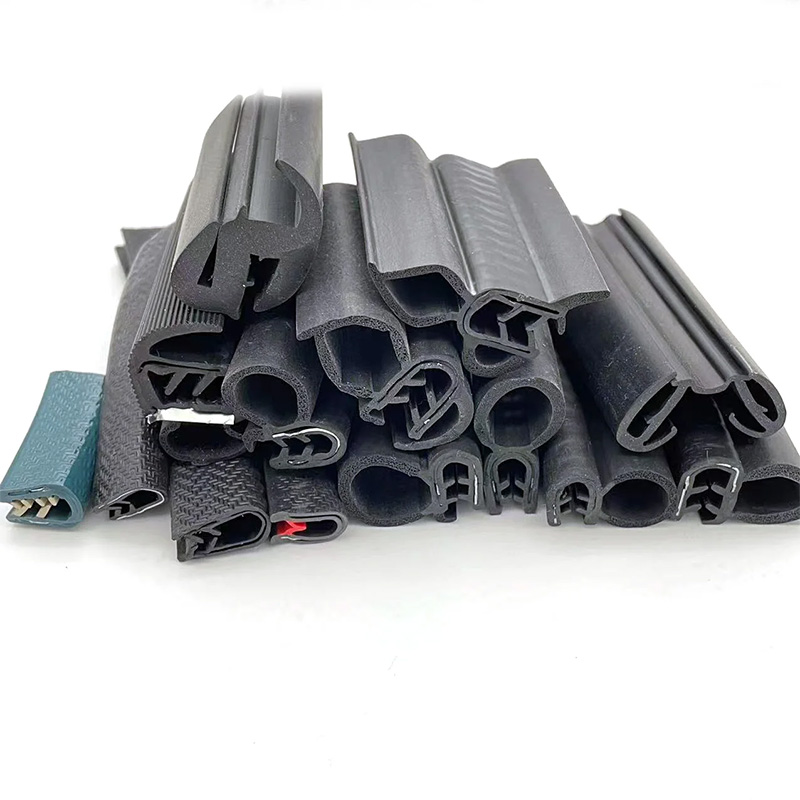
High-Quality Rubber Seal for Car Doors | Durable, Efficient, Noise-Reducing
Why the Rubber Seal for Car Doors Matters More Than You Think
When you slam your car door shut, barely giving it a second thought, you’re triggering one of the small miracles of automotive engineering: the rubber seal for car doors. These seemingly simple strips of rubber are unsung heroes, playing crucial roles in safety, comfort, and efficiency on a global scale. Understanding the ins and outs of these seals isn’t just for gearheads — with rising environmental concerns and evolving manufacturing standards, their importance has never been clearer.
The Global Context: A Quiet Revolution in Vehicle Efficiency
Worldwide, the automotive industry produces over 80 million vehicles annually (source: Wikipedia). In every one of those cars, the rubber seals that line the doors contribute heavily to overall vehicle efficiency.
Think about the sheer number of car door seals in use: billions globally. These seals do more than block wind or keep out rain — they’re key to reducing noise pollution, improving fuel efficiency by better insulation, and minimizing carbon footprints. The International Organization for Standardization (ISO) has several standards (like ISO 9001) which improve manufacturing quality, and seals are a perfect example where those standards influence both product safety and sustainability.
Yet challenges remain. Faulty or poor-quality door seals can cause water leaks, drafts, noise disturbances, and even compromise passenger safety in accidents. So, the simple rubber seal is tackling surprisingly complex problems.
What Is a Rubber Seal for Car Doors, Anyway?
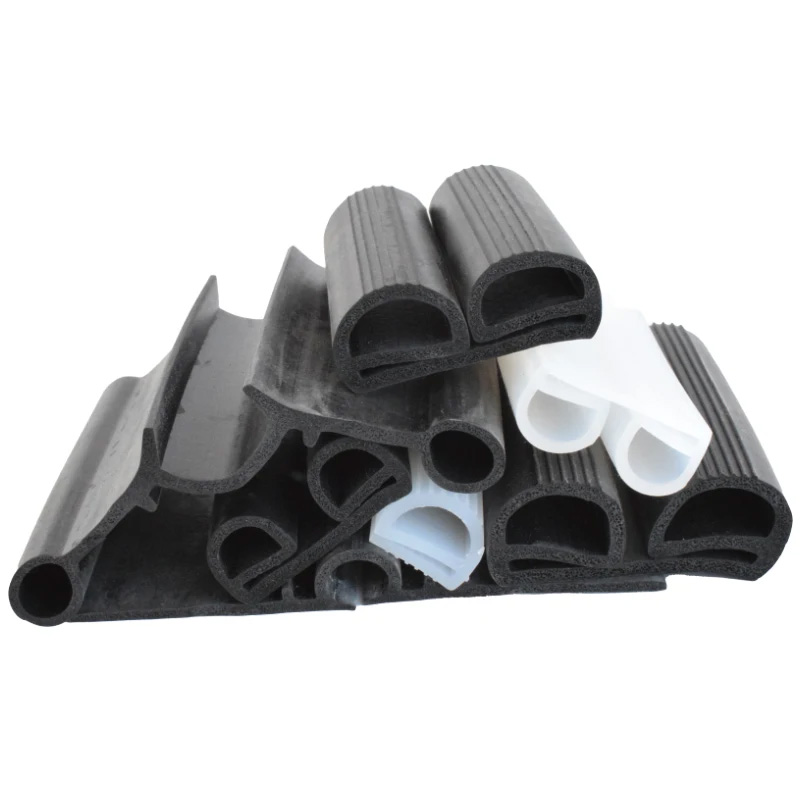
In simple terms, a rubber seal for car doors is a flexible gasket made primarily from synthetic rubber materials such as EPDM (ethylene propylene diene monomer) that is fitted around the door edges in cars. It serves as a barrier against external elements — water, air, dust, noise — ensuring that the interior cabin environment remains controlled and comfortable.
From a humanitarian perspective, a well-sealed vehicle cabin can also mean safer transport for emergency responders and patients by preventing dust and contaminants from entering and by maintaining a controlled temperature environment. Oddly enough, these small rubber strips intersect significantly with the larger narrative of modern vehicle safety and sustainable manufacturing.
Four Key Components That Make Car Door Rubber Seals Essential
1. Durability
Good car door seals withstand repeated door openings, extreme temperatures, and exposure to sunlight without cracking or losing elasticity — a testament to the material science behind them. EPDM rubber offers excellent resistance to ozone and UV rays, which is why it’s a go-to material.
2. Noise Reduction
Ever been in a car that sounds like a wind tunnel just by driving down the street? Proper sealing eliminates wind noise up to a remarkable degree, turning a noisy ride into a serene one. This has huge implications not only for comfort but also for driver safety — less noise distraction means better focus.
3. Weatherproofing and Water Resistance
From California’s dry, dusty deserts to Canada’s snowy winters, car door seals keep interiors dry and comfortable. They prevent water from entering the cabin, which otherwise could lead to corrosion and electrical issues.
4. Energy Efficiency
Though it might feel strange to think air leaking in and out could add up to much, those tiny gaps increase the energy your air conditioning or heater consumes — which in turn adds to fuel consumption in traditional vehicles, or reduces electric range. A well-fitted rubber seal enhances climate control system performance by better insulating the cabin.
Mini takeaway: The rubber seal is a multifunctional, finely engineered solution balancing durability, comfort, and efficiency — making it one of the pillars of modern automotive design.
The Real-World Impact: Where Rubber Seals Make a Difference
Car manufacturers across the globe rely on these seals, from bustling urban centers in Europe to emerging automotive hubs in Asia. The rigor of testing is often more intense in regions with harsh climates—northern Scandinavia demands seals that resist extreme cold, while Australia demands UV resistance and heat endurance.
In particular, automotive makers like Toyota and BMW integrate advanced rubber doors seals, often customized for specific models, to meet strict noise and water ingress standards. Additionally, electric vehicles from Tesla to Nissan increasingly emphasize door seal designs that maximize energy efficiency to extend battery life.
In disaster-prone areas, where medical and rescue vehicles must perform regardless of conditions, reliable rubber sealing means critical equipment remains dry and secure. For example, aid convoys operating in flood zones depend on airtight vehicle cabins where these seals play a life-protecting role.
Advantages and Long-Term Value of Quality Door Seals
- Cost Savings: Over time, better door seals reduce the need for costly repairs from rust or electrical problems caused by water leaks.
- Sustainability: Improved energy efficiency translates to lower emissions — a win for both manufacturers and environmentally conscious consumers.
- Safety: Seals help maintain structural integrity in collisions by preventing door deformation and helping to contain airbags properly.
- Comfort and Trust: The way a door “clunks” closed with a soft seal makes a psychological difference, reassuring drivers they’re in a quality vehicle.
Rubber Seal for Car Doors: Product Specifications at a Glance
| Specification | Typical Value | Importance |
|---|---|---|
| Material | EPDM Rubber | UV and ozone resistance |
| Hardness (Shore A) | 60-70 | Balance between flexibility and structure |
| Temperature Range | -40°C to 120°C | Handles extreme climates |
| Compression Set | Maintains sealing under long-term pressure | |
| Color | Black (standard) | UV stability and aesthetics |
How Leading Vendors Stack Up
| Vendor | Material Quality | Customization Options | Price Range | Warranty |
|---|---|---|---|---|
| SealPro Automotive | High-grade EPDM | Full shape & color range | $$ | 5 years |
| AutoSeal Tech | Standard EPDM | Limited customization | $ | 3 years |
| FlexSeal Industries | Premium synthetic rubber blends | Extensive options; prototype services | $$$ | 7 years |
Innovation & The Road Ahead for Rubber Seals
The evolution is subtle but steady. Material scientists are now blending EPDM with nanomaterials to create seals that resist wear and self-heal minor scratches. Some startups are pushing bio-based rubber alternatives sourced from sustainable plantations, aligning with green automotive trends.
Digital innovations like 3D printing also transform how seals are produced — rapid prototyping allows designers to customize seals quickly, making it easier to optimize performance early in the manufacturing process. Automated quality control using AI vision systems promises fewer defects and more uniform sealing quality.
It’s not hard to imagine a future where your car’s door seal is part sensor, capable of reporting wear or damage through your smartphone before you even notice a draft.
Challenges and How the Industry Overcomes Them
Despite their simplicity, these seals face problems. For example, prolonged exposure to harsh chemicals or road salts can degrade seals faster than expected. Oddly enough, mass production sometimes leads to variability — a product tested to last for years in the lab might not perform in the real world.
Experts now recommend frequent maintenance checks for rubber seals as part of routine vehicle servicing. New coating technologies also extend seal life by adding layers of chemical resistance without sacrificing flexibility.
Frequently Asked Questions About Rubber Seals for Car Doors
1. How long does a typical car door rubber seal last?
Most high-quality seals last between 5 to 10 years depending on driving conditions and maintenance. Regular cleaning from debris and lubricating the seal can extend its lifespan.
2. Can faulty seals increase fuel consumption?
Yes, because leaks force your car's climate control systems to work harder, which in turn can increase fuel or energy use by several percentage points. Proper seals help maintain optimal cabin temperature efficiently.
3. Are replacement seals easy to install?
Many modern seals come with adhesive backings or clip-on designs. While some DIY enthusiasts can replace them, professional installation ensures airtight fitting and avoids future issues.
4. What material should I look for when buying replacement seals?
EPDM rubber remains the industry standard due to its durability and resilience. However, newer blends with enhanced UV and chemical resistance are becoming popular.
5. How do I know if my door seals are failing?
Signs include water leaks during rain, increased wind noise inside the vehicle, visible cracks or deformation in the rubber, and difficulty closing doors smoothly.
Wrapping Up
Rubber seals for car doors might be small in size, but their impact on vehicle performance, comfort, and sustainability is huge. Their evolution intertwines materials science, design ingenuity, and even digital advances, making them a quiet cornerstone in the automotive world. Next time you hear the satisfying “thunk” of a door shutting, remember the humble rubber seal that made that moment safe and serene.
For quality rubber seals that meet the highest standards, check out our trusted selection at rubber seal for car doors.
References
Share
-
Eco Friendly Drawstring Jute Bag Guide for Sustainable PackagingNewsApr.16,2026
-
Elegant Wedding Jute Bags for Sustainable and Rustic Event PackagingNewsApr.09,2026
-
Sustainable Jute Bags for Coffee Packaging and Branding SolutionsNewsApr.07,2026
-
Explore the Benefits of Sustainable Saran Jute Bags for Your BusinessNewsApr.04,2026
-
Sustainable Jute Soap Bags Packaging Solutions for Eco Friendly BrandsNewsMar.31,2026
-
Discover the EcoFriendly Charm of Jute Favor Bags for Every OccasionNewsMar.28,2026