Sustainable Commercial Jute Bag Solutions for Eco Friendly Businesses
Commercial Jute Bag: A Sustainable Packaging Solution
In today's environmentally conscious world, businesses are increasingly seeking sustainable packaging alternatives. Commercial jute bags are emerging as a popular and eco-friendly option, offering a robust and biodegradable solution for a wide range of industries. This article will explore the benefits of using jute bags, their applications, and why they are a responsible choice for your business. From agricultural products to retail goods, jute bags provide a natural and effective way to package and transport your items.
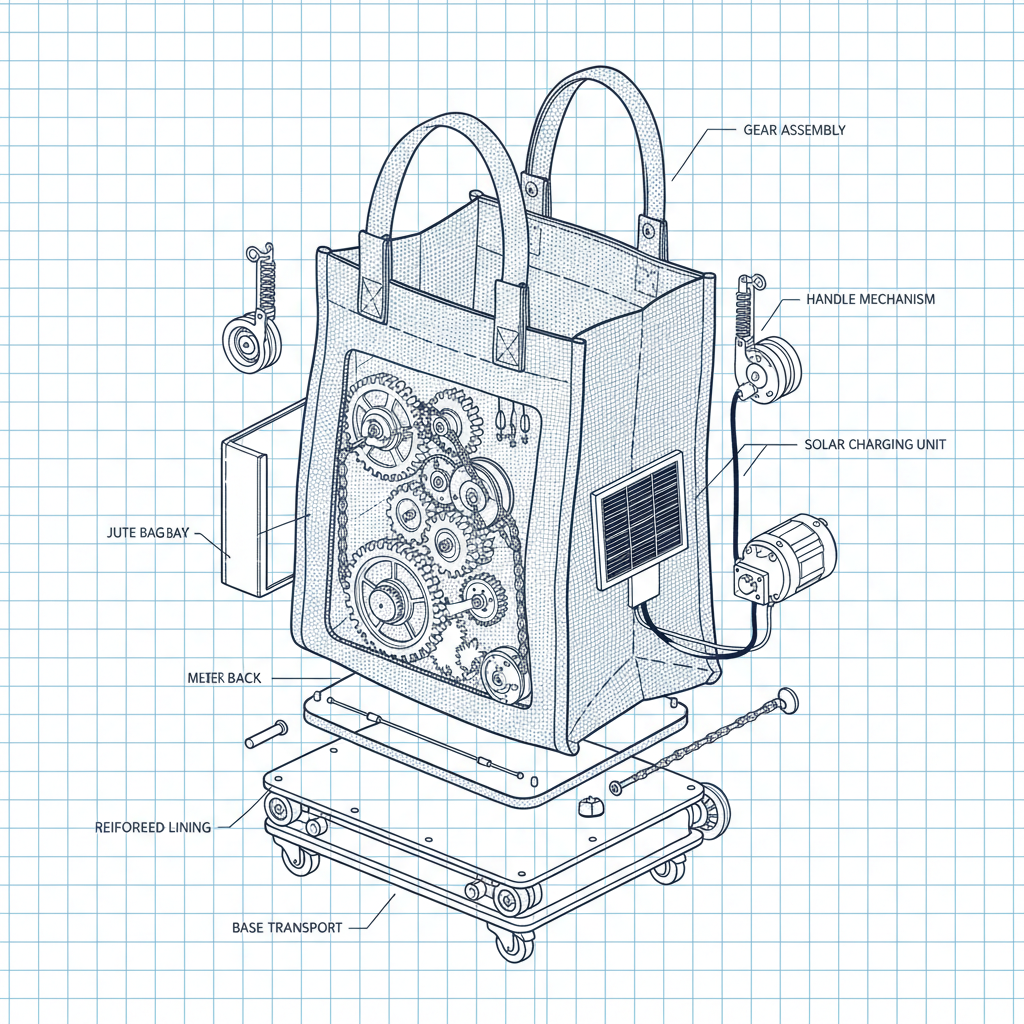
The Environmental Benefits of Jute Bags
Jute is a natural vegetable fiber, renowned for its biodegradability and minimal environmental impact. Unlike plastic or synthetic materials, jute is completely renewable and requires significantly less water and pesticides to grow. The plant also absorbs large amounts of carbon dioxide from the atmosphere, contributing to a reduction in greenhouse gas emissions. Choosing jute bags demonstrates a commitment to sustainability and helps reduce your company’s carbon footprint. They are a responsible alternative to contribute to a greener future and align with environmentally conscious consumer preferences.
Key Highlights: Jute is a completely renewable resource, biodegradable, and requires minimal water and pesticides to grow. Choosing jute bags significantly reduces environmental impact.
Diverse Applications of Commercial Jute Bags
The versatility of jute bags makes them suitable for a diverse range of applications. They are commonly used in the agricultural sector for packaging grains, coffee beans, and other produce. In the retail industry, jute bags serve as stylish and eco-friendly shopping bags, promotional items, and gift packaging. They are also employed in the construction industry for sandbags and erosion control. Their robust nature and ability to withstand heavy loads make them a practical choice for various industrial uses. Commercial jute bags can be customized with branding and logos, enhancing their marketing value.
Application Benefits:
• Packaging for agricultural products
• Eco-friendly shopping bags
• Promotional and gift packaging
• Industrial applications (sandbags, erosion control)
Commercial Jute Bags vs. Other Packaging Materials
When comparing jute bags to other packaging materials like plastic, paper, and cotton, jute consistently outperforms in terms of sustainability and durability. Plastic bags contribute to landfill waste and ocean pollution, while paper bags require significant deforestation. Cotton bags, while natural, require substantial water and pesticide usage. Jute offers a balanced solution, being both renewable and robust. The following table illustrates a comparison of these materials:
Customization Options for Commercial Jute Bags
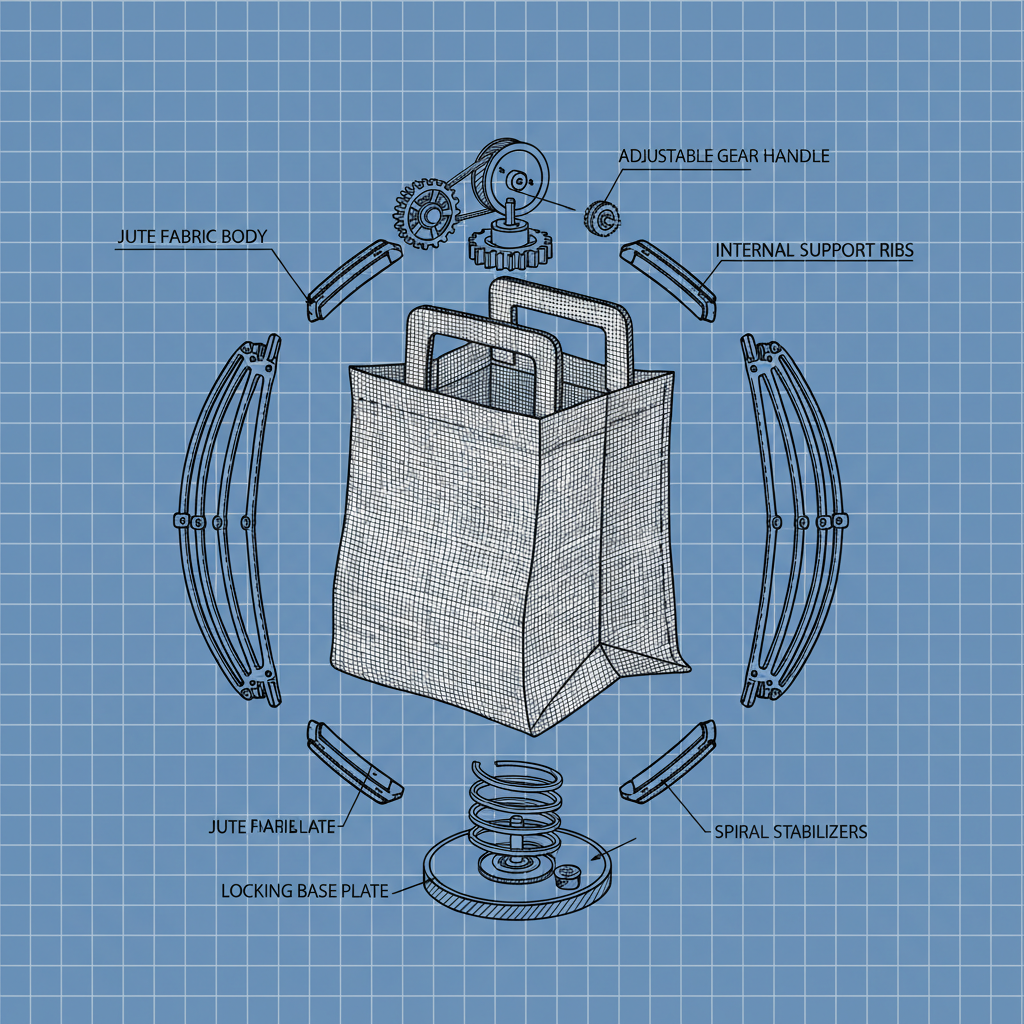
Xtshuoding offers a wide array of customization options to meet your specific branding and packaging requirements. We provide various sizes, colors, and printing options, including screen printing, digital printing, and embroidery. You can incorporate your company logo, slogan, or any other design to create unique and impactful packaging. We also offer different handle styles, such as rope handles, cotton webbing handles, and die-cut handles. Our experienced team can assist you in designing and producing jute bags that perfectly reflect your brand identity.
Choosing the Right Jute Bag Supplier
When selecting a supplier for commercial jute bags, consider factors like quality, price, customization options, and lead times. Xtshuoding is a leading manufacturer and exporter of jute bags, committed to providing high-quality products and exceptional customer service. We offer competitive pricing, fast turnaround times, and a dedicated team to assist you throughout the process. We source our jute from sustainable farms, ensuring ethical and environmentally responsible production practices.
Conclusion: Embrace Sustainable Packaging with Jute
Investing in commercial jute bags is a smart and responsible decision for your business. They offer a sustainable, durable, and versatile packaging solution that aligns with growing consumer demand for eco-friendly products. By choosing jute, you’re not only reducing your environmental impact but also enhancing your brand image and attracting environmentally conscious customers. Make the switch to jute and contribute to a greener future.
Frequently Asked Questions (FAQs)
What is the weight capacity of a typical commercial jute bag?
The weight capacity of a jute bag varies depending on its size and construction. However, a standard commercial jute bag can typically hold between 50 to 100 kilograms (110 to 220 pounds). For heavier loads, reinforced jute bags with additional stitching and thicker fabric are available. It’s crucial to select a bag with a weight capacity appropriate for the intended contents to ensure safe and reliable transportation.
Are jute bags waterproof?
Jute itself is not naturally waterproof. However, jute bags can be treated with a water-resistant coating or laminated with polyethylene (PE) to provide some degree of water protection. The level of water resistance depends on the type of coating or lamination used. For applications requiring full waterproofing, laminated jute bags are the recommended option.
How long do jute bags last?
With proper care, jute bags can last for several years. Their durability depends on factors like the quality of the jute fiber, the construction of the bag, and the frequency of use. Avoid overloading the bag and protect it from prolonged exposure to moisture. Regularly inspect the bag for any signs of wear and tear.
Can jute bags be recycled?
Yes, jute bags are 100% biodegradable and can be composted at the end of their life cycle. They can also be recycled, although the recycling infrastructure for jute is not as widespread as for other materials like paper or plastic. However, as awareness of sustainable packaging increases, the demand for jute recycling is growing.
Share
-
Eco Friendly Drawstring Jute Bag Guide for Sustainable PackagingNewsApr.16,2026
-
Elegant Wedding Jute Bags for Sustainable and Rustic Event PackagingNewsApr.09,2026
-
Sustainable Jute Bags for Coffee Packaging and Branding SolutionsNewsApr.07,2026
-
Explore the Benefits of Sustainable Saran Jute Bags for Your BusinessNewsApr.04,2026
-
Sustainable Jute Soap Bags Packaging Solutions for Eco Friendly BrandsNewsMar.31,2026
-
Discover the EcoFriendly Charm of Jute Favor Bags for Every OccasionNewsMar.28,2026