Storage Jar Rubber Seals – Comprehensive Guide to Selection, Benefits, and Innovations
Understanding Storage Jar Rubber Seals: Essential Components in Modern Preservation
The humble storage jar rubber seal might seem like a small detail — almost invisible and often overlooked — yet it plays a crucial role globally in preserving food, pharmaceuticals, chemicals, and more. Simply put, these seals provide airtight protection that keeps contents fresh, safe, and usable for longer. In our increasingly interconnected world, where supply chains span continents and consumer safety standards continue rising, understanding storage jar rubber seals truly matters. Not just for manufacturers, but also for humanitarian organizations, laboratories, and countless households.
Simply put, solid sealing prolongs the shelf life of goods, prevents contamination, and reduces waste — no small perks considering that the UN estimates about one-third of food produced worldwide is lost or wasted annually (FAO, 2021). Rubber seals are an unsung hero here, offering the flexibility, durability, and airtightness required to tackle these issues effectively.
The Global Context: Why Storage Jar Rubber Seals Are Indispensable
Globally, the demand for storage jar rubber seals has been climbing steadily due to multiple intertwined factors. Food safety regulations are becoming stringent — ISO standards on packaging integrity, for example, set clear mandates on sealing solutions. According to World Bank data, as supply chains grow complex, proper sealing reduces spoilage during transportation. Oddly enough, in humanitarian aid efforts, airtight containers sealed with robust rubber gaskets help preserve medicines and food, even in tough environments like refugee camps or disaster zones.
Despite their low profile, storage jar rubber seals intersect with big-picture concerns like sustainability and public health. The challenge is to balance cost, environmental impact, and performance — a sweet spot that manufacturers and NGOs alike are eager to hit.
What Exactly Are Storage Jar Rubber Seals?
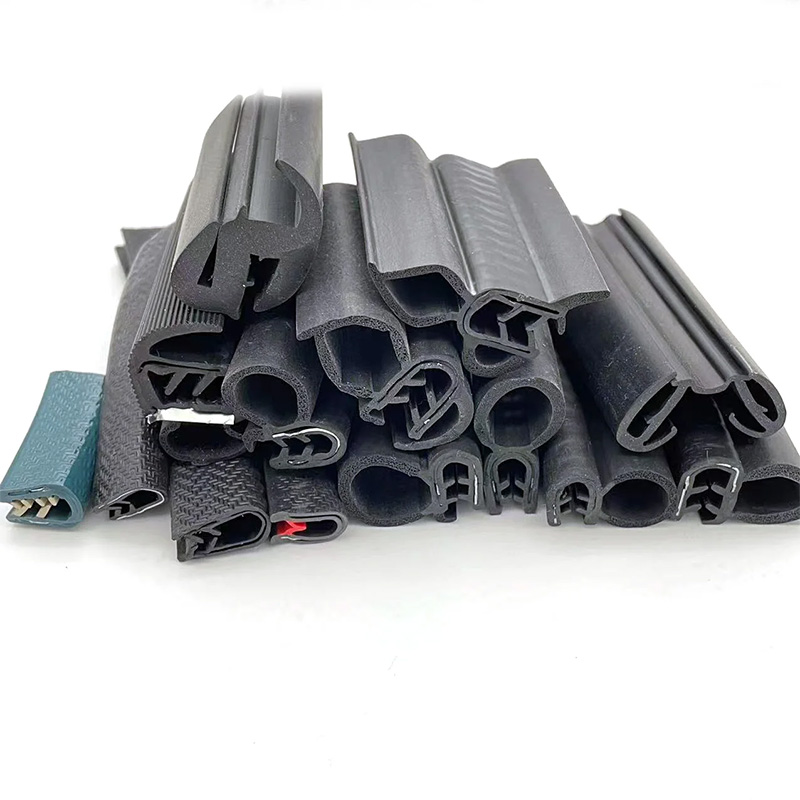
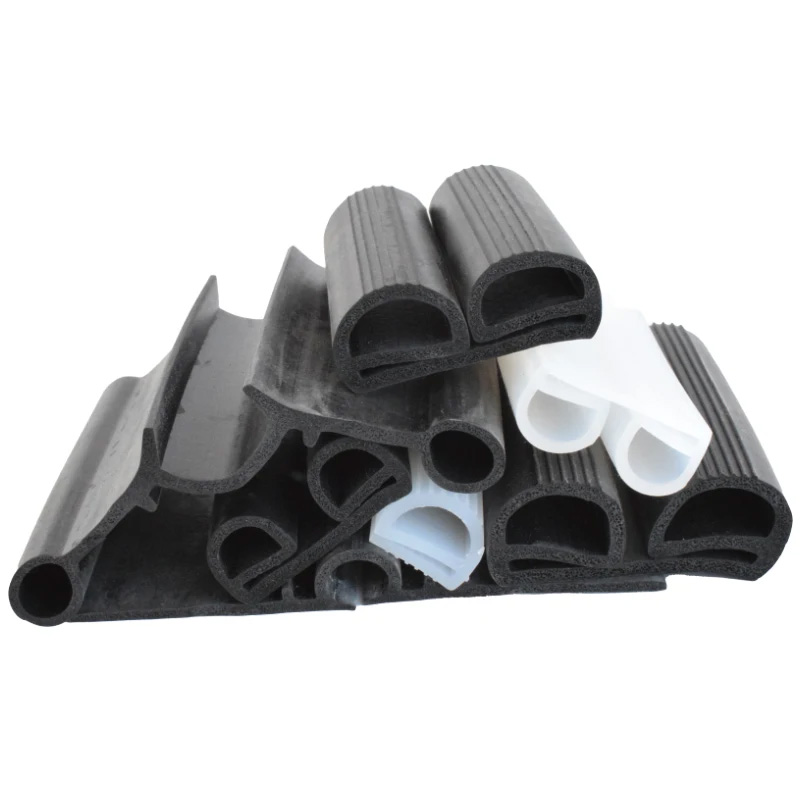
At its core, a storage jar rubber seal is a flexible gasket made mainly from synthetic rubber materials (such as silicone or EPDM) designed to fit snugly in the lid or threaded mouth of storage jars. It forms an airtight — sometimes vacuum-level — barrier between the jar’s contents and the external environment. This prevents air, moisture, dust, bacteria, and other contaminants from compromising whatever’s inside.
Modern industries rely heavily on these seals, especially in food preservation, pharmaceutical packaging, and chemical storage. They also answer humanitarian needs, like supplying clean drinking water and medicines in remote or disaster-affected regions.
Core Components and Key Factors Affecting Performance
1. Material Durability
Rubber seals need to withstand temperature variations, chemical exposure, and mechanical stress. Silicone is prized for flexibility and temperature tolerance (-60°C to 230°C), while EPDM is favored for its chemical resistance. You could say choosing the right material is half the battle for ensuring long-lasting sealing.
2. Seal Geometry and Fit
Even the best rubber won’t seal well if the shape doesn’t match the jar opening perfectly. Precision manufacturing ensures tight tolerances, preventing micro-gaps that could let contaminants slip through. This exact fit also means repeatability for reusable jars.
3. Resistance to Compression Set
Over time, rubber seals compress and lose elasticity — a process called compression set. Quality seals are engineered to resist this aging, which preserves airtightness after multiple uses or long storage periods.
4. Chemical and Microbial Resistance
Especially crucial for food and pharma jars. The seal must not interact with contents chemically or encourage microbial growth. Materials are often FDA-approved and pass stringent safety tests.
5. Manufacturing Scalability and Cost
Custom seals require tooling and quality control, so vendors must balance performance with price. Off-the-shelf options are common, but custom solutions grow popular in specialized industries.
Quick Takeaway
The right storage jar rubber seal is a blend of material science, design precision, and manufacturing quality — all converging to protect what's inside.
Global Applications of Storage Jar Rubber Seals
You’ll find these seals all over the world and across sectors:
- Food Industry: Preserving spices, jams, oils, and pickles especially in regions with hot climate challenges, like Southeast Asia.
- Pharmaceutical Firms: Ensuring sterile storage of ointments, tablets, and injectable liquids, critical for global health programs in Africa and Latin America.
- Chemical Storage: Industrial zones in Europe and North America use robust seals to prevent hazardous leaks.
- Humanitarian Aid: NGOs rely on airtight containers with dependable seals to store vaccines safely during transport to conflict zones.
For instance, during COVID-19 vaccine distribution, consistent storage seal integrity was pivotal in maintaining cold-chain safety in remote areas.
Advantages and Long-Term Benefits
The benefits go beyond just preserving contents. Here’s what really matters:
- Cost Efficiency: Reduced spoilage means less waste, lowering replacement costs and increasing profitability.
- Sustainability: Durable rubber seals help jars be reusable, thus cutting down on single-use plastic consumption.
- Safety & Trust: Consumers get peace of mind knowing their food or medicine remains uncontaminated.
- Innovation Enablement: Specialty seals make advanced packaging designs possible — think vacuum-packing or tamper-proof closures.
Storage Jar Rubber Seal Product Specifications
| Specification | Details |
|---|---|
| Materials | Silicone, EPDM, Nitrile Rubber (Buna-N) |
| Temperature Range | -60°C to 230°C (varies by material) |
| Compression Set Resistance | Up to 30% after 72 hours at 100°C |
| FDA Compliance | Yes (for food and pharma use) |
| Expected Lifespan | 3 to 5 years under typical use |
Vendor Comparison: Leading Providers of Storage Jar Rubber Seals
| Supplier | Material Options | Custom Sizes | Price Range | Lead Time |
|---|---|---|---|---|
| SealTec International | Silicone, EPDM | Yes | Moderate | 2-3 weeks |
| RubberSeal Co. | Nitrile, Silicone | Limited | Low | 1-2 weeks |
| EcoSeal Solutions | Silicone (Eco-certified) | Yes | High | 3-4 weeks |
Emerging Trends in Storage Jar Rubber Seals
Sustainability is the watchword here. Recent developments include bio-based rubbers derived from natural sources to replace petroleum-based ones, reducing carbon footprints. Plus, innovations in antimicrobial rubber surfaces aim to actively reduce contamination risks. Digitally enabled quality controls, using IoT sensors embedded in packaging, are also on the horizon — imagine a jar seal that can report if it’s been broken or compromised during transit!
Challenges & Innovations to Overcome Them
While rubber seals are indispensable, they aren’t perfect. Compression set remains a persistent issue, especially in hot, humid environments. Also, recycling rubber components poses challenges due to their composite nature. Many engineers suggest a circular approach — refurbishing seals rather than discarding them. Enhanced polymer blends and better design tolerances increasingly tackle these problems, making the seals last longer while being easier to recycle.
FAQ: Storage Jar Rubber Seals
- Q: How do I know if a rubber seal is FDA compliant for food storage?
- Look for seals labeled as FDA-approved or food grade by the manufacturer. These have passed tests for toxicity, chemical inertness, and microbial resistance, ensuring safety. You can often find certificates of compliance upon request.
- Q: Can rubber seals withstand dishwasher cleaning?
- Many silicone seals tolerate dishwasher temperatures, but repeated cycles can reduce elasticity over time. EPDM seals may degrade quicker. Hand washing with mild detergent prolongs their lifespan.
- Q: Are customized storage jar rubber seals expensive?
- Custom tooling and design naturally add costs but also ensure a perfect fit and enhanced performance. For bulk orders, the price per unit can be quite reasonable.
- Q: How long do typical storage jar rubber seals last?
- Under normal use, proper maintenance, and ambient storage, seals last from 3 to 5 years before replacement is advisable to maintain airtight integrity.
- Q: Where can I find sustainable alternatives to traditional rubber seals?
- Some suppliers now offer bio-based or organically certified rubber seals. Checking vendors like storage jar rubber seals suppliers focused on green manufacturing is a good start.
Conclusion: Why Storage Jar Rubber Seals Deserve More Attention
When you think about it, these small components wield enormous influence — they safeguard quality, extend usability, and help reduce waste. For businesses and consumers aiming for sustainability or enhanced safety, understanding storage jar rubber seals is critical. Curious to find top-notch seals or explore customization options? Visit our website: https://www.xtshuoding.com for detailed insights and product offerings.
Reflecting on the essential yet quiet role of storage jar rubber seals reminds us that sometimes, the smallest parts make the largest difference.
Share
-
Eco Friendly Drawstring Jute Bag Guide for Sustainable PackagingNewsApr.16,2026
-
Elegant Wedding Jute Bags for Sustainable and Rustic Event PackagingNewsApr.09,2026
-
Sustainable Jute Bags for Coffee Packaging and Branding SolutionsNewsApr.07,2026
-
Explore the Benefits of Sustainable Saran Jute Bags for Your BusinessNewsApr.04,2026
-
Sustainable Jute Soap Bags Packaging Solutions for Eco Friendly BrandsNewsMar.31,2026
-
Discover the EcoFriendly Charm of Jute Favor Bags for Every OccasionNewsMar.28,2026