Silicone Rubber Door Seals – Durable, Energy Efficient Sealing Solutions
Why Silicone Rubber Door Seals Matter in Today’s World
Imagine a world where a tiny, flexible piece of silicone can save energy, keep our homes quieter, and protect sensitive equipment from dust and moisture. That’s the magic of silicone rubber door seals. These unassuming strips behind closed doors play a surprisingly big role ranging from industrial machinery to everyday household doors. Given the increasing global emphasis on energy efficiency and sustainability, understanding silicone rubber door seals is more critical than ever.
According to the International Organization for Standardization (ISO), energy-efficient sealing solutions contribute significantly to reducing carbon footprints. And with the world shifting toward greener technologies, the humble door seal's impact isn’t just about convenience — it’s about the global push for sustainability, cost savings, and safety.
Mini takeaway: Silicone rubber door seals offer more than just closure; they’re part of a global movement toward smarter, greener living and industrial practices.
Understanding Silicone Rubber Door Seals
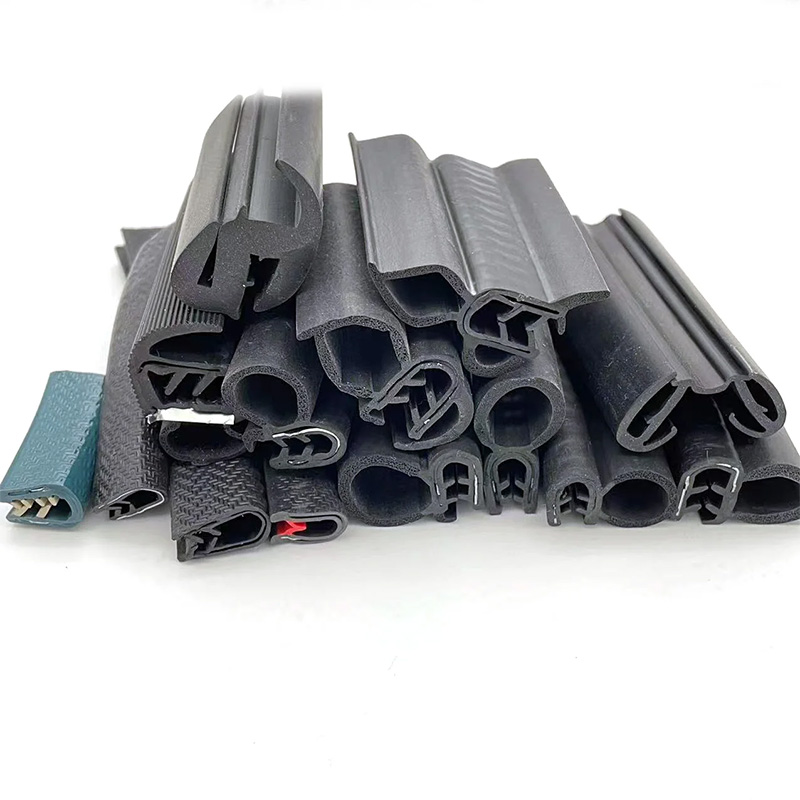
In simple terms, silicone rubber door seals are flexible strips made from silicone elastomers, designed to fill gaps between a door and its frame. Their primary function? To form a protective barrier that prevents air drafts, water ingress, dust, and noise from infiltrating through the edges. Unlike ordinary rubber, silicone’s unique molecular structure offers excellent temperature stability, UV resistance, and elasticity over time.
These seals bridge modern industry’s needs for durable and reliable components and humanitarian concerns—such as shelter efficiency in extreme climates. For example, organizations distributing rapid shelter in disaster zones rely on sturdy, weather-resistant seals to maintain indoor conditions despite harsh environments.
Mini takeaway: Silicone rubber door seals are simple yet advanced components critical for performance and protection across sectors, from homes to humanitarian aid.
Key Features That Make Silicone Rubber Door Seals Stand Out
1. Durability Across Temperature Extremes
Silicone is famed for maintaining flexibility and integrity in temperatures ranging from -60°C up to about 230°C. So whether it’s the freezing cold of Siberian winters or the scorching heat of desert warehouse doors, these seals don't crack or become brittle. This property is crucial for industrial applications where environmental conditions can change rapidly.
2. Excellent Resistance to Weather and Aging
Unlike natural rubber or many synthetic alternatives, silicone resists UV radiation, ozone, and general weathering. This longevity means the seals don’t just perform at first install but keep on working for years, thereby reducing replacement costs and maintenance downtime.
3. Versatile Scalability and Customization
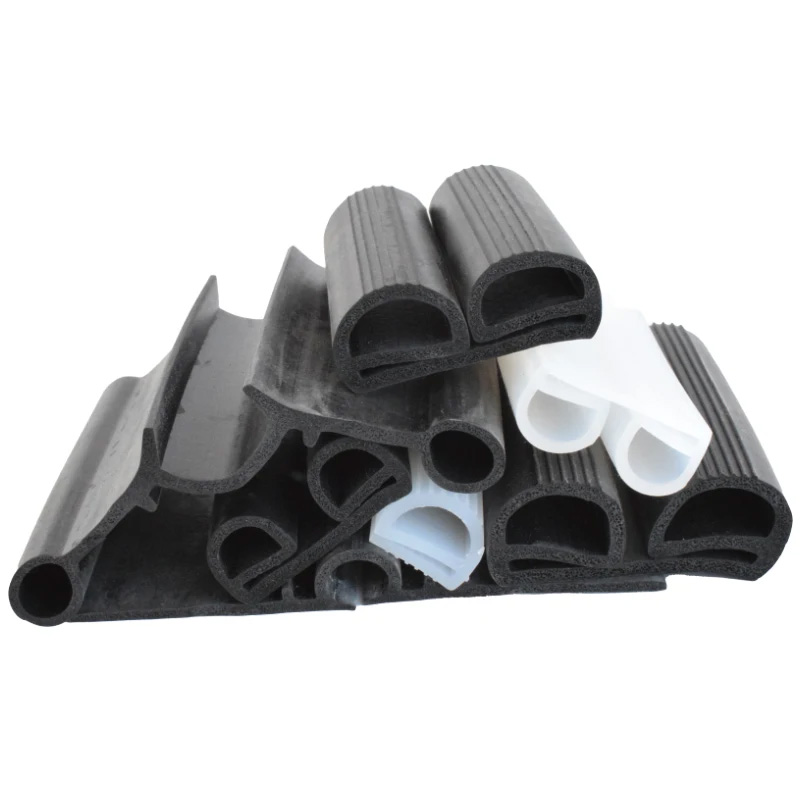
Manufacturers can produce silicone rubber door seals in various shapes, sizes, and durometers (hardness levels). This adaptability allows tailored solutions matching doors for hospitals, cold storage, automotive cabins, or even bespoke architectural designs.
4. Cost Efficiency Over the Long Term
While initially pricier than some materials, the long lifespan and energy-saving properties ensure silicone door seals represent outstanding value. Many building owners have observed noticeable drops in heating and cooling expenses once high-quality silicone seals replace worn-out alternatives.
5. Chemical and Water Resistance
Many factories and labs require seals that withstand exposure to chemicals and water without degrading. Silicone fits the bill perfectly, ensuring sealed environments remain contaminant-free and equipment protected.
Mini takeaway: Silicone rubber door seals aren’t just about closing gaps—they bring durability, flexibility, and cost savings into a neat package designed for modern demands.
Where Are Silicone Rubber Door Seals Used Globally?
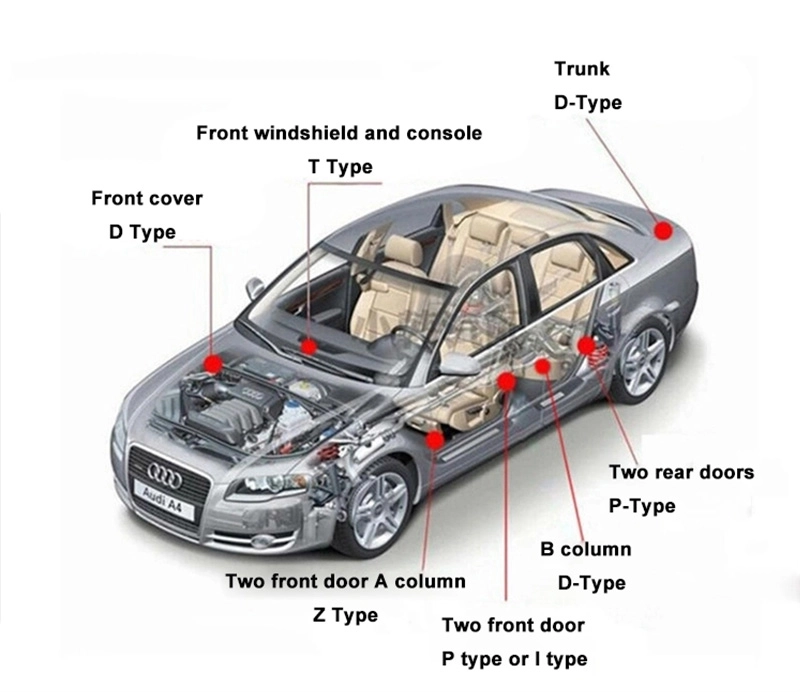
The global footprint of silicone rubber door seals is, frankly, huge. Industrial plants in Germany rely on them to maintain dust-free cleanrooms. In the US and Canada, warehouses and refrigerated shipping containers incorporate these seals to prevent spoilage of perishables. Meanwhile, in Asia, the expanding automotive industry uses them extensively for car door sealing to enhance comfort and noise control.
Even in humanitarian contexts — think relief housing after earthquakes or hurricanes — high-quality silicone seals help maintain safe indoor environments, protecting vulnerable populations from harsh weather. For example, NGOs distributing modular shelters in hurricane-affected Caribbean islands customize silicone seals to ensure airtight, moisture-proof living spaces.
Industries from aerospace to food processing are lean on these seals for reliability in tough conditions. In real terms, such seals contribute quietly but vitally to safety, efficiency, and comfort worldwide.
Mini takeaway: Whether it’s hurricane shelters, industrial plants, or modern vehicles, silicone rubber door seals serve an indispensable role globally.
Product Specifications: A Typical Silicone Rubber Door Seal
| Specification | Details |
|---|---|
| Material | Silicone rubber (high-purity silicone elastomer) |
| Temperature range | -60°C to 230°C (-76°F to 446°F) |
| Hardness (Shore A) | 25 - 70 (depends on model & customization) |
| UV and ozone resistance | Excellent, prevents cracking and degradation |
| Typical dimensions | Thickness: 2-15mm; width varies based on application |
| Chemical resistance | Highly resistant to oils, solvents, and water |
Comparing Leading Silicone Rubber Door Seal Vendors
| Vendor | Product Range | Customization Options | Certifications | Global Reach |
|---|---|---|---|---|
| SealTech Industries | Wide (industrial, automotive, residential) | Full custom profiles & hardness levels | ISO 9001, RoHS | North America, Europe, Asia |
| GlobalSeal Corp | Focused on HVAC and refrigeration seals | Limited customization; standard product lines | UL Listed, ISO 14001 | Mainly Europe and Americas |
| Silitech Solutions | Custom designs for medical and aerospace sectors | Highly customizable with rapid prototyping | FDA approved, ISO 13485 | Global (including emerging markets) |
The Long-Term Benefits of Silicone Rubber Door Seals
The value of silicone rubber door seals extends beyond first impressions. In real terms, it’s about reliability when it matters most: on a freezing winter morning, during an unexpected storm, or while carrying out mission-critical industrial operations.
- Cost Savings: Less energy wasted means smaller utility bills — a winning equation for homeowners and businesses alike.
- Sustainability: Durable seals mean fewer replacements, less waste, and a smaller environmental footprint.
- Safety and Comfort: Proper sealing reduces drafts, noise, and intrusion of hazardous particles.
- Trust and Innovation: Cutting-edge materials encourage confidence in infrastructure and machinery.
Frankly, the peace of mind that comes from knowing your facility or home can keep the outside where it belongs is priceless. And that’s where silicone rubber door seals truly shine.
What’s Next? Future Trends in Silicone Rubber Door Seals
We’re already seeing innovations that will shape the next decade of sealing technology:
- Eco-friendly Materials: Enhanced bio-based silicones designed to shrink environmental impact during production.
- Smart Seals: Integration of sensors that monitor wear or air leakage, feeding data to building management systems.
- Customization with AI: Automated design tools that speed up prototyping and enable perfect fit for even unusual door shapes.
- Recycling Initiatives: Programs to reclaim and repurpose old seals, reducing landfill waste.
Oddly enough, the future of these tiny seals feels intertwined with larger efforts toward green building design and digital transformation — not just as humble parts but as smart contributors to smarter infrastructure.
Challenges and How Industry Leaders Are Tackling Them
Not everything is seamless (pun intended) in the world of silicone seals. Some challenges include:
- Initial Cost: The upfront price can deter smaller buyers, though life-cycle savings quickly offset this.
- Installation Precision: Poor installation can reduce seal effectiveness — a reason why many insist on trained professionals.
- Supply Chain Fluctuations: Raw material shortages occasionally disrupt production timelines.
Industry experts are addressing these with flexible pricing models, online installer training programs, and diversified supplier networks. Innovation doesn’t just happen in the product; it’s in the ecosystem surrounding it.
Frequently Asked Questions About Silicone Rubber Door Seals
Q1: How do silicone rubber door seals improve energy efficiency in buildings?
A: They block unwanted drafts and air leaks around doors, reducing heating and cooling losses. This ensures HVAC systems don’t have to work overtime, lowering energy consumption and costs.
Q2: Can silicone rubber door seals withstand outdoor elements for years?
A: Absolutely. Silicone’s resistance to UV, ozone, and temperature extremes allows seals to maintain flexibility and seal integrity for 10+ years in most environments.
Q3: Are silicone rubber door seals suitable for chemical plants?
A: Yes. Their excellent chemical resistance ensures they maintain performance even in environments exposed to oils, solvents, and other harsh substances.
Q4: How customizable are silicone door seals for unique applications?
A: Quite customizable. Manufacturers can adjust shape, thickness, hardness, and length to fit specialized requirements, accommodating nearly any door design.
Q5: Where can I buy quality silicone rubber door seals?
A: Trusted vendors like silicone rubber door seals suppliers offer a variety of options, backed by certifications and technical support to guide selection and installation.
Wrapping Up: Why Invest in Silicone Rubber Door Seals?
In a nutshell, silicone rubber door seals are a subtle but vital component of modern building and industrial technology. Their unmatched durability, flexibility, and environmental resilience add value that pays dividends over time — through energy savings, equipment protection, and overall comfort.
For anyone looking to upgrade sealing solutions or specify materials for new projects, these seals offer peace of mind aligned with global sustainability goals. Want to learn more or source reliable products? Visit the website at https://www.xtshuoding.com.
It’s quite remarkable how something so small can make such a difference, isn’t it?
References
Share
-
Eco Friendly Drawstring Jute Bag Guide for Sustainable PackagingNewsApr.16,2026
-
Elegant Wedding Jute Bags for Sustainable and Rustic Event PackagingNewsApr.09,2026
-
Sustainable Jute Bags for Coffee Packaging and Branding SolutionsNewsApr.07,2026
-
Explore the Benefits of Sustainable Saran Jute Bags for Your BusinessNewsApr.04,2026
-
Sustainable Jute Soap Bags Packaging Solutions for Eco Friendly BrandsNewsMar.31,2026
-
Discover the EcoFriendly Charm of Jute Favor Bags for Every OccasionNewsMar.28,2026