Comprehensive Guide to Rubber Strip Door Seals: Benefits, Applications & Innovations
Why Rubber Strip Door Seals Matter Globally
At first glance, a rubber strip door seal might seem like a simple fix—just a strip of rubber hugging a door’s edge to keep the elements out. But zoom out, and it’s honestly kind of fascinating how these modest strips play a huge role in energy savings, occupant comfort, and even safety worldwide. Think about it: nearly a third of the energy we consume in buildings is wasted through poor insulation, including gaps around doors and windows. According to the International Energy Agency (IEA), improving building envelope sealing can cut energy use by up to 25%. That means better rubber strip door seals aren’t just a convenience—they’re part of the bigger global conversation on climate change, cost efficiency, and sustainable construction.
So why should you care about these humble seals? They’re the unsung heroes keeping drafts, noise, dust, and moisture where they belong—out. Getting to know them means understanding a simple yet vital solution that benefits building owners, manufacturers, humanitarian agencies, and even disaster responders.
Setting the Stage: What’s the Global Scene for Rubber Strip Door Seals?
The construction industry alone is responsible for nearly 40% of global energy-related CO2 emissions (UN Environment Programme). And a lot of that’s linked to inefficient sealing at doors and windows. This is where rubber strip door seal solutions come in, bridging the gap (literally) between energy waste and containment.
As urbanization surges, especially in Asia and Africa, there’s a booming demand for affordable, resilient building materials. Even humanitarian and post-disaster relief efforts rely on these seals for quick shelter solutions that protect against harsh climates and maintain hygiene. For instance, after hurricanes or earthquakes, deploying structures with reliable sealing means fewer health risks and better human dignity for displaced families.
ISO standards (like ISO 10140-2 for acoustic performance) also highlight the need for consistent sealing practices to maintain indoor environmental quality, pushing manufacturers to innovate better rubber strip door seals for all climates.
What Exactly is a Rubber Strip Door Seal?
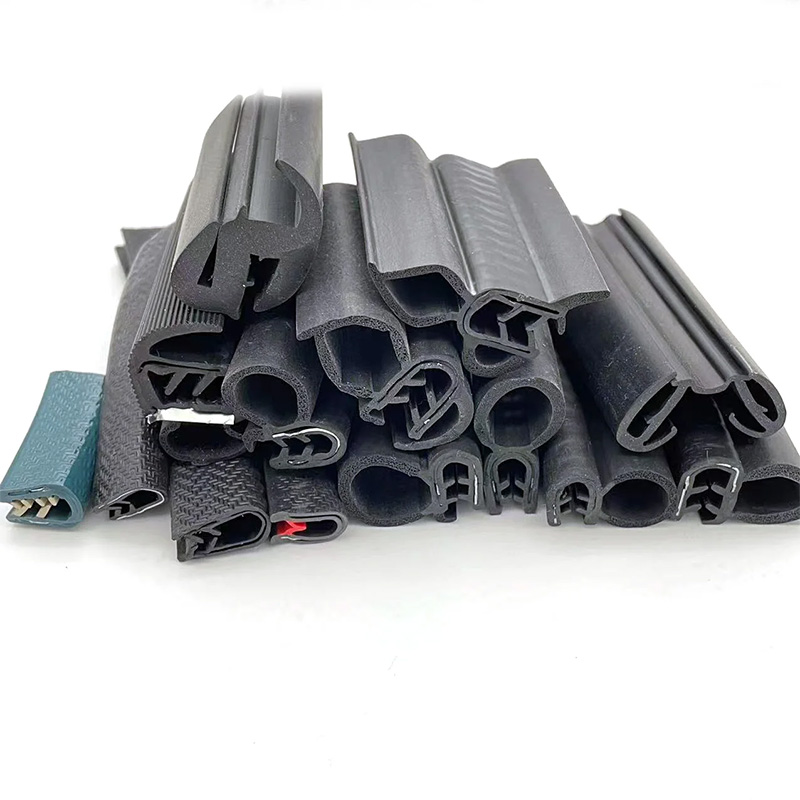
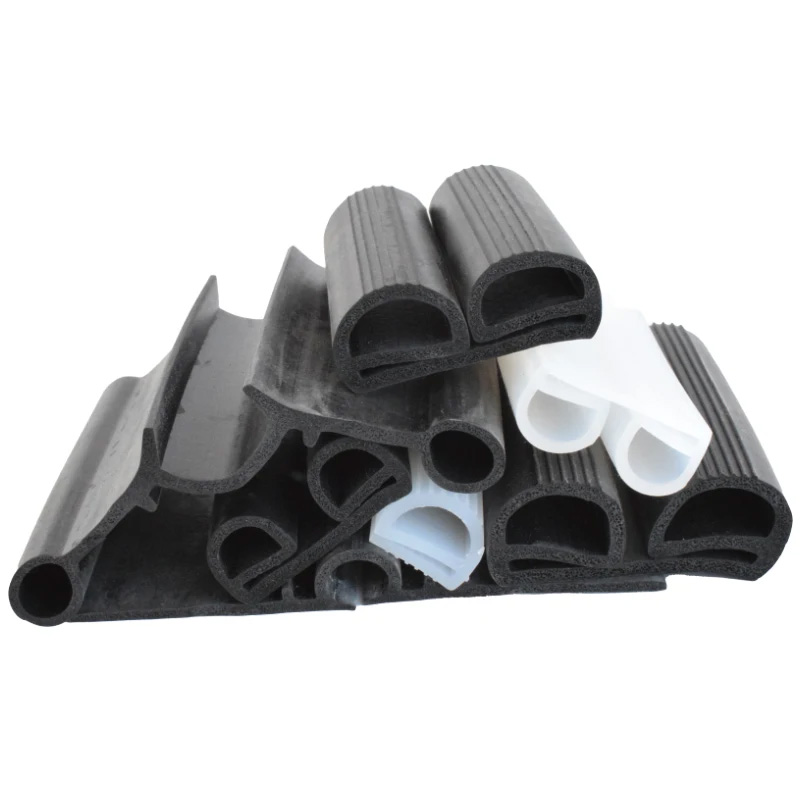
If you’re new to the term, the rubber strip door seal is essentially a flexible, compressible piece of rubber or elastomer material installed along the edges of doors (sometimes windows). Its job is to fill the tiny gaps between the door frame and door leaf, preventing air, dust, moisture, insects, and noise from sneaking in. It sounds basic—because it is—but choosing the right profile, compound, and application method makes a world of difference in performance.
In industrial terms, it acts like a gasket, much like the seals found in cars or machinery—only for buildings. They’re sometimes integrated into modular structures for speed and durability or applied in custom lengths for retrofitting older buildings. Oddly enough, these small strips connect the dots between modern building trends, sustainability goals, and health standards.
Key Factors That Define a Good Rubber Strip Door Seal
1. Durability
Many engineers say the right rubber compound is critical. It must resist wear, UV rays, ozone, and temperature swings—especially in places with harsh winters or blazing heat. Nitrile rubber (NBR), silicone, EPDM, and neoprene each bring different strengths. The seal should hold its shape over years without crumbly deterioration.
2. Flexibility and Compression
Good door seals compress easily but return to their original shape quickly. This “memory” prevents sagging or permanent deformation, ensuring constant sealing without requiring maintenance or adjustment after installation.
3. Noise Reduction
For urban buildings or industrial zones near airports, sealing out sound is a big plus. Proper seals help meet ISO 10140 acoustic standards, creating quieter, more comfortable indoor spaces.
4. Water and Air Tightness
The seal should prevent drafts and keep water from leaking inside, crucial for molds, mildew prevention, and overall indoor air quality.
5. Easy Installation & Maintenance
Whether it’s a DIY retrofit or a factory install, profiles that come with adhesive backings, snap-fit options, or magnetic strips make the process smooth and less prone to damage.
Rubber Strip Door Seal in the Real World: Applications Across the Globe
From chilly Scandinavian homes to tropical resorts in Southeast Asia, these seals are everywhere.
- Construction & Renovation: New building codes increasingly demand quality sealing to curb energy waste. Builders specify rubber strips for energy-efficient doors and windows.
- Industrial Facilities: Warehouses and factories use specialized seals to maintain internal climates, protect sensitive machinery, and reduce airborne contaminants.
- Humanitarian Relief: NGOs deploy modular shelters equipped with rubber strip door seals in refugee camps to shield occupants from dust, pests, and weather.
- Transportation: Trains, buses, and even airplane doors depend on rubber seals to ensure airtight compartments.
In many developing regions—in particular sub-Saharan Africa—low-cost, durable sealing solutions support local housing projects aimed at safer, more resilient communities against flooding and dust storms.
Standard Rubber Strip Door Seal Specifications
| Specification | Typical Value | Notes |
|---|---|---|
| Material | EPDM / Silicone / NBR | Common elastomers, selected by environment |
| Shore Hardness | 40 - 70A | Balance of flexibility and durability |
| Compression Set | Retention of shape after prolonged compression | |
| Temperature Range | -40°C to 120°C | Varies by rubber type |
| Weather Resistance | Excellent | Ozone, UV, and moisture resistant |
| Installation Method | Adhesive / Mechanical Fixing | Depends on application |
Popular Vendors & Their Offerings
| Vendor | Material Options | Adhesion Type | Special Features |
|---|---|---|---|
| SealTech Solutions | EPDM, Silicone | Self-adhesive backed | UV resistant; custom profiles |
| FlexiSeal Co. | NBR, Neoprene | Mechanical fixing | Extreme temperature range; fire retardant |
| Global Door Components | EPDM, NBR | Magnetic strip options | Sound insulation optimized |
Advantages of Using Rubber Strip Door Seals
They’re cost-effective, reduce energy loss, prevent pest intrusion, and enhance occupant comfort. Long-term, they contribute to lower maintenance costs and fewer building repairs caused by water damage or mold. On a human level, they help create environments where families sleep undisturbed, workplaces maintain productivity, and machines stay protected. There's an intangible peace of mind, too, knowing your home or facility is properly sealed.
The Future of Rubber Strip Door Seals
With sustainability pushing innovation, expect more bio-based rubber blends and recyclable profiles in coming years. Companies are experimenting with embedded sensors for real-time performance monitoring—imagine your door seal telling you when it needs replacing! Automation in manufacturing is enabling more customized shapes at scale, allowing precise fit and function. Plus, green building certifications increasingly reward quality sealing, turning these little strips into big market differentiators.
Challenges & How the Industry is Tackling Them
Common issues include material degradation under extreme weather or chemical exposure, installation errors that cause seal failure, and difficulty in customizing for irregular door shapes. Manufacturers now focus on tougher rubber compounds, user-friendly installation systems, and modularized profiles that snap together. Some even offer on-site training to improve deployment quality.
FAQ: Your Rubber Strip Door Seal Questions Answered
- Q1: How do I choose the right rubber strip door seal for my climate?
- A1: Consider temperature extremes and exposure to sunlight or chemicals. EPDM is excellent for UV and weather resistance, while silicone offers superior heat resistance. If you face heavy chemical exposure, nitrile (NBR) might be best.
- Q2: Can I install rubber strip seals myself?
- A2: Many modern seals come with self-adhesive backings for easy DIY installation. However, mechanical fixing may require tools. Always clean surfaces thoroughly and follow manufacturer instructions for lasting results.
- Q3: How often should these seals be replaced?
- A3: Depending on material and use, seals last 5-10 years. Signs like cracks, hardening, or loss of elasticity mean it’s time for replacement to maintain sealing efficiency.
- Q4: Are rubber strip door seals recyclable?
- A4: Traditionally, rubber compounds have limited recyclability, but the industry is advancing in bio-based and recyclable elastomers, so keep an eye out for newer eco-friendly options.
- Q5: Where can NGOs source reliable rubber strip door seals for field use?
- A5: Many established suppliers offer bulk or modular options tailored for humanitarian projects. Contact vendors with experience in relief logistics, or visit sites like rubber strip door seal providers for verified quality products.
Wrapping It Up: Why Rubber Strip Door Seal is Worth Your Attention
So... after walking through what might seem like just a slice of rubber taped to a door, you start to see its bigger picture importance. These seals are quiet champions in the global push for more sustainable, safe, and comfortable built environments. Whether it’s a home in Canada shoring up against winter winds, a factory in Germany aiming for quieter machines, or a shelter village in disaster zones halfway across the world—rubber strip door seals deliver peace of mind and proven savings.
If you’re interested in exploring high-quality sealing solutions, I recommend visiting https://www.xtshuoding.com for trusted rubber strip door seal options that meet international standards and go the distance.
References
Share
-
Eco Friendly Drawstring Jute Bag Guide for Sustainable PackagingNewsApr.16,2026
-
Elegant Wedding Jute Bags for Sustainable and Rustic Event PackagingNewsApr.09,2026
-
Sustainable Jute Bags for Coffee Packaging and Branding SolutionsNewsApr.07,2026
-
Explore the Benefits of Sustainable Saran Jute Bags for Your BusinessNewsApr.04,2026
-
Sustainable Jute Soap Bags Packaging Solutions for Eco Friendly BrandsNewsMar.31,2026
-
Discover the EcoFriendly Charm of Jute Favor Bags for Every OccasionNewsMar.28,2026