Rubber Seals for Glass Canisters: Durable, Sustainable Airtight Solutions
Rubber Seals for Glass Canisters: Essential Components in Modern Storage Solutions
Rubber seals for glass canisters might not be the flashiest topic, but they play a surprisingly crucial role worldwide. From pharmaceutical storage to food preservation, they help guarantee product safety, extend shelf life, and maintain airtight conditions. Understanding these seals is key, especially as industries worldwide push for more sustainable, reliable packaging solutions.
Global Context and Industry Relevance
On a global scale, the packaging industry was valued at over $1 trillion in recent years, with glass packaging holding a significant share thanks to its recyclability and inert properties (ISO). Rubber seals for glass canisters are vital within this ecosystem because they ensure the canisters’ contents remain uncontaminated.
Interestingly, the demand for such seals has risen by around 4-5% annually, driven by booming pharmaceutical and food sectors—which need pristine conditions to prevent spoilage and contamination. The World Health Organization stresses airtight storage as critical for vaccine integrity, which relies heavily on quality seals.
However, challenges exist: quality inconsistencies, environmental concerns, and cost pressures mean manufacturers constantly innovate to improve these seals.
Mini takeaway: Rubber seals are unsung heroes in global storage logistics, balancing quality and sustainability under rising industrial demands.
What Are Rubber Seals for Glass Canisters?
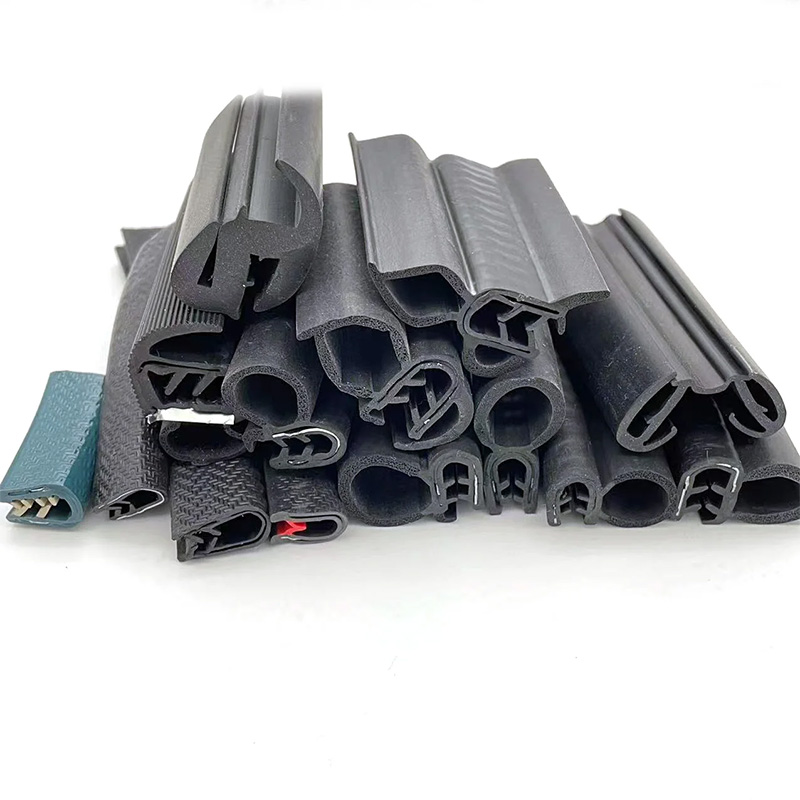
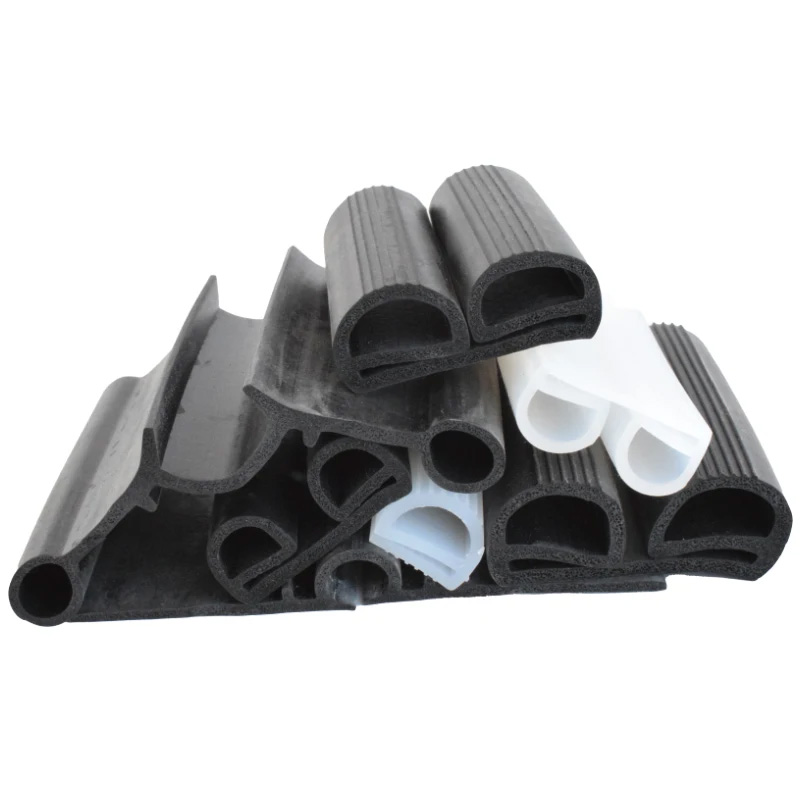
Simply put, these seals are flexible, often elastomeric rings or sheets fitted on the lid or rim of glass canisters to create airtight closures. They prevent air, moisture, dust, and microorganisms from compromising the contents. They’re typically made from synthetic rubbers like silicone, EPDM, or nitrile, each offering distinct performance traits.
For industries ranging from cosmetics to biopharma, this small component defines shelf life and product trust. Humanitarian settings also benefit — safely storing medicines or clean water often depends on dependable sealing.
Key Factors in Rubber Seal Performance
Durability
Rubber seals need to withstand repeated use and harsh storage conditions while maintaining elasticity to keep an airtight closure.
Chemical Resistance
Depending on the stored substance—whether acidic foodstuffs or solvents—seals must resist degradation or leaching.
Temperature Tolerance
Many rubber seals perform reliably from freezing cold to boiling sterilization temperatures, critical for pharmaceuticals.
Cost Efficiency
Balancing materials quality with affordability is essential for scaling production without sacrificing safety.
Customization
Seals often require tailored dimensions or shapes to fit unique canister designs, ensuring universal compatibility.
Mini takeaway: Successful rubber seals marry durability and chemical resilience with cost and design flexibility.
Real-World Applications Worldwide
In Europe and North America, pharmaceutical companies rely heavily on high-grade rubber seals to secure sterile glass vials and canisters. For example, during the COVID-19 vaccine rollout, airtight seals helped maintain vial sterility.
Meanwhile, in Southeast Asia and Africa, where many communities depend on safe water storage, rubber seals prevent contamination inside reusable glass canisters—an often overlooked but lifesaving use.
Food manufacturers globally use these seals to prolong freshness of ingredients like spices or honey, especially where refrigeration is limited.
Organizations like the UN have even adopted sealed glass containers for secure transport of medical samples in field operations.
Advantages and Long-Term Value
- Sustainability: Rubber seals combined with reusable glass reduce plastic waste significantly.
- Product Integrity: Airtight closures prevent spoilage, ensuring customer safety and confidence.
- Cost Savings: Reduced product loss through contamination lowers operational expenses.
- Social Impact: Reliable sealing enhances dignity and safety through better preservation of food and medicines, especially in vulnerable communities.
Frankly, the trust you place in a sealed vial or jar often hinges on these tiny but mighty components.
Future Trends & Innovations
We’re seeing exciting advances like bio-based rubber compounds to reduce environmental footprints. Nanocoatings on seals are also being explored to add anti-microbial properties. Automation in manufacturing is improving seal precision and consistency, while digital tracking technologies help verify seal integrity in real-time, crucial for cold chain logistics.
Sustainability directives from international bodies are pushing the industry towards greener materials and lifecycle analysis, which rubber seal manufacturers must heed.
Challenges & Solutions
One tricky aspect is balancing cost with performance. Lower-cost rubbers often underperform in chemically aggressive environments, leading to seal failure. On the other hand, premium materials raise supply chain costs.
Innovative solutions include hybrid seals combining rubber with TPU layers or improving rubber compounding with additives to extend lifespan. Quality control is key—advanced testing methods such as vacuum leak detection or spectroscopy help catch defects early.
Technical Specifications of Common Rubber Seals
| Specification | Silicone | EPDM | Nitrile |
|---|---|---|---|
| Temperature Range | -60°C to 230°C | -40°C to 150°C | -30°C to 100°C |
| Chemical Resistance | Good to excellent | Excellent to water and oxidants | Good to oils and fuels |
| Typical Hardness (Shore A) | 30-70 | 40-80 | 40-90 |
| Typical Uses | Pharmaceutical, food | Water, HVAC seals | Automotive, fuel |
Vendor Comparison for Rubber Seals
| Vendor | Material Range | Customization | Lead Time | Price Level |
|---|---|---|---|---|
| SealPro Co. | Silicone, EPDM | High | 2-3 weeks | Mid-High |
| RubberTech Ltd. | Nitrile, EPDM | Medium | 1-2 weeks | Mid |
| EcoSeal Inc. | Bio-based Silicone | High | 3-4 weeks | High |
Frequently Asked Questions About Rubber Seals for Glass Canisters
What materials are best for rubber seals in food-grade glass canisters?
Silicone rubber is often preferred for food-grade canisters because it’s inert, highly resistant to temperature extremes, and doesn’t impart any taste or odor. EPDM is also used but may lack some chemical resistance compared to silicone. Always ensure seals meet FDA or equivalent certifications for food contact.
How often should rubber seals be replaced on glass canisters?
Replacement frequency depends on usage and storage conditions. In high-use environments, seals might be replaced every 6-12 months to prevent wear-related leaks. For sealed pharmaceutical canisters, replace seals immediately if any damage or deformation appears to protect contents.
Are there eco-friendly options for rubber seals?
Yes, bio-based silicone seals and sustainably sourced EPDM variants are emerging. They reduce reliance on petroleum-based materials and often come from manufacturers engaged in circular economy practices. That said, these options may have higher upfront costs currently.
Can rubber seals be customized for unusual glass canister shapes?
Absolutely. Many manufacturers offer custom molding and cutting to accommodate non-standard rim sizes and complex canister designs. This is crucial for industrial or scientific applications where standard sizes don’t fit.
What testing ensures rubber seal airtightness?
Common tests include vacuum leak tests, compression set testing, and spectroscopic analysis of material integrity. These ensure seals will consistently maintain an airtight environment under expected storage conditions.
Conclusion
In sum, rubber seals for glass canisters are small but mighty enablers of product safety, longevity, and sustainability worldwide. Choosing the right material, understanding the challenges, and keeping abreast of new innovations can make all the difference.
For businesses looking to source high-quality seals or learn more, a visit to rubber seals for glass canisters is a great next step.
Oddly enough, these simple silicone rings quietly safeguard billions of lives every day—whether in vaccine vials, water storage, or gourmet preserves.
References
Share
-
Eco Friendly Drawstring Jute Bag Guide for Sustainable PackagingNewsApr.16,2026
-
Elegant Wedding Jute Bags for Sustainable and Rustic Event PackagingNewsApr.09,2026
-
Sustainable Jute Bags for Coffee Packaging and Branding SolutionsNewsApr.07,2026
-
Explore the Benefits of Sustainable Saran Jute Bags for Your BusinessNewsApr.04,2026
-
Sustainable Jute Soap Bags Packaging Solutions for Eco Friendly BrandsNewsMar.31,2026
-
Discover the EcoFriendly Charm of Jute Favor Bags for Every OccasionNewsMar.28,2026