Rubber Seals for Cookie Jars – A Small Component with Big Impact on Food Freshness
Understanding Rubber Seals for Cookie Jars: Why They Matter
Rubber seals for cookie jars may sound like a small, even quirky topic — but oddly enough, they play a surprisingly big role in ensuring food freshness and waste reduction worldwide. These simple components prevent air and moisture from sneaking in, preserving the crispness of your favorite treats and safeguarding their shelf life. In a world increasingly focused on sustainability and food safety, knowing what goes into these seals, how they function, and their broader applications can teach us a great deal about material science, product design, and even global manufacturing practices.
Global Context: More Than Just a Kitchen Staple
The global packaging market is projected to hit over $1 trillion by 2026, much of it driven by consumer demand for quality and safety (Statista). Sealing technology, including rubber seals, is a significant part of this ecosystem. Interestingly, the need for airtight seals isn’t limited to gourmet cookies or fancy jars — it also plays a vital role in reducing food spoilage across developing countries, where infrastructure challenges often compromise storage conditions.
The United Nations Food and Agriculture Organization estimates that nearly one-third of all food produced globally is wasted. Rubber seals, seemingly niche, support global efforts to curb this loss by keeping products fresher for longer. So if you thought this was a small subject — think again.
Defining Rubber Seals for Cookie Jars
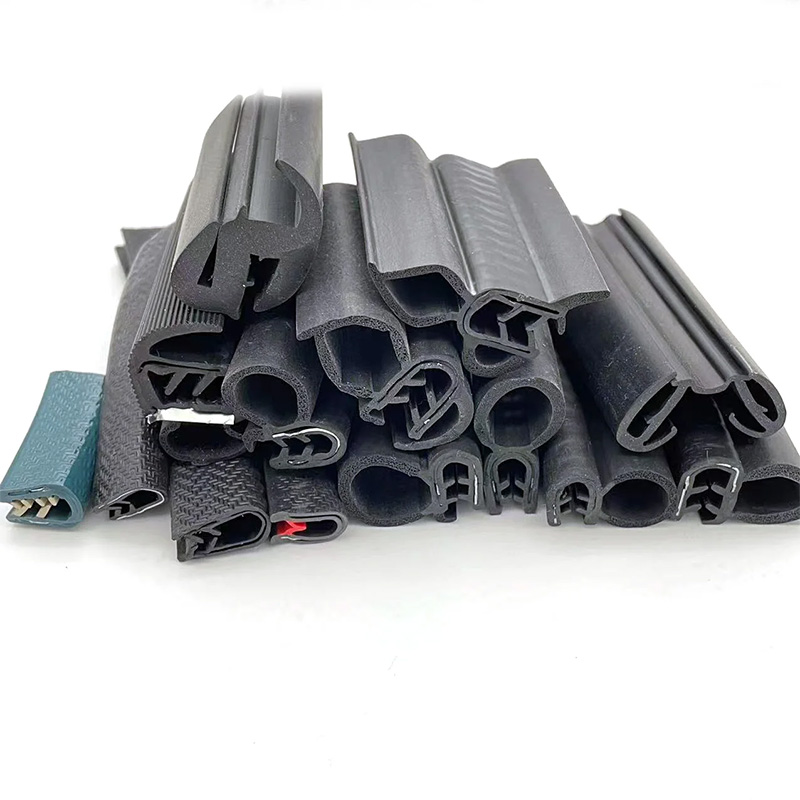
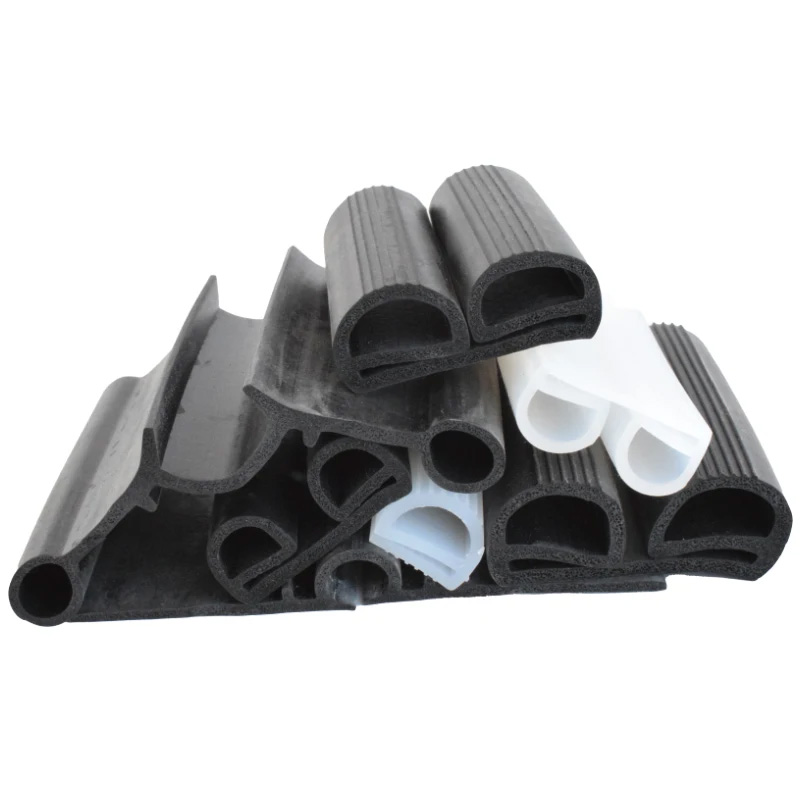
Plainly put, rubber seals for cookie jars are flexible, elastic rings or gaskets fitted around the jar’s lid or rim. Their job: create a tight, air- and moisture-proof barrier. Typically made from food-grade silicone or other synthetic elastomers, these seals must be safe, durable, non-toxic, and able to withstand repeated opening and closing without degrading.
Beyond everyday kitchen use, the material science behind these seals intersects with fields like medical packaging, chemical storage, and even aerospace — wherever airtight containment is critical.
Core Factors that Make These Seals Work
1. Durability
The rubber has to resist cracking or hardening even after thousands of uses — think about how often you open your cookie jar! Materials like silicone offer excellent longevity and flexibility.
2. Food-Safety Compliance
It's crucial the seals meet strict standards like FDA or EU food contact regulations to ensure no harmful chemicals leach into your treats.
3. Elasticity & Fit
The seal must form a perfect airtight ring despite minor manufacturing tolerances or temperature fluctuations. It’s a balance between being soft enough to compress but firm enough to bounce back.
4. Cost and Sustainability
Rubber seals today are designed with recyclability and cost-efficiency in mind, balancing environmental concerns with affordability.
Mini Takeaway:
These seals may seem simple, but their design is a careful dance between flexibility, safety, cost, and durability.
Typical Product Specs for Rubber Seals for Cookie Jars
| Specification | Detail |
|---|---|
| Material | Food-grade silicone rubber (FDA compliant) |
| Temperature Range | -40°C to 200°C (-40°F to 392°F) |
| Thickness | 3 mm (standard) |
| Color | Customizable (common: clear, white) |
| Compliance | FDA, EU 10/2011, RoHS |
Global Applications & Use Cases
It might be surprising, but rubber seals for cookie jars have analogues and cousins in all sorts of industries. For example, the airtight seals used in pharmaceutical vials take inspiration from designs originally perfected for consumer goods like cookie jars. In emerging markets, reusable storage containers sealed with high-quality rubber gaskets help reduce spoilage in hot, humid climates — quite critical when refrigeration isn’t always available.
NGOs often source food-grade rubber seals for ruggedized containers during disaster relief missions to ensure supplies remain uncontaminated. In industrial zones as remote as the Sahara or the Amazon, maintaining airtight seals protects sensitive ingredients and chemicals — the same fundamental principles behind your kitchen cookie jar seal.
Vendor Comparison for Rubber Seals for Cookie Jars
| Vendor | Material Quality | Price Range | Customization | Lead Time |
|---|---|---|---|---|
| SealCo | Premium silicone, FDA & EU approved | $$$ | Color & thickness options | 2 weeks |
| FlexiSeal Ltd. | Mid-grade silicone blend | $ | Standard colors only | 1 week |
| EcoRubber Supplies | Food-grade green silicone, recycled material | $$ | Focus on eco-friendly options | 3 weeks |
Advantages & Long-Term Value
The tangible benefits of these seals can be unraveled at many scales. On the practical side, they reduce the frequency of food spoilage, save costs on replacements, and cut down on waste disposal effort. Emotionally, a fresh jar of cookies evokes trust and comfort, enhancing brand loyalty and consumer experience.
On a broader environmental level, improving airtight sealing reduces food waste globally — and since food production carries a significant carbon footprint, keeping your cookies crisp actually contributes, if only marginally, to sustainability efforts.
Future Trends & Innovations in Rubber Seal Technology
Manufacturers are now experimenting with bio-based and biodegradable elastomers, aiming to reduce plastic and chemical disposal issues. Advances in digital manufacturing, like 3D printing of silicone seals, allow more intricate, highly customized designs, making seals fit multiple jar styles seamlessly.
Oddly enough, sensors embedded into seals could soon alert users when the container integrity is compromised or the freshness level drops. It feels like sci-fi, but given the current pace of smart packaging, it’s only a matter of time.
Challenges & Solutions
Producing seals that balance cost, compliance, and durability is no walk in the park. Some seals fail prematurely due to poor material choice, while others are pricier than kitchen brands can absorb. Moreover, global supply chain disruptions occasionally affect raw material availability.
Experts suggest adopting modular design standards and investing in high-quality raw silicone blends. Also, localized manufacturing and rigorous product testing standards mitigate risks, ensuring consumers get reliable seals every time.
FAQ: Frequently Asked Questions About Rubber Seals for Cookie Jars
-
Q: What materials are safest for rubber seals in food storage?
A: Food-grade silicone rubber is widely regarded as safest due to its chemical inertness, FDA approval, and stability over a broad temperature range. -
Q: How do I know if a cookie jar seal is airtight?
A: Check for compression fit and material flexibility. A good seal should prevent air from entering even under slight pressure and maintain elasticity after repeated use. -
Q: Can rubber seals be recycled or reused?
A: Many silicone seals are reusable, and some vendors provide recycling programs. However, recycling elastomers requires specialized processes not available everywhere. -
Q: How long do these seals typically last?
A: With typical household use, high-quality silicone seals can last several years without losing effectiveness. -
Q: Are there eco-friendly options for these seals?
A: Yes, some companies offer seals made from bio-based or recycled silicone compounds, aligning with sustainability goals.
Conclusion
In the grand scheme, the humble rubber seal for cookie jars embodies a perfect blend of engineering, safety, and environmental mindfulness — all tucked neatly in your pantry. They protect your food, reduce waste, and reflect an evolving market tuned to quality and sustainability.
If you want to learn more about high-performance, food-grade rubber seals or are interested in custom solutions, be sure to visit our website: rubber seals for cookie jars.
A great seal makes all the difference — you might never think about it, but your cookies will thank you.
References
Share
-
Eco Friendly Drawstring Jute Bag Guide for Sustainable PackagingNewsApr.16,2026
-
Elegant Wedding Jute Bags for Sustainable and Rustic Event PackagingNewsApr.09,2026
-
Sustainable Jute Bags for Coffee Packaging and Branding SolutionsNewsApr.07,2026
-
Explore the Benefits of Sustainable Saran Jute Bags for Your BusinessNewsApr.04,2026
-
Sustainable Jute Soap Bags Packaging Solutions for Eco Friendly BrandsNewsMar.31,2026
-
Discover the EcoFriendly Charm of Jute Favor Bags for Every OccasionNewsMar.28,2026