Rubber Seal for Under Door | Energy-Efficient Door Solutions
What Is a Rubber Seal for Under Door and Why Does It Matter Worldwide?
Imagine a chilly draft sneaking in every time you open a door, or worse — pesky dust and noise invading your space. That’s exactly what a rubber seal for under door is meant to prevent. These simple yet ingenious strips provide an airtight barrier beneath doors, improving energy efficiency, comfort, and even security. As sustainability and comfort become global priorities, understanding the role of such seals has never been more important.
Globally, buildings account for around 40% of energy consumption (source: IEA 2022). Sealing gaps under doors contributes to reducing heat loss, lowering carbon footprints, and enhancing indoor environments. Plus, in disaster relief or remote housing, dependable door seals keep out elements that affect health and safety.
Global Context: The Unsung Hero of Building Efficiency
From the skyscrapers of New York to remote clinics in Sub-Saharan Africa, rubber seals for under doors play a surprisingly pivotal role. According to the ISO, standardized sealing is a key factor in building envelope performance.
The challenge? Many buildings, especially older or temporary ones, suffer heat and airflow leaks through door bottoms. This wastes energy and causes discomfort — not the best scenario when climate change and rising energy costs are urgent global issues.
Addressing this is straightforward but impactful: a quality rubber seal can save homeowners, businesses, and humanitarian projects substantial costs while enhancing indoor air quality.
What Exactly Is a Rubber Seal for Under Door?
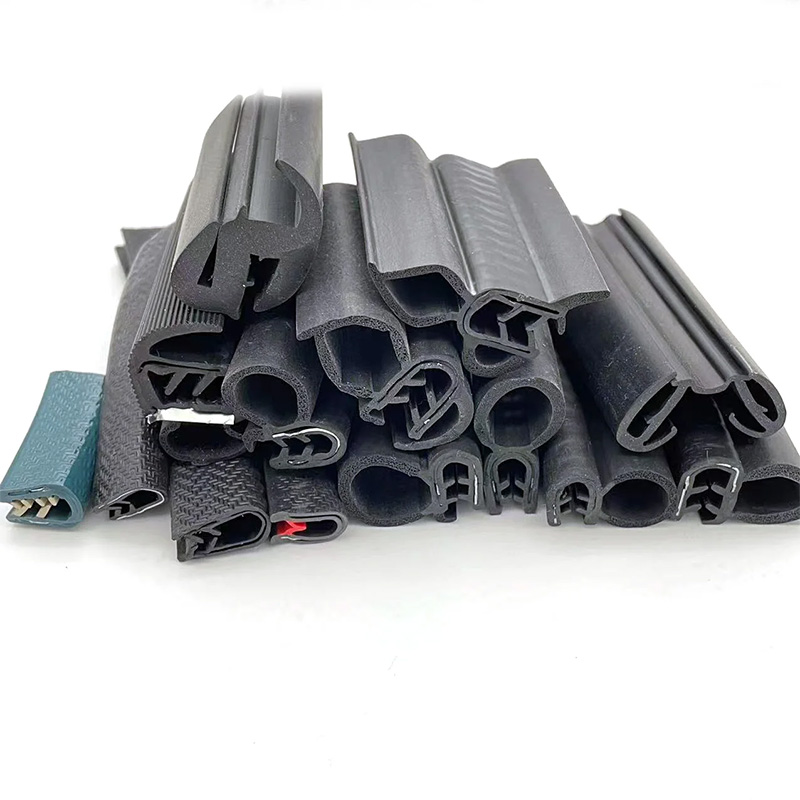
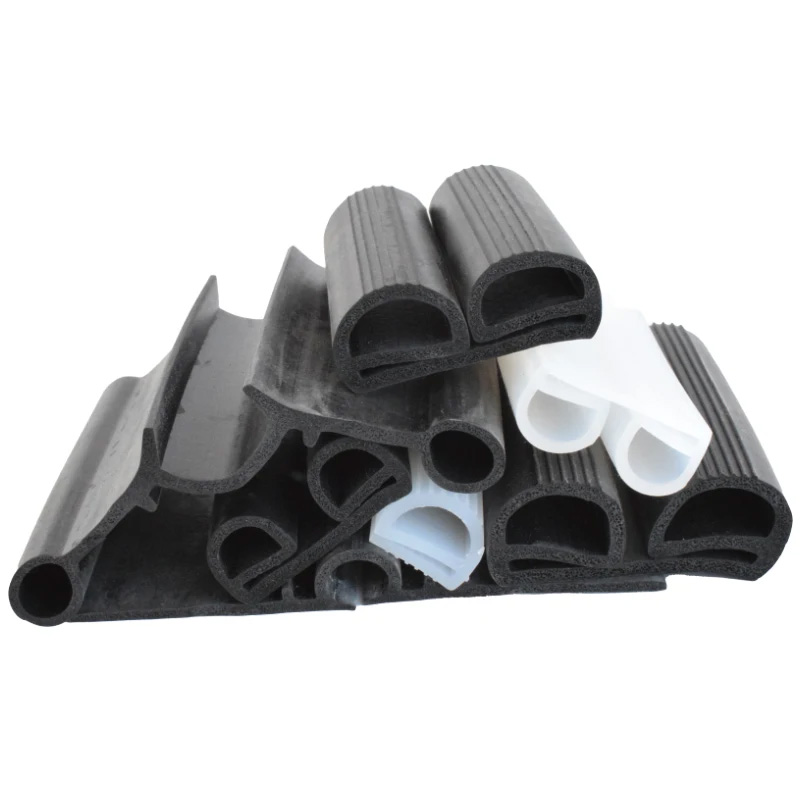
To keep it simple, a rubber seal for under door is a flexible strip—usually made of durable rubber or silicone—that attaches to the bottom edge of a door. Its job is to close the gap between the floor and the door, sealing out drafts, insects, moisture, and even sound.
In industrial or humanitarian settings, such seals are crucial. They help maintain sterile environments in hospitals, secure clean rooms in manufacturing, and ensure comfortable, safe shelters in crisis zones. It’s a small component but one closely tied to both everyday comfort and critical safety.
Core Components of a Quality Rubber Seal
1. Durability
These seals need to endure constant friction as doors open and close. High-grade rubber or silicone withstands abrasion and weathering, lasting several years without degradation.
2. Flexibility and Fit
Because floors vary—from wood to concrete—and doors differ in thickness, seals must be adaptable. Stuff too rigid under a door, and you risk damage or poor sealing.
3. Ease of Installation
In building renovations or rapid deployments (think: emergency shelters), fast and tool-free installation is a lifesaver.
4. Thermal and Acoustic Insulation
Good seals block air but also reduce noise transmission — a bonus for urban offices or hospitals.
5. Cost Efficiency
Affordable yet effective. Many end-users seek value for money without sacrificing performance.
Mini takeaway: Quality rubber seals strike the balance between resilience, fit, simplicity, and cost.
Where Is This Rubber Seal Used Globally?
Regions worldwide use these seals, albeit in tailored ways:
- Cold regions like Scandinavia: Focus is heavy on thermal insulation to limit heating costs.
- Urban centers such as Tokyo: Noise reduction ranks high amid dense, busy environments.
- Humanitarian projects in tropical Africa or Asia: Seals keep out water, dirt, and insects, augmenting shelter quality.
For example, NGOs building temporary clinics during outbreaks rely on airtight seals to maintain sterile zones. Many industrial warehouses benefit from dust-proofing offered by these seals, lowering maintenance costs effectively.
Oddly enough, it’s a humble product with massively diverse, practical applications, from luxury homes to makeshift refugee shelters.
Product Specification Table
| Specification | Details |
|---|---|
| Material | EPDM Rubber / Silicone |
| Length | Typically 36”, customizable |
| Height Adjustment | 5mm to 25mm gap coverage |
| Temperature Range | -40°C to 120°C |
| Installation | Adhesive-backed or screw-mounted |
| Lifespan | Up to 8 years with normal use |
The Advantages of Using Rubber Seals Beneath Doors
Let’s face it, no one likes drafts, loud bangs, or sneaky bugs in their homes or offices. But beyond comfort, these seals offer some meaningful benefits:
- Cost savings: Reduced energy bills from better heating and cooling retention.
- Sustainability: Decreased greenhouse gas emissions through energy conservation.
- Health & Safety: Blocking dust, allergens, and pests promotes healthier interiors.
- Noise reduction: Creates peaceful environments, vital in hospitals and schools.
- Improved Security: Helps deter insects and small rodents.
- Ease of Maintenance: Keeps floors cleaner by limiting dirt ingress.
It’s a tiny investment for a surprisingly wide range of returns — and frankly, it just feels good to keep drafts and dust out.
Comparing Vendors: What to Look for When Choosing a Rubber Door Seal
| Vendor | Material Quality | Customization Options | Price Range | Availability |
|---|---|---|---|---|
| SealPro Ltd. | Premium EPDM | Length/Height Custom | $$$ | Global |
| DoorGuard Co. | Standard Rubber | Fixed Sizes | $ | North America + Europe |
| EcoSeal Supplies | Recycled Rubber | Modular Kits | $$ | Europe only |
Looking Forward: Future Trends in Rubber Seals for Under Doors
Honestly, it feels like the humble rubber door seal is quietly adapting to big modern trends:
- Eco-friendly materials: More vendors use recycled and bio-based rubber, pushing circular economy ideas.
- Smart sealing technology: Integration with sensors or smart hinges to detect gaps and automate sealing.
- Enhanced durability: New formulations resist chemicals and UV rays better, ideal for industrial zones.
- Bulk customization: Automated manufacturing techniques mean more tailored solutions for unique door setups.
These changes mean better product lifecycle, less waste, and yet — probably no one notices them unless they really pay attention.
Challenges and How to Overcome Them
No product is perfect, right? Common issues with rubber seals for under door include:
- Wear and tear: Over time seals crack or lose elasticity.
- Improper fit: Leads to poor sealing and can damage doors or floors.
- Installation issues: Incorrect mounting diminishes effectiveness.
- Material allergies: Some allergic reactions to latex-based rubbers arise.
Fortunately, many of these problems have straightforward fixes: selecting higher-grade materials, using adjustable or modular designs, and following manufacturer instructions carefully. In climate zones with harsh extremes, choosing silicone-based seals often outperforms traditional rubber.
Frequently Asked Questions About Rubber Seal for Under Door
1. How do I know what size rubber seal fits my door?
Measure the gap between your door’s bottom edge and the floor when closed. Most seals specify their gap coverage. For uneven floors, adjustable height models work best. Keep in mind door sweep length and thickness for mounting compatibility.
2. Can I install a rubber seal for under door myself?
Absolutely! Many seals come with adhesive backing or simple screws for tool-free installation. Just clean the door bottom thoroughly before applying, and ensure alignment to avoid drag or damage. For best results, follow product instructions or watch installation tutorials.
3. How long do these rubber seals typically last?
With regular use and depending on environmental factors, most good-quality seals last between 5 to 8 years. Silicone variants tend to last longer in harsh conditions. Always inspect periodically for cracks or warping to maintain effectiveness.
4. Can rubber seals improve indoor air quality?
Yes! By sealing gaps under doors, these seals reduce infiltration of dust, pollen, mold spores, and insects, which improves overall air quality and helps allergy sufferers feel relief indoors.
5. Are there eco-friendly options available?
Increasingly, manufacturers offer seals made from recycled or bio-based rubber materials. These deliver comparable durability while lowering environmental impact. This shift aligns with global sustainability goals promoted by organizations like the UN.
Final Thoughts: Why a Rubber Seal for Under Door Is a Small But Powerful Upgrade
It might be surprising how a strip of rubber under a door can help solve big problems — from reducing energy wastage to improving comfort and safety. For homeowners, builders, and humanitarian workers alike, choosing the right rubber seal means investing in long-term quality.
If you’re curious and want to explore the range of options, consider visiting rubber seal for under door supplier catalogs. After all, the little things often make the biggest difference.
References
- IEA Global Status Report for Buildings and Construction 2022
- International Organization for Standardization (ISO)
- Wikipedia: Door sweep
Share
-
Eco Friendly Drawstring Jute Bag Guide for Sustainable PackagingNewsApr.16,2026
-
Elegant Wedding Jute Bags for Sustainable and Rustic Event PackagingNewsApr.09,2026
-
Sustainable Jute Bags for Coffee Packaging and Branding SolutionsNewsApr.07,2026
-
Explore the Benefits of Sustainable Saran Jute Bags for Your BusinessNewsApr.04,2026
-
Sustainable Jute Soap Bags Packaging Solutions for Eco Friendly BrandsNewsMar.31,2026
-
Discover the EcoFriendly Charm of Jute Favor Bags for Every OccasionNewsMar.28,2026