Comprehensive Guide to Twin Door Rubber Seals: Benefits, Applications, and Innovations
Why Twin Door Rubber Seals Matter Globally
At first glance, a twin door rubber seal might seem like just another hardware component. But zoom out, and you see its impact stretches far beyond everyday doors—it plays a crucial role in global shipping, construction, and even humanitarian aid. The world’s reliance on secure, energy-efficient doors and containers means that these seals help protect everything from valuable cargo crossing oceans to temperature-controlled warehouses storing life-saving vaccines.
Understanding these seals isn’t just for engineers or door manufacturers. Their usage ties into global trade efficiency, environmental sustainability, and safety standards. With the growth of international commerce and stricter energy codes worldwide, quality door seals like these aren’t a luxury—they’re a necessity.
Setting the Stage: The Global Context of Twin Door Rubber Seals
Did you know? According to the International Maritime Organization (IMO), over 90% of world trade by volume relies on shipping containers. Many of those containers have twin doors sealed tight with specialized rubber settings designed to protect the contents from moisture, dust, and temperature fluctuations. But that’s not all—ISO standards (specifically ISO 11607 for packaging seals) keep pushing for better performance, especially in sensitive applications.
Still, challenges abound. From harsh climate conditions to rough handling during transit, a seal can make or break the door’s effectiveness. Poor sealing leads to damaged cargo, energy loss, and sometimes costly delays. That’s why the twin door rubber seal is increasingly a focus in logistics and construction industries globally.
Mini Takeaway
Simply put, twin door rubber seals are a bottleneck solution in the global supply chain and building efficiency puzzle. They guard value and reduce waste.
What Exactly is a Twin Door Rubber Seal?
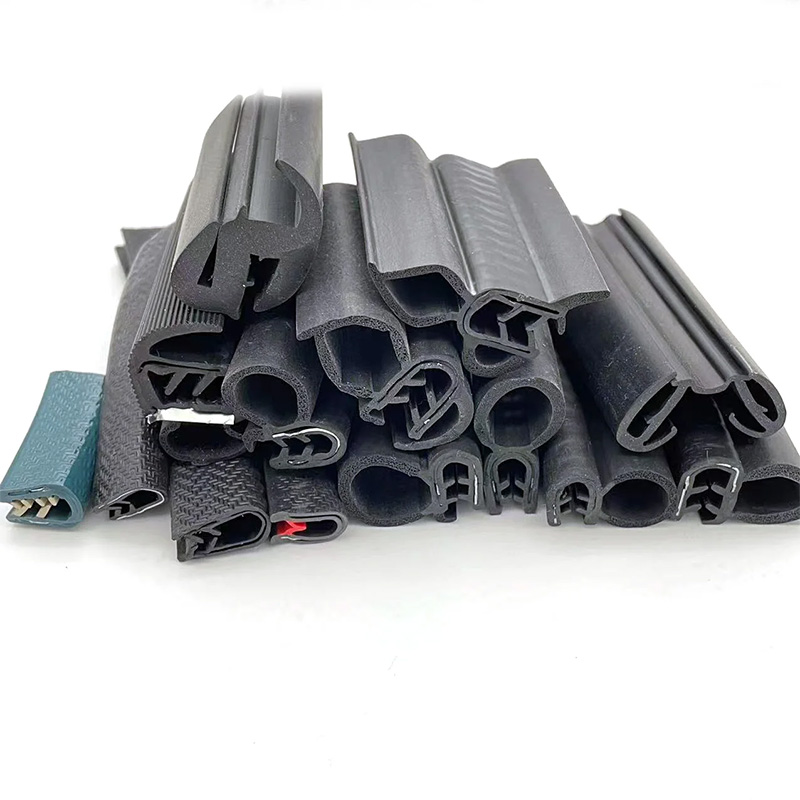
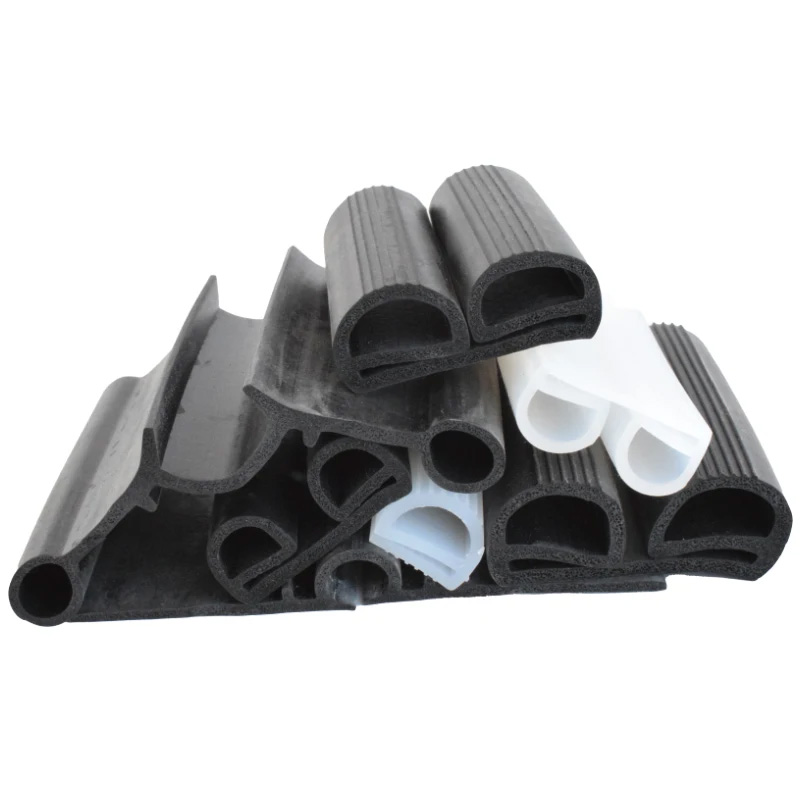
In straightforward terms, a twin door rubber seal is a flexible gasket designed to fit between two adjacent doors or door panels. Usually made from high-grade synthetic rubber compounds (say EPDM, silicone, or neoprene), these seals form an airtight, sometimes watertight, barrier upon closure.
Think of it like a strong handshake—but one that keeps out dust, wind, and water. These seals accommodate the doors’ twin structure, making sure both doors close uniformly and seal evenly. They’re ubiquitous in refrigerated truck trailers, shipping container doors, industrial warehouses, and even secure entrances for clean rooms.
This simple part has vast industrial and humanitarian importance. In disaster relief, for example, temporary shelter units often use twin door seals to ensure weatherproofing in chaotic environments.
Mini Takeaway
Twin door rubber seals are deceptively simple yet essential for airtight, secure closure in demanding environments.
Core Components: What Makes a Good Twin Door Rubber Seal?
1. Durability
These seals need to withstand repeated opening and closing, exposure to UV, ozone, temperature swings, and mechanical abrasion. Materials like EPDM and silicone are popular because they resist cracking and remain flexible over years of use. Roughly speaking, the best seals last anywhere from 5 to 15 years depending on conditions.
2. Weather and Environmental Resistance
Must be water-resistant, dustproof, and sometimes chemical-resistant. This is key for maritime containers that face salty air or warehouses near industrial emissions. A seal doing its job here means fewer spoilage claims and happier customers.
3. Flexibility & Compression Set
The rubber needs to compress enough to form an airtight seal but rebound back for longevity. Too stiff, and it won’t seal well; too soft, and it wears out fast. The right balance prolongs effectiveness.
4. Installation and Customization
Some industries require custom sizes or profiles — maybe a seal with an integrated metal insert or adhesive backing. The ability to match these specs during installation reduces labor and ensures consistent performance across door pairs.
5. Cost Efficiency
A great seal isn’t necessarily the cheapest upfront, but its life cycle costs matter most. Less frequent replacement, lower energy loss, and reduced maintenance contribute to savings beyond just the part price.
Mini Takeaway
Durability, resistance, flexibility, installation ease, and cost all blend to define the twin door rubber seal’s practical value.
How Are Twin Door Rubber Seals Used Around the World?
The fascinating thing is their versatility. They show up in:
- Marine Shipping Containers: Keeping salty spray and moisture out on global shipping routes from Rotterdam to Shanghai.
- Cold Storage Facilities: In Canada and Scandinavia, where airtight seals maintain consistent sub-zero temperatures storing vaccines or food.
- Industrial Warehouses: In arid regions like the Middle East, seals prevent dust ingress, protecting machinery and inventory.
- Disaster Relief Programs: Temporary shelters in places hit by hurricanes or earthquakes—where weatherproofing matters for dignity and health.
- Commercial Construction: Buildings in urban Asia increasingly require energy-efficient doors, relying on tight twin door rubber seals to meet green building standards.
Mini Takeaway
From container ports to disaster zones, twin door rubber seals quietly enable safety, durability, and efficiency.
Product Specifications of a Typical Twin Door Rubber Seal
| Specification | Details |
|---|---|
| Material | EPDM Rubber (Ethylene Propylene Diene Monomer) |
| Temperature Range | -40°C to +120°C (-40°F to 248°F) |
| Compression Set | Max 25% after 72 hours at 70°C |
| Length | Typically 10 meters per roll (customizable) |
| Color | Black (standard), custom colors available |
| UV Resistance | Excellent, meets ASTM D4329 standards |
Vendor Comparison: Leading Twin Door Rubber Seal Providers
| Vendor | Material Quality | Customization Options | Price Range | Lead Time |
|---|---|---|---|---|
| XTS Huoding | High-grade EPDM & Neoprene | Extensive (custom profiles & colors) | $$$ (Mid-High) | 2-4 weeks |
| SealPro Inc. | Standard EPDM | Limited | $$ (Mid) | 4-6 weeks |
| Global Rubber Solutions | Neoprene & Silicone blends | Moderate | $$$$ (High) | 1-3 weeks |
Advantages and Lasting Value
Honestly, the most striking benefit lies in preventing losses—whether cargo spoiling, energy leakage, or costly door repairs. A solid twin door rubber seal can save thousands of dollars annually in energy costs and damages.
Plus, we can’t overlook the emotional peace of mind that comes from trust. In fields like food logistics or emergency housing, the reliability of these seals literally protects lives and livelihoods.
From a sustainability angle, better seals help reduce heating/cooling energy, contributing to carbon footprint reduction — an increasingly urgent goal worldwide.
Looking Ahead: Trends and Innovations
Future twin door rubber seals are on the brink of innovation. Companies are experimenting with bio-based rubbers—not only cut carbon but also enhancing biodegradability. Smart indicators embedded right in the seal may soon warn operators of wear before failure.
Digital transformation influences too: IoT sensors integrated near seals provide real-time health data. Automation in installation cuts margin for human error, and better materials lead the way toward multi-season (extreme hot & cold) performance without compromise.
Facing Challenges Head-On
Of course, no product is perfect. One common issue is seal degradation due to UV exposure in sunny climates. While additives help, perfect resistance remains elusive.
Another obstacle is installation inconsistency—improper fitting reduces efficiency profoundly. The solution? Training programs, custom tooling, and on-site inspection protocols.
Supply chain delays can be a pain, especially for tailored seals. Vendors like XTS Huoding mitigate this with modular production and local stock options.
FAQs About Twin Door Rubber Seals
Q1: How long does a typical twin door rubber seal last?
A1: Under normal conditions, they last between 5 to 15 years. Lifespan depends on material quality, environmental exposure, and maintenance. EPDM and silicone variants tend to outperform standard rubber in outdoor and temperature-extreme settings.
Q2: Can twin door rubber seals be custom-sized?
A2: Absolutely. Many suppliers offer tailored profiles and lengths to fit specific door designs and applications. Customization ensures superior sealing performance and easier installation.
Q3: Are these seals suitable for refrigerated containers?
A3: Yes, they are commonly used in cold chain logistics. Their airtight properties help maintain temperature control, essential for pharmaceuticals and perishables.
Q4: What maintenance is required for these seals?
A4: Regular cleaning, inspection for cracks or compression set, and replacement when elasticity diminishes. Proper care extends service life significantly.
Q5: How do environmental factors affect seal performance?
A5: Exposure to UV, ozone, saltwater, and chemicals can degrade seals if not made from resistant compounds. Selecting the right material for the environment is key.
Conclusion: The Last Word on Twin Door Rubber Seals
Sometimes the smallest components carry the greatest responsibility. Twin door rubber seals quietly keep global goods safe, energy bills lower, and disaster shelters dry. Their blend of technical sophistication and real-world reliability reminds me of how smart engineering touches every corner of our lives.
Curious to learn more or need a tailored solution? Visit us at https://www.xtshuoding.com and explore how we can improve your sealing challenges.
References
Share
-
Eco Friendly Drawstring Jute Bag Guide for Sustainable PackagingNewsApr.16,2026
-
Elegant Wedding Jute Bags for Sustainable and Rustic Event PackagingNewsApr.09,2026
-
Sustainable Jute Bags for Coffee Packaging and Branding SolutionsNewsApr.07,2026
-
Explore the Benefits of Sustainable Saran Jute Bags for Your BusinessNewsApr.04,2026
-
Sustainable Jute Soap Bags Packaging Solutions for Eco Friendly BrandsNewsMar.31,2026
-
Discover the EcoFriendly Charm of Jute Favor Bags for Every OccasionNewsMar.28,2026