Comprehensive Guide to Door and Window Rubber Seals: Benefits, Uses, and Innovations
Understanding Door and Window Rubber Seals: Why They Matter Globally
It’s funny how something as seemingly simple as door and window rubber seals can play an outsized role in our daily lives—and yet, many don’t give them much thought. From chilly winters to scorching summers, these seals quietly work to keep inconvenient drafts, moisture, and noise at bay. But beyond comfort, they hold keys to energy efficiency, building longevity, and even humanitarian needs worldwide.
Globally, buildings are a huge consumer of energy—accounting for roughly 40% of total energy use according to the International Energy Agency. Poorly sealed doors and windows contribute significantly to energy loss. Simply put, without effective sealing, your heat escapes in cold climates, or your precious cooled air is wasted in warmer regions. This inefficiency isn’t just about bills; it’s about reducing carbon footprints and supporting sustainability targets set by organizations like the UN Framework Convention on Climate Change.
Moreover, in many parts of the world, particularly where housing quality varies widely, effective sealing dramatically improves indoor air quality and structural resilience. So understanding the role and advantages of these rubber seals isn't just a technical curiosity—it’s part of a much bigger puzzle in sustainable construction and humanitarian planning.
What Exactly Are Door and Window Rubber Seals?
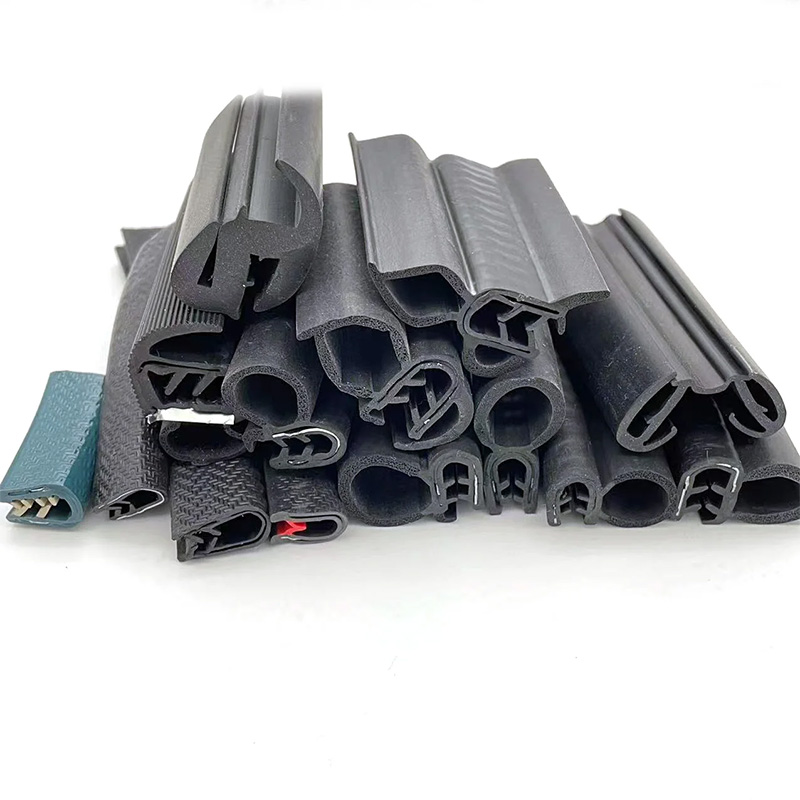
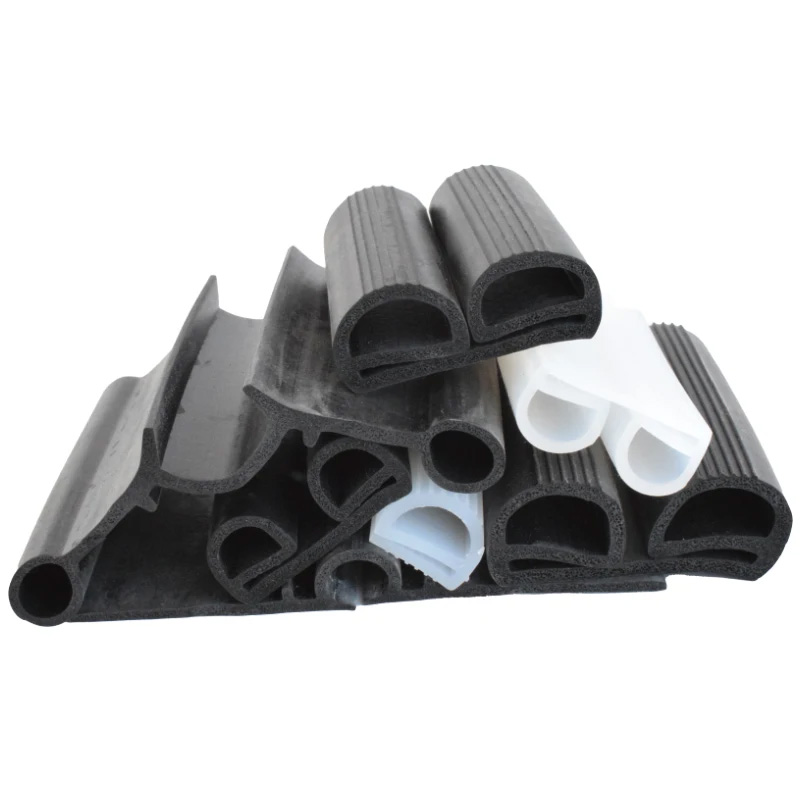
At their core, door and window rubber seals are flexible strips made primarily of rubber or similar elastomeric materials. Their job? To create a tight barrier between a door or window frame and its sash—or between two surfaces—blocking air, water, dust, insects, and noise from sneaking through gaps.
They come in many shapes and profiles—the most familiar might be the bulb seal, the weatherstrip, or the compression seal. What’s neat is how this deceptively simple product intersects with modern needs: in disaster relief shelters, energy-efficient buildings, industrial warehouses, and even clean rooms in high-tech manufacturing. Their effective sealing can mean the difference between retaining heat and letting humidity inside, or between staving off pests and having a compromised environment.
Core Components That Define Quality in Rubber Seals
Durability
Given their exposure to elements—sunlight, rain, wind, temperature swings—durability is vital. Most high-quality seals use EPDM rubber, known for its resistance to UV rays and ozone. You don’t want your seal cracking after a couple of years; that’s a costly headache for maintenance teams.
Flexibility and Compression
The seal has to compress when the door or window closes and rebound when opened without losing shape or cracking. This ensures a snug fit constantly. It’s a sophisticated dance of materials science and engineering.
Energy Efficiency
Low thermal conductivity materials in the seal help prevent heat exchange, making your insulation efforts effective. This is why seal design and rubber type can directly affect heating and cooling costs.
Ease of Installation
Even the best seals are useless if they’re hard to install or require special tools. Many seals come with adhesive backing or are designed to snap into specific channels, providing flexibility for contractors and DIYers alike.
Cost Effectiveness
Cost matters in large-scale applications. The best rubber seals balance quality and price so that governments or industries can deploy them widely without breaking budgets.
Where Are These Rubber Seals Making a Real Difference?
It’s easy to overlook, but in regions with extreme climatic conditions—like Scandinavia or northern Canada—sealing plays a pivotal role. Buildings rely on these seals to maintain their thermal envelope during months-long winters.
In Asia-Pacific’s rapidly urbanizing areas, standardized rubber seals help new housing stay comfortable and sustainable. Meanwhile, in humanitarian contexts—think crisis zones after earthquakes or floods—quickly installed door and window rubber seals contribute to safe, habitable emergency shelters.
Even in industrial settings, such as pharmaceutical manufacturing in Europe or electronics assembly plants in East Asia, specialized seals maintain sterile, temperature-controlled environments. It’s quite fascinating how one material adapts to so many needs.
Long story short: these seals aren’t just part of your home’s comfort. They are integral across diverse sectors and continents.
| Specification | Typical Value | Details |
|---|---|---|
| Material | EPDM Rubber | Resistant to weather & UV |
| Temperature Range | -40°C to +120°C | Suitable for extreme climates |
| Compression Set | Maintains shape after repeated use | |
| UV/Ozone Resistance | High | Extends lifespan outdoors |
| Installation Type | Self-adhesive / Snap-in | Ease for installers |
What Makes Door and Window Rubber Seals Worth It in the Long Run?
For one, they save money. Homeowners, businesses, and governments alike see tangible reductions in energy consumption. But that’s a bit dry—what about comfort and safety? Seals also protect interiors from rain and pests, which means less damage and healthier environments.
There’s an emotional element too. Feeling safe in your home, knowing your space is well-protected, or providing dignified shelter in crisis areas—that’s not something you measure in kilowatts alone.
In sustainability terms, durable seals mean less waste and less frequent replacement. Fewer resources are spent on repairs and replacements, feeding into circular economy goals. And because these seals help maintain controlled indoor air quality, they indirectly support occupant health.
Leading Vendors at a Glance
| Vendor | Materials Offered | Price Range (USD/meter) | Unique Strength | Typical Applications |
|---|---|---|---|---|
| XTShuoding | EPDM, Silicone, TPE | $1.20 - $3.50 | Custom profiles & fast delivery | Residential, Industrial, Emergencies |
| SealMasters Inc. | EPDM, Neoprene | $1.00 - $2.80 | Large-scale production capacity | Commercial Buildings, Warehouses |
| EcoSeal Solutions | Biodegradable Rubber | $2.50 - $4.00 | Eco-friendly & recyclable materials | Green Construction Projects |
What’s Next? Trends and Innovations on the Horizon
Honestly, this sector feels quite traditional, but it’s quietly embracing some smart upgrades. For one, greener materials like bio-based rubbers are increasingly popular. Regulations and certifications from bodies like ISO 14001 push manufacturers toward sustainability.
Then there’s the rise of automation in production, enabling more precise and customizable seals tailored for every project. Imagine sealing solutions integrated with smart home tech that change properties with temperature or humidity changes—while still a bit futuristic, research labs are exploring this.
Finally, digital tools are speeding design and testing phases, meaning engineers can simulate wear and tear, UV exposure, and deformation long before things reach your storefront.
Common Hiccups and How to Solve Them
- Seal Wear and Tear: The most frequent challenge is material degradation over time. Using superior EPDM or silicone, combined with UV protection additives, increases lifespan.
- Installation Errors: Wrong installation can lead to leaks regardless of seal quality. Training and easy-to-use adhesive or snap-in systems reduce mistakes dramatically.
- Cost vs Longevity Dilemma: Cheaper seals seem attractive but often cost more in replacement. Strategic procurement from trusted suppliers balances this well.
Frequently Asked Questions About Door and Window Rubber Seals
Q: How long do rubber seals typically last on residential doors and windows?
A: Most quality EPDM rubber seals last between 7 to 10 years under normal conditions. Factors like UV exposure or extreme temperature fluctuations can reduce lifespan, so proper choice and maintenance are key.
Q: Can these seals prevent noise pollution effectively?
A: Yes, rubber seals can significantly reduce noise infiltration by closing gaps where sound travels. Combined with double-glazed windows, they enhance indoor quietness noticeably.
Q: Are door and window seals easy to replace on older buildings?
A: Generally, yes. Many seals are designed for retrofit, with adhesive backs or flexible profiles. However, older frames might require custom cutting or fitting for best results.
Q: Is it possible to get custom rubber seal profiles for specialized industrial applications?
A: Absolutely. Vendors like XTShuoding offer custom extrusions tailored to specific dimensions, materials, and performance criteria—ideal for unique industrial needs.
Q: How do rubber seals contribute to energy savings?
A: By creating airtight seals, they minimize heat loss in winter and heat gain in summer, thus reducing the energy needed for heating and cooling your building.
Final Thoughts: The Small Hero of Building Comfort and Sustainability
In the grand scheme of construction and life, door and window rubber seals might seem a minor detail. But that’s exactly what makes them fascinating—they solve quietly persistent problems and pay dividends in comfort, safety, and efficiency over years.
If you want to explore tailored, high-quality sealing solutions that suit diverse needs—residential, industrial, or humanitarian—don’t hesitate to visit XTShuoding. It’s the kind of investment where the ripple effects genuinely shape better living and working conditions worldwide.
Share
-
Eco Friendly Drawstring Jute Bag Guide for Sustainable PackagingNewsApr.16,2026
-
Elegant Wedding Jute Bags for Sustainable and Rustic Event PackagingNewsApr.09,2026
-
Sustainable Jute Bags for Coffee Packaging and Branding SolutionsNewsApr.07,2026
-
Explore the Benefits of Sustainable Saran Jute Bags for Your BusinessNewsApr.04,2026
-
Sustainable Jute Soap Bags Packaging Solutions for Eco Friendly BrandsNewsMar.31,2026
-
Discover the EcoFriendly Charm of Jute Favor Bags for Every OccasionNewsMar.28,2026