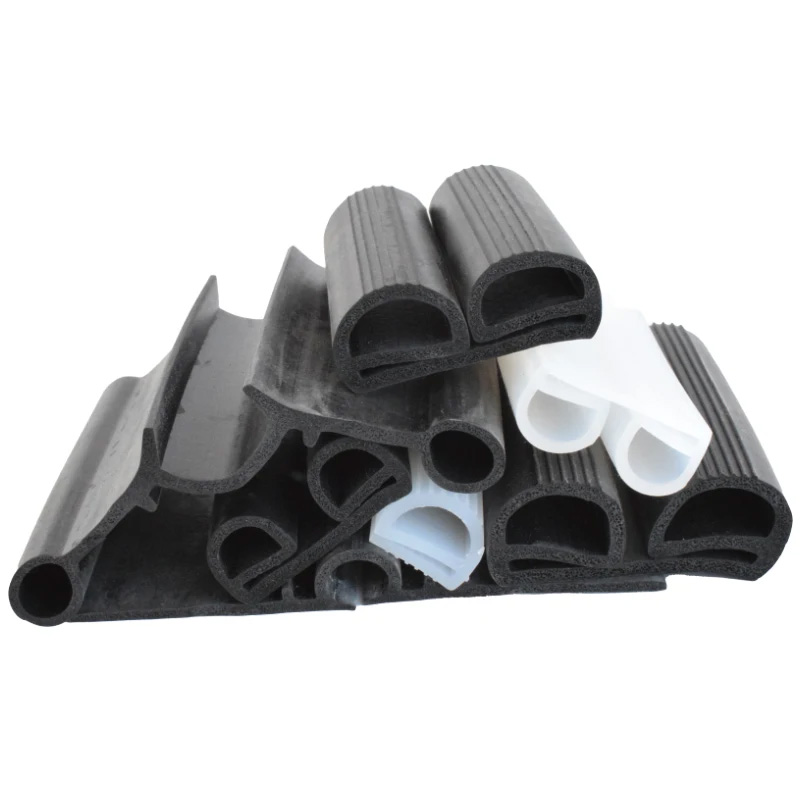
Essential Guide to House Door Seal Rubber Strips: Enhance Energy Efficiency & Comfort
Why House Door Seal Rubber Strips Matter More Than You Think
At first glance, house door seal rubber strips may sound like a modest, almost mundane product—just a simple strip of rubber lining your doorframe to keep the elements out. But if you pause and consider the global scale of energy consumption, climate control, and building integrity, suddenly these humble strips become unsung heroes in sustainable living and efficient home design.
Globally, the majority of residential energy loss occurs through poorly sealed doors and windows. According to the International Energy Agency (IEA), almost 15-20% of heating and cooling energy escapes this way. It’s a problem that touches on environmental concerns, cost efficiency, and everyday comfort. Understanding the role of rubber sealing strips in this puzzle isn’t just an engineering triviality—it’s a stepping stone towards smarter housing and better global energy policies. Beyond homes, these strips find their way into industrial applications, humanitarian aid shelters, and even automotive sectors.
The Global Context: Why Sealing Your Door Saves More Than Just Money
Energy efficiency is a cornerstone of meeting ambitious climate targets set by organizations such as the United Nations Framework Convention on Climate Change (UNFCCC). Weatherization improvements like sealing gaps with rubber strips have proven to reduce carbon emissions by lowering reliance on heating and cooling systems. According to the U.S. Department of Energy, air infiltration causes up to 30% of energy loss in typical buildings, with door gaps being among the main culprits.
In developing regions, where inconsistent power supply and extreme weather prevail, the use of effective door sealings can drastically change life quality. Consider the challenge humanitarian organizations face in post-disaster zones—where every little bit of warmth retained inside temporary shelters counts.
Addressing a Common Challenge
Gaps under doors or around edges invite cold drafts, moisture, dust, and pests. Not surprisingly, people feel uncomfortable and often resort to cranking up heating devices, resulting in inflated utility bills and unnecessary environmental impact. The problem multiplies on an industrial scale—for warehouses, hospitals, and government buildings.
Definition and Purpose of House Door Seal Rubber Strips
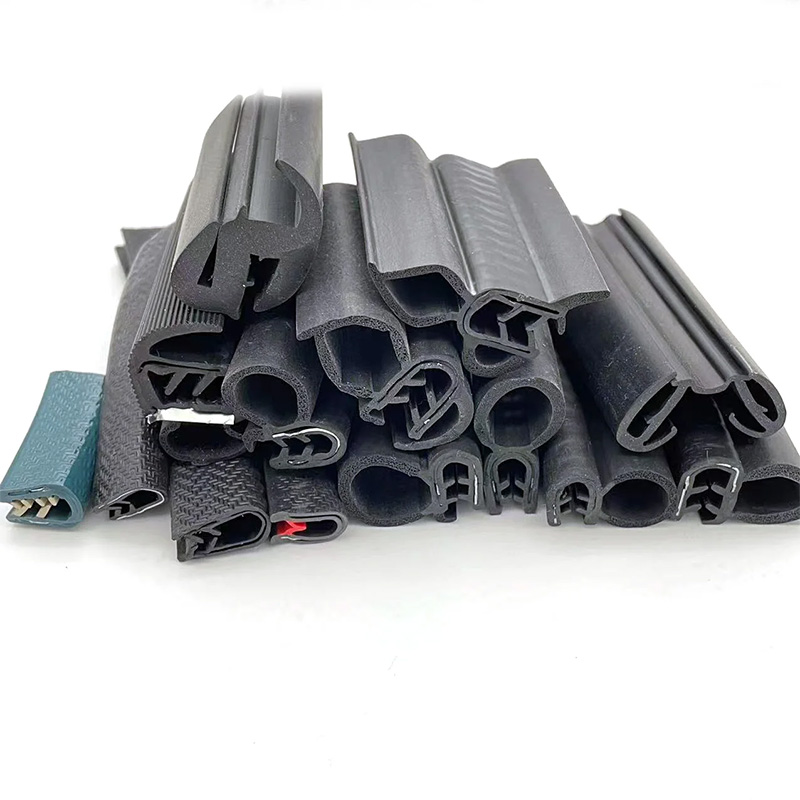
Simply put, a house door seal rubber strip is a flexible, often weather-resistant material applied along door edges to create a tight seal when the door closes. This keeps air, water, dust, and noise from infiltrating interior spaces. Beyond residential use, these rubber seals adapt to many industrial and commercial doors, contributing to overall building performance.
While they often look like a narrow piece of rubber or foam attached with adhesive or mechanical fasteners, their function is critical to modern building codes and insulation standards. In humanitarian terms, localized manufacturing and distribution have made these strips essential in shelter kits, giving displaced families a small but critical upgrade in protection and dignity.
Core Components and Factors Driving Their Effectiveness
Durability and Material Quality
Often made from EPDM (ethylene propylene diene monomer) rubber, silicone, or thermoplastic elastomers, the choice of compound affects lifespan and performance. EPDM, for example, stands out for UV and ozone resistance—crucial for outdoor doorways exposed to sun and weather swings. Durability means fewer replacements and long-term savings.
Seal Tightness and Flexibility
The strip must compress enough to block air and moisture while still allowing the door to close smoothly without excessive force. Many manufacturers fine-tune thickness and cross-sectional designs to balance this.
Ease of Installation and Compatibility
Some house door seal rubber strips come self-adhesive, others require nails or screws. Compatibility with different door materials (wood, metal, PVC) and surface finishes determines uptake in diverse markets.
Thermal and Acoustic Performance
Good seals reduce thermal bridging and noise infiltration. In urban or industrial environments, acoustic sealing can be as important as temperature control.
Eco-Friendliness and Recyclability
With rising attention on sustainability, rubber strips with recyclable materials or those made from recycled content are gaining ground — a rare but encouraging development in what traditionally was about function over footprint.
| Specification | Value |
|---|---|
| Material | EPDM Rubber / Silicone |
| Typical Dimensions | Width: 8-20mm | Thickness: 3-10mm |
| Adhesive Type | Self-adhesive / Screw mount |
| Temperature Range | -40°C to +120°C |
| UV Resistance | High (for EPDM and Silicone) |
| Lifespan | 5–15 years depending on usage |
How House Door Seal Rubber Strips Make a Global Impact
The applications span from temperate metropolitan homes to extreme climate shelters. In Scandinavia, they’re integral in passive house designs aiming for ultra-low energy consumption. In the Middle East and Africa, where dust and heat infiltration is a huge problem, these seals offer immense relief.
Industrial warehouses in China, hospitals in Europe, and even shipping container modifications benefit from these modular sealing solutions. NGOs often include these strips as part of emergency shelter relief kits in cyclone-prone regions.
Case in Point:
After the 2020 Cyclone Amphan in India, relief agencies noticed that shelters equipped with better door sealing showed higher retention of warmth and privacy. Families reported feeling a marked improvement in their living conditions thanks to something as unassuming as door rubber seals.
Comparing Top Vendors of House Door Seal Rubber Strips
| Vendor | Material Options | Installation Type | Sustainability Focus | Price Range |
|---|---|---|---|---|
| SealTech Co. | EPDM, Silicone | Self-adhesive, Nail-in | Moderate (Recycled EPDM) | $$ |
| GreenSeal Inc. | Silicone, Thermoplastic | Screw-mount | High (Biodegradable Options) | $$$ |
| EcoSeal Solutions | Recycled Rubber | Self-adhesive | Very High (100% recycled, recyclable) | $ - $$ |
Advantages of Using Quality House Door Seal Rubber Strips
- Cost Savings: Reduce energy bills by minimizing heat loss and drafts.
- Environmental Impact: Lower greenhouse gas emissions through better insulation.
- Comfort & Safety: Improved indoor climate with less noise, moisture, and pest intrusion.
- Longevity: Durable materials mean fewer replacements and maintenance headaches.
- Social Value: Enhanced privacy and dignity in temporary housing and shelter solutions.
Feeling safe and comfortable — that’s something everyone deserves.
Looking Ahead: Innovations and Trends in Door Seal Technology
New eco-rubber compounds are emerging, focusing on recyclability and reduced chemical impact. Smart sealing systems that incorporate sensors to alert homeowners of leaks or wear might not be far off—the Internet of Things (IoT) does creep into everything these days.
Policymakers are also starting to mandate higher insulation standards which means demand is set to surge. Add digital tools for rapid installation measurement and custom cutting, and the future looks pretty streamlined.
Challenges and How to Overcome Them
Well, the biggest headache tends to be improper installation leading to gaps or damage. Also, some cheaper rubber strips degrade quickly under harsh sun or cold.
Experts suggest paying attention to certified products that meet ISO 9001 standards for manufacturing quality. Installation guides and kits with easy-to-follow instructions can drastically cut down failure rates—and house door seal rubber strip manufacturers are increasingly providing these as standard.
FAQs About House Door Seal Rubber Strips
- Q: How long do house door seal rubber strips typically last?
- A: Most high-quality strips last between 5 and 15 years depending on exposure. EPDM and silicone options usually top the chart for durability.
- Q: Can I install these seals myself, or do I need a professional?
- A: Many strips come with self-adhesive backing and straightforward instructions suitable for DIY installation. However, complex door types may require professional fitting for best results.
- Q: Are rubber door seals effective against noise?
- A: Yes, besides blocking air and moisture, these strips greatly reduce noise infiltration—ideal for urban homes and offices.
- Q: How eco-friendly are these strips?
- A: Traditional rubber strips aren’t always recyclable, but newer products from vendors focusing on recycled materials and biodegradable compounds offer greener choices.
- Q: Where can I find reliable suppliers for house door seal rubber strips?
- A: Trusted vendors typically have ISO certifications and transparent material sourcing—local outlets or online suppliers like house door seal rubber strip specialists can help.
Wrapping Up: Small Strips, Big Wins
At the end of the day, the house door seal rubber strip is a classic case of “it’s the little things that matter.” From improving global energy efficiency to enhancing individual wellbeing, these rubber strips have quietly become a key building block in sustainable housing and industrial solutions.
Next time you shut your door without feeling a draft, remember there’s a subtle but powerful product doing its silent job. If you want to learn more or upgrade your doors with quality seals, visit us at https://www.xtshuoding.com. Your home—and the planet—will thank you.
References
Share
-
Eco Friendly Drawstring Jute Bag Guide for Sustainable PackagingNewsApr.16,2026
-
Elegant Wedding Jute Bags for Sustainable and Rustic Event PackagingNewsApr.09,2026
-
Sustainable Jute Bags for Coffee Packaging and Branding SolutionsNewsApr.07,2026
-
Explore the Benefits of Sustainable Saran Jute Bags for Your BusinessNewsApr.04,2026
-
Sustainable Jute Soap Bags Packaging Solutions for Eco Friendly BrandsNewsMar.31,2026
-
Discover the EcoFriendly Charm of Jute Favor Bags for Every OccasionNewsMar.28,2026