Rubber Seal Door Threshold: The Key to Energy-Efficient & Durable Entrances
What Is a Rubber Seal Door Threshold and Why Does It Matter?
When you think about doors, you probably don't immediately focus on the threshold — that subtle strip at the bottom that bridges two spaces. But in many ways, the rubber seal door threshold is quietly doing a lot of heavy lifting. Globally, it's a small yet critical piece in ensuring energy efficiency, reducing environmental impact, protecting interiors, and even enhancing human comfort and safety.
Why does it matter on a global scale? To put it simply: buildings consume roughly 40% of global energy (according to the International Energy Agency). A big slice of that energy loss can be traced to poorly sealed doors and windows. Installing an effective rubber seal threshold mitigates drafts, prevents water ingress, and cuts heating or cooling costs — nothing fancy, yet influential.
Today, as sustainability standards tighten and building codes evolve, understanding rubber seal door thresholds has become more relevant than ever for architects, contractors, and facility managers alike.
Mini takeaway: The rubber seal door threshold, while unassuming, is a key component for energy conservation and comfort in buildings worldwide.
The Global Landscape: Why Rubber Seal Door Thresholds Are Crucial
Across regions, from North America’s chilly northern states to humid Southeast Asia, weather-proofing entrances is crucial. The UN’s Sustainable Development Goals include making cities and human settlements inclusive, safe, resilient, and sustainable — and that trickles down to construction details like door seals.
Data from ISO standards on thermal insulation (ISO 10077) and air leakage suggest that a tight door threshold can reduce annual energy losses by as much as 10-15%. This is huge when scaled to millions of buildings worldwide.
The challenge is balancing durability, cost, ease of installation, and effectiveness. This is where rubber seals come in, offering flexibility that rigid materials can't, plus resistance to moisture, dust, and temperature extremes.
Mini takeaway: Rubber seal door thresholds are globally relevant, offering an effective and affordable solution to building energy challenges.
Defining the Rubber Seal Door Threshold
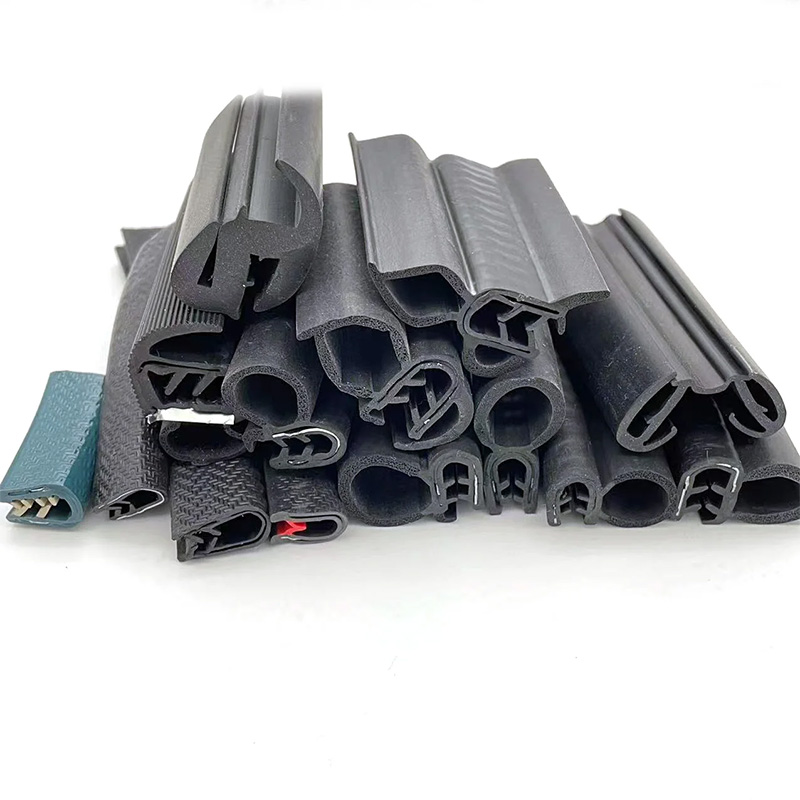
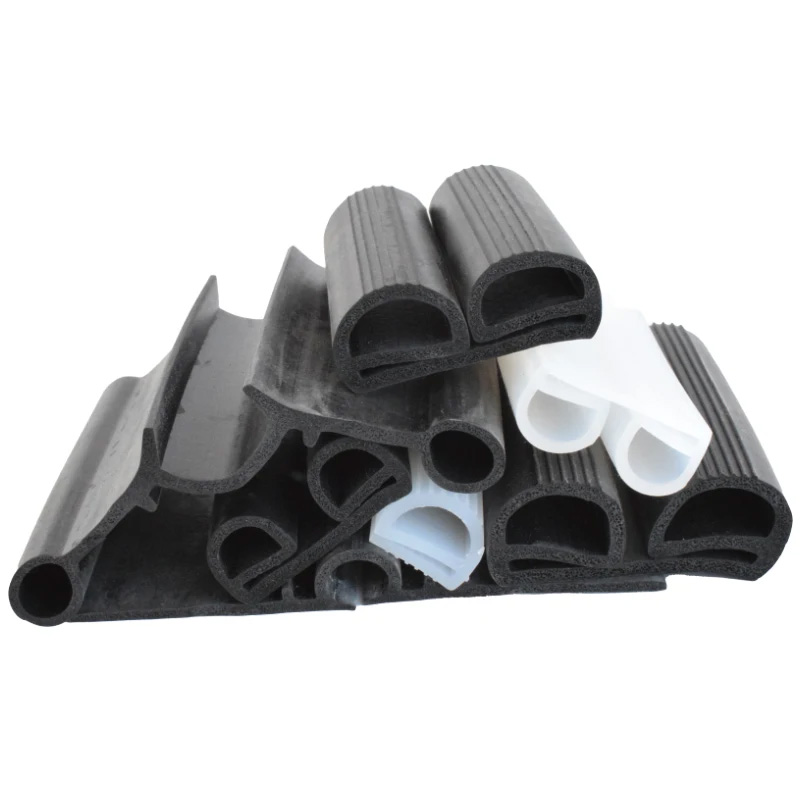
At its core, a rubber seal door threshold is a specialized strip installed at the bottom edge of a door frame where the door meets the floor or sill. Unlike a simple metal or wood threshold, it incorporates flexible rubber sealing elements that compress when the door closes, creating an airtight and watertight barrier.
This isn't just about keeping out the wind — it also stops water, insects, dust, noise, and heat loss. In modern industry, particularly in construction, HVAC, and transport sectors, these thresholds serve dual purposes: energy efficiency and structural longevity.
On a humanitarian scale, they help improve living and working conditions in temporary shelters or modular buildings, making climates more bearable for displaced people.
Mini takeaway: The rubber seal door threshold is a flexible, multi-functional component designed to protect interiors and improve environmental control.
Key Features of Rubber Seal Door Thresholds
1. Durability Against Environmental Stress
Rubber seals are generally made from EPDM (ethylene propylene diene monomer) or silicone, materials known for withstanding UV radiation, ozone, extreme weather, and chemical exposure. This ensures decades of performance without cracking or hardening.
2. Energy Efficiency & Thermal Insulation
The compressible rubber forms a tight seal that prevents cold drafts or hot air leaks. This alone can reduce HVAC loads substantially, especially in climates with extreme temperatures.
3. Noise Reduction
By sealing gaps effectively, rubber thresholds reduce sound transmission. In urban or industrial locales, this translates to quieter, more comfortable interior environments.
4. Ease of Installation and Maintenance
Generally lightweight and flexible, these thresholds can be retrofitted or installed in new construction with minimal tools. Rubber’s resistance to dirt and water means little upkeep beyond occasional cleaning.
5. Cost-Effectiveness
Compared to high-tech insulation or double doors, rubber seals offer an affordable option with measurable returns on energy savings.
Mini takeaway: Rubber seal door thresholds combine durability, environmental protection, and affordability, making them smart choices for many industries.
Where Rubber Seal Door Thresholds Make a Difference Globally
- Residential and Commercial Buildings: From Germany’s passive houses to apartment blocks in Canada, they help tighten building envelopes.
- Industrial Facilities: Factories relying on climate control, like food storage or pharmaceuticals, use thresholds to maintain sterile conditions.
- Post-Disaster Relief: In refugee camps or temporary shelters, thresholds guard against harsh weather and pests, improving dignity and safety for displaced populations.
- Transportation: Train cars, airplanes, and even shipping containers often feature specialized rubber thresholds to enhance sealing and comfort.
For instance, in cold northern Japan, local governments mandate rubber-sealed thresholds inside public housing to reduce heating costs and prevent mold growth—both big concerns after the 2011 tsunami reconstruction efforts.
Mini takeaway: The versatility of rubber seal door thresholds makes them invaluable from urban centers to remote, temporary settlements.
Advantages and Long-Term Benefits You Can Count On
Investing in robust rubber seal door thresholds pays off beyond energy bills. Because they prevent moisture ingress, they protect floors and framing from rot and corrosion, extending building lifespans. That’s not trivial. Add in noise blockage and improved indoor air quality, and you get healthier, more comfortable spaces where occupants thrive.
Emotionally, a well-sealed home or office feels more secure. You’re not constantly battling drafts or noise — it simply works. Many homeowners swear by the quiet calm even after noisy urban festivals or storms.
For organizations concerned with sustainability, using materials that offer both durability and reduced HVAC usage aligns with global efforts to lower carbon footprints.
Mini takeaway: The rubber seal door threshold delivers practical, emotional, and environmental value, yielding savings today and resilience tomorrow.
Emerging Trends & Innovations
New materials incorporating nanotechnology promise thresholds that self-heal minor cuts and scratches, extending service life even further. Meanwhile, eco-friendly bio-rubber alternatives are gaining traction to reduce reliance on petroleum-based products.
In addition, "smart" thresholds integrated with sensors to detect leaks or pressure drops are being piloted in commercial buildings, tying into the broader Internet of Things (IoT) revolution.
Manufacturers also experiment with modular, customizable profiles for quicker installation and better compatibility with diverse door types and floor surfaces.
Mini takeaway: Innovation in rubber seal door thresholds is keeping pace with sustainability and digital transformation trends.
Challenges and Solutions
Despite their advantages, rubber seal door thresholds face obstacles. Poorly installed seals can compress unevenly, causing leaks and premature wear. Exposure to oils or harsh chemicals degrades rubber faster. Moreover, cost-sensitive projects may skimp on quality.
Thankfully, solutions like integrated metal reinforcements, UV-resistant coatings, and rigorous third-party testing standards (like ASTM and ISO) bolster reliability. Additionally, proper training for installers and smart design adjustments reduce common pitfalls.
Mini takeaway: Proactive design and installation improve rubber seal door thresholds' lifespan and effectiveness, overcoming typical challenges.
Product Specification Overview
| Specification | Typical Value | Notes |
|---|---|---|
| Material | EPDM Rubber | Weather and UV resistant |
| Seal Compression Range | 5-15 mm | Ensures adequate sealing |
| Temperature Range | -40°C to +90°C | Suitable for most climates |
| Length Options | 600 mm, 900 mm, 1200 mm | Can be cut to size |
| Fire Resistance | UL 94 V-0 (varies) | Depends on model |
How Do Leading Vendors Compare?
| Vendor | Material Quality | Price Range | Customization | Warranty |
|---|---|---|---|---|
| XTS Rubber Seals | High-grade EPDM | $$$ | Full profile & size options | 5 years |
| SealTech Pro | Standard EPDM blend | $$ | Limited sizes | 3 years |
| EcoSeal Industries | Bio-based rubber | $$$ | Custom formulations | 4 years |
Frequently Asked Questions About Rubber Seal Door Thresholds
Q1: How does a rubber seal door threshold improve energy efficiency?
A: It creates a tight, flexible barrier under the door that minimizes air leaks. This helps retain conditioned air inside and prevents drafts, thus reducing heating and cooling loads.
Q2: Can I install a rubber seal threshold myself, or should I hire a professional?
A: Many designs are DIY-friendly, especially those with adhesive backing or screw-in profiles. However, for optimal sealing and longevity, professional installation is recommended, especially on heavy or irregular doors.
Q3: Are rubber seal door thresholds suitable for outdoor doors exposed to rain and sun?
A: Yes. High-quality rubber materials like EPDM are UV and weather resistant, making them ideal even for exterior use in harsh climates.
Q4: How often do rubber seal threshold seals need replacement?
A: Depending on material grade and environmental exposure, seals can last anywhere from 5 to 10 years. Regular inspection for cracks or hardening helps catch wear early.
Q5: Is customizing the size or profile of rubber seal thresholds expensive?
A: Customization costs vary by manufacturer, but many vendors offer cost-effective size and profile adjustments to fit specific door frames without breaking the bank.
Wrapping Up: Why Rubber Seal Door Thresholds Should Be Your Next Upgrade
In real terms, the rubber seal door threshold is a smart, practical upgrade that brings long-lasting benefits — from energy savings and weather protection to improved comfort and sustainability. Whether you’re managing a commercial project or retrofitting a home, these seals punch well above their weight.
If you're curious to explore reliable options or want specialized advice, feel free to visit our trusted partner site at rubber seal door threshold. It’s the place to find quality products and expert guidance.
So next time you step over a threshold, maybe give it a thought. That little strip does a lot more than keep your feet dry.
References:
1. International Energy Agency (IEA), "Energy Efficiency 2022"
2. ISO 10077-1:2017 – Thermal performance of windows, doors and shutters
3. United Nations Sustainable Development Goals (SDG 11) – Sustainable cities and communities
Share
-
Eco Friendly Drawstring Jute Bag Guide for Sustainable PackagingNewsApr.16,2026
-
Elegant Wedding Jute Bags for Sustainable and Rustic Event PackagingNewsApr.09,2026
-
Sustainable Jute Bags for Coffee Packaging and Branding SolutionsNewsApr.07,2026
-
Explore the Benefits of Sustainable Saran Jute Bags for Your BusinessNewsApr.04,2026
-
Sustainable Jute Soap Bags Packaging Solutions for Eco Friendly BrandsNewsMar.31,2026
-
Discover the EcoFriendly Charm of Jute Favor Bags for Every OccasionNewsMar.28,2026