Quality Door Rubber Seal Strip Solutions for Energy Efficiency & Durability
Understanding the Door Rubber Seal Strip: Why It Matters Globally
In a world often preoccupied with flashy tech and instant solutions, something as humble as a door rubber seal strip quietly holds significant importance that transcends borders and industries. From preventing drafts in skyscrapers in New York to ensuring the airtight safety of refrigerated transport in Europe, these strips play an unsung but vital role. Understanding their function and benefits isn’t just a niche concern — it touches on energy efficiency, safety, and even sustainability worldwide.
So, why are they worth our attention? To be frank, ignoring the right sealing quality can mean wasted energy, increased costs, and degraded safety. With an emphasis on green building standards rising globally (ISO 14001 for environmental management comes to mind), seal strips are a surprisingly big deal. It’s not just a piece of rubber — it’s a small key in a massive chain of environmental and economic factors.
The Global Context: Why Door Rubber Seal Strips Are More Relevant Than Ever
Globally, the building sector accounts for roughly 40% of energy consumption and 30% of greenhouse gas emissions, according to the International Energy Agency (IEA). Door leaks — those tiny gaps around entrances — contribute significantly to energy loss. The UN’s Sustainable Development Goals (SDG 7 & 11) emphasize efficient infrastructure and sustainable cities, where improving insulation is critical.
Yet, the challenge remains: How do manufacturers and suppliers meet these growing demands while balancing cost and durability? Enter the door rubber seal strip — a simple, effective, and scalable solution. Industry data shows that efficient sealing can reduce heating and cooling expenses by up to 25%. And in an era increasingly defined by climate action, those are not numbers to brush aside.
What Is a Door Rubber Seal Strip?
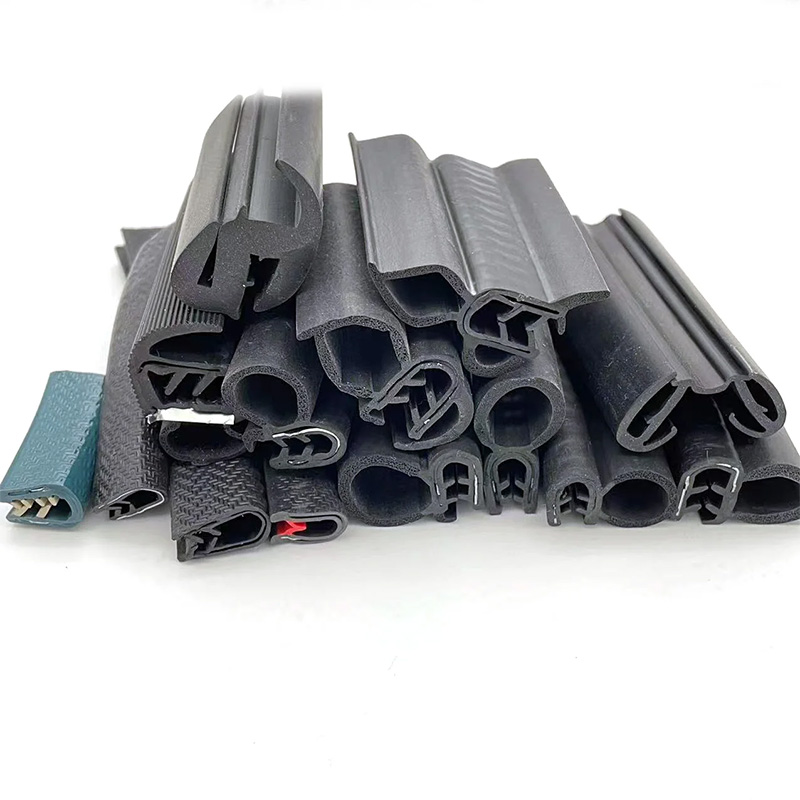
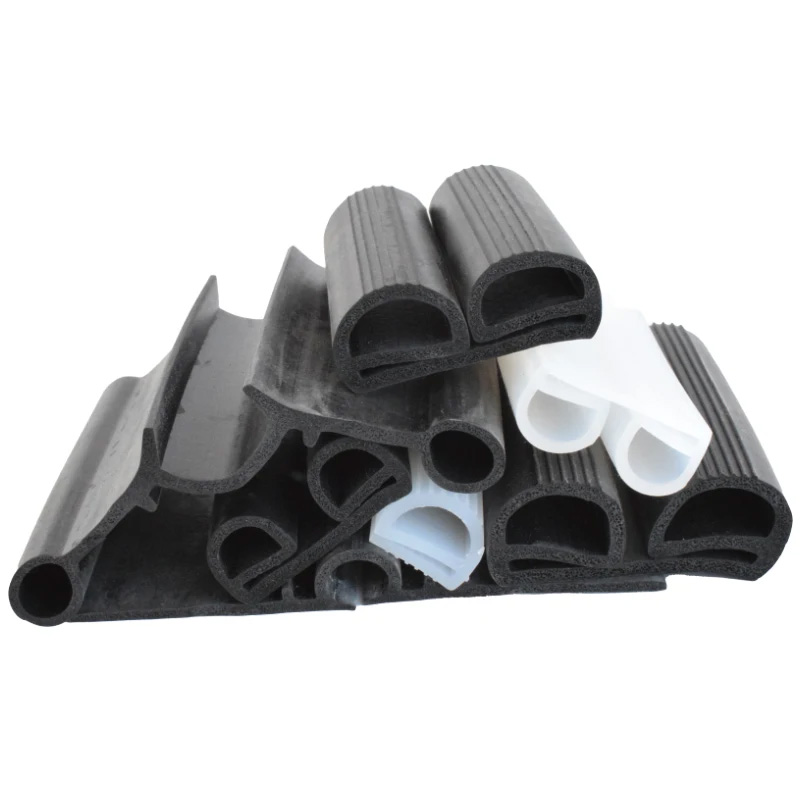
In the simplest terms, a door rubber seal strip is a flexible gasket or weatherstrip made predominantly from rubber or similar elastomeric materials, designed to fill the gap between a door and its frame. Its purpose is to block air, water, dust, and sometimes sound — basically, anything unwanted from sneaking in.
Beyond that, these strips form an essential part of modern infrastructure, not only in commercial and residential construction but also in transportation, cold-chain logistics, and even humanitarian shelters. Their role goes beyond just sealing — they contribute to safety, longevity of buildings, and the comfort of occupants.
Key Factors: What Makes a Great Door Rubber Seal Strip?
1. Durability
Obviously, these strips have to withstand constant use — from repeated door slamming to extreme weather. Many manufacturers lean on EPDM rubber or silicone blends to provide resistance against UV radiation, ozone, and temperature swings, which can range from Arctic chills to desert heat.
2. Flexibility & Compression Set
The strip needs to maintain a snug seal over time without deformation. The ability to ‘bounce back’ after compression (low compression set) ensures ongoing effectiveness.
3. Energy Efficiency
A well-designed strip can prevent heat loss or gain, which directly lowers HVAC energy consumption. According to the U.S. Department of Energy, well-sealed doors can reduce draft-related energy waste substantially.
4. Water and Dust Resistance
In industrial settings or places prone to heavy rain, these strips prevent leaks that might cause damage or health issues through mold and mildew.
5. Cost Efficiency
Because these strips are often bought in bulk, and replaced periodically, their price-performance ratio is key. End users seek products balancing initial outlay with lifespan and ease of installation.
A Mini Takeaway:
Durability, flexibility, and efficiency make a door rubber seal strip practical — and critical to sustainability goals.
Global Applications and Real-World Use Cases
You might be surprised to know how widely these seal strips are used worldwide. In Europe, zero-energy homes rely on optimal sealing to meet strict building codes. In places like Japan, where seismic activity requires buildings to be tightly sealed yet flexible, premium strips are standard.
Then there are humanitarian efforts. NGOs deploying modular shelters for refugees or disaster survivors utilize high-quality door seals to ensure protection from harsh climates and pests. Similarly, refrigerated transport trucks use these seals to maintain cold chains critical for food and medicine.
| Specification | Value | Notes |
|---|---|---|
| Material | EPDM Rubber / Silicone | UV & ozone resistant |
| Temperature Range | -40°C to 120°C | Depends on material |
| Compression Set | ≤25% | Low deformation after compression |
| Length per Roll | 10 meters | Standard size |
| Adhesive Type | Self-adhesive / Clip-in | Installation method varies |
Advantages and Long-Term Value
Why invest in a quality door rubber seal strip? The benefits range from the tangible — like energy cost reduction — to more intangible but no less important aspects such as occupant comfort and building longevity.
- Cost savings: Reduced heat loss equals smaller bills.
- Sustainability: Lower emissions by improving building envelopes.
- Enhanced safety & hygiene: Prevent pests, mold, and drafts.
- Improved acoustics: Many strips also dampen sound infiltrations.
- Innovation trust: Using materials that adapt to climate variations builds user confidence.
Besides all that, it feels reassuring in a way — knowing that a small detail can have such an outsized impact. Like the story of a remote Canadian community that saved significant heating expenses simply by upgrading its door seals across social housing complexes. Small actions echo large results.
Future Trends & Innovations in Door Seal Technology
The future is bright and, frankly, a bit exciting when it comes to these little strips. Innovations in bio-based rubbers, for example, reduce reliance on petrochemicals. Smart sensors embedded in seals for real-time monitoring of air leakage and pressure changes are also emerging.
Furthermore, digital fabrication techniques such as 3D printing enable customized seal profiles for unique applications, cutting waste. Industry 4.0 and sustainability policies push manufacturers to develop lower-carbon footprint options, perfectly aligning with global green targets (think COP26 and beyond).
Challenges and How Industry Tackles Them
It’s not all roses — some challenges persist. For example, improper installation can ruin the best-designed strip’s effectiveness. Material degradation remains an issue in harsh industrial environments. And price pressures sometimes lead to compromises in quality.
The solution? Better training for installation, increased use of durable elastomers, and innovations in adhesive technology that maintain performance over longer lifespans. Suppliers also offer more customizable options tailored to climates and use cases — a trend manufacturers and buyers alike applaud.
| Vendor | Material Options | Price Range (per 10m roll) | Special Features | Lead Time |
|---|---|---|---|---|
| SealPro Inc. | EPDM, Silicone, Neoprene | $25 - $45 | UV-resistant, custom profiles | 2 weeks |
| RubberTech Solutions | Eco-friendly EPDM | $30 - $50 | Biodegradable material | 3 weeks |
| GlobalSeal Co. | Silicone and Hybrid blends | $28 - $40 | Smart sensor embedded seals | 1-2 weeks |
| XT Shuoding | EPDM, Custom Alloy rubbers | $20 - $38 | Wide range, customizable lengths, fast delivery | 1 week |
FAQ: Your Questions About Door Rubber Seal Strips
Q1: How do I know which door rubber seal strip suits my building?
The best choice weighs durability, climate resistance, and the door frame materials. For harsh outdoor climates, silicone-based seals are better; indoor applications might do well with EPDM. Also, consider whether you prefer self-adhesive convenience or clip-in options. For detailed advice, door rubber seal strip vendors often provide custom consultation.
Q2: Can a door rubber seal strip actually reduce my energy bills?
Absolutely. By blocking drafts and moisture infiltration, these strips help HVAC systems maintain indoor temperatures more efficiently. Many homes and offices report savings of 10-25% on heating and cooling after proper installation.
Q3: How long does a door rubber seal strip typically last?
Lifespan varies by material and environment but generally ranges from 5 to 10 years. Regular inspection helps catch early wear. Materials like silicone tend to last longer under UV exposure.
Q4: Is installation difficult, or do I need a professional?
Many strips are designed for DIY installation with pre-applied adhesives and can be fitted with simple tools. However, for specialized or commercial-grade strips, professional installation ensures better longevity and performance.
Q5: Are eco-friendly door rubber seal strips available?
Yes — increasing demand has prompted manufacturers to develop bio-based and recyclable rubber compounds. Look for certifications like ISO 14001 or consult vendors emphasizing sustainable materials.
Conclusion: The Small Detail with a Big Impact
At first glance, a door rubber seal strip might seem like just a tiny rubber gasket—easy to overlook. But in real terms, it carries the weight of energy efficiency, comfort, safety, and sustainability across industries and regions. Investing in the right strip, whether for your home or commercial project, aligns perfectly with global efforts to minimize environmental impact while enhancing daily life quality.
Ready to make your doors more efficient? Check out our high-quality, customizable options at XT Shuoding and step toward smarter sealing today.
References
Share
-
Eco Friendly Drawstring Jute Bag Guide for Sustainable PackagingNewsApr.16,2026
-
Elegant Wedding Jute Bags for Sustainable and Rustic Event PackagingNewsApr.09,2026
-
Sustainable Jute Bags for Coffee Packaging and Branding SolutionsNewsApr.07,2026
-
Explore the Benefits of Sustainable Saran Jute Bags for Your BusinessNewsApr.04,2026
-
Sustainable Jute Soap Bags Packaging Solutions for Eco Friendly BrandsNewsMar.31,2026
-
Discover the EcoFriendly Charm of Jute Favor Bags for Every OccasionNewsMar.28,2026