Comprehensive Guide to Door Threshold Rubber Seals: Benefits, Applications & Trends
Why Door Threshold Rubber Seals Matter More Than You Think
If you’ve ever felt a draft sneak under your door or noticed dust settling in your home’s corners, chances are you’ve encountered the humble door threshold rubber seal at work—or at least, its absence. These unassuming strips of flexible rubber play a surprisingly outsized role in not just comfort but global energy efficiency, security, and even humanitarian relief efforts. While they might seem like a tiny technical detail, understanding door threshold rubber seals opens the door (pun intended) to appreciating how small innovations shape wide-ranging sectors. Globally, energy waste through inadequate building insulation and sealing contributes to nearly 15% of heating and cooling losses in residential and commercial structures, according to the International Energy Agency (IEA). Doors are a big culprit: gaps between the floor and door allow air exchange that undermines HVAC performance. Rubber threshold seals solve this with a simple yet remarkably effective barrier against air, moisture, dust, insects, and noise. ---Setting the Stage: The Global Context for Door Threshold Rubber Seals
In a world where energy conservation drives policy—from the Paris Agreement to local building codes—materials like rubber seals have become quiet MVPs of sustainability. The UN’s Sustainable Development Goal 11 emphasizes making cities inclusive, safe, resilient, and sustainable. Often overlooked, sealing solutions contribute by improving indoor air quality and reducing energy usage, especially in expanding urban areas with aging infrastructure. But there’s a challenge: many buildings worldwide still suffer from outdated or poorly installed threshold seals, leading to economic losses and discomfort. Plus, in humanitarian contexts, such as disaster relief shelters, quick-to-deploy and reliable sealing solutions can make or break the habitability of structures—protecting vulnerable populations from harsh weather or insects that spread disease. Mini takeaway: Door threshold rubber seals aren’t just industry minutiae—they play a real part in broader social and environmental goals. ---Defining Door Threshold Rubber Seals: What Are They Exactly?
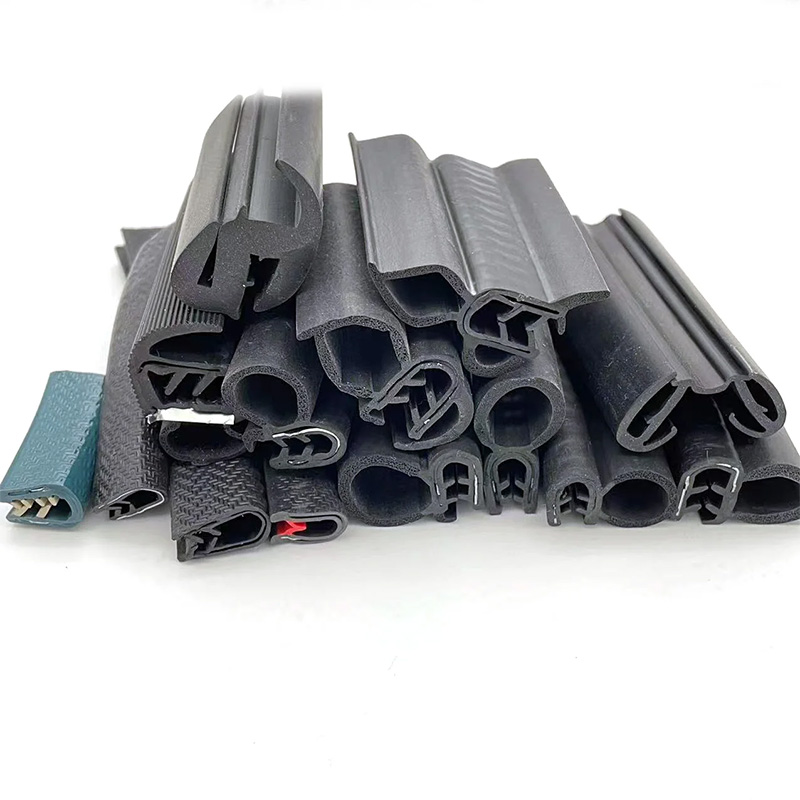
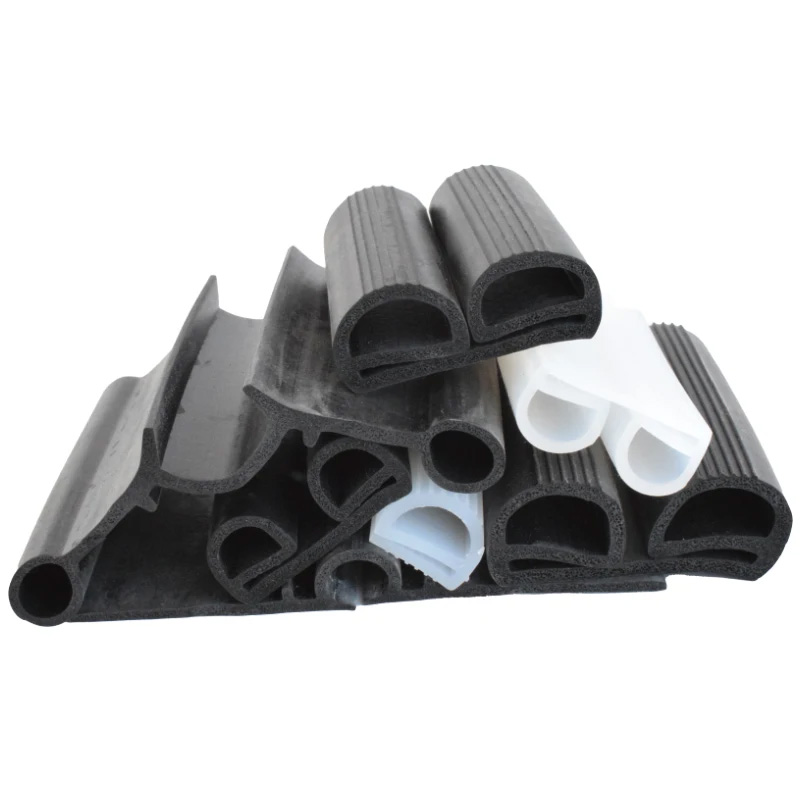
Put simply, a door threshold rubber seal is a flexible strip—usually made from durable rubber or silicone—fitted along the bottom edge of a door frame to close the gap between the door and the floor. This prevents unwanted air, water, dust, bugs, and noise from passing underneath. In industrial, residential, and commercial applications, these seals help buildings maintain consistent indoor climates, reduce energy bills, and improve hygiene. Even in temporary or modular housing solutions, which have become critical in disaster response or refugee camps, rubber seals significantly improve livability. Oddly enough, these strips are often one of the last details thought of during construction or retrofit projects, yet they’re among the easiest and most cost-effective components to install. ---The Core Components That Make Door Threshold Rubber Seals Effective
1. Durability
A threshold seal must withstand repeated door use, weather extremes, and sometimes chemical exposure. Most high-grade seals use EPDM rubber, appreciated for its weather resistance and longevity. Some blends add UV stabilizers to prevent cracking after years in sun-exposed environments.2. Flexibility and Compression
To create an airtight barrier, the seal needs to compress easily against uneven floor surfaces without losing shape—that’s the magic of rubber’s elastic qualities. If too stiff, it can damage floors or doors; too soft, and the seal gaps.3. Easy Installation and Maintenance
Many designs feature self-adhesive backs, snap-in channels, or screw-fastened mounting strips that make replacement simple. Maintenance generally requires little more than occasional cleaning, but inspect regularly to prevent brittle seals from failing.4. Cost Efficiency
These seals range from budget-friendly general-purpose strips to high-end specialist materials with fire-retardant or antimicrobial properties. Because they reduce HVAC loads, the initial investment pays off surprisingly fast.5. Adaptability for Different Door Types
Whether it’s heavy industrial doors, sliding patio doors, or quick-deploy modular panels, rubber seals can be customized in thickness, width, and shape to fit perfectly. Mini takeaway: It’s the balance between material science and practical needs that make seals standout. ---Where Around the World Are Door Threshold Rubber Seals Making a Difference?
In colder climates like Scandinavia or Canada, door threshold seals are essential to energy savings during lengthy winters. European building standards (EN 14351-1 for windows and doors) require effective sealing to meet airtightness benchmarks. In the Middle East, seals help keep dust and sand out of buildings while reducing cooling costs. Meanwhile, in Southeast Asia and parts of Africa, threshold seals aid in preventing mosquito entry in households and health clinics—fighting the spread of diseases like malaria and dengue. The humanitarian sector frequently relies on modular shelters equipped with durable threshold seals for rapid, reliable deployment in refugee camps or disaster zones. For instance, after the 2010 Haiti earthquake, many interim shelters incorporated these seals to improve comfort and shield occupants from environmental hazards. ---Advantages: Why Invest in Quality Door Threshold Rubber Seals?
- Energy Savings: Lower heating and cooling demands translate into reduced utility bills and carbon footprints. - Improved Comfort: No more drafty hallways or creaky door bottoms rubbing on floors. - Health and Hygiene: Keeping out dust, insects, and moisture means fewer allergens and less mildew. - Noise Reduction: Seals work as sound dampeners, improving privacy. - Durability and Reliability: Robust rubber seals last years, minimizing maintenance headaches. - Emotional Peace of Mind: Knowing your home or facility is secure and protected fosters a sense of trust and safety. ---Future Trends: Innovations on the Horizon for Door Threshold Rubber Seals
Material scientists are pushing boundaries with eco-friendlier rubbers made from sustainable bio-based polymers. Imagine seals that not only last longer but break down naturally at end of life. Smart seals embedded with sensors could monitor pressure or air leakage in real time, feeding data into building management systems to optimize energy use. Automation trends might see threshold seals that deploy automatically when doors close, or even adjustable seals that change thickness based on outdoor conditions. The rising interest in green building certifications (LEED, BREEAM) means manufacturers are innovating to comply with stricter environmental standards. It’s a fascinating marrying of low-tech rubber with high-tech ambitions. ---Challenges and How Experts Tackle Them
One nagging issue is ensuring perfect fit on uneven floors or warped door frames. Engineers often customize seal dimensions or supplement with threshold plates. Temperature extremes can cause rubber to stiffen or crack prematurely; many firms now blend additives for resilience. In high-traffic industrial sites, abrasion wears down seals fast. The solution? Tougher compounds or removable, replaceable strips that cut maintenance costs. Finally, improper installation is surprisingly common. Training and clear guidelines from vendors go a long way to prevent premature failures. ---Product Specification Table: Typical Door Threshold Rubber Seal
| Property | Specification |
|---|---|
| Material | EPDM Rubber (UV stabilized) |
| Dimensions | Width: 20–40 mm, Thickness: 3–6 mm |
| Operating Temperature | -40°C to +90°C |
| Durability | 10+ years under normal use |
| Installation | Self-adhesive / Screw mounted |
Vendor Comparison: Popular Door Threshold Rubber Seal Options
| Vendor | Material Quality | Customization | Typical Price per meter | Special Features |
|---|---|---|---|---|
| SealTech Pro | Premium EPDM | Wide range of sizes | $4.50 | UV resistant, easy install |
| FlexiSeal Corp | Standard EPDM blend | Custom shapes on request | $3.75 | Antimicrobial variant |
| EcoSeal Industries | Bio-based rubber | Limited sizes | $5.20 | Eco-friendly, recyclable |
FAQs About Door Threshold Rubber Seals
Q1: How long does a typical door threshold rubber seal last?
On average, high-quality EPDM rubber seals last over 10 years under normal residential or commercial use. Factors such as UV exposure, climate, and door traffic can affect lifespan, so regular inspection helps catch wear early.
Q2: Can I install a door threshold rubber seal myself?
Yes, many seals come with self-adhesive backing or simple screw channels for DIY installation. Proper surface cleaning and care during placement improve adhesion and effectiveness.
Q3: Are door threshold seals effective for soundproofing?
While primarily designed for air and water sealing, good quality rubber seals can help reduce noise transmission under doors, contributing to quieter indoor environments.
Q4: Can rubber seals handle extreme weather?
EPDM rubber is highly weather resistant, able to endure temperature swings from -40°C to 90°C, making it suitable for most climates worldwide.
Q5: How do door threshold seals contribute to energy savings?
By eliminating air leaks beneath doors, seals reduce the load on heating and cooling systems, leading to lower energy consumption and utility costs.
---Wrapping Up: Why Your Next Project Needs Quality Door Threshold Rubber Seals
In a nutshell, a door threshold rubber seal is a small, often invisible hero of building efficiency and occupant well-being. From industrial warehouses in Europe to emergency shelters in Asia, these reliable strips help control climates, keep pests out, and save money on energy bills. With innovations on the horizon and well-known challenges under expert eyes, seals are anything but a mundane detail — they’re an essential part of a smarter, greener, and comfier built environment. If you’re considering upgrades or new installations, I recommend checking out the latest options and warranties at door threshold rubber seal. Your floors—and your energy bill—will thank you. ---References
Share
-
Eco Friendly Drawstring Jute Bag Guide for Sustainable PackagingNewsApr.16,2026
-
Elegant Wedding Jute Bags for Sustainable and Rustic Event PackagingNewsApr.09,2026
-
Sustainable Jute Bags for Coffee Packaging and Branding SolutionsNewsApr.07,2026
-
Explore the Benefits of Sustainable Saran Jute Bags for Your BusinessNewsApr.04,2026
-
Sustainable Jute Soap Bags Packaging Solutions for Eco Friendly BrandsNewsMar.31,2026
-
Discover the EcoFriendly Charm of Jute Favor Bags for Every OccasionNewsMar.28,2026