Rubber In-Door Seal – Energy Saving & Durable Door Sealing Solutions
The Quiet Power of Rubber In-Door Seals: Why They Matter More Than You Think
If you’ve ever closed a door and barely noticed the soft rubber strip cushioning it, congratulations, you’ve experienced the humble rubber in-door seal in action. This little but mighty component is quietly reshaping building efficiency, industrial safety, and even humanitarian aid. Globally, effective sealing influences energy consumption, disaster relief, and industrial durability — all key components to a sustainable future. Understanding this simple object unlocks benefits for businesses, governments, and homeowners alike.
Introduction: A Global Perspective on Rubber In-Door Seals
In 2023, global energy consumption in buildings accounted for approximately 30% of total energy use, according to the International Energy Agency (IEA). A staggering portion of that energy is lost through inefficient doors and windows, with air leakage being a leading culprit. Enter rubber in-door seals — small yet crucial barriers against drafts, moisture, dust, and noise. They don't just keep bills down; they enhance comfort and cut carbon footprints. But beyond energy, these seals are pivotal in food storage, medical facilities, and emergency shelters around the world.
Challenges like climate change, stricter building codes, and rising global urbanization push demand for better sealing solutions. The rubber in-door seal is a low-tech hero addressing high-tech problems.
What Exactly is a Rubber In-Door Seal?
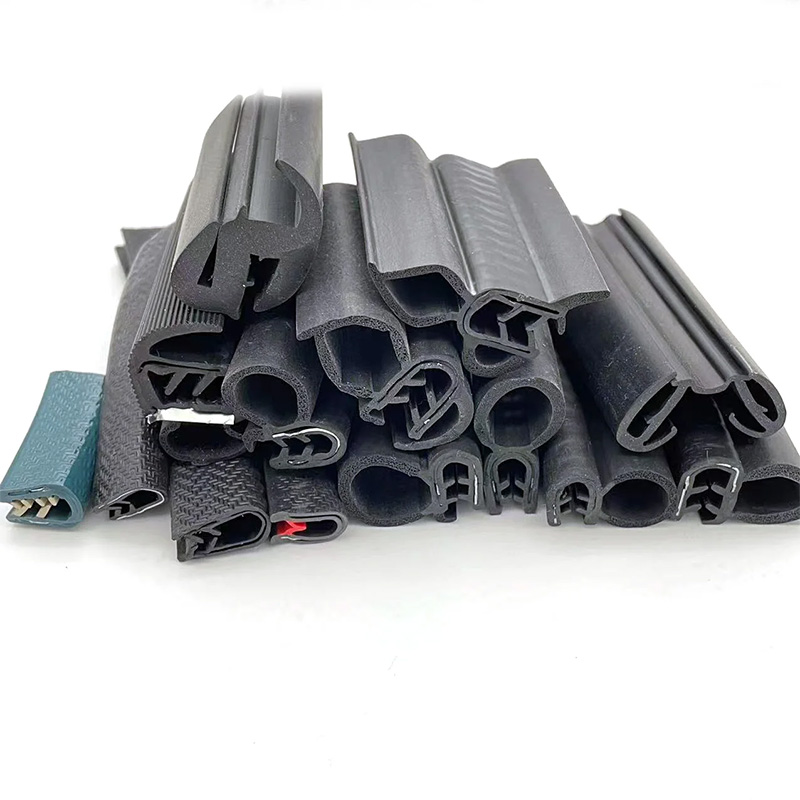
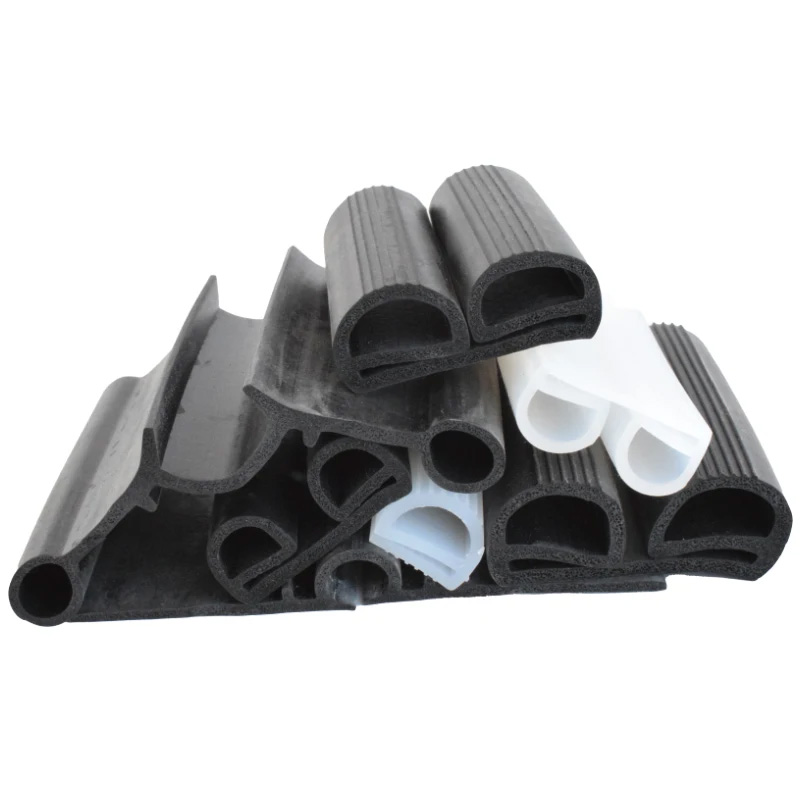
Simply put, a rubber in-door seal is a flexible strip made from various rubber compounds, designed to fit along edges of doors to fill gaps and prevent unwanted air or moisture passage. It’s a bit like the gasket of your car engine but for doors. These seals are integral in many modern industries — from residential construction to refrigerated transport containers — ensuring environments stay stable and protected.
On a humanitarian level, they’re indispensable in temporary shelters and mobile clinics, where sealing can mean preserving precious warmth or sterility.
Core Features Defining Effective Rubber In-Door Seals
Durability and Material Strength
Natural rubber, EPDM (ethylene propylene diene monomer), and silicone variants dominate. Engineers favor EPDM for resisting UV exposure and ozone — crucial for outdoor or fluctuating environments.
Flexibility and Compression Characteristics
A seal that cracks or fails to compress won’t seal effectively. It needs just enough “give” to fill irregular gaps without losing shape after multiple door cycles. This balance directly affects longevity and energy savings.
Thermal Insulation Efficiency
Besides blocking airflow, these seals prevent heat transfer. In cold storage warehouses or homes alike, better insulation reduces reliance on HVAC systems, easing energy demand.
Resistance to Environmental Factors
Weather, temperature swings, dust, chemicals — all test a seal’s robustness. Tailoring rubber compounds for specific environments is where manufacturers really shine.
Ease of Installation and Maintenance
Simple retrofits or new installations can vary immensely. User-friendly designs help installers work faster and reduce errors, critical when scaling for large projects or disaster response.
Global Applications & Real-World Success Stories
In Scandinavia, where winters bite hard, EPDM seals on doors and windows have become standard practice to achieve near-zero-home energy ratings. In Southeast Asia, refrigeration companies rely on specialized rubber seals in containers transporting vaccines, ensuring critical cold chains stay intact.
A fascinating case is the use of rubber in-door seals by NGOs in refugee camps where temporary shelters are often shoddy. Seals help reduce drafts and moisture ingress, protecting vulnerable residents from cold and damp conditions.
Industrial sectors in remote regions such as mining operations in Australia use heavy-duty seals on equipment enclosures to protect against dust and corrosive elements — extending equipment life and cutting downtime.
Advantages & Long-Term Value of Rubber In-Door Seals
- Cost Savings: Reduced energy bills from minimized heat loss.
- Environmental Impact: Lower emissions from heating/cooling systems.
- Health & Comfort: Prevents drafts, allergens, and noise pollution indoors.
- Reliability: Proper seals reduce material and equipment degradation.
- Social Impact: Enhances living conditions in disaster or displacement zones.
Beyond numbers, knowing your door protects your comfort and environment adds an emotional sense of safety—a subtle but meaningful benefit in daily life.
Product Specification Table
| Feature | EPDM Rubber Seal | Silicone Rubber Seal | Natural Rubber Seal |
|---|---|---|---|
| Temperature Range | -40°C to 120°C | -60°C to 230°C | -50°C to 70°C |
| UV/Ozone Resistance | Excellent | Excellent | Poor to Moderate |
| Compression Set | Low (better recovery) | Very Low | Moderate |
| Typical Uses | Building doors, vehicle doors | Medical, food industry | General purpose sealing |
Comparing Leading Rubber In-Door Seal Vendors
| Vendor | Seal Types Offered | Custom Solutions | Global Reach | Eco-Friendly Options |
|---|---|---|---|---|
| SealTech Industries | EPDM, Silicone, Neoprene | Yes, with rapid prototyping | North America, Europe, Asia | Yes |
| RubberSeal Pro | Natural, EPDM | Limited, standard profiles only | Europe, Middle East | No |
| GlobalSeal Solutions | Silicone, EPDM, Specialty Blends | Highly customizable | Worldwide | Yes, bio-based seals |
Future Trends and Innovations in Rubber In-Door Seal Technology
Materials science is pushing boundaries with bio-based and recycled rubbers, aiming to reduce environmental impact without compromising performance. Digitization allows companies to simulate seal effectiveness under thousands of conditions before manufacturing — accelerating innovation cycles.
Smart seals embedded with sensors to detect air leaks or degradation are no longer science fiction. In buildings integrated with IoT systems, this could mean real-time monitoring and maintenance alerts to optimize energy use — a dream for facility managers everywhere.
Facing Challenges and Ways Forward
Despite obvious benefits, some challenges hold back wider adoption. Installation errors, low awareness, and substandard materials in certain markets reduce effectiveness. Many engineers say training and quality control are critical to harness full potential. Additionally, balancing cost with high-performance materials remains tricky for large-scale projects.
Innovative solutions include modular seal kits for quick deployment and mobile apps guiding installers through best practices. International standards like ISO 11600 are helping unify testing and quality benchmarks globally.
FAQ: Answers to Your Rubber In-Door Seal Questions
Q1: How long does a typical rubber in-door seal last?
A: Depending on material and environment, seals can last anywhere from 5 to 15 years. EPDM and silicone types tend to outlast natural rubber, especially in UV or ozone-exposed settings. Proper maintenance extends life significantly.
Q2: Can rubber seals be used on metal and wooden doors alike?
A: Absolutely. Rubber in-door seals come in flexible formats that adhere well to most surfaces. There are also specific adhesives designed for wood, metal, glass, and plastic applications.
Q3: Are eco-friendly rubber seals as durable as conventional ones?
A: Growing eco-conscious demand has pushed suppliers to develop bio-based rubbers that approach or even match traditional material performance. While research is ongoing, many options are available today with promising durability.
Q4: How can I select the right seal for a climate-controlled facility?
A: Consider material resistance to temperature extremes and compression set. Silicone and EPDM are top picks for such applications. Consulting with manufacturers for customized profiles often pays off.
Wrapping It Up: Why Rubber In-Door Seals Are Small but Mighty
Rubber in-door seals might not steal the spotlight, but their importance echoes loudly in energy savings, comfort, and even human welfare. From chilly Scandinavian homes to vital vaccine transport containers, these seals prove that innovation in simple things can lead to profound global impact.
If you want to explore sealing solutions that fit your specific needs, visit our website: rubber in-door seal. Because sometimes, it really is the little touches that make all the difference.
References
Share
-
Eco Friendly Drawstring Jute Bag Guide for Sustainable PackagingNewsApr.16,2026
-
Elegant Wedding Jute Bags for Sustainable and Rustic Event PackagingNewsApr.09,2026
-
Sustainable Jute Bags for Coffee Packaging and Branding SolutionsNewsApr.07,2026
-
Explore the Benefits of Sustainable Saran Jute Bags for Your BusinessNewsApr.04,2026
-
Sustainable Jute Soap Bags Packaging Solutions for Eco Friendly BrandsNewsMar.31,2026
-
Discover the EcoFriendly Charm of Jute Favor Bags for Every OccasionNewsMar.28,2026