Nov . 30 , 2025 06:40
Back to list
Rubber Door Strip Seal: Your Energy-Saving, Noise-Blocking Essential
What Is a Rubber Door Strip Seal, and Why Should We Care?
Ever wondered how a tiny strip stuck around your door can quietly make a world of difference? Rubber door strip seals might seem like unassuming players in the grand scheme of building and infrastructure, but their roles span from energy saving to environmental protection. In a world relentlessly chasing sustainability and efficiency, understanding rubber door strip seals is more important than ever. They offer practical solutions to common issues — from drafts and dust to noise and even pest invasion — all while promoting greener, more secure spaces. Globally, the push for better building insulation and stricter environmental standards places these seals right in the spotlight. According to the International Energy Agency (IEA), buildings account for about 28% of global energy consumption—much of which leaks through unsealed doors and windows. The rubber door strip seal is a deceptively simple fix that tackles these losses head-on. Mini takeaway: A small piece of rubber, a giant leap for energy savings and comfort.Global Context: Why Rubber Door Strip Seals Matter Today
If you’re picturing some niche industrial product, think again. The use of rubber door strip seals is truly global, touching all corners of the construction, manufacturing, and even humanitarian sectors. The United Nations estimates that as climate change intensifies, energy-efficient building methods become critical, especially in emerging economies. Retrofit projects — replacing old door seals with advanced rubber solutions — can cut heating or cooling losses dramatically. The challenge? Aging infrastructures, non-standardized construction methods, and environmental wear (think humidity, UV rays, chemicals) mean that selecting the right door sealing solution isn’t just a matter of slapping on any rubber strip but choosing materials that last and perform universally. I’ve noticed even in megacities, where high-tech solutions rule, the humble rubber door strip seal remains a first line of defense. And frankly, its affordability compared to complete window replacements or HVAC overhauls is a win for budgets both public and private.Rubber Door Strip Seal: What Does It Really Mean?
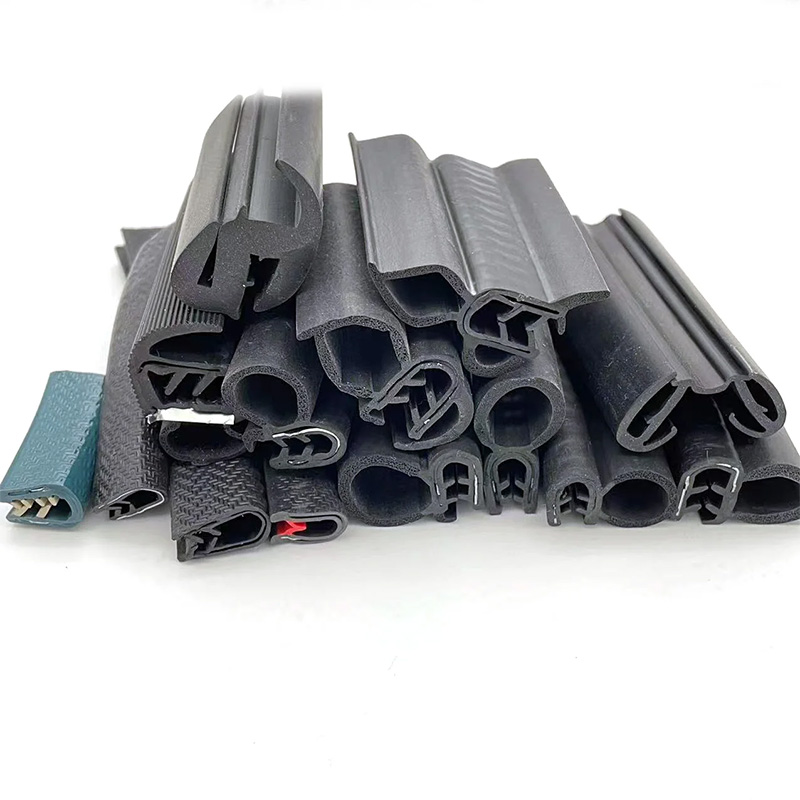
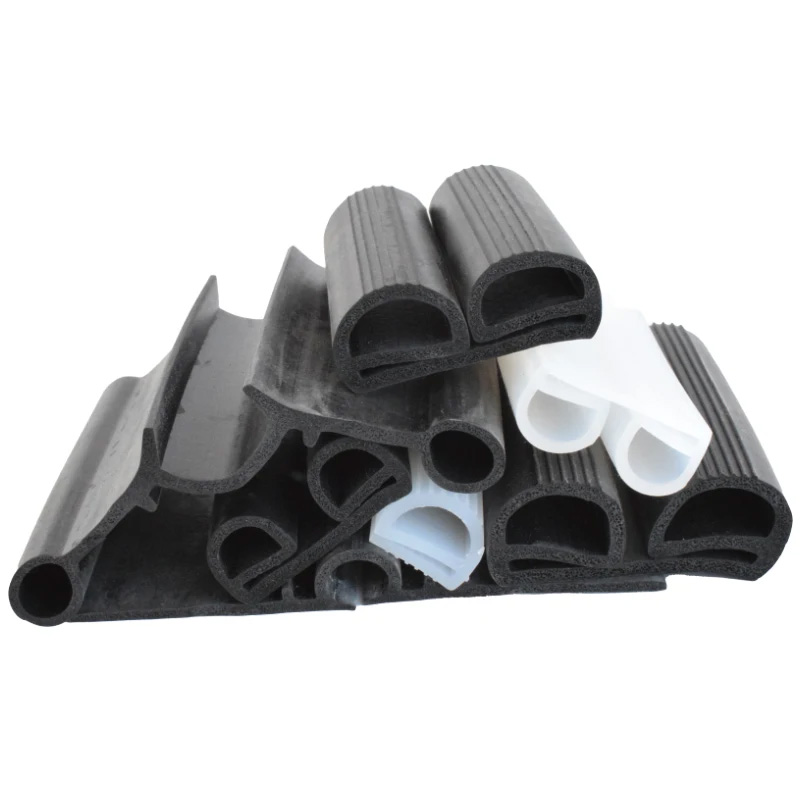
In plain terms: a rubber door strip seal is a flexible rubber gasket or strip affixed around the perimeter of door frames to seal gaps and prevent air, water, noise, and dust from infiltrating indoor spaces. But it’s more than just a barrier. Modern rubber door seals are engineered with specialized compounds resistant to weathering, temperature swings, and mechanical wear. This makes them indispensable not only in offices or homes but in industrial zones, refrigerated storage, and even in emergency shelters where airtight environments might be needed for safety or health reasons. Their connection to broader industrial and humanitarian needs becomes obvious when you consider disaster relief scenarios — sealing temporary shelters with strong yet flexible rubber strips extends their usability and comfort. So, the term covers a range of products with a shared goal: sealing and protecting spaces efficiently.Core Components: What Makes a Good Rubber Door Strip Seal?
Durability
A seal that crumbles after a few months? Useless. Many manufacturers use EPDM (ethylene propylene diene monomer) rubber, prized for excellent resistance to UV rays, ozone, and extreme temperatures. This ensures door seals don’t become brittle or crack, even in harsh climates.Elasticity
The magic is in the flexibility — the seal must compress easily to fill spaces but bounce back without deformation. Without this, doors might not close properly or energy leakage persists.Adhesion Method
Installation matters. Options range from peel-and-stick adhesives to mechanical fixings like clips or screws. The choice depends on door material and environment — for example, peel-and-stick might not hold under heavy moisture or grime.Environmental Resistance
Some seals are chemical-resistant or waterproof, tailored for wet or industrial installations. This prolongs life and reduces maintenance, especially in factories or marine settings.Cost Efficiency
Materials and production methods affect the price, but the cost is often weighed against energy savings over time. Bulk buyers and contractors understand the real value emerges with longevity and minimal replacement needs. Mini takeaway: The best seals blend resilience, flexibility, and smart installation — not just rubber slapped on a door.Wide-Ranging Applications: Where Do They Actually Help?
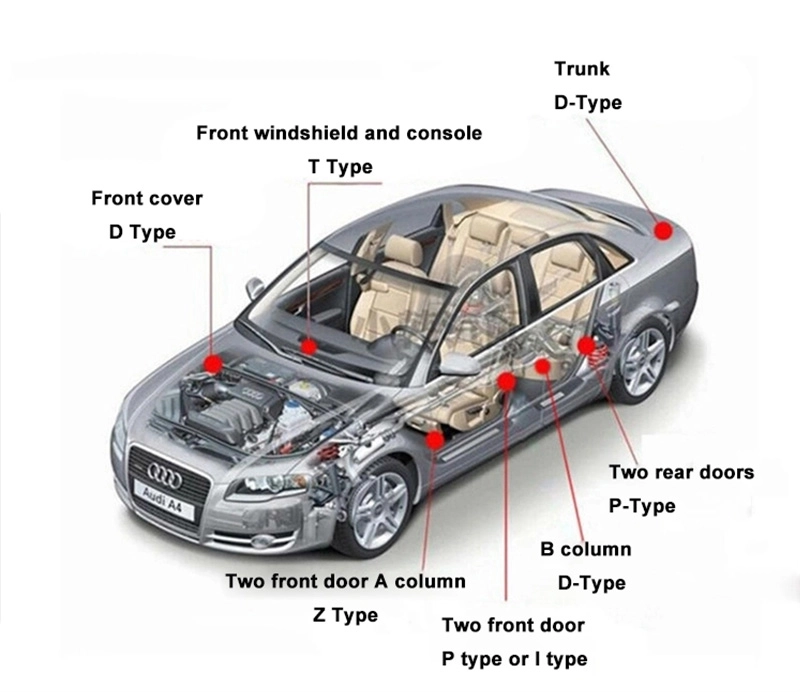
Think beyond just your office or home. Rubber door strip seals play essential roles in: - Commercial Buildings: Large HVAC systems rely on tight seals to maintain indoor climate efficiently. - Cold Storage and Refrigeration: Sealing cold rooms prevents costly temperature loss. - Healthcare: Clean rooms or quarantine areas depend on proper seals to control contamination. - Disaster Relief Shelters: Employed worldwide, from cyclone-prone areas in Southeast Asia to refugee camps. - Vehicle Doors: Trucks delivering perishables or hazardous goods utilize specialized door seals. A notable case: In parts of Europe, new energy codes require retrofitting all external doors. This has created a boom for manufacturers specializing in rubber door strip seals, especially in countries ramping up green building standards.Advantages and Long-Term Value: Why Invest in Rubber Door Strip Seals?
The benefits stack up: - Energy Savings: Prevents up to 20% heat loss in poorly insulated buildings. - Environmental Impact: Lesser energy means smaller carbon footprints—a direct contribution to climate goals. - Comfort & Noise Reduction: Balanced interiors without drafts or street noise intrusion. - Pest & Dust Control: Provides barrier to bugs and pollutants, improving hygiene. - Cost-Effectiveness: Longer product life translates to fewer replacements, lower costs. - Enhanced Security: Seals often complement door locking systems reducing forced entry risks. On an emotional note, there’s something reassuring about a well-sealed door — it signals care, craftsmanship, and trust in the space you occupy. Not just about dollars or degrees but how the environment feels day to day.Looking Ahead: Innovations in Rubber Door Strip Seals
Technology doesn’t rest, and neither do door seal makers. Here’s what’s brewing: - Eco-friendly Materials: Biodegradable or recycled rubber blends aiming to cut landfill impact. - Smart Seals: Sensors embedded to monitor wear or leakage, integrating with building management systems. - Nano-Coatings: For self-cleaning and longer seal life, especially in polluted urban environments. - Automation in Installation: Robot-assisted alignment and fastening improving installation speed and precision. - Customized Profiles: 3D printing for tailor-fit seals in unique architectural designs. These trends match the global sustainability narrative — sealing tighter, wasting less, and adapting smarter.Common Challenges and How to Overcome Them
No product is perfect. Some hurdles include: - Material Degradation: Exposure to harsh chemicals or UV rays can still shorten lifespan. - Incorrect Installation: Leading to gaps or seal damage. - Compatibility Issues: Not all seals fit every door type or frame. - Cost Restrictions: Budgets might push toward cheaper, lower-quality options. Solutions? Training installers thoroughly, choosing proven materials (like EPDM), and performing regular inspections help. Also, increasingly standardized sizing protocols make replacement smoother globally. Mini takeaway: Know your seal and your door — fit, material, and maintenance count as much as initial cost.Rubber Door Strip Seal FAQ
Q1: How do I know if my rubber door strip seal needs replacing?A: Look for visible cracks, brittleness, or gaps between the seal and frame. If drafts or noise leak despite a closed door, it’s a clear sign. Regular annual checks can save energy and prevent bigger issues.
Q2: Can rubber door strip seals be used outdoors?
A: Absolutely. Many seals are specifically designed for exterior doors, featuring UV and weather resistance. Just ensure you pick ones rated for your climate conditions.
Q3: How do I install a peel-and-stick rubber door strip seal correctly?
A: Clean the surface thoroughly to remove dust and oils, then apply firm, even pressure when sticking. Allow the adhesive to cure as per manufacturer guidelines for maximum durability.
Q4: Are custom-sized rubber door seals expensive?
A: Customization can add to cost but often pays off in better sealing and longevity. Many vendors now offer affordable bespoke options thanks to digital cutting technologies.
Q5: How sustainable are rubber door strip seals?
A: Traditional rubber requires fossil fuel raw materials, but many manufacturers now offer eco-conscious alternatives using recycled rubber or bio-based materials, aligning with ISO environmental standards.
Product Specification Table
| Specification | Detail |
|---|---|
| Material | EPDM Rubber (UV & Ozone Resistant) |
| Temperature Range | -40°C to +120°C |
| Adhesive Type | Peel-and-Stick (Strong Acrylic) |
| Profile Height | 12 mm to 18 mm (various options) |
| Color | Black (custom colors available) |
| Lifespan | 5–10 years (depending on environment) |
Comparing Top Vendors of Rubber Door Strip Seals
| Feature | SealPro Inc. | GlobalRubber Ltd. | EcoSeal Systems |
|---|---|---|---|
| Material Quality | Premium EPDM | Recycled Rubber Blend | Bio-Based Polymers |
| Eco Certification | ISO 14001 | None | LEED Compliant |
| Customization | High (3D Cut) | Medium (Standard Profiles) | High (Smart Seals) |
| Warranty | 7 years | 3 years | 5 years |
| Global Availability | Yes (40+ countries) | Limited (Mainly Europe) | Growing (Asia & Americas) |
| Price Point | $$$ | $ | $$ |
A Final Word
When it comes to sealing efficiency and environmental responsibility, rubber door strip seals quietly do their bit. Not flashy, not headline-grabbing, but dependable — a product where science meets everyday active use. The future holds greener, smarter seals that blend tech innovation with green principles, answering the call of a planet needing smaller footprints. If you want to explore the vast possibilities around rubber door strip seal solutions, product lines, and how you can implement them effectively, that’s the spot to start. There’s far more than just sealing going on here — there’s comfort, energy savings, and quite a bit of innovation wrapped up under a simple strip of rubber. ---References
Share
Latest news
-
Elegant Wedding Jute Bags for Sustainable and Rustic Event PackagingNewsApr.09,2026
-
Sustainable Jute Bags for Coffee Packaging and Branding SolutionsNewsApr.07,2026
-
Explore the Benefits of Sustainable Saran Jute Bags for Your BusinessNewsApr.04,2026
-
Sustainable Jute Soap Bags Packaging Solutions for Eco Friendly BrandsNewsMar.31,2026
-
Discover the EcoFriendly Charm of Jute Favor Bags for Every OccasionNewsMar.28,2026
-
Comprehensive Guide to Jute Bag Packing for Efficient Global TradeNewsMar.26,2026